
For investors, traders, and anyone engaged with the financial markets, understanding the precise operating hours of the stock market is not merely a matter of trivia; it’s a critical component of successful strategy and risk management. While the major U.S. stock exchanges – the New York Stock Exchange (NYSE) and Nasdaq – are physically located in New York City, operating on Eastern Time (ET), a significant portion of the investing public lives and works across different time zones. Among these, the Central Time (CT) zone plays a crucial role, influencing daily routines and investment decisions for millions. This article will demystify the stock market’s closing times, specifically translating them for those in the Central Time zone, and explore the broader implications for investors.
Understanding Standard Stock Market Hours
The backbone of U.S. stock trading adheres to a specific daily schedule, which, when understood, simplifies market participation regardless of your local time zone.
The New York Stock Exchange (NYSE) and Nasdaq
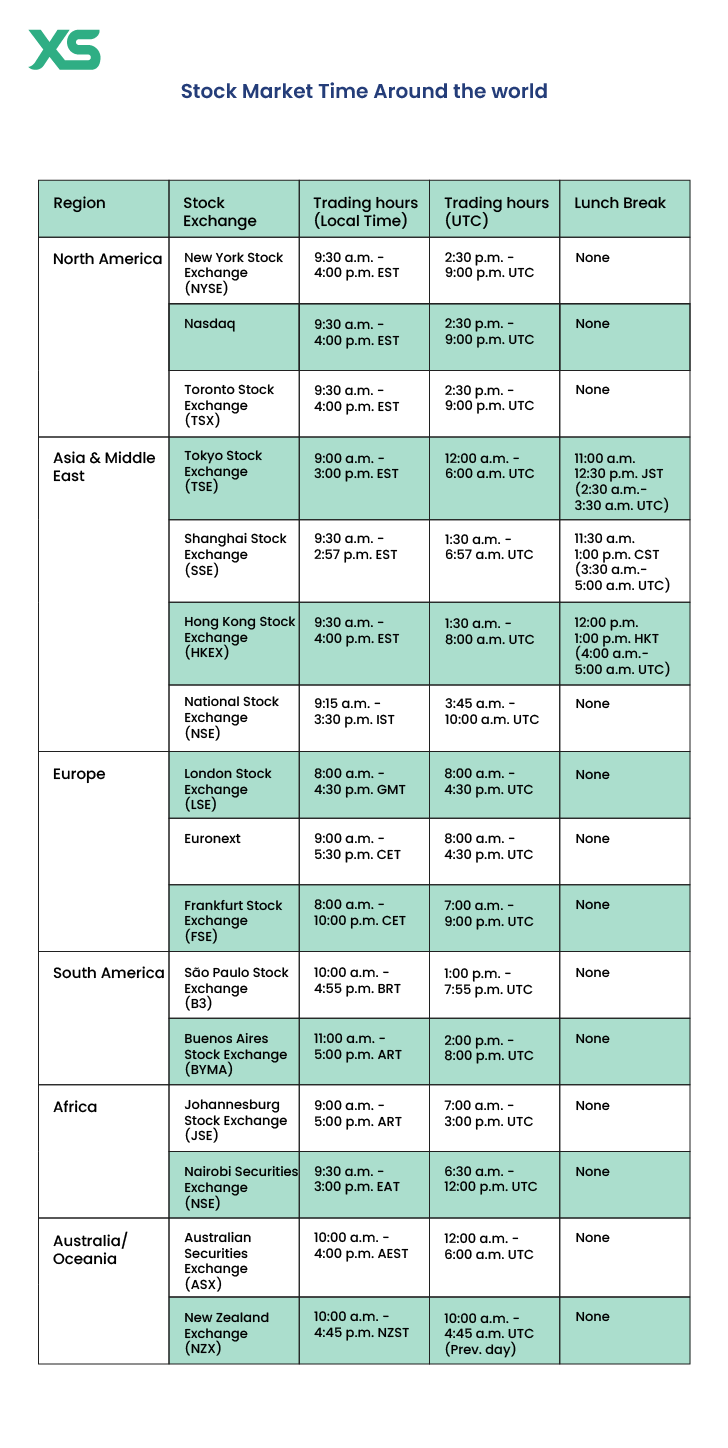
Both the NYSE and Nasdaq, the two primary stock exchanges in the United States, observe the same standard trading hours. These hours are from 9:30 AM ET to 4:00 PM ET on weekdays. This four-and-a-half-hour window is when the vast majority of stock transactions occur, characterized by high liquidity and regulated trading activity. These are the “regular” or “core” market hours that most investors refer to. During this period, order books are deepest, spreads are tightest, and the full range of market participants, from institutional investors to individual day traders, are actively engaged. Understanding these core hours is fundamental, as it dictates when real-time pricing and liquidity are at their peak.
Translating Eastern Time to Central Time
For individuals located in the Central Time zone, the 9:30 AM ET to 4:00 PM ET schedule translates directly to 8:30 AM CT to 3:00 PM CT. This means that when the market opens on the East Coast, it’s an hour earlier for those in the Central Time zone, and when it closes, it’s similarly an hour earlier. This time shift is simple yet profoundly important. It means that a trader in Chicago or Dallas has an entire hour after the market closes on their local clock to review their day’s performance, plan for the next day, or simply disconnect from market activity before their Eastern Time counterparts. Conversely, their trading day begins an hour earlier in their local time compared to ET, which can influence morning routines and preparation for market open.
Why Trading Hours Matter for Investors
The specific closing time, and indeed the entire trading day window, carries significant weight for investors. Firstly, it defines the period of official price discovery. Prices established during regular hours are generally considered the most reliable indicators of a security’s value, as they reflect the broadest consensus of market participants. Secondly, trading hours dictate liquidity. The regular session offers the highest liquidity, meaning orders are more likely to be filled quickly and at competitive prices due to the sheer volume of buyers and sellers. Outside these hours, liquidity can drop dramatically, leading to wider bid-ask spreads and potentially less favorable execution prices. Finally, risk management is intrinsically tied to market hours. Sudden news or events occurring after the market closes can lead to significant price gaps at the next open, impacting portfolios that weren’t adjusted during the regular session. Knowing the precise closing time allows investors to make timely decisions, such as closing positions, placing stop-loss orders, or rebalancing their portfolios, thereby mitigating potential overnight risks.
Beyond Standard Hours: Pre-Market and After-Hours Trading
While the 8:30 AM CT to 3:00 PM CT window defines the core trading day, the stock market’s activity isn’t strictly confined to these hours. Extended trading sessions offer opportunities and present unique challenges for investors.
The Mechanics of Extended Trading Sessions
Pre-market trading typically runs from 4:00 AM ET to 9:30 AM ET (or 3:00 AM CT to 8:30 AM CT), and after-hours trading generally occurs from 4:00 PM ET to 8:00 PM ET (or 3:00 PM CT to 7:00 PM CT). These sessions allow investors to react to news released outside of regular hours, such as earnings reports, economic data, or company announcements. Trading in these extended sessions is typically executed through Electronic Communication Networks (ECNs) rather than the traditional exchange floor or direct market access systems. The rules for participation can vary slightly between brokers, often requiring specific order types (e.g., limit orders) due to lower liquidity.
Risks and Opportunities in Extended Hours
Extended trading hours present both distinct advantages and disadvantages. Opportunities include the ability to react quickly to breaking news, potentially capitalizing on immediate price movements before the broader market opens or closes. For example, a company releasing better-than-expected earnings after 4 PM ET might see its stock price jump in after-hours trading, offering an early entry point. Conversely, risks are amplified. Liquidity is significantly lower, meaning fewer buyers and sellers are present. This can lead to wider bid-ask spreads, making it harder to get orders filled at desired prices and increasing transaction costs. Price volatility can also be higher, as a smaller number of trades can have a disproportionate impact on a stock’s price. Furthermore, institutional investors often dominate these sessions, giving individual investors less leverage. Information asymmetry can also be a factor, as not all news is widely disseminated instantly.
How Central Time Investors Navigate Extended Hours
For Central Time investors, these extended hours shift accordingly, making pre-market accessible from 3:00 AM CT and after-hours available until 7:00 PM CT. This can be particularly beneficial for those who have other daytime commitments, allowing them to participate in the market before or after their regular work hours. However, the same risks of lower liquidity and higher volatility apply. Central Time investors considering extended hours trading should be acutely aware of the time difference, closely monitor news feeds, and employ strict risk management strategies, such as using limit orders exclusively to control execution prices. Understanding that the market in New York is already trading while they might be starting their day, or still winding down, is key to synchronizing their strategy with the market’s pulse.
Market Holidays and Early Closures
The stock market does not operate every single weekday of the year. Investors, especially those managing their own portfolios, must be aware of market holidays and special early closing days to avoid missed opportunities or unexpected portfolio fluctuations.
Major Market Holidays Affecting Trading
The U.S. stock market observes several federal holidays, during which it remains completely closed. These typically include:
- New Year’s Day
- Martin Luther King, Jr. Day
- Presidents’ Day
- Good Friday (though not a federal holiday, observed by financial markets)
- Memorial Day
- Juneteenth National Independence Day
- Independence Day
- Labor Day
- Thanksgiving Day
- Christmas Day
It’s crucial for Central Time investors to mark these dates on their calendars. Trading platforms and financial news outlets usually provide a comprehensive list of market holidays at the beginning of each year. Planning around these non-trading days is vital for managing cash flows, settling trades, and adjusting investment strategies without the option of daily market access.
Special Situations: Early Closing Times
In addition to full-day holidays, the stock market occasionally observes early closing times. These often occur on the day before or the day after a major holiday, such as the day after Thanksgiving (Black Friday) or Christmas Eve (if it falls on a weekday). On these days, the market might close at 1:00 PM ET (12:00 PM CT) instead of the usual 4:00 PM ET. These half-days can catch unaware investors off guard, leading to less time to execute trades or react to late-breaking news. The reduced trading window, combined with potentially thinner liquidity, can also exacerbate volatility, especially closer to the early closing time.
Planning Around Non-Standard Market Days
For Central Time investors, proactive planning is essential.
- Consult the official holiday schedule: Both the NYSE and Nasdaq publish their holiday and early closure schedules well in advance. Cross-referencing these with your personal calendar ensures you’re never caught unaware.
- Adjust trading strategies: If you are a short-term trader, these non-standard days might mean adjusting your position sizes or taking profits earlier. Long-term investors might use these days to conduct research or re-evaluate their portfolio strategy without the pressure of live market movements.
- Be mindful of settlement periods: Trade settlements (T+2 for most equities) are also affected by market holidays, potentially delaying when funds or securities become available.
- Consider international markets: If you have exposure to global markets, remember that their holiday schedules differ entirely, allowing for continued trading even when U.S. markets are closed.
The Global Perspective: When Other Markets Close
While the focus for Central Time investors is often on the U.S. market, a truly insightful financial perspective acknowledges the interconnectedness of global capital. Understanding when other major markets operate and close can provide a fuller picture of worldwide economic activity.
Major International Markets and Their Hours
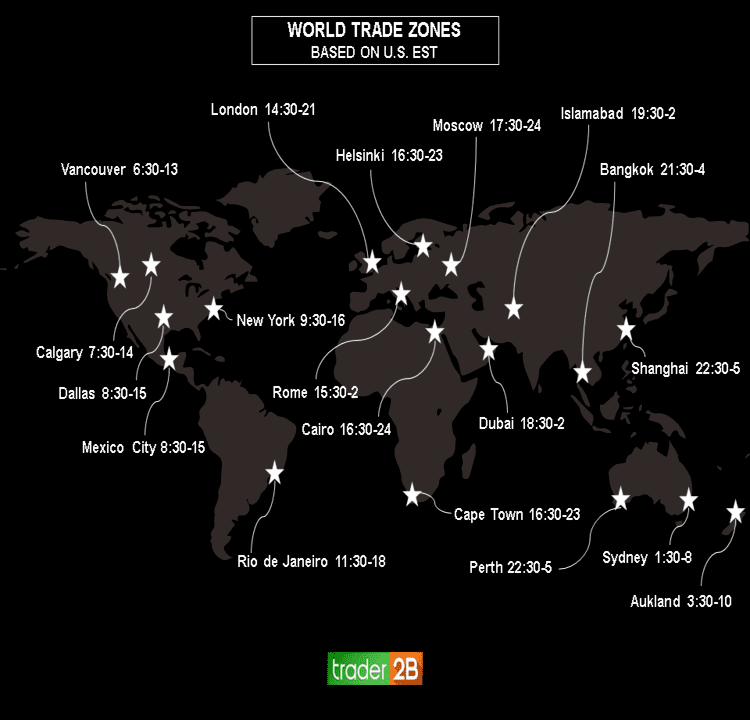
The world’s financial markets operate on a rolling 24-hour cycle, with one major market opening as another closes. For instance:
- Asian Markets: Tokyo (Nikkei), Shanghai, Hong Kong typically open during the U.S. overnight hours. For a Central Time investor, these markets are generally most active from the late afternoon through the early morning, often before the U.S. market even opens.
- European Markets: London (FTSE), Frankfurt (DAX), Paris (CAC 40) begin their trading day as Asian markets are winding down and are typically active during the U.S. pre-market and early regular session. A London exchange, for example, might operate from 8:00 AM GMT to 4:30 PM GMT, which translates to 2:00 AM CT to 10:30 AM CT, overlapping significantly with the U.S. pre-market and early trading hours.
The Interconnectedness of Global Trading
Movements in one major global market can often influence sentiment and opening prices in another. Significant news or economic data released during the Asian or European trading sessions can set the tone for the U.S. market’s open. For example, a strong performance in European markets might lead to a positive opening for the NYSE and Nasdaq. This interconnectedness means that even if a Central Time investor only trades U.S. stocks, being aware of global market trends can provide valuable context and foresight for their own market’s behavior. The “domino effect” of market sentiment, often fueled by currency fluctuations, commodity prices, or geopolitical events, underscores the importance of a global outlook.
Implications for Central Time Investors with Global Portfolios
For Central Time investors who hold international stocks, ETFs, or participate in currency trading, understanding the respective closing times of those global markets is paramount. This requires a much more complex time zone management strategy. They might find themselves monitoring markets literally around the clock, using financial news services that cover global events. The benefit is diversification and access to a wider range of investment opportunities, but the challenge lies in the continuous monitoring and the potential for a significant time commitment. Utilizing advanced trading platforms with real-time global data feeds and setting up alerts for specific market movements in different regions becomes essential.
Strategies for Central Time Investors
Operating an hour behind Eastern Time offers both convenience and potential pitfalls for Central Time investors. Developing specific strategies can help maximize the advantages and mitigate the challenges.
Managing Time Zone Differences Effectively
The most straightforward strategy is to simply remember the one-hour offset: subtract an hour from all Eastern Time market communications. So, a 4:00 PM ET close is 3:00 PM CT. However, truly effective management goes beyond simple subtraction.
- Establish a routine: Align your personal daily schedule with the market hours. For example, dedicated morning analysis before 8:30 AM CT and post-market review after 3:00 PM CT.
- Utilize alerts: Many trading platforms offer customizable alerts for market open/close, significant price movements, or news releases, which can be set to your local time.
- Leverage the “extra” hour: The hour between the U.S. market close (3:00 PM CT) and the official end of the Eastern Time market day (4:00 PM ET) can be a golden opportunity for Central Time investors. This time can be used for detailed analysis, learning, or preparing for the next day without the immediate pressure of live market movements.
Utilizing Financial Tools and Platforms
Modern financial tools are indispensable for managing time zone differences and market activities.
- Trading platform settings: Most advanced trading platforms allow users to customize their time zone settings, displaying all market times in CT. Ensure this feature is enabled for clarity.
- Real-time data feeds: Invest in or subscribe to platforms that offer real-time quotes and news feeds. This ensures you’re reacting to the most current information, especially during volatile periods or extended hours.
- Calendar and reminder apps: Use digital calendars to mark market holidays, early closures, and important economic data releases, setting reminders that are synced to your Central Time zone.
- Automated trading strategies: For those employing algorithmic or automated trading, ensure your system’s time synchronization is robust and accounts for potential daylight saving changes, if applicable.
The Importance of Real-Time Information
In the fast-paced world of financial markets, information is currency. For Central Time investors, this means ensuring access to real-time news and market data. Delays in information, even by a few minutes, can lead to missed opportunities or costly mistakes, particularly in a market that closes at 3:00 PM CT. Subscribing to reputable financial news services, having a reliable internet connection, and using trading platforms with direct market access and instantaneous data feeds are not luxuries but necessities. This allows Central Time investors to make informed decisions promptly, aligning their actions with the market’s rhythm and optimizing their financial outcomes.
In conclusion, while the headline question “What time does the stock market close Central Time?” has a simple answer – 3:00 PM CT for regular trading – the implications extend far beyond a mere time conversion. It encompasses understanding market dynamics, navigating extended hours, planning around holidays, appreciating global interconnectedness, and employing smart strategies for effective time zone management. For the astute investor in the Central Time zone, this detailed understanding is a fundamental asset in their pursuit of financial success.
aViewFromTheCave is a participant in the Amazon Services LLC Associates Program, an affiliate advertising program designed to provide a means for sites to earn advertising fees by advertising and linking to Amazon.com. Amazon, the Amazon logo, AmazonSupply, and the AmazonSupply logo are trademarks of Amazon.com, Inc. or its affiliates. As an Amazon Associate we earn affiliate commissions from qualifying purchases.