
For millions of Americans, the road to financial independence—securing a mortgage, financing a vehicle, or obtaining a credit card with favorable terms—passes directly through a three-digit number. While there are many ways to measure creditworthiness, the FICO Score remains the industry gold standard. Specifically, the FICO 8 Score is the version most frequently used by lenders to assess risk. Understanding how this specific iteration works, how it is calculated, and why it holds such power over your financial future is essential for anyone looking to navigate the modern credit landscape.
The Mechanics of the FICO 8 Score
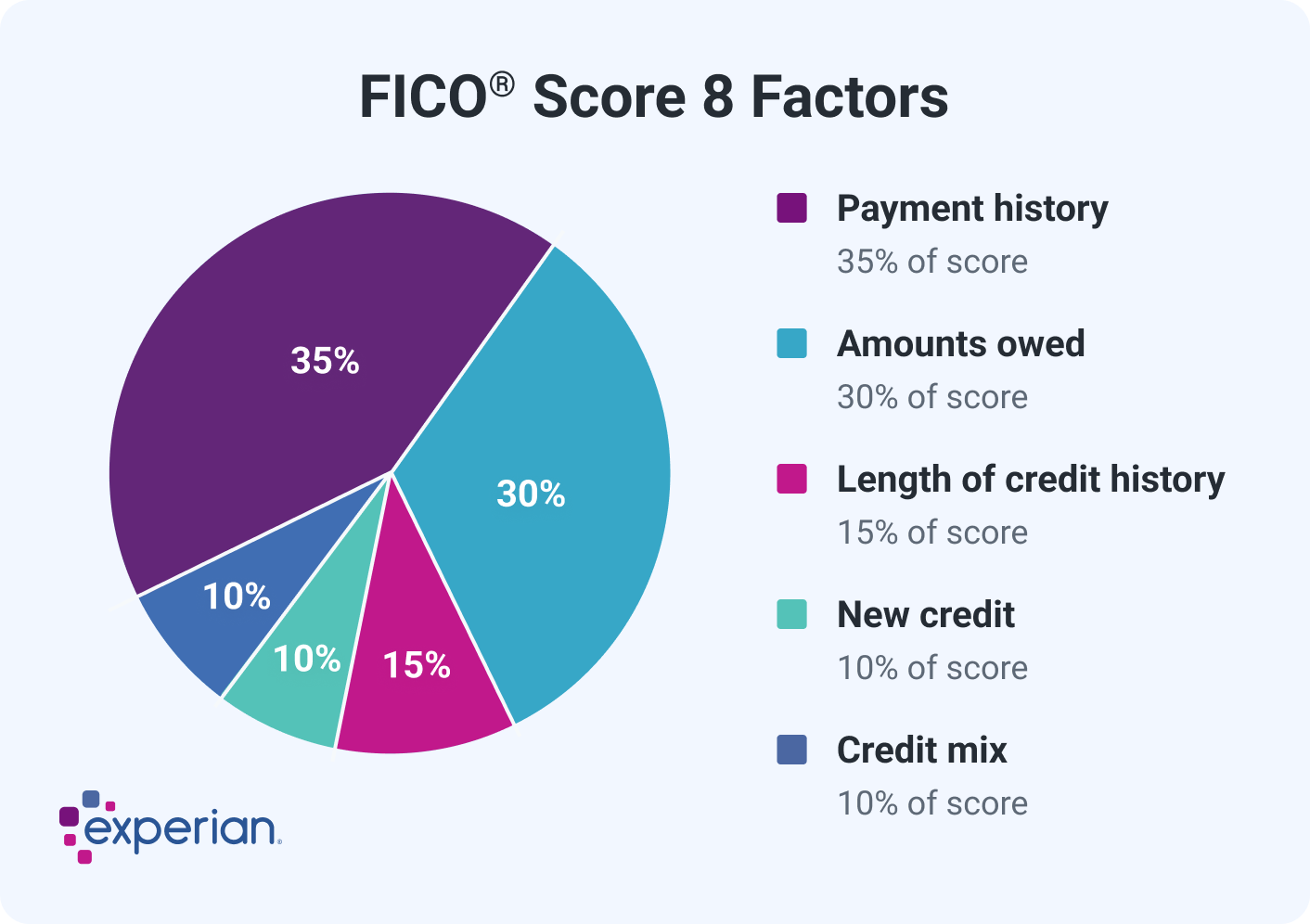
The FICO 8 Score is a proprietary formula developed by the Fair Isaac Corporation. While the exact algorithm is a trade secret, FICO is transparent about the factors that influence the score. When a lender pulls your credit report, FICO 8 analyzes your history across five distinct categories. It is important to note that these categories are not weighted equally; some carry significantly more influence than others.
Payment History: The Foundation of Trust
The single most important component of your FICO 8 score, accounting for 35% of the total calculation, is your payment history. This category answers one fundamental question for a lender: Do you pay your bills on time? Even a single missed payment that is 30 days or more late can have a detrimental effect on your score. Consistent, on-time payments demonstrate reliability, while a pattern of delinquency signals high risk.
Amounts Owed and Credit Utilization
Accounting for 30% of your score, the “amounts owed” category—often referred to as credit utilization—is frequently misunderstood. It is not necessarily about how much total debt you have, but rather how much of your available revolving credit you are currently using. If you have a credit card with a $10,000 limit and a balance of $8,000, your utilization rate is 80%. FICO 8 generally penalizes high utilization rates, even if you pay your balance in full every month. A common rule of thumb for maintaining a strong score is to keep utilization below 30%, though savvy credit users often aim for below 10%.
Length of Credit History and Credit Mix
The remaining 35% of your score is distributed among the length of your credit history (15%), new credit (10%), and credit mix (10%). Length of history considers the age of your oldest account, the age of your newest account, and the average age of all your accounts. New credit tracks how many credit inquiries you have had recently; applying for multiple loans or credit cards in a short period can lower your score, as it may signal financial distress. Finally, credit mix looks at the variety of credit types you hold, such as revolving credit (credit cards) versus installment loans (mortgages, auto loans, or student loans). Demonstrating that you can manage different types of debt responsibly is a hallmark of a robust credit profile.
How FICO 8 Differs from Its Predecessors
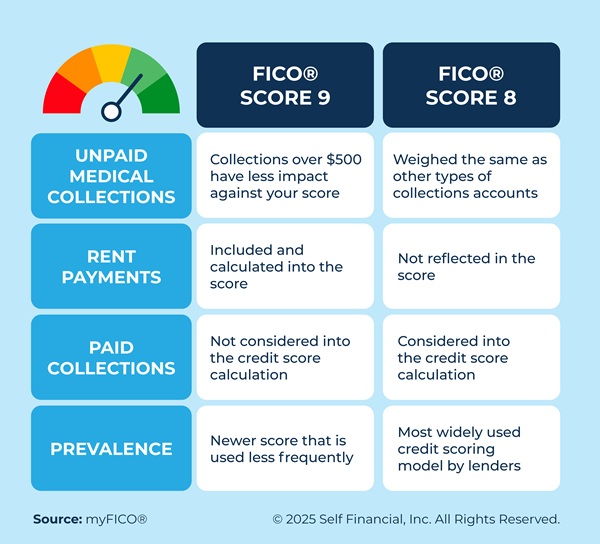
One of the most frequent questions consumers ask is why FICO 8 is emphasized when there are newer versions of the FICO score (such as FICO 9 and 10) and competing models like VantageScore. The primary reason is ubiquity. FICO 8 was a revolutionary update because it introduced more sophisticated ways of handling “authorized user” accounts and dealt more effectively with public record information.
The Impact of Authorized Users
In previous versions of FICO, some consumers would “piggyback” on the accounts of family members with excellent credit to artificially boost their own scores. FICO 8 refined this process, filtering out authorized user accounts that do not reflect a genuine credit relationship or that were clearly intended to manipulate the scoring system. This ensured that the score remained a more accurate reflection of the individual’s actual credit behavior.
Sensitivity to Small-Balance Inquiries
FICO 8 is also more forgiving regarding small-dollar collection accounts. Under older models, a medical bill for $50 that went to collections could plummet a credit score just as severely as a massive default. FICO 8 introduced a policy of ignoring paid collection accounts, which prevents minor administrative or billing errors from causing catastrophic, long-term damage to a consumer’s financial reputation.
Strategies for Improving Your FICO 8 Score
Because the FICO 8 formula is weighted toward recent behavior, it is possible to repair a damaged score over time if you remain disciplined. Improving your score is not a get-rich-quick scheme; it is a process of establishing a long-term track record of financial stability.
Prioritize Timely Payments
If you struggle with organization, set up automatic payments for at least the minimum amount due on every account. Even if you cannot pay the full balance, ensuring that a payment is received on time every month preserves your payment history, which, as noted, is the most influential factor in your score.
Strategically Pay Down Balances
To lower your credit utilization, focus on paying down balances on revolving accounts. If you have multiple cards, consider paying off the accounts with the highest utilization percentages first. Additionally, you can call your credit card issuers and request a credit limit increase. If your issuer grants it, your total available credit increases, which automatically lowers your utilization ratio, provided you do not use the extra credit to increase your spending.
Avoid Excessive New Inquiries
Every time you apply for credit, the lender performs a “hard inquiry” into your history. While one or two inquiries have a negligible impact, a flurry of applications in a short window can significantly dampen your score. Only apply for the credit you genuinely need and plan to maintain.
The Role of FICO 8 in Your Financial Future
It is a common misconception that having no credit is better than having bad credit. In reality, lenders need to see data to assess your risk; if they see none, they are unlikely to approve your application. The FICO 8 score serves as a common language between you and the financial institution. When you maintain a high FICO 8 score, you are essentially signaling that you are a low-risk borrower.
Unlocking Lower Interest Rates
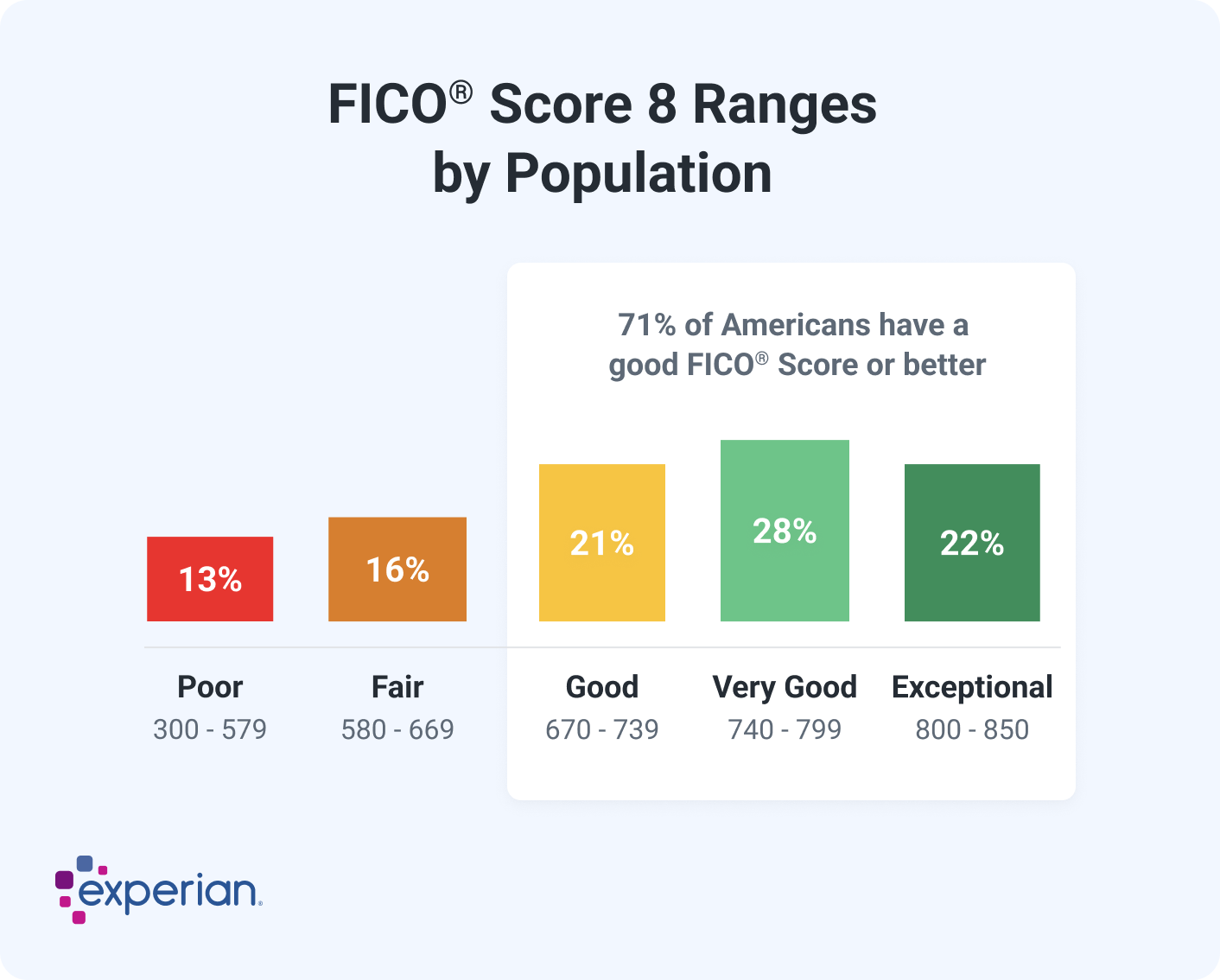
The most tangible benefit of a high FICO 8 score is the financial savings it provides over the life of a loan. A consumer with a score in the “exceptional” range (generally 800 or above) will qualify for the lowest interest rates offered by lenders. Over the course of a 30-year mortgage, the difference between a high score and an average score can amount to tens of thousands of dollars in interest savings.
Beyond Interest Rates: Credit Limits and Approvals
Your FICO 8 score also determines your eligibility for premium credit products, which often come with lower interest rates, higher credit limits, and valuable rewards programs. Furthermore, in many states, your credit score can influence your insurance premiums and even your ability to rent an apartment. Landlords and utility companies often view a high FICO 8 score as a proxy for personal responsibility and stability.
Conclusion: Mastering Your Credit Health
The FICO 8 score is not merely a number generated by an algorithm; it is a financial resume that follows you throughout your adult life. By understanding the components of the score—payment history, utilization, length of history, credit mix, and new credit—you can make informed decisions that benefit your financial health. There are no shortcuts to achieving a perfect score, but there is a clear roadmap to success. By paying your bills on time, keeping your balances low, and managing new credit requests with caution, you can optimize your FICO 8 score and secure the financial flexibility required to achieve your long-term goals. While technology and credit reporting continue to evolve, the principles behind the FICO 8 score—reliability, prudence, and consistency—remain the cornerstones of successful personal finance management.
aViewFromTheCave is a participant in the Amazon Services LLC Associates Program, an affiliate advertising program designed to provide a means for sites to earn advertising fees by advertising and linking to Amazon.com. Amazon, the Amazon logo, AmazonSupply, and the AmazonSupply logo are trademarks of Amazon.com, Inc. or its affiliates. As an Amazon Associate we earn affiliate commissions from qualifying purchases.