
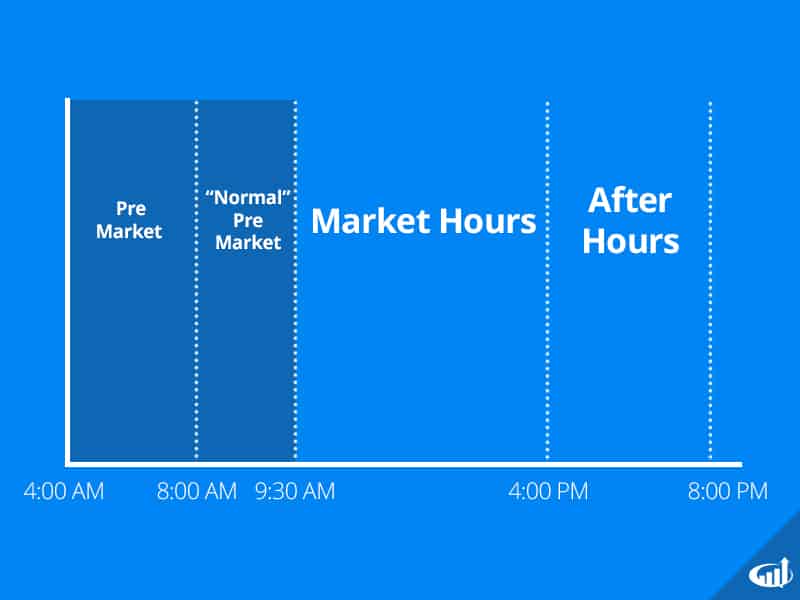
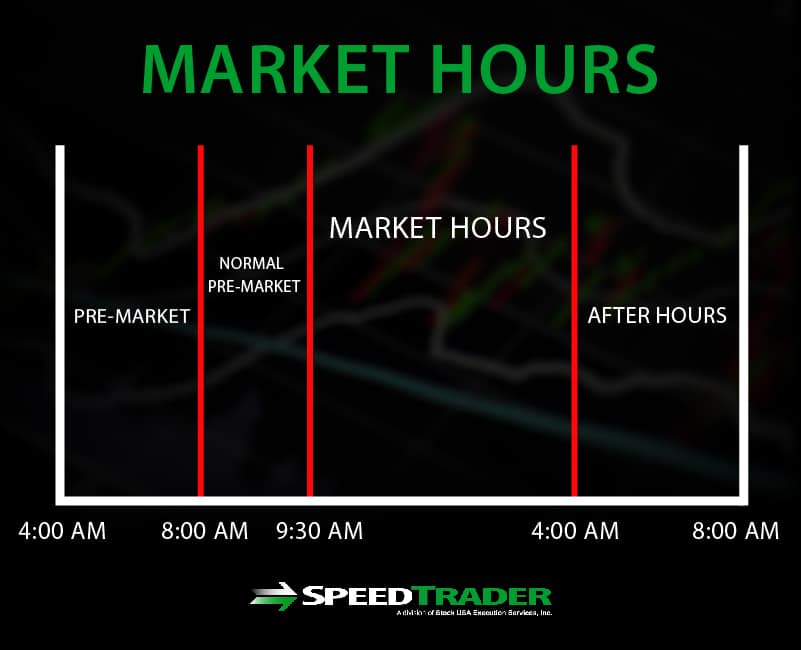
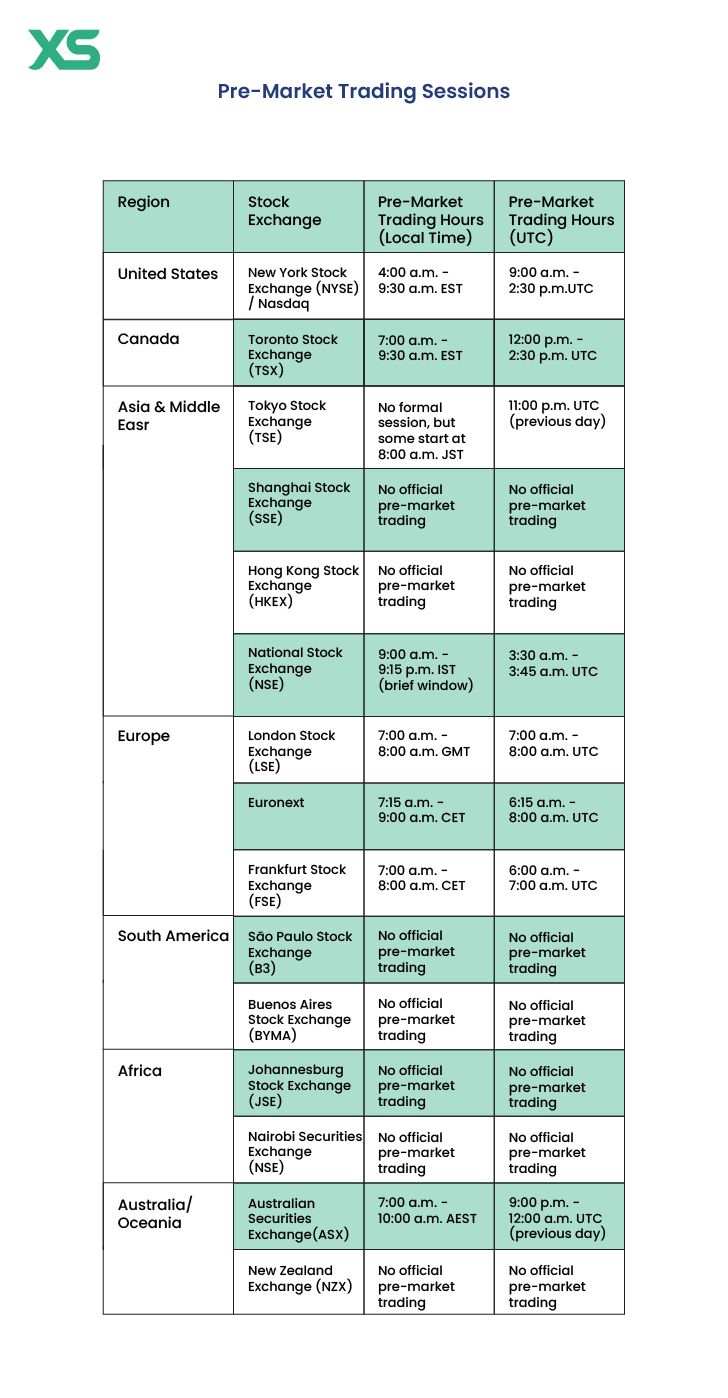
For anyone engaged in the dynamic world of stock market investing, understanding the nuances of trading hours extends far beyond the traditional 9:30 AM to 4:00 PM ET window. The concept of “pre-market” trading is crucial, offering a unique arena where significant price movements can occur before the regular trading session even begins. While the exact pre-market open time can vary slightly depending on the specific exchange and brokerage firm, a general rule of thumb for major U.S. stock exchanges like the New York Stock Exchange (NYSE) and Nasdaq is that pre-market trading typically commences at 4:00 AM Eastern Time (ET) and concludes at 9:30 AM ET, just as the regular trading session officially opens.
This extended window isn’t merely an early bird special; it’s a critical period driven by overnight news, corporate earnings reports, and international market reactions. For sophisticated investors, day traders, and institutions, the pre-market offers an opportunity to react swiftly to new information, position themselves strategically, and potentially capitalize on early price discovery. However, this early access also comes with its own set of characteristics, notably lower liquidity and increased volatility, making it an environment that demands a thorough understanding and a disciplined approach. Delving into the specifics of pre-market operations reveals why this seemingly marginal period plays such a significant role in shaping the daily trajectory of financial markets.
Understanding the Pre-Market Trading Session
The pre-market trading session is a fundamental component of the broader market structure, offering a critical bridge between the close of one trading day and the open of the next. It’s a period often characterized by heightened activity in response to fresh catalysts, laying the groundwork for how stocks might perform once the full market awakens.
Defining Pre-Market Trading
Pre-market trading refers to the period during which securities can be bought and sold before the standard 9:30 AM ET opening of the major U.S. stock exchanges. As mentioned, for most retail and institutional participants, this window typically spans from 4:00 AM ET to 9:30 AM ET. It’s important to distinguish this from the regular trading session, which is known for its higher liquidity, stricter rules on order types, and broader participation. Pre-market, conversely, operates under slightly different conditions, making it a distinct segment of the trading day. While the core function remains the exchange of shares, the mechanisms and investor profile often differ significantly from the primary session. Many brokers offer pre-market access, but the specific start times can vary, with some only allowing trading from 7:00 AM ET, while others offer the full 4:00 AM ET start. Investors should always confirm their broker’s specific extended hours policy.
Why Pre-Market Trading Exists
The existence of pre-market trading is primarily driven by the continuous flow of information in a globalized economy. News doesn’t adhere to traditional market hours. Corporate earnings reports, analyst upgrades/downgrades, merger and acquisition announcements, economic data releases, and significant geopolitical events often occur overnight or before the regular market open. Without a pre-market session, investors would be forced to wait until 9:30 AM ET to react, leading to massive price gaps and potentially disorderly openings. Pre-market trading provides an immediate outlet for market participants to digest and react to this fresh information, allowing for a degree of price discovery and adjustment before the regular session begins. This early positioning can help smooth the transition into the regular market open, preventing extreme one-sided movements right at the bell.
Key Participants in Pre-Market
While anyone with extended-hours access through their brokerage can participate, the pre-market is often dominated by certain types of investors. Institutional investors, such as hedge funds and mutual funds, frequently use this period to adjust their portfolios based on overnight news, often dealing in large blocks of shares. High-net-worth individuals and sophisticated day traders also feature prominently, leveraging advanced trading tools and real-time news feeds to identify and capitalize on early opportunities. Retail investors, though increasingly active, tend to constitute a smaller portion of the overall volume compared to the regular session. The concentration of trading among these more professional and well-resourced participants contributes to the unique characteristics of pre-market liquidity and price action.
The Mechanics of Pre-Market Trading
Engaging in pre-market trading requires an understanding of its specific operational mechanics, which differ in several key ways from standard market hours. These differences impact everything from how orders are placed to the overall trading environment.
Trading Platforms and Access
Access to pre-market trading is facilitated through most major online brokerage platforms. However, not all brokers offer the full 4:00 AM ET to 9:30 AM ET window; some may only allow trading starting later, for example, 7:00 AM ET. Investors must explicitly enable extended-hours trading through their brokerage account settings, as it often requires acknowledgement of the increased risks involved. The actual execution of trades in pre-market is primarily handled through Electronic Communication Networks (ECNs), which are automated systems that match buy and sell orders directly between participants. Unlike the regular market where orders might pass through market makers, ECNs provide a more direct connection, which is particularly relevant in periods of lower liquidity.
Order Types in Pre-Market
A crucial distinction in pre-market trading is the preferred and often mandatory use of limit orders. A limit order specifies the maximum price an investor is willing to pay to buy or the minimum price they are willing to accept to sell. Given the lower liquidity and higher volatility inherent in pre-market, using market orders (which instruct the broker to execute a trade immediately at the best available price) is highly discouraged and often restricted. A market order in a thinly traded pre-market stock could be filled at an unexpectedly disadvantageous price, leading to significant losses. Limit orders provide a protective mechanism, ensuring that trades are executed only at or better than the specified price, giving traders more control in an unpredictable environment.
Liquidity and Volatility Considerations
The most significant difference between pre-market and regular trading hours lies in liquidity and volatility. Pre-market trading typically sees much lower trading volume compared to the regular session. Fewer buyers and sellers participating means that individual orders, especially larger ones, can have a disproportionate impact on a stock’s price. This lower liquidity often results in wider bid-ask spreads, meaning there’s a larger difference between the highest price a buyer is willing to pay and the lowest price a seller is willing to accept. Consequently, pre-market trading is also characterized by increased volatility. A small number of trades can lead to rapid and dramatic price swings, which can be enticing for those seeking quick profits but equally perilous for those unprepared for such rapid fluctuations.
Strategic Implications for Investors
For those who choose to engage, pre-market trading offers unique strategic advantages, particularly in response to breaking news and earnings. However, these opportunities are always balanced against inherent risks.
Reacting to Overnight News and Earnings Reports
The pre-market session serves as the primary arena for immediate reactions to news released outside of regular trading hours. This includes corporate earnings reports (often released after market close or before market open), regulatory announcements, major economic data points (like CPI or jobs reports), and significant global events. Astute investors and traders monitor these news sources closely, as they can cause substantial price movements. A company beating earnings expectations, for instance, might see its stock gap up significantly in pre-market, setting a positive tone for the regular session. Conversely, negative news can lead to sharp declines. Being able to react promptly allows investors to establish positions early, potentially capitalizing on the initial price discovery before broader market participation dilutes these immediate movements.
Price Discovery and Gap Trading
One of the key functions of pre-market activity is price discovery. The prices established during this period can often indicate how a stock might perform once the regular market opens. Significant price movements in pre-market often lead to “gaps” – instances where a stock’s opening price is substantially higher or lower than its previous day’s closing price. Traders specializing in “gap trading” actively seek out these situations, trying to predict whether the gap will “fill” (meaning the price moves back towards its previous close) or “continue” (meaning the price continues its momentum in the direction of the gap). Understanding the underlying catalysts and the volume supporting these pre-market moves is critical for making informed decisions regarding potential gap trades.
Risks and Rewards of Early Entry
The allure of pre-market trading lies in its potential for significant, rapid profits. Getting in early on a stock poised for a major move can yield substantial returns. However, this reward is inextricably linked to higher risk. The lower liquidity means that it can be harder to enter or exit positions at desired prices, especially for larger orders. Furthermore, the increased volatility means that prices can reverse quickly and dramatically, turning a promising gain into a substantial loss in minutes. The absence of certain protections present in the regular market, coupled with less public information, demands a higher level of vigilance and analytical skill from participants. It’s an environment where the prepared and disciplined can thrive, while the unprepared face considerable peril.
Navigating the Challenges of Pre-Market Trading
While pre-market trading offers compelling opportunities, it is far from a beginner-friendly environment. Understanding and mitigating its inherent challenges is paramount for any participant.
Lower Liquidity and Wider Spreads
As previously discussed, the reduced number of participants in pre-market leads to significantly lower liquidity. This means there are fewer buyers and sellers at any given price point, which can lead to several issues. Firstly, it makes it harder to execute large orders without moving the market against oneself. Buying a substantial block of shares can push the price up rapidly, and selling a large block can cause a quick price drop. Secondly, lower liquidity results in wider bid-ask spreads. The difference between the highest price a buyer is willing to pay (bid) and the lowest price a seller is willing to accept (ask) can be much larger than in the regular session. This wider spread essentially increases the cost of trading, as an immediate buy and sell would result in a greater loss due to the spread.
Increased Volatility and Manipulation Risk
The combination of lower liquidity and reaction to fresh news often results in extreme price volatility during pre-market hours. A stock can swing wildly in either direction on relatively low volume. While this presents opportunities for quick profits, it also magnifies the risk of rapid losses. Furthermore, the thinner trading environment can be more susceptible to manipulation. A large buyer or seller can have a more pronounced impact on price, potentially creating false signals or attempting to move a stock in a desired direction with less capital than would be required in the regular session. Though regulatory bodies monitor for such activities, the speed and nature of pre-market trading make it a more challenging landscape to police completely.
Limited Information and Research Availability
During pre-market hours, the full breadth of market information and analytical resources available during the regular session is often diminished. While major news outlets will report breaking news, comprehensive analyst coverage, detailed institutional research, and public filings may not be readily accessible or fully processed by the market. This means traders are often relying on raw news feeds and their immediate interpretation, without the benefit of broader market consensus or in-depth analysis. This information asymmetry can put retail investors at a disadvantage compared to institutional players who have access to more sophisticated data terminals and dedicated research teams working overnight.
Regulatory Considerations
Extended-hours trading, including pre-market, operates under specific regulatory frameworks from bodies like the SEC (Securities and Exchange Commission) and FINRA (Financial Industry Regulatory Authority). These bodies are aware of the unique risks associated with extended trading and require brokerages to disclose these risks to customers. For instance, specific rules might govern order types allowed or the handling of market data. While the core anti-fraud and market manipulation rules still apply, the practicalities of surveillance in a less liquid, more volatile environment can be different. Investors should be aware that some of the automatic safeguards and higher levels of scrutiny present in the regular market might be less pronounced or effective during these less active periods.
Is Pre-Market Trading Right for You?
Given the distinct characteristics and challenges, pre-market trading is not suitable for all investors. A careful assessment of one’s experience, risk tolerance, and access to resources is essential.
Assessing Your Risk Tolerance and Experience
Pre-market trading is generally considered an advanced strategy best suited for experienced traders with a high-risk tolerance. The increased volatility, lower liquidity, and potential for rapid price swings demand quick decision-making, emotional discipline, and a thorough understanding of market dynamics. Novice investors, or those who are uncomfortable with significant overnight risk, should generally avoid pre-market activities. It requires a different mindset than long-term investing or even regular-hours swing trading, emphasizing short-term reactions and nimble execution. A realistic self-assessment of one’s capabilities and psychological fortitude under pressure is crucial before venturing into this early morning arena.
Tools and Resources for Informed Decisions
To successfully navigate pre-market trading, investors need access to real-time information and robust trading tools. This includes high-speed internet, a reliable brokerage platform with extended-hours capabilities, and crucially, access to real-time news feeds that deliver information as it breaks. Many professional traders subscribe to specialized news services that provide immediate alerts on corporate announcements, economic reports, and analyst actions. Furthermore, advanced charting software capable of displaying pre-market price action and volume is indispensable for identifying trends and support/resistance levels. Without these tools, traders are essentially operating blind, dramatically increasing their risk.
Integrating Pre-Market into a Broader Investment Strategy
For those who do engage, pre-market trading should typically be seen as a complementary component of a broader investment strategy, rather than the sole focus. It can be used to establish initial positions based on overnight developments, manage existing positions in response to unexpected news, or to gain an early understanding of market sentiment. However, the core of one’s investment portfolio should generally be built on strategies suitable for the regular trading hours, where liquidity is abundant and price discovery is more robust. Pre-market activity can inform decisions made during the regular session, but relying solely on this early window for all trading activity could expose an investor to undue risk.
In conclusion, while the precise timing of “what time does the pre-market open” is a straightforward answer – generally 4:00 AM ET for major U.S. exchanges – the implications of this early window are anything but simple. Pre-market trading offers a high-stakes environment where significant news can drive rapid price movements, presenting both substantial opportunities for profit and amplified risks. It demands a sophisticated understanding of market mechanics, a high degree of discipline, and access to critical information. For the informed and experienced investor, it can be a valuable tool for reacting to news and positioning effectively. For others, it serves as a crucial period to observe, learn, and prepare for the opportunities and challenges that the regular market open will bring.
aViewFromTheCave is a participant in the Amazon Services LLC Associates Program, an affiliate advertising program designed to provide a means for sites to earn advertising fees by advertising and linking to Amazon.com. Amazon, the Amazon logo, AmazonSupply, and the AmazonSupply logo are trademarks of Amazon.com, Inc. or its affiliates. As an Amazon Associate we earn affiliate commissions from qualifying purchases.