
In the fast-paced world of global finance, timing is often just as critical as the assets you choose to hold. For investors ranging from retail enthusiasts to institutional giants, the heartbeat of the American economy is the New York Stock Exchange (NYSE). Located at 11 Wall Street in Lower Manhattan, the NYSE is the world’s largest stock exchange by market capitalization. However, in an era of digital trading and 24/7 news cycles, the question “What time does the NYSE open?” carries more weight than a simple numerical answer.

Understanding the specific operating hours, the nuances of extended sessions, and how these timeframes influence market liquidity and volatility is essential for anyone looking to master their personal finances and investment portfolio.
Understanding Standard Trading Hours on the NYSE
The “core” trading session is the period when the vast majority of trading volume occurs and when the physical floor of the NYSE is active. For the traditional investor, these hours represent the safest and most liquid time to execute trades.
The Opening Bell: 9:30 AM ET
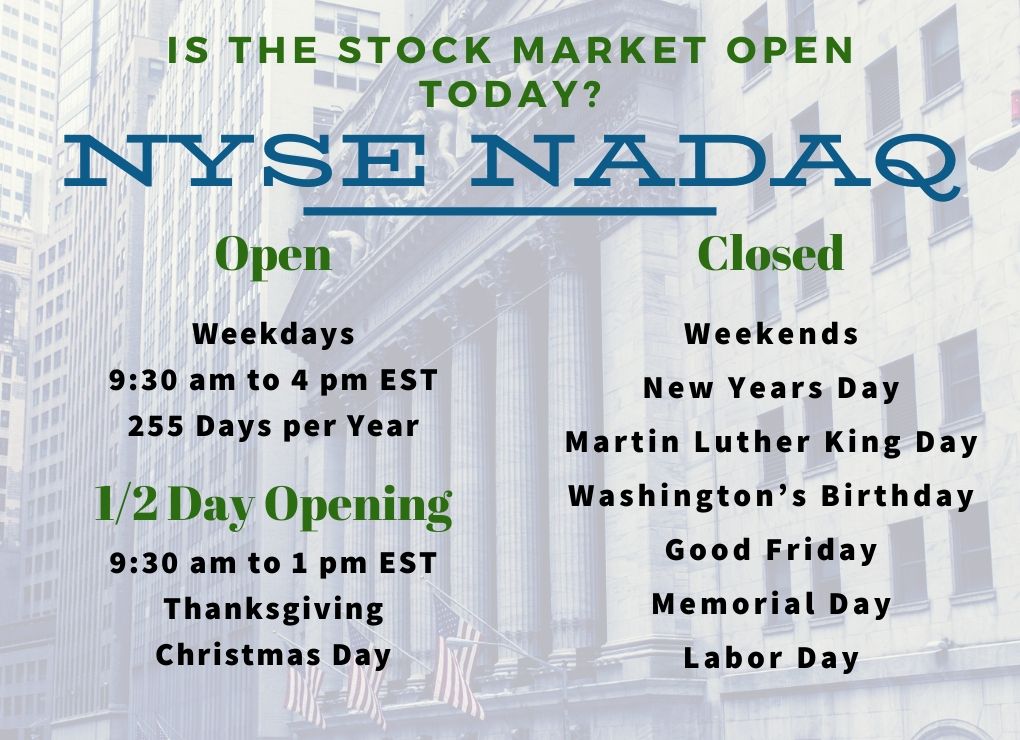
The NYSE officially opens for core trading at 9:30 AM Eastern Time (ET), Monday through Friday. This moment is marked by the iconic ringing of the opening bell—a tradition that dates back to the 1870s. From a financial perspective, the opening bell signifies the start of “price discovery.”
During the first few minutes of the session, the market processes all the news, economic data, and corporate earnings that were released overnight or in the early morning hours. This often leads to a “morning spike” in volatility. For the disciplined investor, the opening 30 minutes can be a period of high risk, as bid-ask spreads may be wider than usual while the market finds its equilibrium.
The Closing Bell: 4:00 PM ET
The core trading session concludes at 4:00 PM ET. The closing bell is perhaps even more significant than the opening bell for institutional investors and mutual fund managers. Many financial products, such as Index Funds and ETFs, calculate their Net Asset Value (NAV) based on the closing prices of the securities they hold.
The final minutes of the trading day, often referred to as the “Closing Cross,” involve a complex series of auctions designed to facilitate a single, fair closing price for every security. This ensures that the massive volume of trades executed at the end of the day is handled with transparency and stability.
Lunch Breaks and Mid-Day Volatility
Unlike some international exchanges in Asia or the Middle East, the NYSE does not close for a lunch break. Trading continues uninterrupted from 9:30 AM to 4:00 PM. However, seasoned traders often note a “mid-day lull” between 12:00 PM and 2:00 PM ET. During this window, trading volume typically thins out as floor traders and institutional desks take breaks. For the individual investor, trading during this period can be advantageous because volatility is lower, but one must be wary of lower liquidity, which can occasionally lead to less favorable execution prices for very large orders.
Extended Trading Sessions: Pre-Market and After-Hours
While the core hours are 9:30 AM to 4:00 PM, the digital transformation of the financial markets has enabled “Extended-Hours Trading.” This allows participants to react to news outside of the traditional window, though it comes with a unique set of risks and rules.
Early Bird Opportunities: Pre-Market Trading
The NYSE Arca—the exchange’s electronic platform—begins accepting trades as early as 4:00 AM ET. However, most retail brokerage platforms do not grant individual investors access until 7:00 AM or 8:00 AM ET.
Pre-market trading is primarily used by investors to react to overnight developments, such as international geopolitical events or early-morning economic reports (like the Monthly Jobs Report, usually released at 8:30 AM ET). Because there are fewer participants, price movements in the pre-market can be dramatic and may not always reflect where the stock will actually trade once the 9:30 AM opening bell rings.
Reacting to Earnings: After-Hours Trading
The after-hours session runs from 4:00 PM to 8:00 PM ET. This is perhaps the most volatile period of the day for individual stocks. The reason is simple: most publicly traded companies release their quarterly earnings reports immediately after the 4:00 PM close.
When a company like Apple or Nvidia reports earnings at 4:05 PM, the stock price can swing 5% or 10% within seconds. Professional traders use this session to capitalize on these movements. For the personal investor, after-hours trading offers the ability to exit a position quickly if a company’s outlook sours, but the lack of liquidity means you might have to accept a much lower price than you anticipated.
The Risks and Rewards of Extended Sessions
While the ability to trade for 16 hours a day (4:00 AM to 8:00 PM) offers flexibility, it is not without peril. The primary risks of extended trading include:
- Lower Liquidity: Fewer buyers and sellers mean it is harder to execute a trade at your desired price.
- Wider Spreads: The difference between the “bid” (what you can sell for) and the “ask” (what you can buy for) is often much larger than during the day.
- High Volatility: Prices can move aggressively on very low volume, leading to “fake-outs” where a stock looks like it is crashing or soaring, only to reverse when the core market opens.
Market Holidays and Early Closures
Just as important as knowing when the market is open is knowing when it is closed. The NYSE follows a strict schedule of federal holidays, and missing these dates can lead to missed opportunities or failed settlement timing.
Major Federal Holidays Observed by the NYSE
The NYSE is closed on the following holidays (or the nearest Monday/Friday if the holiday falls on a weekend):
- New Year’s Day (January 1)
- Martin Luther King, Jr. Day (Third Monday in January)
- Presidents’ Day (Third Monday in February)
- Good Friday (Friday before Easter)
- Memorial Day (Last Monday in May)
- Juneteenth National Independence Day (June 19)
- Independence Day (July 4)
- Labor Day (First Monday in September)
- Thanksgiving Day (Fourth Thursday in November)
- Christmas Day (December 25)
Strategic Early Closures (Half-Days)
The NYSE also observes several “early closures,” where the market shuts down at 1:00 PM ET. These typically occur on the day after Thanksgiving (Black Friday) and sometimes on Christmas Eve or July 3rd, depending on how the calendar falls. Trading volume on these half-days is notoriously thin, and many institutional desks are minimally staffed, leading to unpredictable price action.
International Time Zones and Global Synchronization
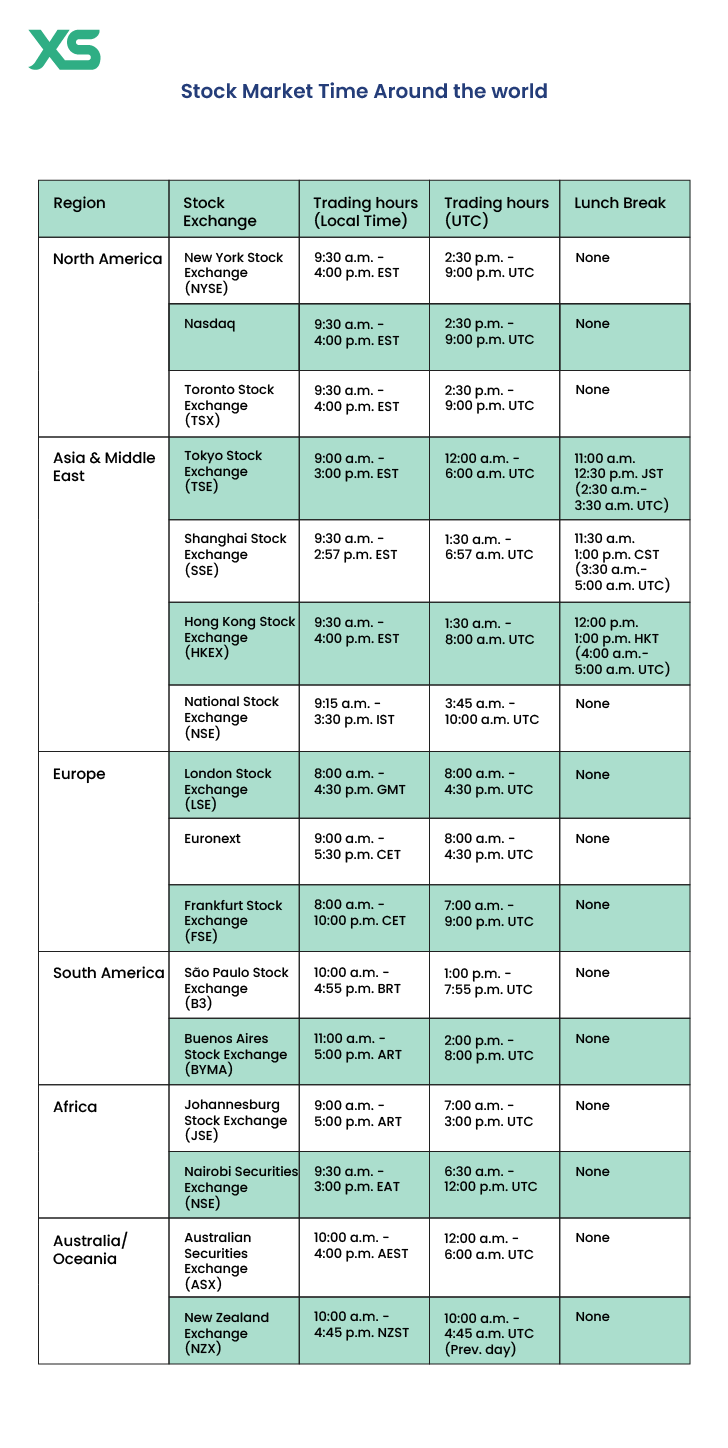
For investors located outside the Eastern Time zone, keeping track of NYSE hours is vital.
- Pacific Time (PT): 6:30 AM – 1:00 PM
- Greenwich Mean Time (GMT): 2:30 PM – 9:00 PM (during standard time)
- Hong Kong/Singapore: 9:30 PM – 4:00 AM (next day)
Investors in London or Tokyo must synchronize their strategies with the New York clock, especially during the transition into and out of Daylight Saving Time, as the US often shifts dates differently than Europe or Australia.
How Timing Impacts Your Investment Strategy
Knowledge of the NYSE clock allows an investor to transition from a passive participant to a strategic one. Where you place your trades within the 9:30 to 4:00 window can significantly alter your “cost basis” and long-term returns.
The “Opening Cross” and Initial Price Discovery
For the average long-term investor, it is often recommended to avoid trading in the first 15 to 30 minutes of the day. This period is dominated by algorithms and high-frequency traders reacting to the “Opening Cross”—a process where the exchange matches buy and sell orders accumulated overnight. By waiting until 10:00 AM ET, the initial “noise” has usually settled, and a clearer trend for the day has emerged.
Why the Last Hour of Trading Matters
The period from 3:00 PM to 4:00 PM ET is often called the “Happy Hour” or “The Power Hour.” This is when institutional managers rebalance their portfolios and “smart money” makes its final moves for the day. High volume during this hour often indicates a strong conviction in the current trend. If the market rises significantly during the Power Hour, it is frequently seen as a bullish indicator for the following day’s open.
Leveraging Technology for Timed Executions
In the modern financial landscape, you don’t need to be glued to your screen at 9:30 AM to participate. Most modern brokerage platforms allow for “conditional orders.” You can set a “Limit Order” that only triggers during core hours, or a “Stop-Loss” that protects your capital if a stock drops while you are asleep.
Furthermore, understanding the NYSE schedule is the first step in exploring sophisticated strategies like “Dollar Cost Averaging” (DCA) at specific times of the month or using “Market-on-Close” (MOC) orders to ensure you get the final price of the day.
Conclusion
The operating hours of the New York Stock Exchange provide the structural framework for the global economy. While the answer to “What time does the NYSE open?” is a straightforward 9:30 AM ET, the reality is a 16-hour cycle of pre-market preparation, core session execution, and after-hours reaction.
By mastering these timeframes, understanding the impact of holidays, and recognizing the psychological shifts that occur between the opening and closing bells, investors can better navigate the complexities of the market. Whether you are managing a retirement account or building a day-trading side hustle, your success depends not just on what you buy, but on the wisdom of when you buy it.
aViewFromTheCave is a participant in the Amazon Services LLC Associates Program, an affiliate advertising program designed to provide a means for sites to earn advertising fees by advertising and linking to Amazon.com. Amazon, the Amazon logo, AmazonSupply, and the AmazonSupply logo are trademarks of Amazon.com, Inc. or its affiliates. As an Amazon Associate we earn affiliate commissions from qualifying purchases.