
New York City is more than just a global cultural hub or a collection of iconic landmarks; it is the undisputed financial nervous system of the world. For the professional traveler, the investor, or the student of economics, a visit to the city is an opportunity to witness the mechanics of global capital in motion. When considering what things to do in New York City from a financial perspective, one must look beyond the neon lights of Times Square and toward the skyscrapers where trillions of dollars change hands daily. This guide explores the “Money” niche of NYC, offering an insightful itinerary for those who view the city through the lens of investment, history, and strategic networking.

Navigating the Financial Core: The Legacy of Wall Street and Beyond
The geography of New York City is inextricably linked to the history of the American dollar. Lower Manhattan, specifically the Financial District (FiDi), serves as the bedrock of global markets. Engaging with this area requires an understanding of both its historical weight and its modern technological evolution.
The Iconography of the New York Stock Exchange (NYSE)
While the trading floor is no longer the frantic hive of shouting brokers it once was—having transitioned largely to electronic systems—the building at 11 Wall Street remains the most potent symbol of global capitalism. Observing the NYSE is a lesson in brand power and institutional stability. Though public tours of the interior are restricted for security, standing at the corner of Broad and Wall Streets allows one to appreciate the architecture of the “Big Board.” For the financially minded, this is a moment to reflect on market liquidity and the regulatory frameworks that have governed American trade since the Buttonwood Agreement of 1792.
The Federal Reserve Bank of New York: Understanding Governance
A short walk from the NYSE brings you to 33 Liberty Street, the Federal Reserve Bank of New York. As the most important of the twelve regional Reserve Banks, this institution executes monetary policy and manages the nation’s gold reserves. A visit here is a masterclass in central banking. The New York Fed offers pre-booked tours that take visitors deep underground to the gold vault, which sits on the city’s metamorphic bedrock. Understanding how the “Fed” manages interest rates and stabilizes the dollar provides a fundamental context for any investor looking to understand the macro-economic forces currently shaping the global market.
Strategic Networking: High-Stakes Environments and Industry Hubs
In New York City, “doing business” is a primary pastime. The city offers unique venues where the elite of the private equity, hedge fund, and venture capital worlds congregate. For those looking to expand their professional footprint, choosing the right locations for interaction is key.
High-End Business Hubs and Private Members’ Clubs
The modern professional landscape in NYC is often found within the confines of exclusive clubs like the Yale Club, the Penn Club, or more contemporary spaces like Casa Cipriani and Soho House. These locations are the “third spaces” of the financial elite. Visiting these spots (often accessible via reciprocal memberships) provides an environment conducive to high-level networking and deal-making. In these rooms, the conversation revolves around seed rounds, M&A activity, and portfolio diversification. For a visitor, observing the etiquette and the flow of information in these hubs is as educational as any seminar.
Leveraging Industry Conferences and FinTech Summits
New York is the primary stage for global financial summits. From the Bloomberg New Economy Forum to various FinTech and blockchain conferences in the Javits Center or Midtown hotels, the city stays at the cutting edge of financial technology. Participating in these events is one of the most productive things to do in the city. It allows for an assessment of emerging “Money” trends, such as the integration of AI in algorithmic trading and the shifting landscape of decentralized finance (DeFi). These gatherings are where the future of New York’s economic dominance is negotiated and funded.
The Economics of Real Estate: Analyzing the NYC Skyline
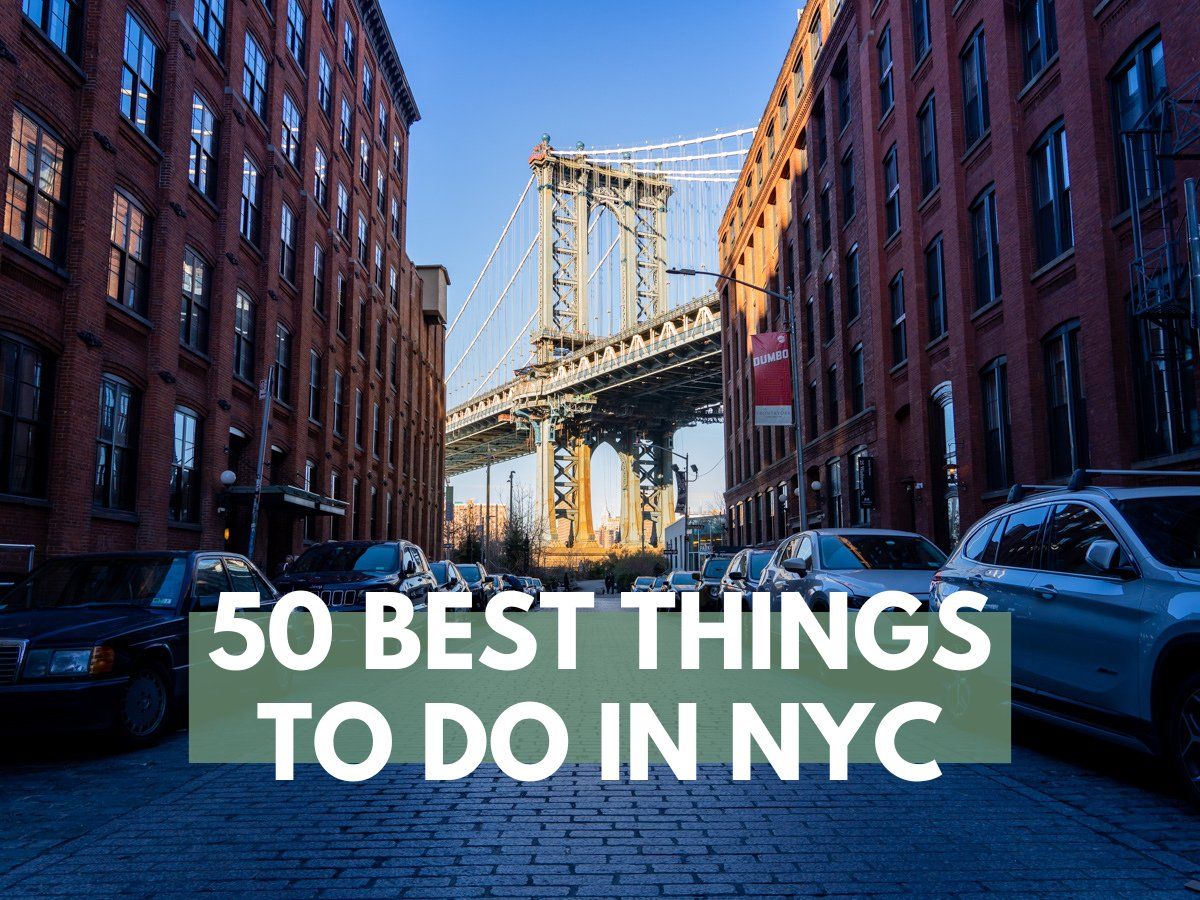
Real estate is the tangible manifestation of New York’s wealth. To understand the city’s economy, one must analyze its development projects and the sheer density of its commercial and residential valuations.
Hudson Yards: A Case Study in Mixed-Use Investment
Hudson Yards represents the largest private real estate development in the history of the United States. For a student of business finance, exploring this area is an exercise in understanding urban planning and capital expenditure. The project involved massive investment from firms like Related Companies and Oxford Properties Group. Walking through the development allows one to see how “Class A” office space, luxury retail, and high-end residential units are bundled to create a self-sustaining ecosystem of value. It is a testament to the city’s ability to attract international capital even in fluctuating interest rate environments.
Analyzing the “Billionaire’s Row” Phenomenon
Walking along 57th Street, known as Billionaire’s Row, offers a vertical view of global wealth concentration. The ultra-slender skyscrapers, such as 111 West 57th and Central Park Tower, represent the pinnacle of luxury real estate as an asset class. Many of these units function as “safe deposit boxes in the sky” for international investors. For those interested in personal finance and high-net-worth wealth management, studying the absorption rates and price-per-square-foot of these buildings provides insight into how the world’s wealthiest individuals hedge against inflation and currency volatility.
Strategic Leisure: The Business of NYC Culture and Philanthropy
In New York, even leisure is an extension of the financial world. The city’s cultural institutions are powered by the endowments and philanthropic efforts of the financial sector, creating a unique “Business of Art.”
Philanthropy and the Arts: The Business of the Met
A visit to the Metropolitan Museum of Art or the Museum of Modern Art (MoMA) is not just about the aesthetics; it is about understanding the flow of capital into the non-profit sector. The wings of these museums often bear the names of the city’s most successful financiers—Koch, Rockefeller, Sackler, and Bloomberg. For a professional, observing how corporate identity and personal branding intersect with public service is insightful. The Met Gala, for instance, is not merely a fashion event but a high-level fundraising machine that demonstrates the power of the “New York network” to generate millions in a single evening for institutional longevity.
High-Stakes Dining: Where Deals are Made
The “Power Lunch” is a New York institution. Restaurants like The Grill in the Seagram Building or Polo Bar serve as the unofficial boardrooms of Midtown. For a visitor interested in the “Money” niche, dining in these establishments offers a front-row seat to the city’s professional culture. It is here that one observes the nuances of relationship management and the soft skills required to close a deal. Understanding the economics of the NYC restaurant industry—high overheads, thin margins, and the premium on “table real estate”—is also a fascinating study in business operations.
Practical Wealth Management: Navigating the High-Cost Environment
Finally, any discussion of things to do in NYC from a financial perspective must address the practicalities of managing one’s own capital while in the world’s most expensive city.
Expense Optimization in a High-Cost Environment
Navigating New York requires a sophisticated approach to personal finance. From the “tax” of convenience to the complexities of the New York sales tax and tipping culture, the city tests one’s fiscal discipline. A savvy professional uses their time in NYC to practice “strategic spending”—prioritizing expenditures that offer a high ROI, such as premium networking events or central accommodations that save valuable time, while utilizing technological tools to manage lower-level logistics.
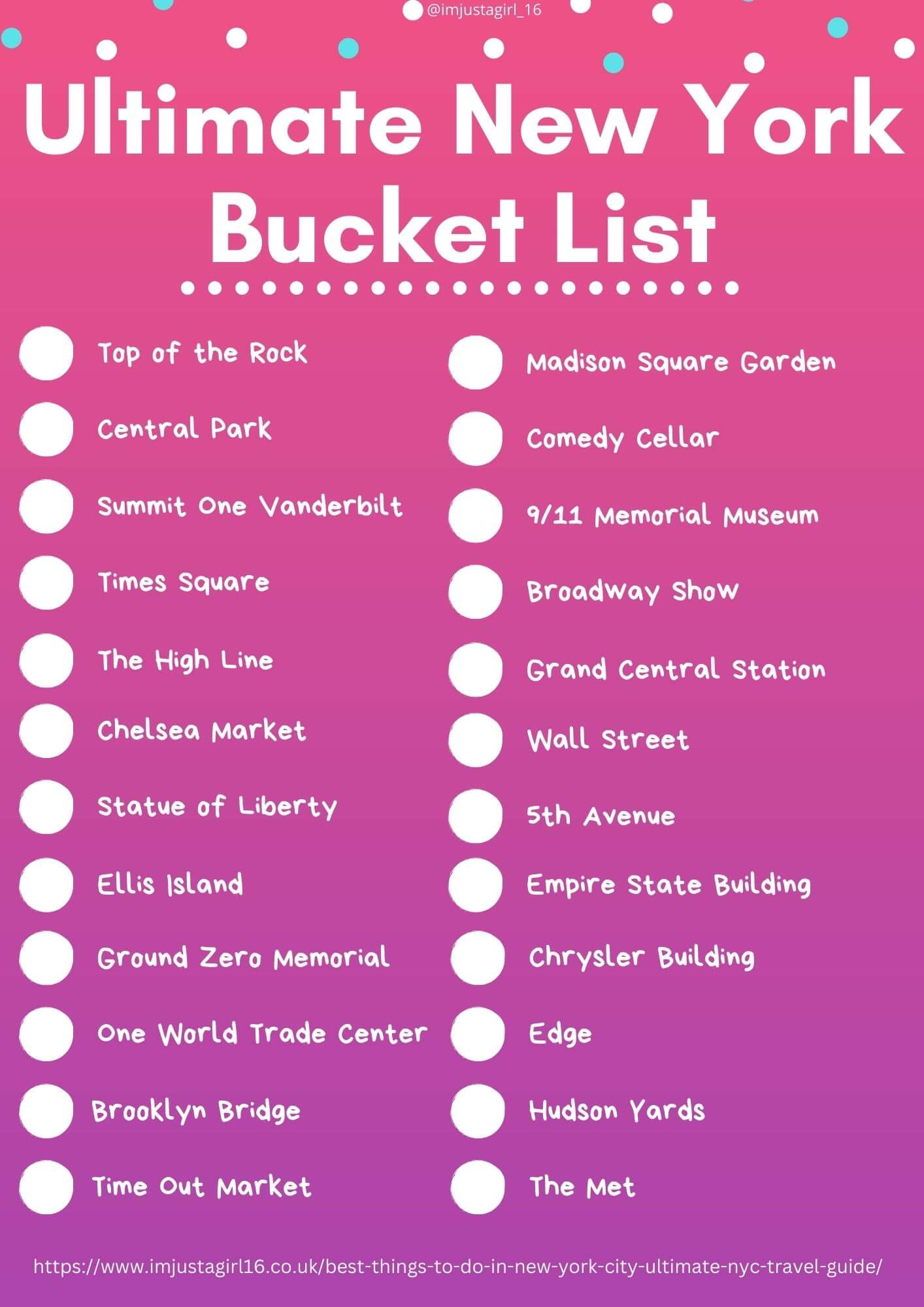
Identifying Local Investment Opportunities
For the visitor with an eye for business, New York is a living laboratory of consumer trends. By observing which retail concepts are thriving in neighborhoods like SoHo or the Meatpacking District, an investor can gain early insights into broader market shifts. Many global brands use New York as a testing ground; seeing a concept succeed here often presages a national or global rollout. Identifying these “alpha” opportunities is perhaps the most lucrative thing one can do in the city.
In conclusion, New York City is an expansive classroom for anyone interested in money, finance, and the mechanics of wealth. By shifting the focus from mere tourism to professional inquiry, a trip to the Big Apple becomes an investment in one’s own financial literacy and professional network. Whether you are analyzing the ticker on Wall Street or evaluating the cap rates of Manhattan real estate, the city offers endless opportunities to witness the power of capital in its most concentrated form.
aViewFromTheCave is a participant in the Amazon Services LLC Associates Program, an affiliate advertising program designed to provide a means for sites to earn advertising fees by advertising and linking to Amazon.com. Amazon, the Amazon logo, AmazonSupply, and the AmazonSupply logo are trademarks of Amazon.com, Inc. or its affiliates. As an Amazon Associate we earn affiliate commissions from qualifying purchases.