
For millions of investors worldwide, the New York Stock Exchange (NYSE) and Nasdaq Stock Market represent the pulsating heart of global finance. Understanding their operational rhythm, especially the critical closing bell, is fundamental to effective trading and sound investment strategy. While the exact moment the market closes might seem like a simple piece of information, its implications ripple through portfolios, shape trading decisions, and set the stage for the next day’s activity. At its core, the NY stock market officially closes its standard trading session at 4:00 PM Eastern Time (ET). However, this seemingly definitive moment is far from the end of market-related action. This guide delves into the specifics of market closing times, the rationale behind them, and how savvy investors can navigate the dynamics of both standard and extended trading hours to optimize their financial strategies.
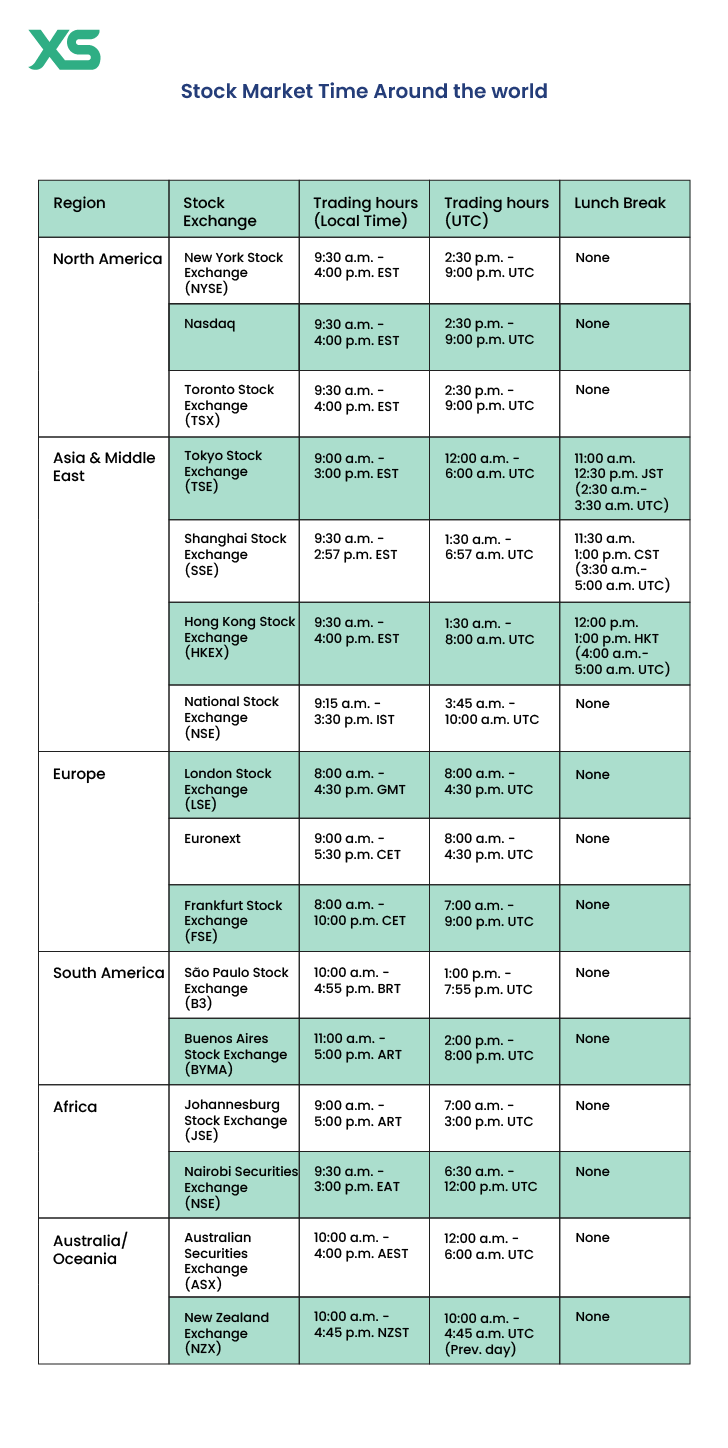
The journey of an investor is often defined by timing – when to buy, when to sell, and perhaps most crucially, when to simply observe. The market close isn’t just an arbitrary end to the trading day; it’s a point of convergence where orders are finalized, positions are settled, and the groundwork for future market movements is laid. For the diligent investor, grasping the nuances of market hours extends beyond merely knowing the clock’s hands. It involves appreciating the interconnectedness of global markets, the opportunities and risks presented by after-hours trading, and the strategic decisions that can be made in anticipation of the next day’s open. By exploring these facets, we aim to provide a holistic view that empowers investors to make more informed choices, reduce risk, and potentially uncover new avenues for growth in the ever-evolving financial landscape.
The Official Closing Bell: What Investors Need to Know
The 4:00 PM ET closing time for the New York Stock Exchange (NYSE) and Nasdaq Stock Market is a cornerstone of the financial world, marking the end of the primary trading window for equities. This standardized schedule is not arbitrary; it’s the result of decades of market evolution, designed to bring order, transparency, and efficiency to the vast ecosystem of buyers and sellers. For any investor, understanding the precise parameters of this standard trading day is the first step toward building a robust and responsive investment strategy.
The Standard Trading Day Explained
The typical trading day for both the NYSE and Nasdaq runs from 9:30 AM ET to 4:00 PM ET. This seven-and-a-half-hour window is when the majority of trading volume occurs, characterized by the highest liquidity and the narrowest bid-ask spreads. During these hours, individual investors, institutional funds, and high-frequency trading firms compete to execute orders, reacting to news, economic data, and corporate announcements. The “opening bell” at 9:30 AM ET often sees a surge of activity as market participants react to overnight developments and pre-market indicators, while the “closing bell” at 4:00 PM ET similarly experiences heightened volume as traders try to close out positions or enter last-minute orders.
It’s crucial for investors, particularly those not residing in the Eastern Time Zone, to always consider the “ET” designation. A 4:00 PM ET close translates to 1:00 PM PT (Pacific Time), 2:00 PM MT (Mountain Time), and 3:00 PM CT (Central Time). Miscalculating this can lead to missed opportunities or unintended trades, especially for time-sensitive strategies. The uniformity of these hours across major US exchanges helps streamline operations for brokers, market makers, and regulatory bodies, providing a predictable environment for capital formation and price discovery.
Why 4:00 PM ET? The Rationale Behind Market Close
The specific choice of 4:00 PM ET as the closing time is rooted in a combination of historical precedent, operational necessity, and the need for global synchronization. Historically, market hours were dictated by physical trading floors and the logistical challenges of manual order processing. While technology has largely replaced these manual systems, the core hours have largely remained due to their established efficiency and market participant expectations.
One primary reason for a standardized closing time is to facilitate the orderly matching and settlement of trades. After 4:00 PM ET, a significant amount of post-trading activity occurs, including clearing and settling transactions, reconciling accounts, and preparing for the next trading day. This “cooling-off” period allows market participants and back-office operations to ensure all trades are properly recorded and executed, minimizing errors and maintaining the integrity of the financial system. Furthermore, a consistent closing time provides a clear reference point for calculating daily closing prices, which are essential for valuing portfolios, setting benchmarks, and determining option and futures contract settlements.
From a global perspective, the 4:00 PM ET close allows for a reasonable overlap with European markets (which are typically closing as the US market opens) and provides a clear transition point before Asian markets open later in the US evening. This staggered approach helps manage continuous global capital flows without requiring a full 24-hour trading day for major equity exchanges, striking a balance between global interconnectivity and operational manageability.
Market Holidays and Early Closures
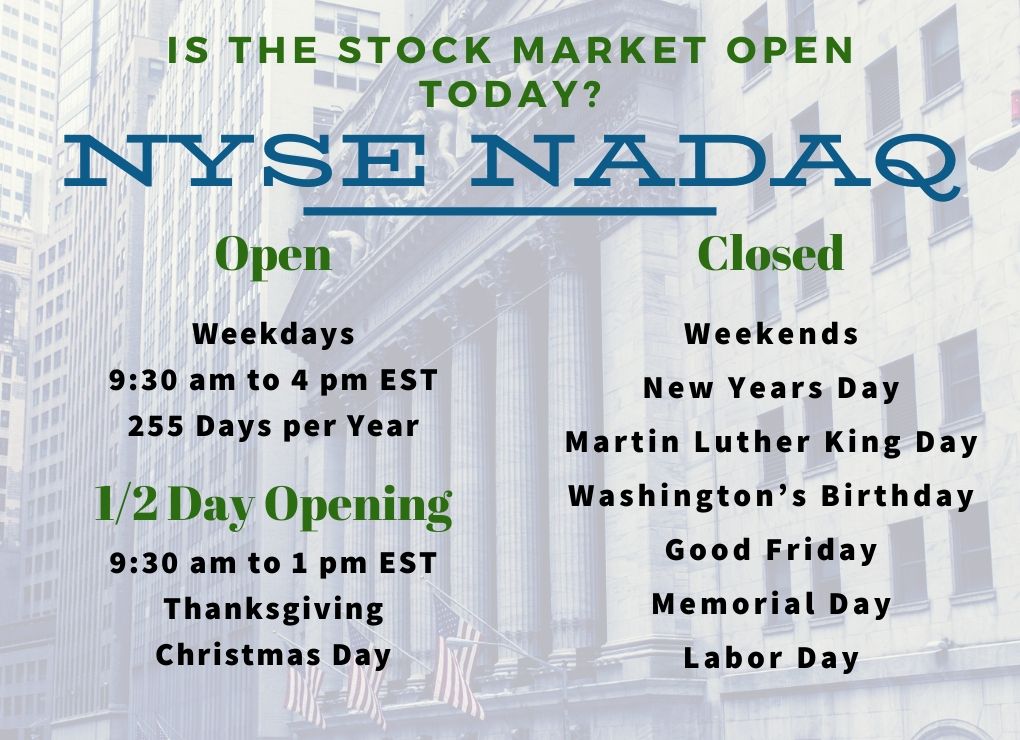
While 4:00 PM ET is the standard, the market does not operate every single weekday. Both the NYSE and Nasdaq observe a schedule of federal holidays, during which the markets are completely closed. These typically include:
- New Year’s Day
- Martin Luther King, Jr. Day
- Presidents’ Day
- Good Friday
- Memorial Day
- Juneteenth National Independence Day
- Independence Day
- Labor Day
- Thanksgiving Day
- Christmas Day
Additionally, there are instances of early market closures, where trading concludes at 1:00 PM ET instead of 4:00 PM ET. These often occur on the day before or after certain holidays, such as the day before Independence Day or the day after Thanksgiving. It is absolutely critical for investors to consult the official calendars published by the NYSE and Nasdaq each year to stay informed of these exceptions. Failing to do so can lead to unexpected delays in trade execution, inability to react to news, or holding positions longer than intended, potentially impacting short-term trading strategies and liquidity needs. Knowing these dates in advance allows investors to plan their trades and adjust their expectations accordingly.
Beyond the Bell: Understanding Extended Trading Hours
The official 4:00 PM ET closing bell signals the end of regular trading, but it certainly doesn’t mean the financial world goes quiet. The advent of electronic communication networks (ECNs) has revolutionized market access, allowing for significant trading activity to occur both before the market opens (pre-market) and after it closes (after-hours). For investors looking to capitalize on breaking news, react to earnings reports, or simply manage their positions outside standard hours, understanding these extended sessions is paramount.
Pre-Market Trading Dynamics
Pre-market trading typically begins as early as 4:00 AM ET and runs until the market opens at 9:30 AM ET. This period is characterized by lower trading volumes and significantly reduced liquidity compared to regular market hours. The participants in pre-market trading are often institutional investors, professional traders, and sophisticated individual investors who have the tools and experience to navigate its unique challenges.
The primary driver for pre-market activity is often overnight news, global market movements, and early corporate announcements, such as earnings reports released before the market open. A company announcing better-than-expected earnings at 7:00 AM ET will likely see its stock react immediately in the pre-market session. While this offers an opportunity to get ahead of the curve, it also comes with increased risks. Lower liquidity means wider bid-ask spreads, making it more expensive to execute trades and potentially leading to significant price volatility with fewer shares traded. A large buy or sell order can have a disproportionate impact on a stock’s price, making it challenging for individual investors to get favorable fills without specialized order types.
After-Hours Trading Implications
After-hours trading picks up where the regular session leaves off, typically running from 4:00 PM ET until 8:00 PM ET. Similar to pre-market, this period is facilitated by ECNs that electronically match buy and sell orders. After-hours trading is often driven by corporate news releases, such as quarterly earnings reports, mergers and acquisitions announcements, or major product launches, which are frequently disseminated after the market closes to allow all investors a chance to digest the information before the next trading day.
The advantages of after-hours trading include the ability to react instantaneously to breaking news, potentially allowing investors to capitalize on immediate price movements before the next market open. For instance, a positive earnings surprise announced at 4:15 PM ET could see a stock price surge in after-hours trading. However, the disadvantages mirror those of pre-market: lower liquidity, wider spreads, and increased volatility. Furthermore, the types of orders available might be limited; most brokers only allow limit orders during extended hours, which execute only at a specified price or better, protecting investors from unfavorable price swings in a low-volume environment. Market orders, which guarantee execution at the current best available price, are generally discouraged or disallowed due to the potential for significant slippage.
Strategic Considerations for Extended Hours Trading
Engaging in extended-hours trading requires a higher degree of caution and strategic planning. For most individual investors, the risks often outweigh the potential rewards due to the aforementioned liquidity and volatility issues. However, for those with a clear understanding of the risks and a specific, well-researched reason to trade, it can be a valuable tool.
- Risk Management: Always use limit orders during extended hours to control your entry and exit prices. Avoid market orders, which can lead to unexpected and unfavorable fills.
- Information Advantage: Extended hours are primarily for reacting to new, actionable information. Don’t trade just for the sake of it. Understand the catalysts.
- Liquidity Awareness: Be acutely aware of the lower liquidity. Small positions can move prices significantly, and it may be difficult to exit a position quickly at a desired price.
- Technological Readiness: Ensure your brokerage platform supports extended-hours trading and that you understand how to place orders correctly within those sessions.
For the majority of long-term investors, monitoring the after-hours action is often more prudent than actively trading. Observing how a stock reacts to news can provide valuable insights into market sentiment, which can then inform decisions made during regular trading hours.
The Global Perspective: How NY’s Close Interacts with World Markets
While the New York stock market’s closing bell signifies the end of the trading day in the United States, it’s merely a baton pass in the continuous global relay of financial activity. The world’s financial markets are profoundly interconnected, operating in a staggered fashion across different time zones, creating a near 24-hour cycle of trading and price discovery. Understanding how NY’s close fits into this global mosaic is crucial for investors with international exposure or those looking to grasp the broader macroeconomic forces at play.
Interconnectedness of Global Exchanges
The major global exchanges include London (LSE), Tokyo (TSE), Shanghai (SSE), Frankfurt (Xetra), and Hong Kong (HKEX), among many others. As the NYSE and Nasdaq conclude their day at 4:00 PM ET, European markets have typically been closed for several hours, having started their day earlier (e.g., London closes at 4:30 PM GMT, which is 11:30 AM ET). Conversely, Asian markets, such as Tokyo and Shanghai, will open several hours after the US close, creating a “handover” effect where news and sentiment from one region can directly influence the opening of the next.
For example, a significant economic announcement from China or an earnings report from a major Japanese tech company, released during US off-hours, can set the tone for the subsequent opening of European and eventually US markets. This interconnectedness means that no market operates in a vacuum; events in London or Tokyo can influence the opening price of a US stock, even if that stock hasn’t traded yet. This continuous flow of information and capital underscores the importance of a global perspective, even when focusing primarily on US equities.
Following the Sun: A 24-Hour Trading World (Forex, Futures)
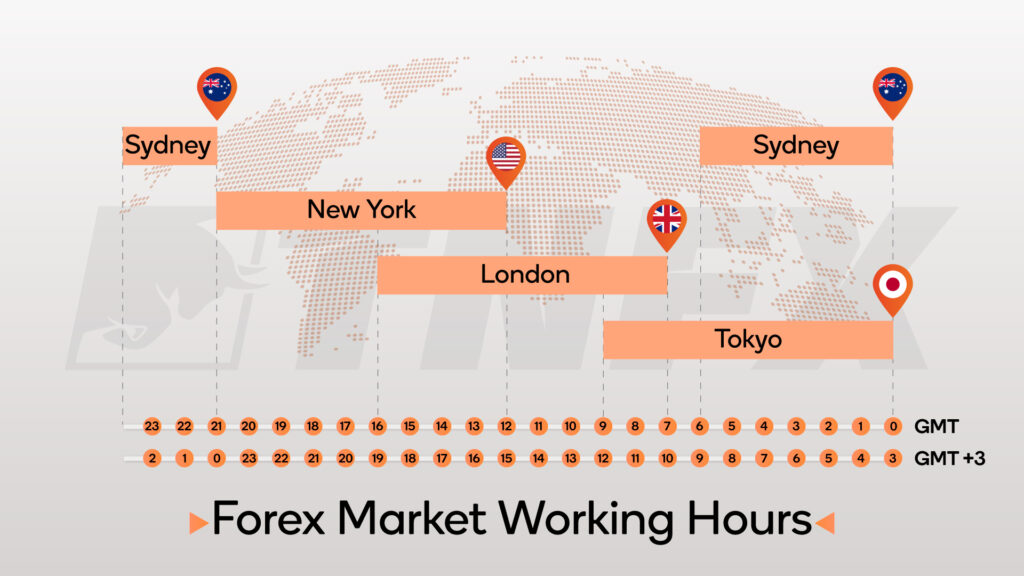
While major equity markets like the NYSE have distinct opening and closing times, certain financial instruments operate on a near 24-hour basis, truly “following the sun” around the globe. The foreign exchange (Forex) market is the most prominent example, operating 24 hours a day, five days a week. Currencies are constantly traded across major financial centers from Sydney to Tokyo, London, and New York. This continuous trading means that currency values are always reacting to global events, and these movements can significantly impact the earnings of multinational corporations, thereby influencing their stock prices when the equity markets open.
Similarly, futures markets, particularly for commodities (oil, gold) and financial indices (S&P 500 futures, Nasdaq 100 futures), also offer extended trading hours. The Chicago Mercantile Exchange (CME) Group, for instance, provides almost 24-hour access to its futures contracts. The prices of these futures contracts often serve as crucial indicators for the sentiment leading into the next day’s US equity market open. A sharp rise or fall in S&P 500 futures during the US overnight session can give a strong hint about how the market will open at 9:30 AM ET. For sophisticated investors, monitoring these 24-hour markets provides an additional layer of insight into developing global trends and their potential impact on their portfolios.
Implications for International Investors and Global Portfolios
For international investors holding US equities or US investors with global portfolios, understanding this global rhythm is critical.
- Time Zone Challenges: Managing investments across multiple time zones requires careful planning and often reliance on automated tools or trusted advisors to execute trades during specific market hours.
- Currency Risk: For non-US investors in US stocks, currency fluctuations can significantly impact returns. The value of the USD against their local currency can add another layer of volatility, entirely separate from the stock’s performance.
- Global ETFs and ADRs: Investors can gain exposure to global markets through US-listed Global Exchange Traded Funds (ETFs) or American Depositary Receipts (ADRs). While these trade during US market hours, their underlying assets are subject to the hours and dynamics of their respective home markets, introducing an indirect influence from global closing times.
Ultimately, the NY stock market’s close is a significant event, but it’s one piece of a much larger, interconnected global financial puzzle. A comprehensive investment strategy must acknowledge and account for these broader global forces.
Strategies for Navigating Market Close and Beyond
The closing bell isn’t just a signal to pack up; it’s a moment of significant strategic importance for investors. The final hours of trading, and the subsequent extended sessions, present unique opportunities and challenges that require careful consideration. By adopting informed strategies, investors can effectively manage risk, capitalize on potential moves, and position their portfolios for success.
Planning Your Trades Around Market Hours
Effective trading begins with a thorough understanding of market hours and how they influence price action.
- Avoid Panic Decisions: The “power hour” (the last hour of trading from 3:00 PM to 4:00 PM ET) can often be volatile as institutional investors adjust positions and day traders close out their books. Avoid making impulsive decisions based on exaggerated moves during this period. Instead, stick to your pre-defined trading plan.
- Market Orders vs. Limit Orders: During regular hours, market orders execute quickly but don’t guarantee a price. Limit orders guarantee a price but not execution. Around the close, with potential volatility, limit orders can be safer to ensure you get your desired price. For extended hours, limit orders are almost always the only sensible option.
- Technical vs. Fundamental Analysis: While fundamental news drives long-term value, short-term price action, especially around the close, can be heavily influenced by technical levels, institutional order flow, and psychological factors. Combine both perspectives to inform your decisions.
- “Good Till Canceled” (GTC) Orders: For positions you want to hold but want to exit if a certain price is hit, GTC orders can be useful to automatically execute outside your active monitoring hours. However, always review such orders regularly, especially after significant news events.
Managing Risk and Volatility at the Close
The end of the trading day can often bring increased volatility and potential for significant price swings.
- The “Closing Price” Significance: The official closing price is crucial. It’s used for valuing mutual funds, ETFs, setting option strike prices, and often informs the next day’s open. Understanding its importance can guide strategies such as “marking the close” (where institutional players may buy or sell to influence the closing price of a stock they hold in large quantities).
- End-of-Day Volatility: Last-minute news, institutional rebalancing, or simply traders covering positions can lead to exaggerated moves. For long-term investors, trying to time these movements is often counterproductive. For short-term traders, careful risk management, including tight stop-losses, is essential.
- Position Sizing: Never overcommit to a position, especially as the market approaches the close or in extended hours. Smaller position sizes allow for greater flexibility and reduce the impact of adverse price movements.
- Cash Management: Ensure you have adequate cash reserves to cover any margin calls or unexpected liabilities that might arise from market movements, particularly when holding positions overnight or through extended sessions.
Leveraging Technology and Information Post-Close
The information flow doesn’t stop at 4:00 PM ET. Technology plays a crucial role in staying informed and prepared for the next trading day.
- Financial News Outlets: Major financial news networks and websites provide continuous coverage of after-hours trading, breaking news, and earnings reports. Stay tuned to these sources to understand the potential drivers of the next day’s market open.
- Charting and Data Analysis Platforms: Utilize your brokerage’s or third-party platforms to analyze after-hours price action, volume, and identify any significant trends or support/resistance levels that form outside regular hours. Many platforms offer extended-hours charts.
- Earnings Calendars and Economic Indicators: Keep a close eye on upcoming earnings announcements and economic data releases scheduled for after-market close or before the next open. These are prime catalysts for extended-hours volatility and can significantly influence the market’s direction.
- Automated Alerts: Set up alerts for specific stock price movements or news events relevant to your holdings. This can help you stay informed without constant manual monitoring, allowing you to react strategically rather than emotionally.
Conclusion
Understanding “what time does the NY stock market close” is far more than knowing a simple time on the clock; it’s about comprehending the intricate rhythms of global finance. The 4:00 PM ET closing bell for the NYSE and Nasdaq marks the end of the standard trading day, a period defined by high liquidity and concentrated activity. However, it simultaneously ushers in the extended trading hours—pre-market and after-hours sessions—which, while offering distinct opportunities, demand a heightened awareness of reduced liquidity and increased volatility.
For every investor, from novice to seasoned professional, a holistic view of market hours, including holidays and early closures, is indispensable. It dictates when trades can be executed, how orders are settled, and how global events reverberate across time zones. By recognizing the interconnectedness of world markets, understanding the unique dynamics of extended trading, and employing disciplined strategies around the market close, investors can enhance their decision-making process. The financial landscape is in constant motion, and while the New York market may take a brief pause, the smart investor remains engaged, informed, and strategically positioned for whatever the next trading day may bring. Continuous learning and adaptation to these market rhythms are key to long-term success in the captivating world of investing.
aViewFromTheCave is a participant in the Amazon Services LLC Associates Program, an affiliate advertising program designed to provide a means for sites to earn advertising fees by advertising and linking to Amazon.com. Amazon, the Amazon logo, AmazonSupply, and the AmazonSupply logo are trademarks of Amazon.com, Inc. or its affiliates. As an Amazon Associate we earn affiliate commissions from qualifying purchases.