
The NC-17 rating, a critical classification within the Motion Picture Association (MPA) film rating system, signifies content deemed unsuitable for anyone 17 and under. More than just a simple age restriction, the NC-17 rating carries profound implications for a film’s brand identity, marketing strategy, distribution channels, and overall commercial viability. For studios and filmmakers, receiving an NC-17 designation is a strategic crossroads, forcing a reassessment of how their cinematic product will be perceived, advertised, and ultimately consumed by its target audience. It immediately positions a film as catering to a highly specific, mature demographic, influencing everything from theatrical rollout to home video branding.
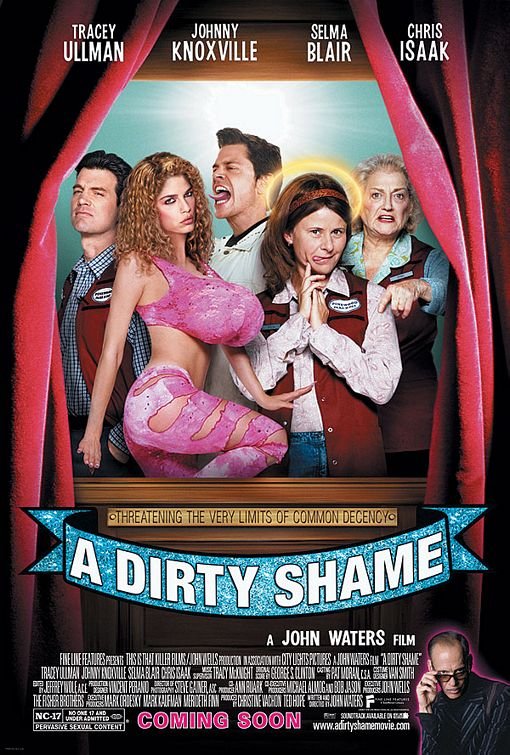
The Genesis and Purpose of the NC-17 Rating
The NC-17 rating was officially introduced in 1990, replacing the problematic ‘X’ rating. The ‘X’ rating, originally intended to denote films with mature content, had become colloquially associated with pornography, diminishing the brand integrity of legitimate artistic films that explored adult themes without being explicit. This misassociation led to significant marketing and distribution hurdles, as many mainstream theaters, newspapers, and broadcast channels refused to engage with ‘X-rated’ content, regardless of its artistic merit.
Evolution from X-Rating
The MPA recognized the need for a clear, distinguishable label that could effectively communicate to parents the unsuitable nature of certain content for minors, while simultaneously providing a legitimate pathway for serious adult dramas, independent films, and foreign cinema to reach their intended audience without the stigma of the ‘X’. The NC-17 rating was designed to be this solution. It explicitly states “No One 17 and Under Admitted,” establishing a firm boundary that is enforced by theaters and distributors. This distinction was crucial for helping films with challenging subject matter maintain a degree of brand respectability and differentiate themselves from the adult entertainment industry.
Protecting Audiences, Informing Consumers
At its core, the NC-17 rating serves a dual purpose: to protect minors from potentially disturbing or inappropriate content and to inform adult consumers about the nature of the film they are considering. From a branding perspective, this acts as a clear signal. For parents, it’s a definitive warning, building trust in the rating system as a reliable guide for family viewing decisions. For adults, it communicates a certain level of thematic maturity or explicit portrayal, which can either be a deterrent or an attraction, depending on their preferences. The MPA’s intent was to create a brand standard for adult content that was distinct, clear, and enforceable, ensuring that studios could still produce challenging work while upholding their responsibility to the broader public.
Understanding the NC-17 Classification: Implications for Brand and Marketing
The NC-17 rating is arguably the most restrictive classification a mainstream film can receive, and its impact on a film’s brand and marketing strategy is immediate and pervasive. Unlike an R-rating, which permits minors with an accompanying adult, NC-17 creates an absolute barrier, fundamentally altering how a film can be advertised and distributed.
Strict Advertising Restrictions
Perhaps the most significant consequence for a film’s brand is the severe limitation placed on its advertising. Media outlets—including television networks, major newspapers, and many online platforms—often refuse to carry advertisements for NC-17 rated films. This poses an immense challenge for a studio or distributor trying to build brand awareness and attract its target audience. Without widespread promotional channels, marketing teams must resort to highly targeted, niche strategies. This might include specialized film festival circuits, direct marketing to mature audiences, or leveraging critics and word-of-mouth within adult film communities. The inability to advertise broadly means the film’s brand cannot penetrate the general public consciousness, often relegating it to a more cult or art-house status from the outset.
Limited Distribution Channels
Beyond advertising, the NC-17 rating significantly curtails a film’s distribution reach. Many major theater chains are hesitant to screen NC-17 films, fearing negative public perception or potential difficulties in enforcing age restrictions, which could impact their family-friendly brand image. This means fewer screens, particularly in multiplexes, pushing NC-17 titles primarily into independent theaters, art-house cinemas, or highly selective limited releases. This constrained distribution directly affects box office potential, making it harder for a film to recoup its investment and establish a strong commercial brand. For a studio, releasing an NC-17 film often means accepting a smaller potential audience and adjusting financial expectations accordingly.
The “Art House” Stigma and Niche Branding
While challenging, the NC-17 rating can also inadvertently contribute to a unique brand identity. For some films and filmmakers, the NC-17 label can align with an “art house” or “edgy” brand, signaling a commitment to uncompromising artistic vision. This niche branding can attract a specific demographic that values challenging, thought-provoking cinema that pushes boundaries. However, this is a double-edged sword: while it might resonate with a critical segment, it simultaneously alienates a much broader, mainstream audience. Studios must carefully weigh whether the “artistic integrity” brand associated with an NC-17 rating is worth the commercial limitations, or if a re-edit for an R-rating would ultimately serve their brand and financial goals better.

The Impact on Filmmakers and Studios
For filmmakers and studios, the prospect of an NC-17 rating is a complex strategic consideration, often balancing creative ambition against commercial realities and brand perception.
Creative Freedom vs. Commercial Viability
Filmmakers often push boundaries to tell stories authentically, exploring themes and using visual language that might trigger an NC-17 rating. For them, receiving this rating can be seen as validation of their uncompromised artistic vision. However, studios, as the primary investors and distributors, must consider the broader brand implications. An NC-17 film, while critically acclaimed, might struggle to achieve widespread commercial success, potentially damaging the studio’s overall brand as a profitable entertainment entity. The internal struggle between supporting artistic freedom and ensuring financial returns is a constant tension, often leading to difficult conversations about content modification.
Strategic Decisions: Re-cuts and Appeals
Upon receiving an initial NC-17 rating, studios have critical decisions to make. They can accept the rating, embracing the niche market and the artistic brand it conveys. Alternatively, they can choose to re-edit the film, often trimming or altering scenes to achieve a less restrictive R-rating. This “re-cut” strategy is a common tactic to broaden a film’s appeal and improve its commercial prospects, but it risks compromising the filmmaker’s original vision and potentially diluting the film’s brand identity. Another option is to appeal the MPA’s decision, presenting arguments for why the film warrants a different rating. These strategic choices are deeply intertwined with a studio’s overall branding—whether they wish to be known for edgy, uncompromising cinema or for commercially successful, broadly accessible entertainment.
Building a Reputation: Brand Identity in Controversial Content
For certain production houses or directors, consistently producing NC-17 rated content can actually become part of their brand identity. They might cultivate a reputation for creating provocative, adult-oriented cinema that challenges norms and explores complex themes without censorship. This deliberate branding strategy attracts a loyal, discerning audience who specifically seek out such content. However, this approach is typically reserved for independent producers or specific imprints within larger studios, as a studio-wide commitment to NC-17 films could have adverse effects on their broader corporate identity and relationships with mainstream distribution partners.
Audience Perception and Market Dynamics
The NC-17 rating also plays a significant role in shaping audience perception and influencing market dynamics for films intended for adult audiences.
Targeting a Mature Demographic
By its very definition, an NC-17 film explicitly targets a mature demographic. This is not just about age, but about an audience segment presumed to be comfortable with, and perhaps even seeking out, content that is graphically violent, sexually explicit, or thematically intense. Marketing efforts, however limited, are thus aimed at connecting with this specific audience, framing the film’s brand around its adult themes, intellectual depth, or controversial nature. For instance, reviews often highlight the “unflinching” or “challenging” aspects, which serve as brand cues for the target demographic.
The Allure of the Forbidden
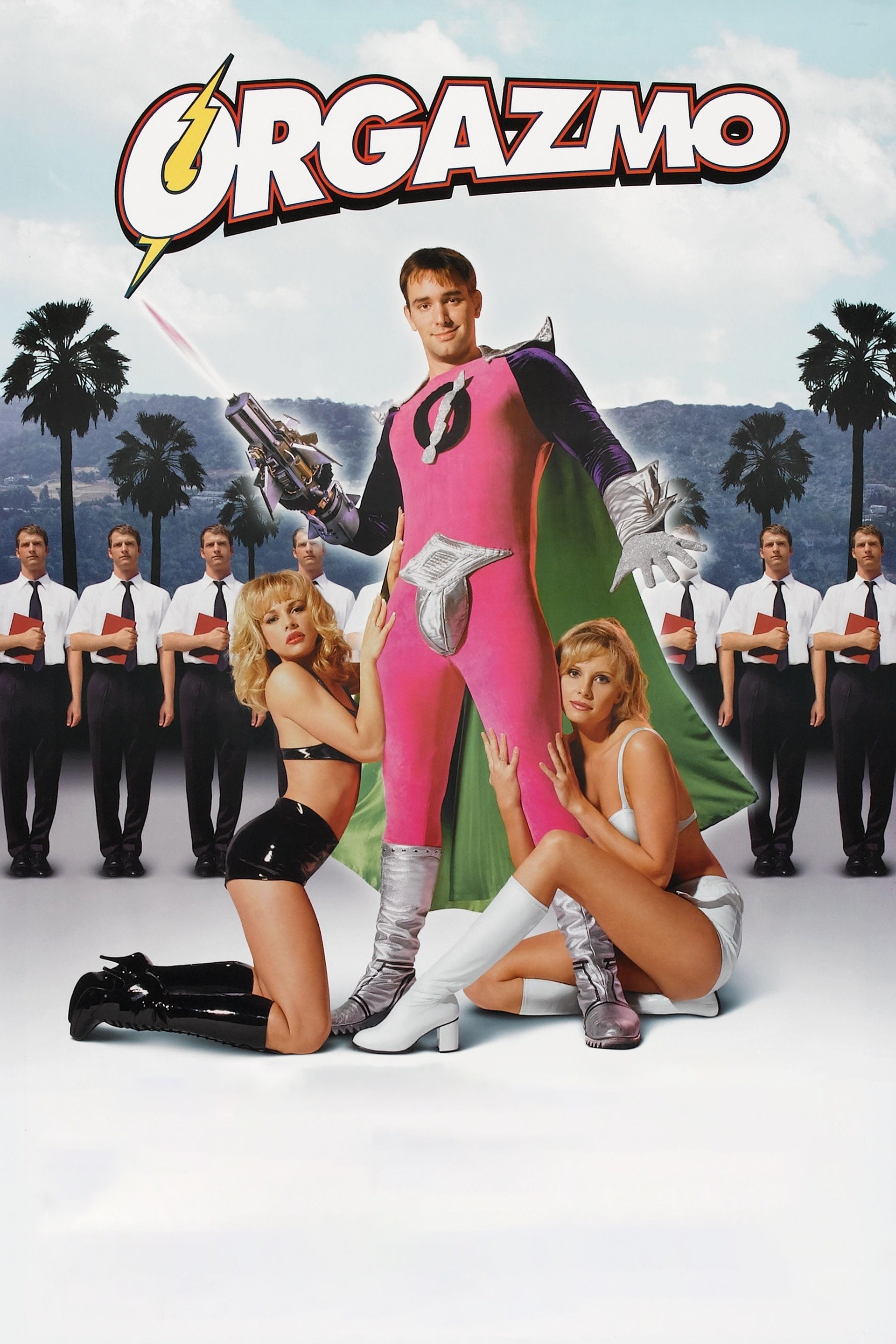
Paradoxically, the NC-17 rating, due to its restrictive nature, can sometimes generate a certain “forbidden fruit” appeal. The controversy surrounding an NC-17 film can create buzz, piquing the curiosity of adults who might otherwise overlook it. This can become an unexpected, albeit uncontrolled, aspect of a film’s brand. The media’s discussion of the rating itself can inadvertently become a form of marketing, positioning the film as something daring or exceptional. However, this allure typically translates into critical interest more often than massive box office success, reinforcing its niche appeal rather than mainstream dominance.
Brand Trust and Parental Guidance
Ultimately, the integrity of the MPA rating system, including NC-17, rests on its ability to provide reliable guidance to consumers. For parents, the NC-17 label is a clear indicator of content that is definitively not for their children, fostering trust in the system’s ability to protect minors. For adults, it defines a category of film where explicit themes and challenging content are paramount. The continued acceptance and understanding of the NC-17 rating helps maintain clarity in the complex landscape of film branding and audience segmentation, allowing studios to communicate the nature of their products effectively, even when those products are designed for a very specific, mature market.
aViewFromTheCave is a participant in the Amazon Services LLC Associates Program, an affiliate advertising program designed to provide a means for sites to earn advertising fees by advertising and linking to Amazon.com. Amazon, the Amazon logo, AmazonSupply, and the AmazonSupply logo are trademarks of Amazon.com, Inc. or its affiliates. As an Amazon Associate we earn affiliate commissions from qualifying purchases.