
For the modern investor, the question “What time does the market open?” is rarely as simple as checking a single clock. While a retail trader in New York might look for the 9:30 AM bell, the global financial ecosystem is a 24-hour engine fueled by shifting time zones, electronic communication networks (ECNs), and the overlapping sessions of international hubs. Understanding these timings is not merely a matter of logistics; it is a fundamental component of a sophisticated investment strategy. Timing influences liquidity, volatility, and the “spread” between buy and sell prices, all of which directly impact the profitability of a trade.
The North American Standard: Navigating the NYSE and NASDAQ
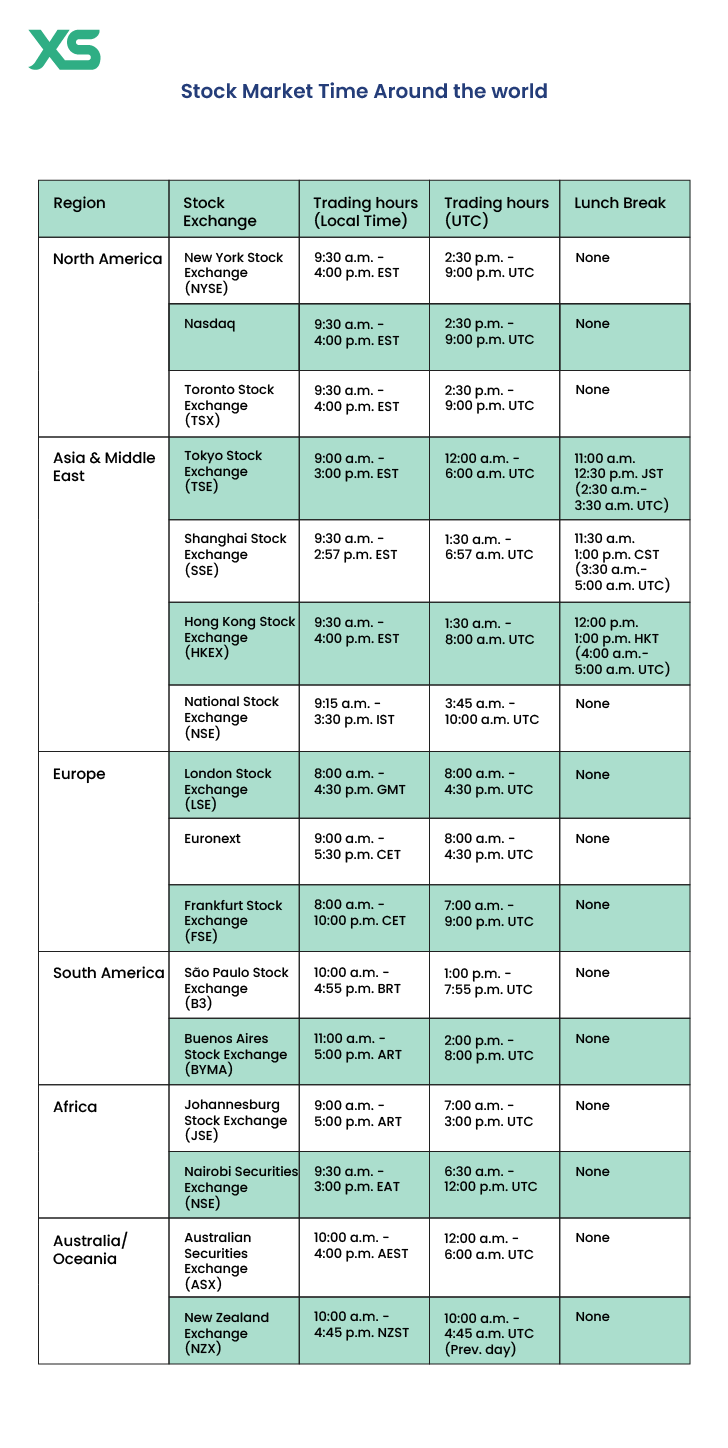
In the world of personal finance and institutional investing, the United States markets—specifically the New York Stock Exchange (NYSE) and the NASDAQ—serve as the primary benchmarks for global equity performance. For most investors, the standard trading session runs from 9:30 AM to 4:00 PM Eastern Time (ET), Monday through Friday. This window represents the period of highest liquidity, where the majority of retail and institutional volume is executed.
Pre-Market and After-Hours Trading Sessions
While the “official” bell rings at 9:30 AM, the digital nature of modern finance allows for extended-hours trading. Pre-market trading in the U.S. typically begins as early as 4:00 AM ET and runs until the market opens. Conversely, after-hours trading begins at 4:00 PM ET and can continue until 8:00 PM ET.
Investing during these extended windows offers a distinct set of risks and rewards. Because there are fewer participants, liquidity is significantly lower, which can lead to extreme price swings. However, these sessions are critical for investors looking to react to quarterly earnings reports or breaking economic news that occurs outside of standard hours. For the disciplined investor, understanding these sessions is essential for managing “gap” risk—the price difference between where a stock closed one day and where it opens the next.
The Significance of the Opening and Closing Cross
The very first and last moments of the trading day are governed by a process known as the “cross.” At 9:30 AM, the opening cross centralizes all buy and sell orders to establish a single opening price. This prevents the chaos of thousands of disjointed trades and provides a transparent starting point for the day. Similarly, the closing cross at 4:00 PM determines the official daily closing price used for mutual fund valuations and index tracking. Understanding this mechanism helps investors realize why prices often jump or settle significantly in the final seconds of the day.
A Tour of Global Exchanges: Trading Across Time Zones
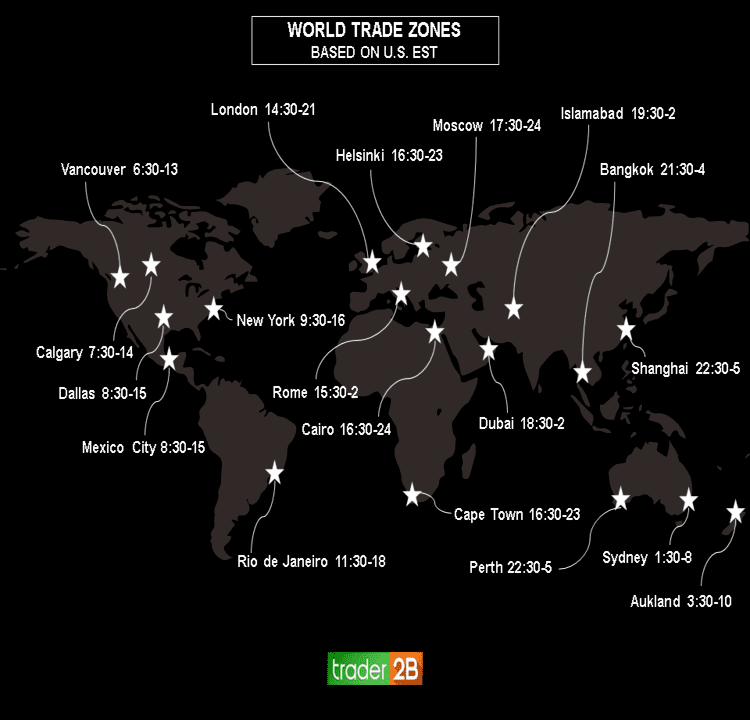
The sun never truly sets on the global financial markets. As one region winds down, another is just beginning its session, creating a continuous cycle of price discovery. For a diversified portfolio, keeping an eye on international hours is vital, as developments in London or Tokyo frequently dictate the opening sentiment for U.S. stocks.
The European Powerhouses
The London Stock Exchange (LSE) is the crown jewel of European finance. It typically operates from 8:00 AM to 4:30 PM Greenwich Mean Time (GMT). Other major European hubs, such as the Euronext Paris and the Frankfurt Stock Exchange (DAX), follow similar schedules, usually opening at 9:00 AM Central European Time (CET).
For American investors, the “overlap” period—the window between 8:00 AM and 11:30 AM ET when both European and U.S. markets are active—is often the most volatile and liquid time of the day. This is when global macroeconomic trends are most acutely felt, as news from both continents is processed simultaneously by the market.
The Asian-Pacific Surge
The Asian trading day begins with the Tokyo Stock Exchange (TSE), which operates from 9:00 AM to 3:00 PM local time, notably including a lunch break from 11:30 AM to 12:30 PM. This mid-day pause is a unique feature of several Asian exchanges, including the Hong Kong Stock Exchange (HKEX) and the Shanghai Stock Exchange.
The Asian session is often the first to react to news that breaks during the U.S. evening. For instance, if a major U.S. tech company releases poor guidance at 5:00 PM ET, the impact will first be seen in the Nikkei or the Hang Seng before the NYSE ever opens the following morning.
The Psychology and Strategy of Market Openings

The opening hour of the stock market is often referred to as “amateur hour” by seasoned professionals, though not for the reason one might think. It is a period characterized by intense emotional trading as retail investors react to overnight news, leading to high volatility and unpredictable price action.
The Phenomenon of Opening Volatility
During the first 30 to 60 minutes after the market opens, price swings are typically at their widest. This is caused by a massive influx of orders that have accumulated overnight. For the strategic investor, this volatility can be a double-edged sword. While it provides opportunities for quick gains, it also carries a higher risk of “slippage”—where your order is executed at a price significantly different from what you expected.
Many institutional investors wait for the “initial balance” (the range established in the first hour) to be set before committing large amounts of capital. By waiting until 10:30 AM ET, the “noise” of the opening bell often subsides, revealing the true trend for the day.
Price Discovery and Overnight Sentiment
The market opening is the ultimate test of “price discovery.” If a company releases positive news overnight, the market must decide how much that news is worth the moment the bell rings. This is why we see “gaps up” or “gaps down.” Understanding the opening time allows an investor to evaluate if a gap is an overreaction or a legitimate shift in valuation. Strategic investors often use “limit orders” during the open rather than “market orders” to ensure they don’t get swept up in the opening minute’s price spikes.
Critical Factors Influencing Market Timing
Beyond the standard Monday-through-Friday schedule, several variables can shift the “open” time or affect the market’s behavior. A successful money management strategy requires an awareness of these nuances.
Economic Calendars and Reports
In the United States, the Department of Labor and other agencies often release critical data—such as the Consumer Price Index (CPI) or Non-Farm Payrolls—at 8:30 AM ET. This is exactly one hour before the market opens. These reports can cause massive fluctuations in index futures (standardized contracts that track the market). Consequently, even though the market hasn’t “opened” yet for individual stocks, the direction of the day is often decided by these 8:30 AM releases.
The Impact of Daylight Savings and Holidays
Not every country moves its clocks on the same day. This creates a few weeks each year where the time difference between New York and London shifts, altering the overlap period. Furthermore, different markets have different holiday schedules. For example, while U.S. markets are closed for Thanksgiving, European and Asian markets remain open. This can lead to “thin” trading days where global volume is low, making the markets more susceptible to sudden moves.
Best Practices for the Modern Investor
Knowing what time the market opens is the first step, but knowing how to behave during those hours is what builds long-term wealth. Professional finance is about discipline and the mitigation of unforced errors.
Setting Realistic Expectations
One of the most common mistakes side-hustle investors make is trying to trade the opening bell while distracted by their primary job. Because the first 30 minutes require intense focus and quick decision-making, it is often better for part-time investors to place trades during the “mid-day lull” (between 12:00 PM and 2:00 PM ET) when prices are more stable.
Utilizing Automation and Alerts
In a globalized market, you cannot be awake for every opening bell. Using financial tools to set price alerts or automated stop-loss orders allows your portfolio to react to global market openings even while you sleep. For instance, an investor holding international ETFs might set a “trailing stop” to protect profits in case a sudden downturn in the Asian markets triggers a sell-off before the U.S. markets open.
Conclusion: Time as an Asset
In the realm of money and investing, time is more than a measurement; it is an asset class. By understanding the specific opening times of global exchanges, the mechanics of extended-hours trading, and the psychological cycles of the trading day, you transition from a reactive participant to a proactive strategist.
Whether you are managing a personal retirement account or seeking to generate active income through shorter-term trades, the “when” of your investment is just as vital as the “what.” The market opening is the daily reset of the world’s collective value judgment—knowing exactly when that happens gives you the clarity to act when others are merely reacting.
aViewFromTheCave is a participant in the Amazon Services LLC Associates Program, an affiliate advertising program designed to provide a means for sites to earn advertising fees by advertising and linking to Amazon.com. Amazon, the Amazon logo, AmazonSupply, and the AmazonSupply logo are trademarks of Amazon.com, Inc. or its affiliates. As an Amazon Associate we earn affiliate commissions from qualifying purchases.