
The sound of the ringing bell on the floor of the New York Stock Exchange is one of the most iconic symbols of global commerce. For decades, it has signaled the start and end of a daily financial drama where trillions of dollars change hands. However, for the modern investor, the answer to the question “what time does the market close?” is more complex than a single timestamp. In an era of high-frequency trading, globalized portfolios, and 24-hour digital access, understanding the nuances of market hours is a fundamental pillar of successful personal finance and institutional investing.
Timing is not merely a matter of convenience; it is a critical factor in liquidity, volatility, and price discovery. Whether you are a retail investor managing a retirement account or a day trader looking for intraday swings, knowing when the curtains fall on the world’s major exchanges—and what happens after they do—is essential for protecting your capital and optimizing your returns.
Major Global Exchanges and Their Operating Hours
To understand when the market closes, one must first identify which market they are trading. While the financial world is interconnected, it operates on a relay system across different time zones, starting in Asia, moving through Europe, and concluding in the Americas.
The Powerhouses: NYSE and NASDAQ
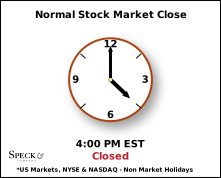
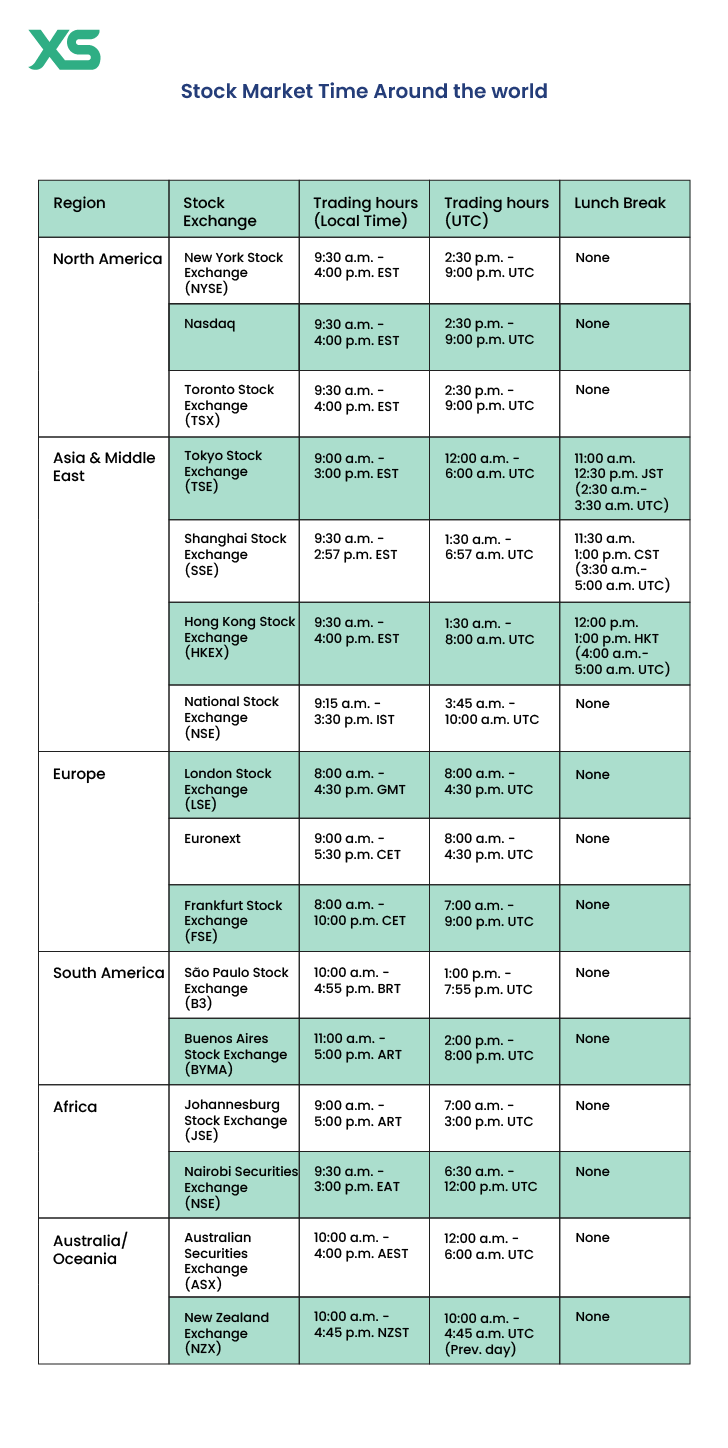
For most investors in the Western Hemisphere, “the market” refers to the New York Stock Exchange (NYSE) and the NASDAQ. Both of these major US exchanges follow a standard schedule. They open at 9:30 AM Eastern Time (ET) and officially close at 4:00 PM ET. These hours are designed to concentrate liquidity, ensuring that there are enough buyers and sellers to facilitate smooth transactions. The 4:00 PM “closing bell” triggers the closing auction, a highly regulated process where the final prices of the day are determined.
European Markets: The LSE and Euronext
The European markets bridge the gap between the Asian and American sessions. The London Stock Exchange (LSE) is the primary hub, operating from 8:00 AM to 4:30 PM Greenwich Mean Time (GMT). Unlike the US markets, which run for six and a half hours, European sessions tend to be slightly longer, often spanning eight and a half hours. Other major entities, such as the Euronext (Paris, Amsterdam, Brussels), generally align with these hours, closing at 5:30 PM Central European Time (CET).
Asian Markets: The Early Movers
The trading day begins in Asia. The Tokyo Stock Exchange (TSE) operates from 9:00 AM to 3:00 PM Japan Standard Time (JST). A unique feature of many Asian markets, including Tokyo, Hong Kong, and Shanghai, is the “lunch break.” For example, the Tokyo exchange pauses for an hour between 11:30 AM and 12:30 PM. This mid-day break is a relic of older trading traditions but remains a period where liquidity drops significantly before the afternoon session resumes.
Beyond the Closing Bell: After-Hours and Pre-Market Trading
While the official closing bell rings at 4:00 PM ET in the United States, the digital heart of the market never truly stops beating. Electronic Communication Networks (ECNs) allow investors to continue trading long after the physical or primary exchange floor has gone dark.
Understanding Extended Trading Sessions
Extended-hours trading is divided into two segments: pre-market and after-hours. In the US, pre-market trading typically occurs from 4:00 AM to 9:30 AM ET, while after-hours trading runs from 4:00 PM to 8:00 PM ET. These sessions allow investors to react immediately to news that breaks outside of standard hours, such as quarterly earnings reports, geopolitical events, or unexpected economic data.
The Risks and Rewards of Late-Night Trading
Trading after the market closes offers the advantage of speed, but it comes with significant risks that the average investor must consider. The most prominent risk is reduced liquidity. Because there are fewer participants, the “bid-ask spread”—the difference between the price a buyer is willing to pay and a seller is willing to accept—widens significantly. This can lead to “slippage,” where an order is executed at a much worse price than intended. Furthermore, price volatility is often much higher during these sessions, as a single large trade can move the needle more easily than during the high-volume regular session.
The Role of ECNs in After-Hours Access
Electronic Communication Networks have democratized access to the markets. In the past, only institutional giants could trade after hours. Today, most major brokerages offer retail clients the ability to participate in extended sessions. However, these trades are often limited to “limit orders” to protect investors from the extreme price swings mentioned above. Understanding how your specific brokerage handles after-hours execution is a vital component of a modern financial strategy.
Market Holidays and Early Closures
The financial calendar is not a standard Monday-through-Friday grind. Various cultural, national, and religious holidays dictate when the market will be closed entirely or when it will shutter its doors early.

US Federal Holidays and Trading Breaks
In the United States, the stock market follows a schedule that largely aligns with federal holidays, but with some exceptions. The market is closed on New Year’s Day, Martin Luther King Jr. Day, Presidents’ Day, Good Friday, Memorial Day, Juneteenth, Independence Day, Labor Day, Thanksgiving, and Christmas. It is important to note that if a holiday falls on a weekend, the market usually closes on the Friday before or the Monday after.
Half-Day Sessions: The Modified Schedule
There are specific days when the market closes early, usually at 1:00 PM ET. This typically occurs on the day after Thanksgiving (Black Friday) and on Christmas Eve (if it falls on a weekday). These shortened sessions are notorious for low volume. Many institutional traders take these days off, leaving the market prone to erratic movements or, conversely, total stagnation. For the personal investor, these are often days where it is best to step back and avoid forced trades.
The Global Ripple Effect of Regional Holidays
In a globalized economy, a holiday in one region can have “shadow” effects on others. For instance, when the US market is closed for Thanksgiving, liquidity in the European and Asian markets often thins out during what would normally be the US overlap period. This interdependency means that even if your local market is open, you must be aware of the schedules of the world’s major financial hubs to understand why the price action might be behaving unusually.
The Strategic Importance of Market Timing
For those focused on business finance and wealth management, the “closing time” is more than just a deadline; it is a tactical window. The final hour of trading, often referred to as the “Power Hour,” is one of the most significant periods for price action.
The Closing Auction and Price Discovery
The final minutes of the trading day are dedicated to the “closing cross” or “closing auction.” This is a process where the exchange matches all buy and sell orders to find a single price that clears the maximum volume of shares. For institutional investors and mutual funds, the “closing price” is the benchmark used to value their portfolios (Net Asset Value or NAV). Because of this, a massive influx of orders often hits the market at exactly 4:00 PM, making it a period of intense activity and importance.
High-Frequency Trading (HFT) and Volatility at the Close
Modern markets are dominated by algorithms. High-frequency trading firms use the market close to square their positions or execute complex arbitrage strategies. This can result in “painting the tape,” where prices move sharply in the final seconds. Professional investors often caution against placing “market orders” at the very end of the day, as the volatility can lead to execution at sub-optimal prices.
Strategies for Long-Term Investors vs. Day Traders
Your relationship with the market’s closing time should depend on your investment horizon. Long-term “buy and hold” investors may find it beneficial to ignore the daily closing noise entirely, focusing instead on weekly or monthly trends. Conversely, day traders must be acutely aware of the clock, as they usually aim to close all positions before the bell to avoid “overnight risk”—the danger of a stock gapping down in price before the next morning’s open due to news that breaks while the market is closed.
Tools and Resources for Tracking Market Schedules
In the fast-paced world of finance, relying on memory is a recipe for error. Fortunately, technology provides various tools to ensure you are never caught off guard by a market close or a holiday.
Financial Apps and Real-Time Alerts
Most modern trading platforms and financial news apps (such as Bloomberg, CNBC, or Yahoo Finance) provide real-time countdowns to the market open and close. Setting up push notifications for “market wrap-ups” can help you stay informed about the final price movements of the day without having to watch the ticker constantly.
Global Time Zone Converters for Traders
If you are diversifying your portfolio with international stocks, a time zone converter is an essential tool. Managing a portfolio that includes assets in London, New York, and Hong Kong requires a “macro” view of the world clock. Tools like the “World Market Clock” allow you to see at a glance which markets are currently in their “golden hours”—the periods where sessions overlap (such as the London/New York overlap from 8:00 AM to 12:00 PM ET), which typically offer the highest liquidity and best trading opportunities.
Conclusion: Respecting the Clock in Wealth Building
Understanding what time the market closes is one of the first lessons in financial literacy, but mastering the implications of that timing is a lifelong endeavor. The closing bell represents a transition from the public, transparent auction of the day to the more opaque, volatile world of extended-hours trading.
For the disciplined investor, the close of the market is a time for reflection and data analysis. It is a moment to step back from the emotional fluctuations of the intraday charts and look at the broader health of one’s portfolio. By respecting the operating hours of global exchanges and understanding the mechanics of the “final bell,” you can better navigate the complexities of the financial world, ensuring that your investment decisions are timed for maximum efficiency and long-term success. Whether you are seeking a side hustle through active trading or building a multi-generational legacy through personal finance, remember: in the market, time is just as valuable as money.
aViewFromTheCave is a participant in the Amazon Services LLC Associates Program, an affiliate advertising program designed to provide a means for sites to earn advertising fees by advertising and linking to Amazon.com. Amazon, the Amazon logo, AmazonSupply, and the AmazonSupply logo are trademarks of Amazon.com, Inc. or its affiliates. As an Amazon Associate we earn affiliate commissions from qualifying purchases.