
For investors living in the Central Time (CT) zone, managing a portfolio requires a constant mental translation of Eastern Time (ET) schedules. Because the major US stock exchanges—the New York Stock Exchange (NYSE) and the NASDAQ—are physically located in New York, the financial world operates primarily on Eastern Time. For those in cities like Chicago, Dallas, or Nashville, this means the rhythm of the trading day starts and ends an hour earlier than the standard 9-to-5 corporate window.
The short answer is that the stock market closes at 3:00 PM Central Time.
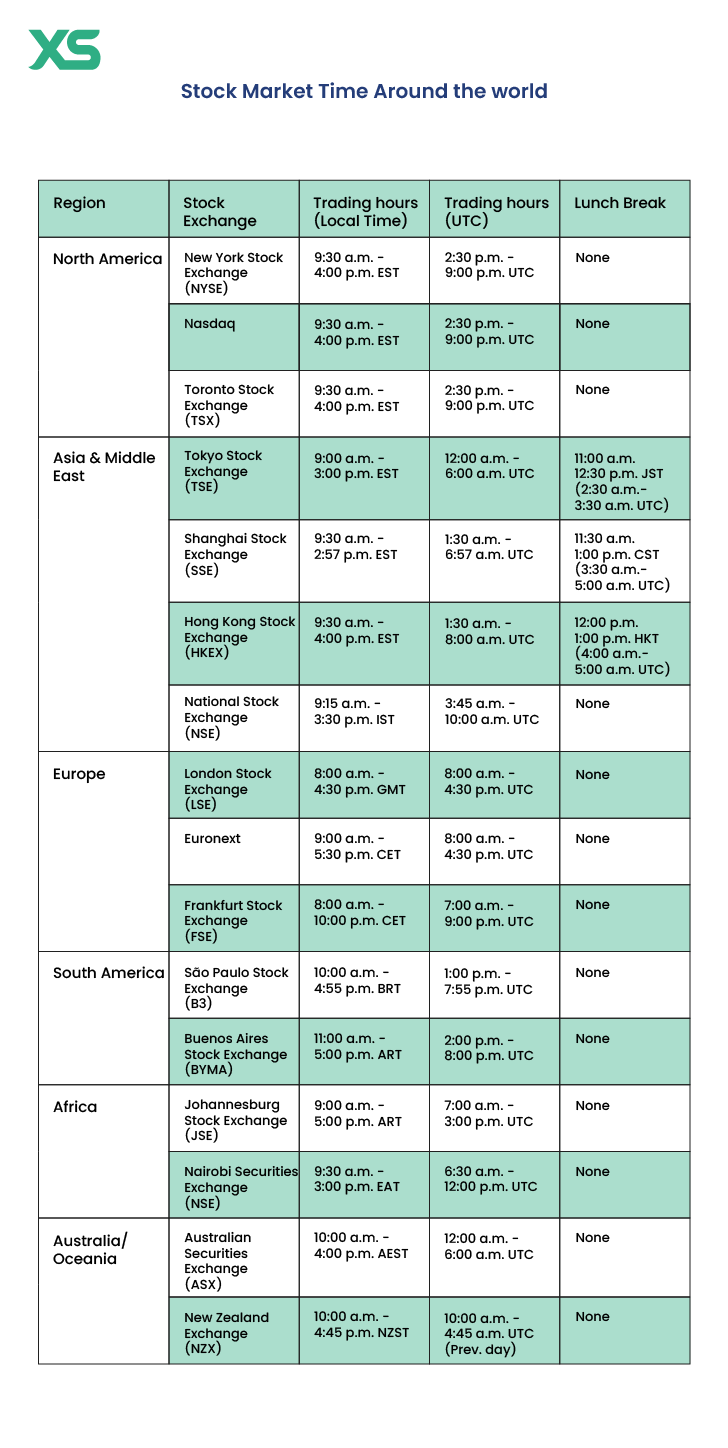
However, understanding the closing time is only the beginning of a successful trading strategy. To navigate the markets effectively, an investor must understand the nuances of the closing bell, the “power hour” that precedes it, and the extended-hours trading that occurs once the floor technically shuts down. In the world of finance, timing is not just a logistical detail; it is a fundamental component of liquidity, volatility, and opportunity.
The Standard Trading Day in Central Time
The regular trading session for the US stock market is a six-and-a-half-hour window of high-volume activity. For residents in the Central Time zone, this window opens at 8:30 AM and closes at 3:00 PM.
The Core Session (8:30 AM – 3:00 PM CT)
During these hours, the market experiences its highest levels of liquidity. Liquidity refers to the ease with which an asset can be bought or sold without affecting its price. For retail investors, this is the safest and most efficient time to execute trades. Market makers are active, bid-ask spreads are generally at their narrowest, and price discovery is at its most transparent.
The 3:00 PM CT close is a hard deadline for “market-on-close” (MOC) orders. These are orders executed as close to the closing price as possible. Institutional investors, such as mutual funds and pension funds, frequently use these orders to rebalance their portfolios, leading to a massive surge in volume during the final minutes of the session.
The Significance of the Closing Bell
The 3:00 PM CT closing bell is more than just a ceremonial end to the day. It represents the official “closing price” of a security, which is the benchmark used by analysts, news outlets, and historical databases to track performance. This price is determined through a “closing auction,” a complex process where the exchange matches buy and sell orders to find the single price that maximizes the number of shares traded. For an investor in Mid-America, being aware of this 3:00 PM cutoff is vital for managing end-of-day risk.
The Significance of the Central Time Zone in Global Finance
While New York is the undisputed capital of the stock market, the Central Time zone holds its own unique prestige in the financial world, largely due to Chicago. The city is home to the Chicago Mercantile Exchange (CME) and the Chicago Board Options Exchange (CBOE), making the Central Time zone the global epicenter for derivatives, futures, and options trading.
The “Chicago Advantage”
For traders living in the Central Time zone, the day often begins well before the 8:30 AM stock market open. The futures markets, which trade almost 24 hours a day, provide a “look ahead” at how the stock market is likely to open. Because the CME operates in the same time zone, Central Time investors often find themselves perfectly positioned to bridge the gap between the pre-market futures sentiment and the actual stock market execution.
Furthermore, the 3:00 PM CT close aligns perfectly with the end of many standard workdays, allowing professional and retail traders alike to conduct their final trades before transitioning into evening activities. This “one-hour-early” shift compared to the East Coast can be a lifestyle advantage, providing more time for post-market analysis before the day ends.
Global Market Overlap
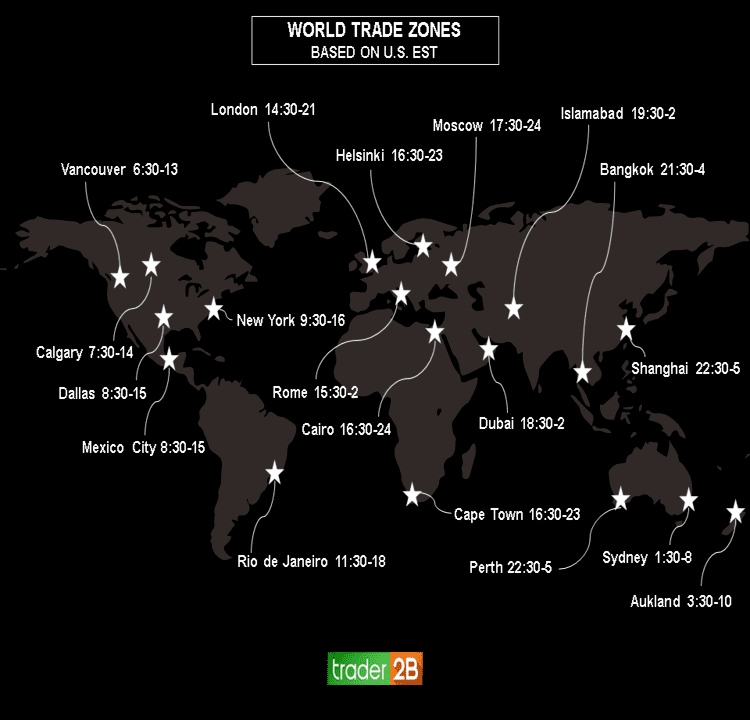
Central Time investors also have to manage the overlap with international markets. When the US markets open at 8:30 AM CT, the European markets (such as the London Stock Exchange) are typically midway through their afternoon sessions. This overlap often creates a spike in volatility and volume during the early morning hours in the Central US, as global news is integrated into US equity prices.

Mastering the “Power Hour”: Trading the Final 60 Minutes
In the financial community, the final hour of trading—from 2:00 PM to 3:00 PM Central Time—is known as the “Power Hour.” This is often the most volatile and high-volume period of the day.
Why Volatility Spikes Before 3:00 PM CT
Several factors contribute to the intensity of the Power Hour:
-
Institutional Rebalancing: Large funds often wait until the end of the day to execute large blocks of trades to ensure they get a price close to the daily average or the official closing price.
-
Day Trader Exit: Traders who do not wish to hold positions overnight must liquidate their holdings before the 3:00 PM CT close to avoid the risks associated with after-hours price swings.
-
Options Expiration: On “Triple Witching” days (the third Friday of March, June, September, and December), the expiration of various options and futures contracts leads to explosive volume during the final hour of trading.
Strategies for the Power Hour
For the disciplined investor, the Power Hour offers both risk and reward. Some traders look for “closing momentum,” where a stock that has been trending up all day sees an extra push as latecomers jump in before the bell. Others look for “reversals,” where a stock that has been overextended during the day begins to pull back as traders take profits. Regardless of the strategy, if you are operating in Central Time, you must have your final decisions made and orders staged by 2:45 PM to ensure smooth execution before the 3:00 PM deadline.
Extended Hours Trading: Life After 3:00 PM CT
Just because the floor of the NYSE closes at 3:00 PM CT doesn’t mean trading stops. Electronic Communication Networks (ECNs) allow for after-hours trading, which typically lasts from 3:00 PM until 7:00 PM Central Time.
The Mechanics of After-Hours Trading
After-hours trading allows investors to react to news that breaks after the market closes, such as quarterly earnings reports or major geopolitical events. However, the environment after 3:00 PM CT is vastly different from the regular session.
-
Lower Liquidity: There are fewer participants, which means it can be harder to buy or sell shares at your desired price.
-
Wider Spreads: Because there is less volume, the difference between the buy (bid) and sell (ask) prices can be significantly larger, often leading to “slippage” where you pay more than expected.
-
Price Volatility: With fewer shares being traded, a single large order can move a stock’s price dramatically.
Earnings Season and the Central Time Schedule
Earnings season is the most active time for after-hours trading. Most major corporations release their financial results either immediately before the 8:30 AM CT open or shortly after the 3:00 PM CT close. For an investor in the Central Time zone, this means the period from 3:05 PM to 4:00 PM is often a flurry of activity, as stock prices react violently to revenue beats or misses.
Holiday Schedules and Special Early Closing Times
It is important for investors to note that the 3:00 PM CT closing time is not universal for every day of the year. The US market observes several holidays, and on certain days—typically the day before or after a major holiday—the market participates in an “early close.”
The 12:00 PM CT Early Close
On specific days, such as the day after Thanksgiving (Black Friday) or Christmas Eve (if it falls on a weekday), the stock market closes early at 1:00 PM ET. For those in the Central Time zone, this moves the closing bell to 12:00 PM CT.
Missing an early close can be a costly mistake, especially for traders who utilize margin or have expiring options. It is a best practice at the start of every year to sync your financial calendar with the NYSE holiday schedule, adjusting every time for the one-hour difference inherent to the Central Time zone.
Market Holidays
The market remains completely closed on major US holidays, including:
-
New Year’s Day
-
Martin Luther King, Jr. Day
-
Presidents’ Day
-
Good Friday
-
Memorial Day
-
Juneteenth National Independence Day
-
Independence Day
-
Labor Day
-
Thanksgiving Day
-
Christmas Day
During these days, while the stock market is silent, global markets may still be active. For the savvy investor, these “off days” are often used for deep-dive research and adjusting long-term strategies without the distraction of minute-by-minute price fluctuations.
By aligning your trading habits with the 8:30 AM to 3:00 PM CT window, you can take full advantage of the market’s liquidity while respecting the unique logistical requirements of the Central Time zone. Whether you are a long-term value investor or an active day trader, mastering the clock is just as important as mastering the charts.
aViewFromTheCave is a participant in the Amazon Services LLC Associates Program, an affiliate advertising program designed to provide a means for sites to earn advertising fees by advertising and linking to Amazon.com. Amazon, the Amazon logo, AmazonSupply, and the AmazonSupply logo are trademarks of Amazon.com, Inc. or its affiliates. As an Amazon Associate we earn affiliate commissions from qualifying purchases.