
When millions of Americans ask, “What time does the Macy’s parade start?” they aren’t just looking for a television schedule; they are signaling the beginning of the most critical fiscal quarter for the American retail industry. At exactly 9:00 AM EST, the Macy’s Thanksgiving Day Parade kicks off, but the branding machinery behind this spectacle begins years in advance.
For nearly a century, Macy’s has successfully transformed a simple corporate promotion into a cultural institution. This is not merely a parade; it is a masterclass in brand strategy, corporate identity, and long-term marketing equity. To understand the “start time” of the parade is to understand the precise synchronization of a brand positioning itself at the very heart of the American family experience.
The Evolution of a Legacy: From Local Celebration to Global Brand Authority
The Macy’s Thanksgiving Day Parade did not begin as the televised behemoth we see today. Its origins in 1924 were rooted in a very specific brand objective: employee engagement and community visibility.
Building Cultural Capital
In the early 20th century, Macy’s employees, many of whom were first-generation immigrants, wanted to celebrate their new American heritage with a festival reminiscent of European traditions. By supporting this, Macy’s didn’t just gain a parade; they gained “cultural capital.” They moved the brand from being a “place to buy goods” to a “facilitator of American tradition.” This transition is the holy grail of brand strategy—moving from a utility to a lifestyle necessity.
The Power of Association
The parade’s survival and growth through the Great Depression and World War II solidified its brand identity as a symbol of resilience. When a brand can successfully associate itself with national stability and joy during periods of crisis, it builds an indestructible layer of brand equity. By the time the parade was immortalized in the 1947 film Miracle on 34th Street, the Macy’s brand was no longer just a retailer; it was a protagonist in the American story.
The Logistics of Visibility: How Macy’s Owns the “Holiday Window”
The question of “what time the parade starts” is a testament to the brand’s ability to dominate a specific time slot in the consumer’s mind. By consistently starting at 9:00 AM, Macy’s has claimed ownership over the Thanksgiving morning “pre-game” ritual.
The NBC Partnership and Media Rights
Since 1952, Macy’s has partnered with NBC to broadcast the event. This exclusive media partnership is a lesson in strategic brand alignment. By controlling the broadcast, Macy’s ensures that the brand’s visual identity—the iconic red star—is the primary focus for three hours of commercial-free (or brand-integrated) entertainment. This is “appointment viewing” in an age of fragmented digital media, a rare feat that keeps the brand relevant across generations.
Controlling the Narrative through Pacing
The parade is meticulously choreographed to build momentum. From the opening Broadway performance to the final appearance of Santa Claus, the “start time” initiates a narrative arc. For marketers, this is a lesson in “brand storytelling.” Macy’s doesn’t just show you balloons; they tell a story of magic, wonder, and the transition into the Christmas shopping season. The arrival of Santa at the end of the parade at approximately noon is the official brand signal that the “buying season” has commenced.

Strategic Partnerships and the “Platformization” of the Parade
One of the most sophisticated aspects of the Macy’s brand strategy is how they have turned the parade into a platform for other brands. This “brand-on-brand” ecosystem creates a massive network effect that benefits all involved.
Curating the Balloon Lineup
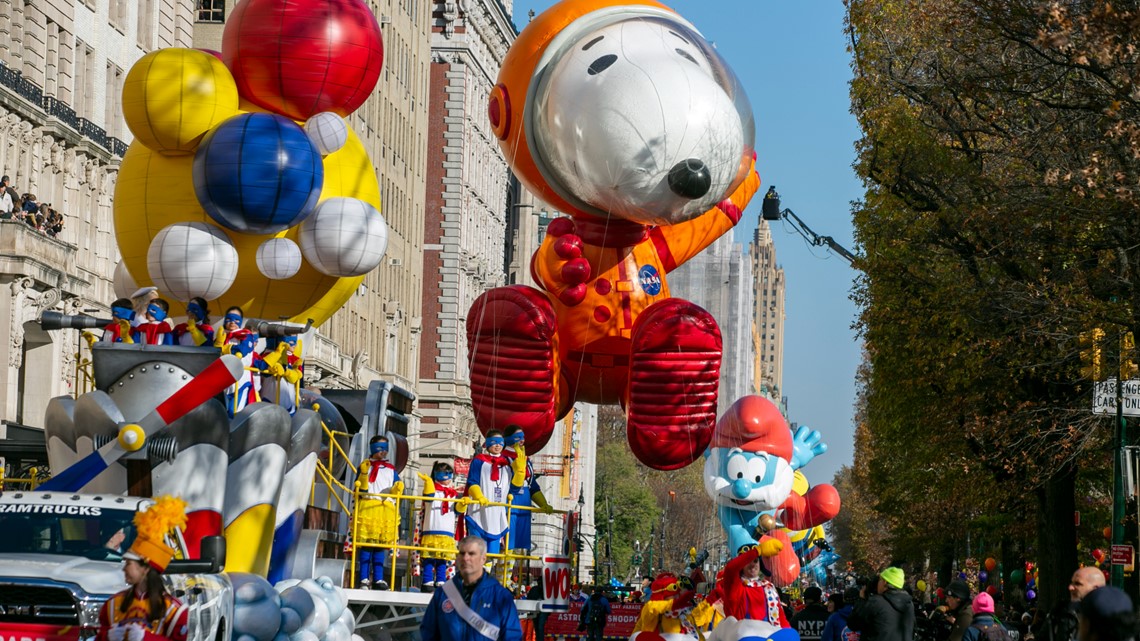
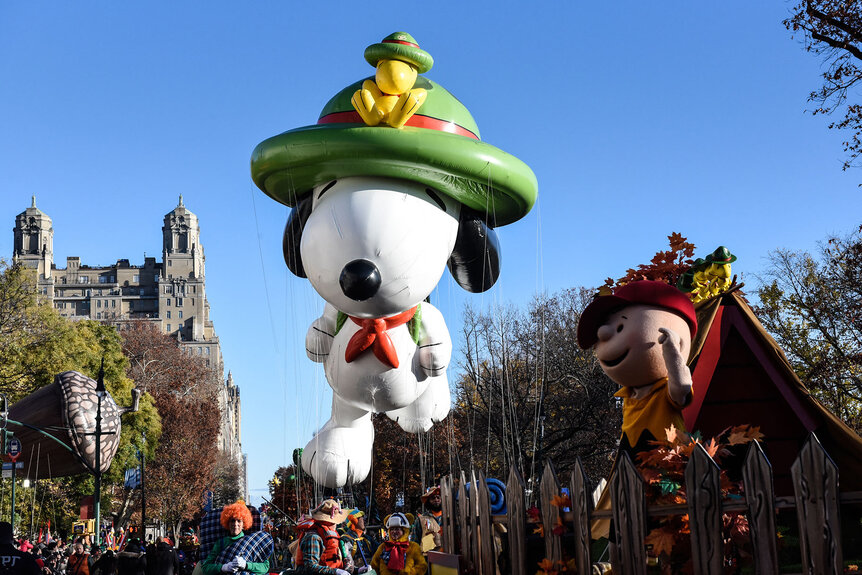
Every giant balloon in the parade is a high-stakes marketing asset. When a character like Snoopy, Pikachu, or a Netflix-sponsored balloon appears, it represents a strategic partnership. Macy’s acts as the “curator of cool,” deciding which IPs (Intellectual Properties) are worthy of the 34th Street stage. This reinforces Macy’s position as a brand authority; if you are in the Macy’s parade, you have “arrived” in the American zeitgeist.
Co-Branding and Sponsorship Tiers
The parade utilizes a tiered sponsorship model that integrates brands into the experience rather than just placing ads around it. Whether it’s the Delta Air Lines float or the Lindt Chocolate display, these integrations are designed to feel like part of the entertainment. This reduces “ad fatigue” and increases brand recall. Macy’s has mastered the art of “native advertising” on a physical and televised scale, ensuring that the cost of the parade (estimated at $10 million to $12 million annually) is subsidized by partners eager to share in Macy’s brand glow.
Digital Transformation: Extending the Parade Beyond 34th Street
In the modern era, the brand strategy has expanded beyond the physical route in Manhattan. The “start time” now triggers a multi-channel digital experience designed to capture a younger, tech-savvy demographic.
Social Media and Real-Time Engagement
The Macy’s social media team utilizes the parade’s start time to launch a barrage of behind-the-scenes content. By leveraging platforms like TikTok and Instagram, they showcase the “making of” the balloons and the “Studio” where floats are built. This transparency humanizes the corporate giant, fostering a deeper brand connection with Gen Z and Millennials who value authenticity and craftsmanship.
The Role of Augmented Reality and Gamification
To keep the brand “future-proof,” Macy’s has experimented with Metaverse integrations and AR filters that allow viewers at home to interact with the balloons. By blending the physical parade with digital assets, Macy’s ensures that its brand identity isn’t seen as a “relic of the past” but as a forward-thinking leader in experiential marketing. They are not just managing a parade; they are managing a multi-dimensional brand environment.
Conclusion: Lessons for Modern Marketers
The Macy’s Thanksgiving Day Parade is a masterclass in how a brand can move from the periphery of a consumer’s life to the very center of their traditions. The question “What time does the Macy’s parade start?” is the result of 98 years of consistent, high-quality brand positioning.
From a brand strategy perspective, the parade teaches us three vital lessons:
- Consistency is King: By owning the same date and time for nearly a century, Macy’s has eliminated the need for heavy “top-of-funnel” awareness spend for the event; the consumer already expects it.
- Emotional Connection Trumps Price: Macy’s creates a “halo effect” through the parade that makes consumers feel good about the brand, which often outweighs minor price differences with competitors like Amazon or Walmart.
- Be the Platform: By allowing other brands to shine within their ecosystem, Macy’s has made itself indispensable to the broader marketing landscape.
As the balloons are inflated and the clocks tick toward 9:00 AM this Thanksgiving, remember that you aren’t just watching a parade. You are witnessing one of the most successful, enduring, and profitable brand identities ever constructed in the history of global commerce. Macy’s doesn’t just start a parade; they start the holiday season, and in doing so, they own the most valuable real estate in the world: the consumer’s heart and mind.
aViewFromTheCave is a participant in the Amazon Services LLC Associates Program, an affiliate advertising program designed to provide a means for sites to earn advertising fees by advertising and linking to Amazon.com. Amazon, the Amazon logo, AmazonSupply, and the AmazonSupply logo are trademarks of Amazon.com, Inc. or its affiliates. As an Amazon Associate we earn affiliate commissions from qualifying purchases.