
On the surface, “What time does The Container Store close?” appears to be a simple, pragmatic question. It’s a query driven by immediate need, perhaps a last-minute shopping trip or a planning detail for an upcoming project. Yet, beneath this seemingly mundane inquiry lies a profound lesson in brand strategy, customer experience, and the intricate dance between operational logistics and brand perception. For any enterprise, especially a well-established retail brand like The Container Store, the answer to this question—and, more importantly, how that answer is delivered and experienced—is a critical touchpoint in its relationship with its clientele. It’s not just about a clock; it’s about trust, convenience, accessibility, and the unspoken promises a brand makes to its audience.
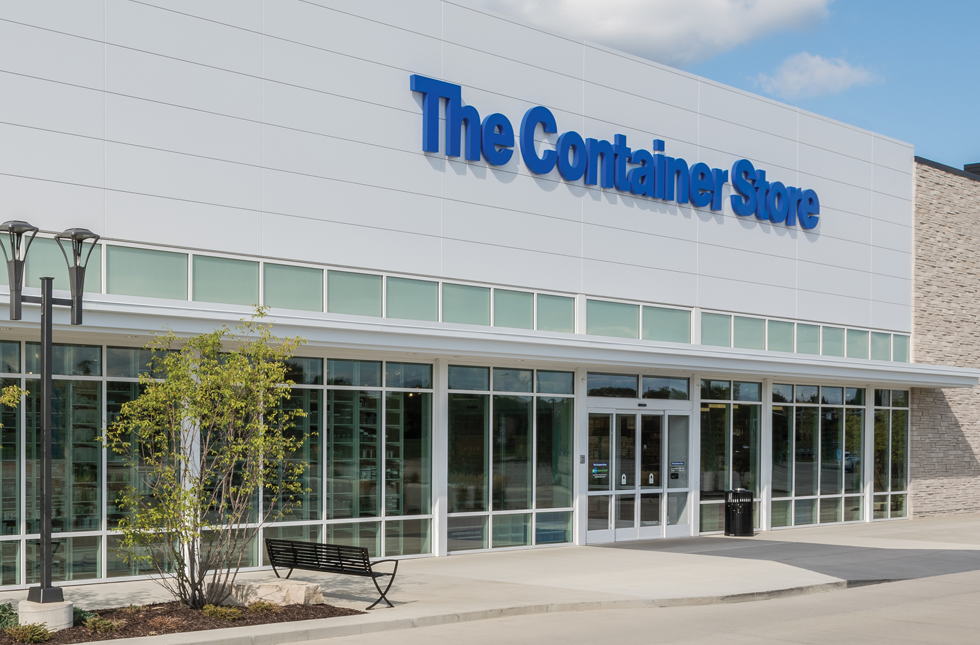
In an era where consumer expectations are perpetually rising, every interaction, no matter how trivial it might seem, contributes to the overarching brand narrative. This article delves into why a question about store hours is far from superficial, exploring how operational transparency, customer journey integration, and strategic scheduling are indispensable pillars of a robust and compelling brand identity. We’ll examine how the seemingly basic act of knowing a store’s closing time can reinforce brand values, cultivate loyalty, and distinguish a brand in a competitive marketplace, all through the lens of Brand strategy.
The Unseen Power of Operational Transparency in Branding
In the digital age, consumers expect immediate access to information, and this expectation extends to the fundamental operational details of businesses they interact with. For a brand like The Container Store, which prides itself on organization and efficiency, the clarity and accessibility of its operational hours are not mere footnotes but integral expressions of its core values.
Beyond the Clock: Communicating Core Brand Values
When a customer asks “what time does The Container Store close?”, they are indirectly seeking reliability. They want to know they can trust the information provided and that the brand operates with a predictable and considerate approach. Clear, consistent, and easily discoverable store hours build a foundational layer of trust. If a customer struggles to find this basic information, or if they arrive to find conflicting hours, it erodes confidence and can lead to frustration. This directly contradicts the brand promise of The Container Store, which aims to bring order and reduce stress through its product offerings. A brand focused on organization must itself be organized in its communications.
Transparency in operations, therefore, becomes a powerful tool for communicating core brand values. It signifies that the brand is dependable, customer-centric, and respects the time and effort its customers invest in engaging with it. For a brand synonymous with solutions and streamlined living, its own operational model must reflect that ethos. Reliable information about closing times isn’t just about an accurate clock; it’s about signaling integrity and a commitment to seamless customer interaction, reinforcing the very essence of the brand’s promise.
Bridging the Digital and Physical Customer Journey
The journey a customer takes to discover a store’s closing time often involves multiple channels: a quick search on Google, checking the brand’s official website, glancing at a social media profile, or even phoning the store directly. Each of these touchpoints presents an opportunity for the brand to either reinforce or undermine its identity. Inconsistent information across these platforms can be deeply frustrating, leading to a fragmented customer experience that detracts from the brand’s overall image.
A cohesive brand strategy demands that all customer-facing information, especially critical operational details, is synchronized across the entire digital ecosystem. Google My Business profiles, Yelp listings, brand websites, and social media pages must all present the same, up-to-date information. For The Container Store, a brand that thrives on facilitating organized living, ensuring this digital-to-physical consistency is paramount. A customer planning a trip for specific organizational solutions expects a smooth experience from information gathering to in-store purchase. Any friction in this journey—such as incorrect closing times—is a direct assault on the brand’s promise of effortless efficiency and order. By meticulously managing these details, brands like The Container Store effectively bridge the gap between their online presence and their physical retail experience, ensuring a seamless and trust-building customer journey.
Customer Experience as a Brand Differentiator: The “Last Mile” of Interaction
In an increasingly competitive retail landscape, customer experience (CX) has emerged as a primary brand differentiator. How a brand manages even the most routine interactions, such as a customer’s inquiry about closing time or their actual visit near the end of the business day, can profoundly impact loyalty and perception. These are the “last mile” interactions that leave a lasting impression.
The Impact of Availability on Customer Loyalty
Convenience is a non-negotiable expectation for today’s consumers. Whether it’s the ability to shop online 24/7 or find a physical store open during preferred hours, accessibility plays a significant role in customer decisions. If a customer repeatedly finds that a store, like The Container Store, closes too early for their schedule or has hours that are difficult to accommodate, it creates a barrier to engagement. Over time, this inconvenience can lead to a shift in loyalty, pushing customers towards competitors who offer more flexible or aligned operating hours.
The perceived availability of a brand, heavily influenced by its opening and closing times, directly impacts its perceived customer-centricity. Brands that strategically align their hours with customer lifestyles – perhaps extending hours during peak seasons or offering specific early bird/late night openings – signal a deeper understanding and commitment to their clientele. For The Container Store, a brand that often caters to busy individuals seeking efficient home organization, aligning hours with when their target demographic is most likely to shop (e.g., after work, weekend afternoons) is crucial for fostering lasting relationships and ensuring repeat business. Availability isn’t just a schedule; it’s a statement of commitment.
Crafting Memorable Encounters: Even at Closing Time
The impression a brand leaves at the end of the day can be as crucial as the one made at opening. A customer entering The Container Store five minutes before closing, or simply calling to confirm hours, presents a unique opportunity. Professional, courteous, and helpful staff, even when facing the imminent end of their shift, reinforce the brand’s dedication to service. Conversely, rushed, unhelpful, or visibly annoyed staff at closing time can erase all positive impressions built earlier in the day or during previous visits.
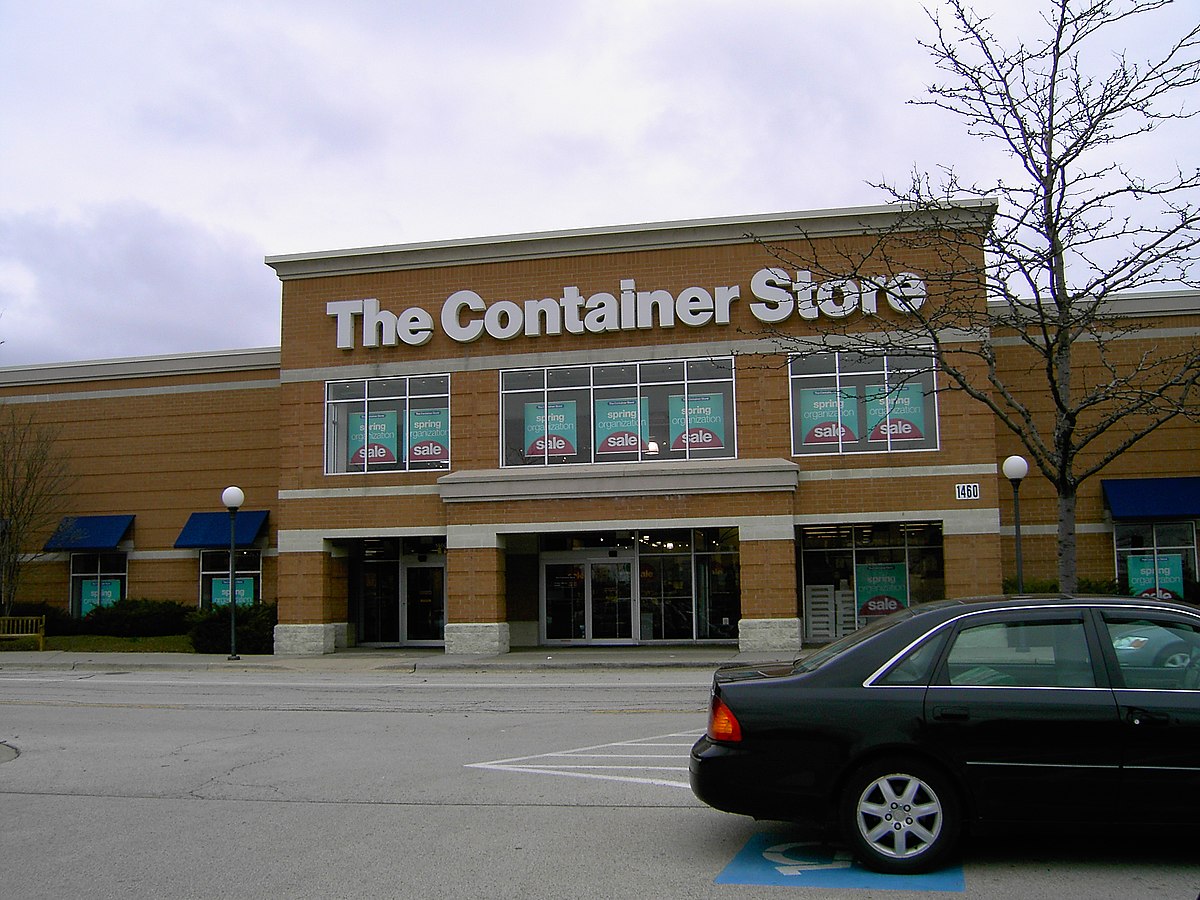
Brands must train their employees to understand that every interaction, including those near closing time, is a brand moment. It’s an opportunity to solidify the brand’s promise, whether that promise is helpfulness, efficiency, or a delightful experience. The Container Store’s brand ethos, centered around making life more organized and less stressful, needs to extend to these “last-mile” interactions. A smooth, respectful, and still helpful experience, even when a customer is arriving just before closing, ensures that the brand’s core values are upheld and that the customer leaves with a positive, memorable encounter, eager to return. This level of consistency elevates operational details from mere logistics to strategic components of customer satisfaction and brand building.
Strategic Considerations for Brand Operations and Scheduling
Operational hours are not arbitrary decisions; they are strategic choices deeply intertwined with a brand’s market positioning, target audience, and overall business objectives. For brands like The Container Store, understanding the interplay between scheduling, customer demand, and brand messaging is crucial for optimizing both profitability and brand perception.
Data-Driven Decisions: Aligning Hours with Customer Demand
Modern retail thrives on data. Brands increasingly leverage analytics to understand customer traffic patterns, peak shopping hours, and purchasing behaviors. By analyzing sales data, foot traffic sensors, and even online search queries for “store hours,” brands can make informed decisions about their operating schedule. Are Tuesdays at 9 AM genuinely productive, or is the bulk of the business conducted on weekday evenings and weekends? The answers to these questions can inform strategic adjustments to store hours.
For The Container Store, which offers specialized organizational solutions, understanding when customers are most motivated to tackle home projects or seek specific items is key. Perhaps a late weekday evening allows for working professionals to browse without rush, or extended weekend hours cater to families. Seasonal variations also play a role; holiday seasons or back-to-school periods might warrant extended hours, while slower periods might suggest reduced hours. Aligning hours with actual customer demand not only optimizes operational efficiency (reducing unnecessary staffing costs) but also enhances the customer experience by ensuring the store is open when it’s most convenient for them. This data-driven approach transforms store hours from a static policy into a dynamic element of brand strategy, directly responsive to the customer base.
Brand Messaging Through Operational Policies
Every operational decision, including store hours, contributes to a brand’s overarching message. A brand that consistently offers extended hours, for instance, might implicitly communicate a message of maximum convenience and accessibility. Conversely, a brand with highly specific or limited hours might convey exclusivity, a focus on a curated experience, or a commitment to employee well-being.
The Container Store, as a brand that simplifies complex tasks, often implies accessibility and readiness to assist. Its operating hours therefore should ideally support this brand persona. If the brand aims to be a go-to resource for organizational needs, its hours should reflect an accommodating posture. Consider how special event hours, early opening for loyalty members, or even specific “appointment-only” shopping slots can send powerful messages. These are not merely logistical details but deliberate brand statements. Extended holiday hours, for example, communicate a commitment to serving customers during peak needs, reinforcing a helpful and customer-centric image. By consciously shaping its operational schedule, The Container Store can subtly yet effectively reinforce its brand promise and strengthen its unique market position.
Future-Proofing Brand Accessibility and Engagement
As technology continues to evolve and consumer behaviors shift, the methods by which customers access information and engage with brands are constantly changing. Brands must proactively adapt their strategies for communicating operational details and enhancing accessibility to remain relevant and competitive.
AI, Chatbots, and Voice Search: The New Frontier of Information Delivery
The days of solely relying on a website’s “Contact Us” page for store hours are rapidly fading. Today, customers expect to find this information through various intuitive channels. Voice search assistants like Siri, Alexa, and Google Assistant are increasingly common tools for quick queries like “What time does The Container Store close near me?” Chatbots on brand websites provide instant, 24/7 answers without human intervention. AI-powered tools can even predict peak times and suggest optimal visiting hours.
For brands like The Container Store, ensuring that their operational data is accurately integrated into these AI-driven platforms is paramount. This means not only having up-to-date information on their website but also feeding that data into APIs used by search engines and voice assistants. Proactive communication, such as automated notifications about holiday hours or special events, can replace reactive queries, enhancing the customer experience. By embracing these technological advancements, brands can future-proof their accessibility, ensuring that customers can effortlessly obtain critical information, thereby strengthening the brand’s image as modern, efficient, and customer-focused. This integration minimizes friction and maximizes convenience, directly aligning with the organized and streamlined solutions The Container Store offers.

The Evolving Role of Physical Stores in a Digital World
In an age dominated by e-commerce, the role of physical stores is transforming. They are no longer just transaction points but increasingly becoming experience centers, showrooms, and hubs for services like Buy Online, Pick Up In Store (BOPIS) or returns. This evolution means that the operational hours of a physical store carry new weight and implication. The “what time does The Container Store close?” question now also implicitly asks about the availability of these diverse services.
Brands need to consider how their store hours integrate with their broader omnichannel strategy. If a customer can buy online anytime, but can only pick up their order during limited store hours, the overall convenience factor might be diminished. Extended hours for BOPIS, dedicated service desks, or even specific “browse-only” hours without sales pressure, could redefine the physical store experience. For The Container Store, which often involves customers seeing and touching products to plan their organization projects, the physical store remains vital. Its operating hours must reflect its evolving purpose, offering sufficient time for customers to engage with products, consult with staff, and utilize various services. By strategically aligning physical store hours with digital convenience and the experiential value of in-person visits, brands can ensure their brick-and-mortar presence continues to be a powerful asset in a digitally-driven world, reinforcing their brand’s comprehensive commitment to customer satisfaction.
In conclusion, the simple question “What time does The Container Store close?” serves as a powerful microcosm for understanding the intricate world of brand strategy. It underscores that every operational detail, no matter how small, is a deliberate touchpoint that contributes to the overall brand narrative. From fostering trust through transparency to shaping customer loyalty through convenience, and from leveraging data for strategic scheduling to embracing technology for future-proofing accessibility, the humble store closing time is far more than a logistical detail. It is a fundamental component of customer experience, a powerful tool for communicating brand values, and an indispensable element in building and sustaining a strong, enduring brand identity in an ever-evolving market. A brand that masterfully manages these seemingly minor details is a brand that truly understands its customers and respects their journey.
aViewFromTheCave is a participant in the Amazon Services LLC Associates Program, an affiliate advertising program designed to provide a means for sites to earn advertising fees by advertising and linking to Amazon.com. Amazon, the Amazon logo, AmazonSupply, and the AmazonSupply logo are trademarks of Amazon.com, Inc. or its affiliates. As an Amazon Associate we earn affiliate commissions from qualifying purchases.