
The District of Columbia, a vibrant hub of politics, culture, and commerce, operates under its own unique set of financial regulations, including its sales tax structure. For both residents and visitors, understanding DC sales tax is crucial for smart financial planning, budgeting, and ensuring compliance. Beyond simply adding a few cents to a purchase, sales tax is a cornerstone of the District’s revenue generation, funding essential public services and infrastructure. This comprehensive guide will demystify DC sales tax, exploring its mechanics, specific rates, exemptions, and its broader financial implications for individuals and businesses operating within the nation’s capital.
Understanding Sales Tax in the District of Columbia
Sales tax is a consumption tax levied by a government on the sale of goods and services. In the District of Columbia, this tax is primarily imposed on the retail sale of tangible personal property and certain specified services. It’s a transaction-based tax, meaning it’s collected at the point of sale by the vendor from the purchaser and then remitted to the District’s Office of Tax and Revenue (OTR).
The Fundamental Role of Sales Tax in DC’s Economy
Sales tax plays a pivotal role in the fiscal health of Washington, D.C. Unlike states that might rely heavily on income or property taxes, the District’s diverse economic base, fueled by tourism, federal government activity, and a burgeoning private sector, makes sales tax a significant and stable source of revenue. These funds are critical for financing municipal services such as public education, transportation, sanitation, public safety, and social programs. For consumers, it’s a direct contribution to the city’s operational budget with every eligible purchase. For businesses, it’s a critical administrative responsibility that ensures they are compliant with local financial regulations and contribute to the economic ecosystem they operate within.
A Brief History and Evolution of DC Sales Tax
Sales tax in the District of Columbia has evolved over decades, adapting to economic shifts, changing consumer behaviors, and the ever-present need for municipal funding. Initially introduced at a modest rate, it has seen adjustments to accommodate budget demands and policy priorities. The District, being a unique federal enclave with a substantial non-resident workforce and tourist population, often fine-tunes its tax policies to balance revenue generation with economic competitiveness. Recent years have seen discussions around expanding the tax base to include more services or adjusting rates for specific industries, reflecting a continuous effort to modernize tax policy and ensure fiscal sustainability. Understanding this history provides context for the current rates and the rationale behind various exemptions and special provisions.
Who Pays and Who Collects? The Mechanics of Sales Tax
The burden of the DC sales tax technically falls on the consumer, who pays the tax as an additional charge on their purchase. However, the legal responsibility for collecting and remitting this tax lies squarely with the seller. Businesses that sell taxable goods or services in the District are required to register with the OTR, collect the appropriate sales tax from their customers, keep accurate records of these transactions, and then periodically remit the collected funds to the District government. This makes businesses crucial intermediaries in the tax collection process, requiring diligent accounting practices and a clear understanding of what is taxable. Failure to collect or remit sales tax can result in significant penalties, underscoring the importance of compliance for all enterprises, from small local shops to large retail chains.
Key Components and Rates of DC Sales Tax
The District of Columbia employs a multi-tiered sales tax system, with a general rate applicable to most transactions and specific, often higher, rates for certain goods and services. Navigating these various rates is essential for both consumers to budget accurately and businesses to ensure proper collection.
General Sales Tax Rate in Washington, D.C.
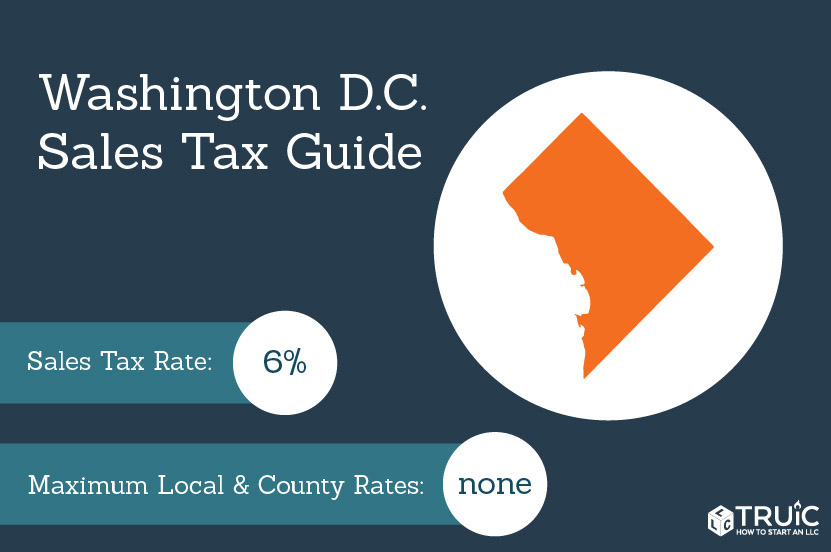
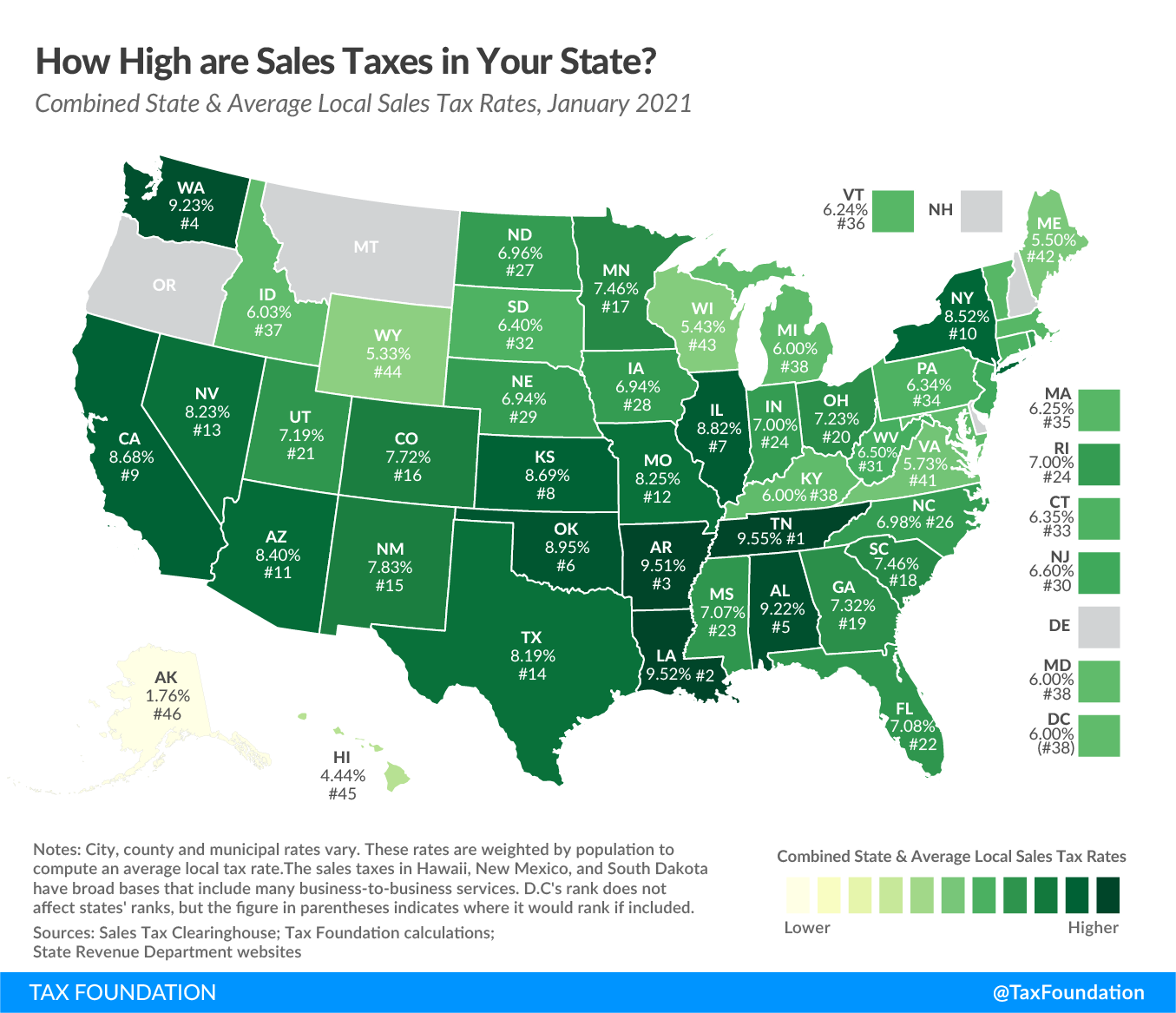
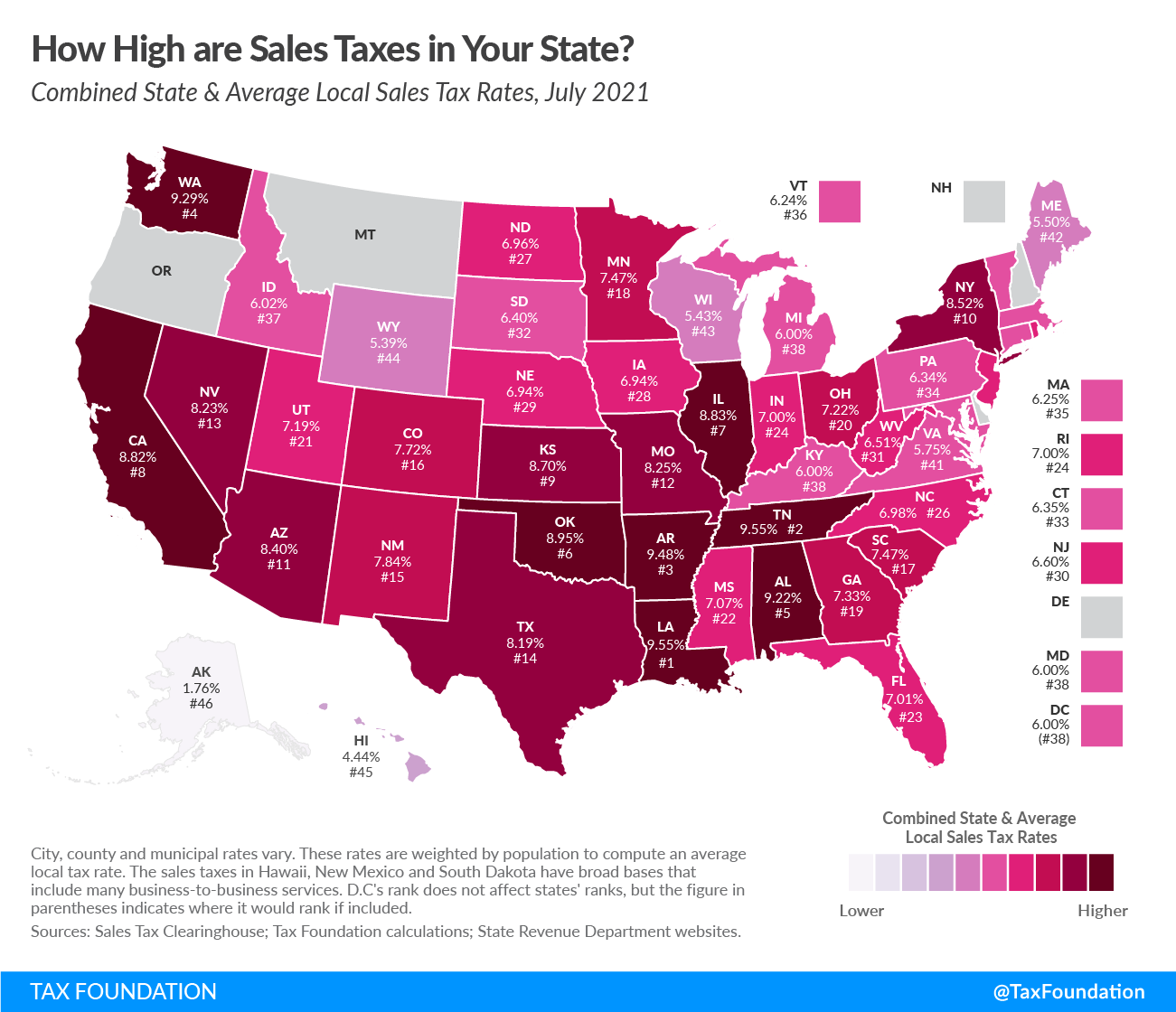
As of the current financial landscape, the general sales tax rate in the District of Columbia is 6%. This rate applies to the vast majority of tangible personal property purchased within the District, from clothing and electronics to furniture and general merchandise. This 6% rate is crucial for consumers to factor into their purchasing decisions and for businesses to correctly apply at the point of sale for most of their inventory. It’s a relatively moderate rate compared to some surrounding jurisdictions, aiming to strike a balance between generating revenue and maintaining competitiveness for local businesses.
Specific Rates for Certain Goods and Services
Beyond the general rate, DC imposes higher sales tax rates on particular categories of goods and services, often targeting items considered luxury, discretionary, or having specific social impacts. These include:
-
Prepared Food and Restaurant Meals: This category is taxed at a higher rate of 10%. This applies to food and beverages prepared for immediate consumption, whether it’s a quick coffee, a takeout meal, or a fine dining experience. This higher rate reflects the discretionary nature of dining out and contributes significantly to the District’s revenue, especially given its vibrant culinary scene.
-
Alcoholic Beverages: Purchases of alcoholic beverages in bars, restaurants, and liquor stores are subject to a 10% sales tax rate. This aligns with the higher prepared food rate and is a common practice in many jurisdictions to tax alcohol at a premium.
-
Parking Services: The act of parking a vehicle in a commercial parking facility within DC is taxed at 18%. This significantly higher rate is a deliberate policy choice aimed at discouraging driving, encouraging public transportation, and generating substantial revenue from the high demand for parking in a densely populated urban area.
-
Rental of Tangible Personal Property: While the general rate applies to most purchases, some specific rental services, such as vehicle rentals, might have different tax implications or specific excise taxes that interplay with sales tax.
-
Hotel Occupancy Tax: While not strictly a sales tax, it’s worth noting that hotel rooms in DC are subject to a significant occupancy tax, currently 14.95%, which is collected similarly to sales tax and adds considerably to the cost of lodging for visitors.
Understanding these specific rates is vital for businesses in these sectors and for consumers making purchases in these categories, as they represent a substantial additional cost beyond the advertised price.
Sales Tax vs. Use Tax: What’s the Difference?
While sales tax applies to purchases made within the District, DC also enforces a use tax. Use tax is essentially a sales tax on items purchased outside the District (e.g., online, or from another state) for use, storage, or consumption in DC, where the seller did not collect DC sales tax. The use tax rate is generally the same as the sales tax rate that would have been applied if the item were purchased in DC.
The primary purpose of use tax is to prevent residents from avoiding local sales tax by purchasing goods from out-of-state retailers, particularly with the rise of e-commerce. It levels the playing field for local businesses and ensures the District doesn’t lose revenue. While often self-reported by individuals, businesses are more rigorously tracked for use tax compliance, especially on large purchases for business use. For example, if a DC business buys office supplies online from a vendor who doesn’t charge DC sales tax, the business is responsible for remitting the DC use tax to the OTR.
Exemptions and Special Considerations for DC Sales Tax
Not every transaction in the District of Columbia is subject to sales tax. A range of exemptions and special provisions exist, designed to alleviate financial burdens, support essential services, or reflect specific policy goals. Understanding these can lead to significant savings for consumers and ensure accurate compliance for businesses.
Common Exemptions for Essential Goods and Services
Several categories of goods and services are explicitly exempt from DC sales tax. These exemptions often target necessities or items deemed beneficial for public welfare:
-
Groceries/Food for Home Consumption: Most unprepared food items purchased at grocery stores for consumption at home are exempt from sales tax. This critical exemption ensures that basic sustenance is not taxed, providing relief to all residents, particularly those with lower incomes. However, it’s important to distinguish this from “prepared food” which, as noted, is taxed at 10%.
-
Prescription Drugs and Medical Devices: All prescription medications, as well as certain medically necessary devices (e.g., wheelchairs, prosthetics), are exempt. This exemption is standard across most jurisdictions, acknowledging the essential nature of healthcare.
-
Newspapers and Periodicals: To promote information access, most newspapers and magazines are exempt from sales tax.
-
Residential Utilities: Basic residential utility services like electricity, gas, and water are typically exempt from sales tax, though specific commercial utility uses might be taxed.
-
Certain Professional Services: Many professional services (e.g., legal services, accounting services, consulting) are generally exempt from sales tax, though some specific services that involve the transfer of tangible personal property might be taxable.
These exemptions are vital for managing household budgets and reducing the cost of living in the District. Businesses selling these items must be diligent in applying the correct tax status to avoid over-collecting or under-collecting tax.
Exemptions for Non-Profits and Government Entities
The District of Columbia also provides sales tax exemptions for specific organizations, recognizing their public service mission:
-
Non-Profit Organizations: Qualified non-profit organizations (e.g., charities, educational institutions, religious organizations) can apply for and receive sales tax exemption certificates. This means they do not have to pay sales tax on purchases made for their organizational use, helping them stretch their budgets further to achieve their missions. However, sales by non-profits (e.g., at fundraising events) may still be taxable unless specific exemptions apply.
-
Federal and DC Government Purchases: Purchases made directly by the U.S. Federal Government and the District of Columbia government are generally exempt from sales tax. This is a common practice to prevent one governmental entity from taxing another.
These exemptions are crucial for the financial health of the non-profit sector and for the efficient operation of government agencies within the District.
Digital Goods and Services: A Modern Challenge
The rapidly evolving landscape of digital goods and services presents a continuous challenge for sales tax policy. The District, like many jurisdictions, grapples with how to apply traditional sales tax laws to intangible digital products. While some digital goods might be explicitly exempt or fall outside the current definition of taxable tangible personal property, others, especially if bundled with services or delivered via a tangible medium, may be subject to tax. For example:
-
Streaming Services, Software Downloads, E-books: The taxability of these items can be complex and may depend on specific legislative interpretations. Currently, many pure digital products and services (e.g., Netflix subscriptions, Spotify, software-as-a-service) are generally not subject to DC sales tax unless specifically enumerated. However, this is an area of active legislative review and could change as governments seek to broaden tax bases.
-
Cloud Computing and Data Services: The tax treatment of these business-to-business services is often nuanced and may depend on the specifics of the contract and the nature of the service provided.
Businesses operating in the digital realm, or those providing services with digital components, must stay updated on the latest interpretations and legislative changes regarding the taxability of digital goods and services in DC to ensure proper compliance and avoid future liabilities.
Compliance and Remittance: Businesses’ Responsibilities
For businesses operating in the District of Columbia, understanding and adhering to sales tax compliance is not merely a legal obligation but a critical aspect of sound financial management. Proper collection, reporting, and remittance are essential to avoid penalties and maintain good standing with the OTR.
Registering for a Sales Tax License
Any individual or entity making taxable sales in the District of Columbia is generally required to register with the DC Office of Tax and Revenue (OTR) to obtain a Certificate of Registration (often referred to as a sales tax license or permit). This is typically part of the broader business license application process. The registration process involves providing business information, including legal structure, address, and anticipated sales volume. This step is foundational; without a valid registration, a business cannot legally collect or remit sales tax, potentially leading to significant fines and legal issues. The OTR uses this registration to track businesses, disseminate updates, and ensure all entities that should be collecting tax are doing so.
Collecting and Reporting Sales Tax
Once registered, businesses are responsible for:
-
Collecting the Correct Tax: This involves accurately applying the general 6% rate or the specific higher rates (e.g., 10% for prepared food, 18% for parking) to each taxable transaction. Proper point-of-sale (POS) systems or accounting software are crucial for automating this process and minimizing errors.
-
Keeping Meticulous Records: Businesses must maintain detailed records of all sales, both taxable and exempt, including the amount of sales tax collected. These records are vital for audits and for preparing accurate tax returns. Records typically need to be kept for a minimum of three years, though longer is often recommended.
-
Filing Sales Tax Returns: Businesses are required to file sales and use tax returns with the OTR on a regular basis. The frequency of filing (monthly, quarterly, or annually) depends on the business’s total sales tax liability. High-volume businesses typically file monthly, while smaller businesses might file quarterly or annually. These returns detail the total taxable sales, the total tax collected, and any use tax owed.
Accurate and timely filing is paramount. Even if no sales tax was collected during a period, a “zero” return must still be filed to avoid non-filing penalties.
Remitting Sales Tax to the District
The collected sales tax is not the business’s money; it’s held in trust for the District government. Businesses must remit the collected tax to the OTR by the due date associated with their filing period. Payments can typically be made electronically through the OTR’s online portal, which is the preferred method. Timely remittance is just as important as accurate collection and reporting. Delaying payment can result in interest and penalties, eroding a business’s profitability.
Penalties for Non-Compliance
The District of Columbia takes sales tax compliance seriously. Non-compliance can lead to a range of penalties, including:
-
Failure to Register: Operating without a proper sales tax license can result in fines and legal action.
-
Failure to File: Penalties are assessed for each unfiled return, even if no tax was due.
-
Failure to Pay: Late payment penalties and interest accrue on underpaid or unpaid tax.
-
Underpayment Due to Negligence or Fraud: Significant penalties, potentially including criminal charges, can be imposed for intentional underreporting or evasion.
-
Audit Assessments: The OTR conducts audits to ensure compliance. If discrepancies are found, businesses may owe back taxes, interest, and penalties.
For small businesses, especially, understanding and managing these compliance responsibilities can be complex. Consulting with a tax professional or utilizing robust accounting software can be invaluable for ensuring adherence to DC’s sales tax regulations.
Impact of DC Sales Tax on Consumers and Businesses
The District of Columbia’s sales tax structure has far-reaching implications, influencing everything from the purchasing habits of its residents to the competitive landscape for its local businesses and the overall economic vitality of the city.
Economic Implications for DC Residents and Visitors
For consumers, sales tax directly impacts their disposable income and purchasing power. The 6% general rate, coupled with higher rates for dining (10%) and parking (18%), means that the actual cost of many goods and services in DC is higher than the sticker price. This can influence:
-
Budgeting Decisions: Residents must factor in sales tax when creating their budgets, especially for discretionary spending like dining out or parking.
-
Cross-Border Shopping: The tax rates can influence decisions to shop in neighboring jurisdictions (Maryland or Virginia), which might have different sales tax rates, particularly for big-ticket items. While use tax is intended to mitigate this, practical enforcement on small consumer purchases can be challenging.
-
Cost of Living: Sales tax contributes to the overall cost of living in DC, which is already one of the highest in the nation. For visitors, the higher rates on prepared food and especially parking can significantly increase travel expenses, potentially influencing tourism decisions.
However, the revenue generated from sales tax directly funds the public services that benefit residents, creating a circular relationship between tax payments and the quality of life in the District.
Challenges and Opportunities for DC Businesses
For businesses, sales tax presents both challenges and opportunities:
-
Compliance Burden: The primary challenge is the administrative burden of compliance. Businesses must invest in appropriate POS systems, train staff, maintain meticulous records, and stay updated on ever-changing tax laws. For small businesses, this can be a significant drain on resources.
-
Competitive Disadvantage: In certain sectors, particularly retail and dining, DC businesses might face a competitive disadvantage if neighboring jurisdictions have lower sales tax rates for similar goods and services. This can lead to “tax flight” where consumers choose to spend their money elsewhere.
-
Impact on Pricing Strategies: Businesses must factor sales tax into their pricing strategies, deciding whether to absorb some of the tax cost or pass it fully to the consumer, which can affect their competitiveness.
Despite these challenges, sales tax also represents an opportunity. A well-managed and transparent sales tax system contributes to a stable financial environment, which in turn supports public infrastructure and services that benefit businesses (e.g., well-maintained roads, public safety, educated workforce). Furthermore, successful compliance demonstrates corporate responsibility and avoids costly penalties. Many businesses leverage tax software and professional accountants to streamline compliance, turning a potential challenge into a manageable operational aspect.
How Sales Tax Revenue Benefits the District
Ultimately, the collective funds generated from DC sales tax are reinvested into the community, underscoring its vital role in the District’s financial health:
-
Funding Public Services: Sales tax revenue directly supports schools, libraries, parks, public safety (police and fire departments), and sanitation services, enhancing the quality of life for all residents.
-
Infrastructure Development: Funds contribute to the maintenance and development of critical infrastructure, including roads, bridges, public transportation systems, and utilities, which are essential for economic growth and daily life.
-
Social Programs: A portion of the revenue often goes towards social safety nets, housing initiatives, and healthcare programs, supporting vulnerable populations.
-
Economic Stability: A consistent and robust sales tax base helps the District maintain fiscal stability, allowing for long-term planning and investment, and fostering investor confidence in the city’s economic future.
In conclusion, DC sales tax is far more than a simple percentage added to a bill. It is a complex financial mechanism with specific rates and exemptions, requiring diligent compliance from businesses and impacting the financial decisions of every consumer. By understanding its intricacies, both individuals and enterprises can navigate the economic landscape of the District of Columbia more effectively, contributing to and benefiting from its vibrant economy.
aViewFromTheCave is a participant in the Amazon Services LLC Associates Program, an affiliate advertising program designed to provide a means for sites to earn advertising fees by advertising and linking to Amazon.com. Amazon, the Amazon logo, AmazonSupply, and the AmazonSupply logo are trademarks of Amazon.com, Inc. or its affiliates. As an Amazon Associate we earn affiliate commissions from qualifying purchases.