
For investors situated on the West Coast of the United States, understanding the precise opening hours of major stock exchanges in Pacific Time is crucial for timely decision-making and strategic trading. While the primary U.S. stock markets, such as the New York Stock Exchange (NYSE) and the Nasdaq Stock Market, are physically located in New York City, which operates on Eastern Time (ET), their hours translate directly to specific times for those in the Pacific Time Zone (PT). This seemingly simple conversion carries significant implications for market access, real-time analysis, and overall investment strategy.
Understanding Standard Market Hours
The core of U.S. stock market activity revolves around a standard trading window. Knowing this window in your local time zone is the first step towards effective participation.
The Core Trading Window
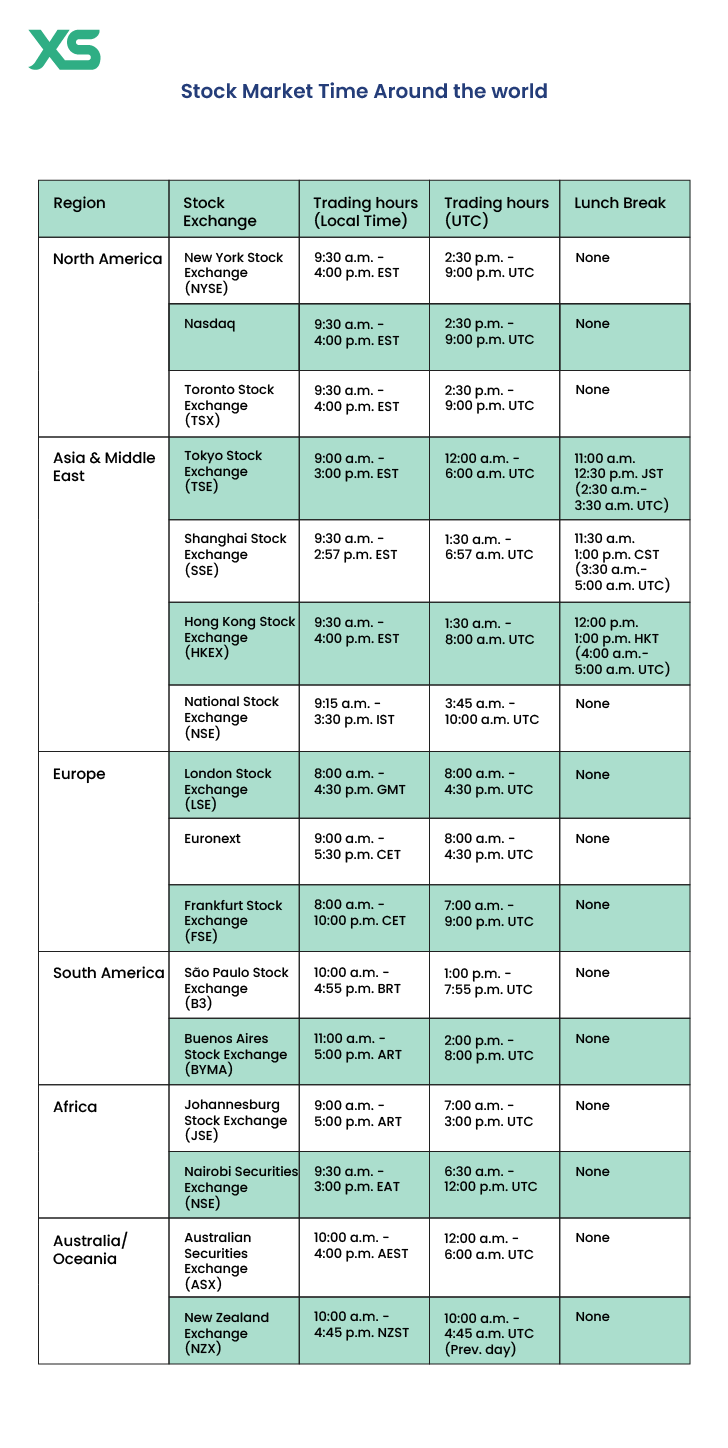
The two principal stock exchanges in the United States, the NYSE and Nasdaq, both adhere to the same standard trading hours for their regular sessions. These markets open at 9:30 AM Eastern Time (ET) and close at 4:00 PM ET, Monday through Friday, excluding market holidays.
For an investor or market observer in the Pacific Time Zone, this translates directly:
- Opening Bell (Pacific Time): 6:30 AM PT
- Closing Bell (Pacific Time): 1:00 PM PT
This seven-and-a-half-hour window represents the period of highest liquidity and regulatory oversight. During these hours, the vast majority of trading volume occurs, and prices are generally considered to be the most reflective of broad market sentiment and available information. For those on the West Coast, starting their trading day as early as 6:30 AM PT requires discipline and a structured approach, often meaning aligning their morning routine with market opening.
Why Time Zones Matter for Investors
The disparity between market time and local time zones isn’t merely a matter of convenience; it has profound strategic implications for investors. For an individual in the Pacific Time Zone, the market opens before many traditional business hours even begin, and closes in the early afternoon.
This earlier start means that any significant overnight news or economic data releases from Asian or European markets, or even pre-market announcements from U.S. companies, need to be processed and acted upon extremely quickly as the Pacific Time morning unfolds. Traders looking to capitalize on early momentum or react to breaking news must be prepared to monitor market conditions from 6:30 AM PT onward.
Conversely, the early afternoon close at 1:00 PM PT means that investors have the remainder of their workday to analyze market performance, research potential trades for the following day, and attend to other responsibilities without the immediate pressure of an open market. However, it also means that they must complete any intended trades or adjustments before the early closing time. This dynamic necessitates a clear understanding of personal availability and the creation of a disciplined routine that accounts for the market’s specific hours relative to one’s own time zone.
Navigating Pre-Market and After-Hours Trading
The concept of market hours extends beyond the traditional 9:30 AM to 4:00 PM ET window. Electronic communication networks (ECNs) and alternative trading systems (ATSs) facilitate trading outside these standard hours, offering both opportunities and unique risks for investors.
Opportunities Beyond Standard Hours
Pre-market trading typically begins as early as 4:00 AM ET (1:00 AM PT) and runs until the market’s official opening at 9:30 AM ET (6:30 AM PT). After-hours trading, conversely, commences immediately after the 4:00 PM ET (1:00 PM PT) close and can extend until 8:00 PM ET (5:00 PM PT).
These extended hours provide investors with several strategic advantages:
- Reacting to News: Major corporate announcements, such as earnings reports, mergers, or drug trial results, are frequently released outside of standard market hours. Pre-market and after-hours trading allow investors to react to this news immediately, potentially positioning themselves ahead of the broader market.
- Flexibility: For investors whose schedules conflict with regular market hours, extended trading offers a window to execute trades at their convenience. This is particularly relevant for Pacific Time investors who might find the 6:30 AM PT open challenging.
- Price Discovery: Early trading can offer initial clues about how the market might react to certain news or events once the regular session begins, providing a form of early price discovery.
Risks and Considerations of Extended Trading
While attractive, extended trading sessions come with their own set of challenges and heightened risks:
- Lower Liquidity: The most significant drawback is considerably lower trading volume compared to regular hours. Fewer buyers and sellers can lead to wider bid-ask spreads, making it more difficult to execute trades at desired prices.
- Increased Volatility: With less liquidity, even small orders can have a disproportionately large impact on stock prices, leading to increased volatility. Prices can swing wildly on relatively light trading.
- Price Discrepancies: The prices achieved in pre-market or after-hours sessions may not always reflect the prices at which a stock will trade once regular market hours commence. Gaps between the extended-hours closing price and the regular-hours opening price are common.
- Limited Access: Not all brokers offer access to extended-hours trading, and those that do may have limitations on order types (e.g., often only limit orders are accepted to protect against extreme price swings).
- Competition: Institutional investors and professional traders with advanced tools often dominate extended-hours trading, potentially putting individual investors at a disadvantage.
For Pacific Time investors, engaging in pre-market trading means being active as early as 1:00 AM PT, which demands significant dedication and careful risk management.
Key Stock Exchanges and Their Schedules
While the NYSE and Nasdaq are the primary focus for U.S. equity trading, it’s important to understand their operational nuances and how they align with other market events.
NYSE and Nasdaq: The U.S. Giants

The NYSE, known for its iconic trading floor, and Nasdaq, a fully electronic exchange, collectively represent the vast majority of U.S. publicly traded companies. Both observe the 9:30 AM – 4:00 PM ET (6:30 AM – 1:00 PM PT) regular trading hours. Their operational stability and robust infrastructure are fundamental to the global financial system.
Investors interacting with these exchanges, regardless of their time zone, rely on the integrity and efficiency of their order matching systems. Understanding that these markets operate on ET is critical for setting up alerts, managing watchlists, and timing trade executions. Most financial news outlets, charting platforms, and broker interfaces will display times in ET by default, requiring a mental conversion for Pacific Time users, or configuring settings to display local time where possible.
Impact of Holidays and Early Closures
The stock markets do not operate every single day of the year. They observe a set calendar of holidays, during which all trading ceases. These typically include federal holidays like New Year’s Day, Martin Luther King, Jr. Day, Presidents’ Day, Good Friday, Memorial Day, Juneteenth National Independence Day, Independence Day, Labor Day, Thanksgiving Day, and Christmas Day. On these days, the markets are closed entirely, meaning no trading, even pre-market or after-hours, takes place.
Additionally, there are instances of early market closures, often related to holidays or specific events. For example, the market might close early on the day before Christmas or the day after Thanksgiving. On these days, the market might close at 1:00 PM ET (10:00 AM PT) instead of the usual 4:00 PM ET. It is crucial for investors, particularly those planning short-term trades or needing to exit positions, to consult the official market holiday schedule published annually by both the NYSE and Nasdaq. Failing to do so could lead to missed opportunities or an inability to adjust positions as planned.
Strategic Implications for Pacific Time Investors
Operating on Pacific Time while investing in an Eastern Time-based market presents unique strategic challenges and opportunities that investors must actively manage.
Real-Time Monitoring and Decision Making
The early market open at 6:30 AM PT means that Pacific Time investors must be prepared for real-time monitoring and decision-making during what might still be their early morning. This involves:
- Early News Consumption: Rapidly processing overnight news, global market movements, and pre-market corporate announcements.
- Setup for Speed: Ensuring trading platforms, news feeds, and analytical tools are ready and accessible from 6:30 AM PT.
- Psychological Preparedness: Being mentally alert and ready to make critical decisions at an hour when many are just starting their day.
For active traders, the first hour of trading (6:30 AM – 7:30 AM PT) is often characterized by heightened volatility and significant price movements, making immediate engagement crucial for certain strategies.
Managing Time Zone Discrepancies Effectively
Successful Pacific Time investors learn to manage the time zone difference proactively. This can involve:
- Adjusting Daily Routines: Waking earlier to align with the market open.
- Leveraging Technology: Setting up automated alerts for price movements, news triggers, or order executions that occur outside one’s direct monitoring hours.
- Strategic Planning: Placing orders (e.g., limit orders) in advance for anticipated price levels, rather than relying solely on real-time execution.
- Understanding Asynchronous Information: Recognizing that much of the world’s financial news, analyst reports, and corporate disclosures are released on Eastern Time, and factoring this into one’s information processing schedule.
Effective time management and a disciplined approach are paramount to prevent the time zone difference from becoming a hindrance to investment performance.
Leveraging Technology for Timely Trades
Modern trading platforms and financial tools offer significant advantages for Pacific Time investors.
- Advanced Charting and Analytics: Platforms provide real-time data feeds, customizable charts, and technical indicators to help visualize market movements and identify trends as they happen.
- Automated Trading and Alerts: Many brokers offer capabilities to set up automated alerts for specific stock prices, news items, or volume spikes. Some even allow for conditional orders (e.g., “if stock A reaches X price, then buy Y shares”) that can execute without direct human intervention during market hours.
- Mobile Trading Apps: These provide the flexibility to monitor portfolios and execute trades from anywhere, which is particularly beneficial for those who might not be at a dedicated workstation during the market’s early PT hours.
- Pre- and After-Market Access: As discussed, sophisticated platforms provide access to extended trading sessions, allowing for reactions to news before the 6:30 AM PT open or after the 1:00 PM PT close.
By intelligently deploying these technological resources, Pacific Time investors can mitigate the challenges posed by the time zone difference and ensure they remain competitive in the fast-paced world of stock market trading.
Beyond Opening Bell: The Full Trading Day Cycle
While the opening bell dictates when trading begins, the entire market day presents varying characteristics that astute investors consider.
Volatility Patterns Throughout the Day
The trading day is not uniformly active or volatile. Typically, the first hour after the 6:30 AM PT open is one of the most volatile periods, as market participants react to overnight news, pre-market activity, and official economic data releases. Volume tends to be high, and significant price swings are common.
Activity often settles down in the mid-morning (around 8:00 AM – 10:00 AM PT), becoming somewhat calmer before picking up again in the final hour leading up to the 1:00 PM PT close. The closing hour often sees renewed volatility as traders adjust positions, institutional investors rebalance portfolios, and end-of-day news potentially surfaces. Understanding these intra-day patterns allows Pacific Time investors to time their entries and exits more strategically, aligning their actions with periods of increased liquidity or specific volatility characteristics that suit their trading style.

Planning Your Trading Strategy
For Pacific Time investors, strategic planning becomes even more critical due to the early market hours. This involves not only deciding what to trade but also when to trade.
- Morning Rush: If your strategy involves capitalizing on early momentum or reacting to opening gaps, you must be fully prepared and engaged by 6:30 AM PT.
- Mid-Day Analysis: The quieter mid-day period (roughly 8:00 AM – 12:00 PM PT) can be ideal for thorough analysis, researching new opportunities, and making less time-sensitive decisions.
- Afternoon Close: For those aiming to capture end-of-day movements or to close out positions, the last hour before 1:00 PM PT requires attention.
- Post-Market Review: After the 1:00 PM PT close, there’s ample time for review, learning from the day’s trades, and preparing for the next trading session without the pressure of live market movements.
Ultimately, mastering the “what time does stock market open pacific time” question goes beyond a simple conversion. It’s about developing a comprehensive understanding of market dynamics, leveraging available tools, and cultivating a disciplined approach that respects the inherent time zone challenges and opportunities.
aViewFromTheCave is a participant in the Amazon Services LLC Associates Program, an affiliate advertising program designed to provide a means for sites to earn advertising fees by advertising and linking to Amazon.com. Amazon, the Amazon logo, AmazonSupply, and the AmazonSupply logo are trademarks of Amazon.com, Inc. or its affiliates. As an Amazon Associate we earn affiliate commissions from qualifying purchases.