
Amazon Prime has become an indispensable part of modern consumer life for millions worldwide. More than just a subscription service, it represents a sophisticated technological ecosystem meticulously engineered to deliver unparalleled convenience, entertainment, and value. At its core, Prime is a masterclass in leveraging cutting-edge technology – from advanced logistics and cloud computing to artificial intelligence and integrated digital platforms – to create a seamless and highly personalized user experience. Understanding “how Amazon Prime works” fundamentally involves delving into the intricate technological architecture that powers its diverse array of benefits, transforming the way we shop, consume media, and interact with digital services. This exploration goes beyond the visible features to uncover the underlying innovations that make Prime a benchmark in digital service delivery.
The Core Technological Infrastructure of Prime
The foundation of Amazon Prime’s expansive offering is a robust and globally distributed technological infrastructure. This isn’t merely about having a website; it’s about a deeply integrated network of systems designed for extreme scale, resilience, and efficiency. At the heart of this infrastructure lies Amazon Web Services (AWS), the company’s own cloud computing platform, which provides the backbone for virtually every aspect of Prime’s operations.
Cloud Powering Global Logistics
One of Prime’s most iconic features is its expedited shipping. This seemingly simple promise of two-day, one-day, or even same-day delivery is a monumental technological achievement. It’s driven by a complex interplay of sophisticated algorithms, data analytics, and an expansive physical logistics network managed through advanced software. AWS provides the computational power and storage needed to process billions of transactions, optimize shipping routes, manage inventory across hundreds of fulfillment centers, and coordinate a vast fleet of carriers.
- Inventory Management Systems: These systems use predictive analytics to forecast demand, ensuring products are stocked in optimal locations closer to customers. This drastically reduces transit times.
- Route Optimization Algorithms: Sophisticated algorithms dynamically calculate the most efficient delivery routes, factoring in real-time traffic, weather, and delivery schedules. This is crucial for meeting tight delivery windows and minimizing operational costs.
- Robotics and Automation: Amazon’s fulfillment centers are highly automated, employing thousands of robots (like Kiva systems) that move products, assist in packing, and sort items with incredible speed and precision. These robotic systems are managed by complex control software that integrates seamlessly with inventory and shipping databases.
- Last-Mile Delivery Technology: From delivery driver apps that provide optimized routes and real-time updates to advanced tracking systems that allow customers to monitor their packages, technology ensures the final leg of delivery is as efficient and transparent as possible.
Seamless Digital Ecosystem Integration
Beyond physical goods, Prime integrates a vast digital ecosystem of services. Prime Video, Prime Music, Prime Reading, Amazon Photos, and Prime Gaming are not standalone offerings but interconnected components leveraging shared technological principles. AWS provides the global content delivery networks (CDNs) that ensure high-quality, low-latency streaming for video and music, regardless of a user’s geographical location. It also hosts the vast databases for user profiles, content libraries, and personalized recommendations.
- Single Sign-On and Profile Management: A single Prime membership grants access to all services through a unified user authentication system, simplifying access and maintaining a consistent user profile across the entire Amazon ecosystem.
- Cross-Service Data Sharing: User behavior across different Prime services (e.g., viewing history on Prime Video, purchasing habits on Amazon.com) contributes to a richer data profile. This data is then utilized by machine learning algorithms to personalize experiences across all Prime offerings.
- API-Driven Architecture: Amazon’s extensive use of Application Programming Interfaces (APIs) allows different services to communicate and integrate seamlessly, enabling features like voice commands for streaming content via Alexa-enabled devices or product recommendations based on content consumption.
Prime’s Pillars: Leveraging Technology for User Benefits
The technological infrastructure is the engine, but the various Prime services are the vehicles delivering specific benefits to the end-user. Each core pillar of Prime relies on distinct technological advancements to function effectively and provide a superior user experience.
Expedited Shipping: A Triumph of Algorithmic Logistics
The promise of “free two-day shipping” (and increasingly, faster options) is not just a marketing slogan; it’s a testament to Amazon’s investment in logistics technology. The entire process, from order placement to doorstep delivery, is orchestrated by a symphony of algorithms and automated systems.
- Predictive Shipping: Before an order is even placed, Amazon’s algorithms predict what customers might want and pre-position items in fulfillment centers closest to anticipated demand. This speculative shipping significantly reduces the time from order to dispatch.
- Real-time Tracking and Communication: Customers benefit from sophisticated tracking systems that provide granular updates on their order’s journey. This is achieved through real-time data feeds from fulfillment centers, carriers, and delivery drivers, all synchronized to provide accurate ETAs and proactive notifications.
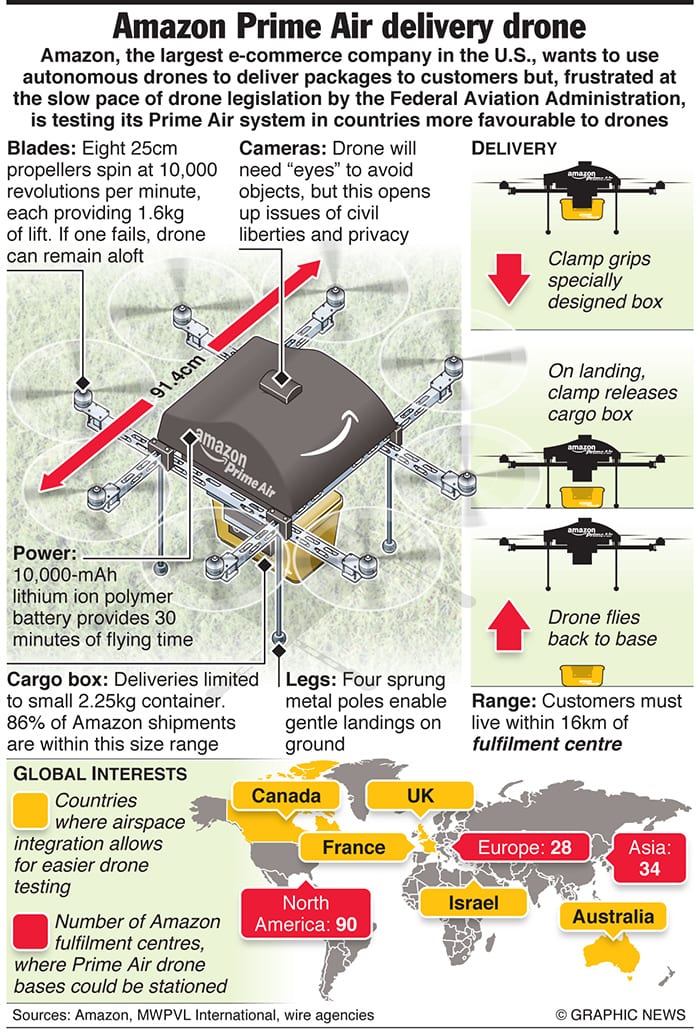
- Drone and Autonomous Vehicle Exploration: Amazon continues to invest in futuristic delivery methods like drones (Prime Air) and autonomous vehicles. While still in nascent stages for widespread deployment, these initiatives demonstrate a continuous push to leverage cutting-edge robotics and AI for even faster and more efficient last-mile delivery.
Prime Video & Music: Streaming Innovation at Scale
Prime’s digital entertainment offerings are powered by sophisticated streaming technology designed for global reach and high-quality delivery.
- Adaptive Bitrate Streaming: Prime Video and Prime Music utilize adaptive bitrate streaming, which dynamically adjusts the quality of the video or audio stream based on the user’s internet connection speed and device capabilities. This ensures a consistent, buffer-free experience whether on high-speed fiber or mobile data.
- Global Content Delivery Networks (CDNs): Content is distributed across AWS’s global network of edge locations. When a user requests a movie or song, the content is served from the geographically closest server, minimizing latency and maximizing streaming performance.
- Recommendation Engines: Powerful machine learning algorithms analyze user viewing and listening habits, preferences, and ratings to provide highly personalized content recommendations. This technology helps users discover new content and enhances engagement.
- Multi-Platform Compatibility: Prime Video and Music apps are developed for a vast array of devices – smart TVs, gaming consoles, mobile phones, tablets, Fire devices, and web browsers – requiring significant software engineering to ensure consistent functionality and user experience across diverse operating systems and hardware.
Prime Reading & Photos: Digital Content Management
These services showcase Amazon’s prowess in digital content distribution and cloud storage.
- Prime Reading: This feature provides access to a rotating library of ebooks and magazines. It leverages Amazon’s Kindle ecosystem, including its robust DRM (Digital Rights Management) technology to protect copyrighted content and its seamless syncing capabilities across Kindle devices and apps.
- Amazon Photos: Offering unlimited full-resolution photo storage for Prime members, Amazon Photos relies on AWS’s massive S3 (Simple Storage Service) infrastructure. This cloud storage solution provides extreme durability, availability, and scalability, ensuring users’ precious memories are safe and accessible from any device. AI is also used for automatic tagging and organization of photos, making search and retrieval effortless.
Beyond the Basics: Advanced Tech Features and Services
Amazon Prime is a continually evolving service, constantly integrating new technologies and expanding its offerings. These advanced features further cement its position as a tech-driven powerhouse.

Prime Gaming and Twitch Integration
Prime Gaming (formerly Twitch Prime) exemplifies Amazon’s strategic integration of acquisitions into the Prime ecosystem. Twitch, a leading live streaming platform for gamers, was acquired by Amazon, and its technology is now tightly woven into Prime.
- Seamless Account Linking: Prime members can easily link their Amazon and Twitch accounts to unlock benefits like free monthly channel subscriptions, free games, and exclusive in-game content. This integration requires robust API connections and secure authentication protocols between two large platforms.
- Content Distribution and Rewards System: The system for delivering free games and in-game loot is highly automated, leveraging Amazon’s digital content distribution pipelines and a sophisticated rewards management system that tracks eligibility and redemption across millions of users.
Smart Shopping with Prime: AI-Driven Recommendations and Deals
Shopping on Amazon.com, particularly for Prime members, is heavily influenced by artificial intelligence and machine learning.
- Personalized Product Recommendations: Amazon’s recommendation engine is legendary. It analyzes a vast dataset of user browsing history, purchase patterns, ratings, and even items viewed by similar customers to suggest highly relevant products. This technology significantly enhances the shopping experience and drives sales.
- Prime Early Access and Exclusive Deals: Algorithms manage the availability and visibility of Prime-exclusive deals and early access to Lightning Deals, ensuring they are presented to eligible members at the right time.
- Voice Shopping with Alexa: Prime members can utilize Alexa-enabled devices for voice shopping, adding items to their cart, or reordering essentials. This integration requires sophisticated natural language processing (NLP) and speech recognition technology to accurately interpret commands and securely process transactions.
The Evolving Prime Experience: IoT and Voice Integration
Amazon’s venture into the Internet of Things (IoT) through devices like Echo speakers and Fire TV sticks, powered by the Alexa voice assistant, has created a deeply integrated ecosystem where Prime services are easily accessible.
- Alexa-Enabled Prime Access: Users can control Prime Video playback, play Prime Music, or reorder products simply by speaking to their Alexa device. This hands-free interaction is a direct result of advancements in voice AI and the tight integration of Prime’s digital services with the Alexa platform APIs.
- Smart Home Integration: Prime’s convenience extends to the smart home. For example, Amazon Key allows Prime members to receive in-home or in-garage deliveries, leveraging smart lock technology and camera systems, all managed through a secure app.
The User Experience: Interacting with Prime’s Technology
Ultimately, all this underlying technology converges to create a user experience that is intuitive, efficient, and deeply personal. The interaction points are carefully designed to leverage the power of the backend systems while remaining user-friendly.
Navigating the Prime Interface: Web, App, and Devices
Amazon invests heavily in user interface (UI) and user experience (UX) design across its various platforms.
- Cross-Device Consistency: Whether accessing Prime via a web browser, the Amazon shopping app, a Fire TV stick, or an Echo Show, the interface aims for a consistent and recognizable experience, reducing the learning curve for users across different devices.
- Optimized Performance: The apps and web interfaces are engineered for speed and responsiveness, critical for a service that promises instant gratification. This involves efficient code, optimized asset loading, and distributed server architecture to minimize lag.
Personalization Through Data and Machine Learning
The true magic of Prime’s user experience lies in its highly personalized nature. Every interaction is designed to make the user feel understood and catered to.
- Profile-Based Customization: From recommended products on the homepage to tailored content suggestions on Prime Video, the entire experience is customized based on individual user profiles, derived from their historical behavior and stated preferences.
- A/B Testing and Iterative Design: Amazon constantly performs A/B testing on its interfaces and features, using data to inform design decisions and continuously optimize the user experience for engagement and conversion. This iterative approach ensures the platform is always evolving based on real-world user interaction.
The Future Trajectory of Prime Technology
Amazon’s commitment to innovation means Prime’s technological evolution is continuous. The future will likely see even deeper integration of AI, further automation, and expansion into new areas that enhance convenience and personalization.
Enhancing Delivery Automation and Efficiency
Future developments will likely focus on even greater automation in the logistics chain. This includes more sophisticated AI for inventory prediction, wider deployment of robotics in fulfillment centers, and advanced drone/autonomous vehicle delivery systems that can navigate complex urban environments. The goal is to achieve near-instantaneous delivery for a wider range of products, pushing the boundaries of physical logistics powered by digital intelligence.

Expanding Content Personalization and Interactivity
In digital entertainment, the focus will be on even more nuanced content personalization, potentially incorporating generative AI to create interactive storytelling experiences or dynamic content tailored to individual viewer preferences. We might also see greater integration of augmented reality (AR) and virtual reality (VR) technologies, transforming how users consume and interact with Prime Video and Gaming content. The ambition is to move beyond simple recommendations to truly adaptive and immersive digital experiences, anticipating user needs even before they articulate them.
In conclusion, “how Amazon Prime works” is a story of relentless technological innovation. It’s about harnessing the power of cloud computing, big data, artificial intelligence, and sophisticated logistics to deliver a multifaceted service that consistently redefines customer expectations for convenience and value in the digital age. As technology continues to advance, Amazon Prime will undoubtedly remain at the forefront, pushing boundaries and shaping the future of digital membership services.
aViewFromTheCave is a participant in the Amazon Services LLC Associates Program, an affiliate advertising program designed to provide a means for sites to earn advertising fees by advertising and linking to Amazon.com. Amazon, the Amazon logo, AmazonSupply, and the AmazonSupply logo are trademarks of Amazon.com, Inc. or its affiliates. As an Amazon Associate we earn affiliate commissions from qualifying purchases.