
For anyone navigating the complex world of investing, understanding the precise operating hours of the stock market is foundational. While the market itself is a global, dynamic entity, specific exchanges adhere to strict schedules. The question, “What time does the stock market open Central Time?” is more than just a logistical query; it’s a gateway to understanding market dynamics, optimizing trading strategies, and staying ahead in an environment where every minute can count.
The primary U.S. stock exchanges, namely the New York Stock Exchange (NYSE) and the NASDAQ, operate on Eastern Time (ET). This means that for investors and market participants situated in the Central Time Zone (CT), a conversion is always necessary. The core trading session for these exchanges runs from 9:30 AM ET to 4:00 PM ET. Consequently, for those in the Central Time Zone, the stock market opens at 8:30 AM CT and closes at 3:00 PM CT. This seemingly simple conversion underpins critical timing for a vast number of investors, from individual traders to institutional fund managers, whose daily routines and strategic decisions are inextricably linked to these hours.
Understanding this timing isn’t just about showing up when the bells ring; it’s about grasping the heartbeat of the market, recognizing periods of high volatility, volume, and opportunity, and aligning one’s financial activities with the rhythmic pulse of global capitalism. This article will delve deeper into the nuances of market hours, the significance of time zones, the lesser-known extended trading sessions, and why these temporal considerations are paramount for any serious investor.
Understanding Standard Stock Market Hours
The backbone of U.S. financial markets is formed by the New York Stock Exchange (NYSE) and the NASDAQ. These two giants dictate the regular trading hours that most investors refer to. Knowing their standard schedule is the first step in effective market participation.
New York Stock Exchange (NYSE) and NASDAQ Explained
The NYSE, often referred to as “the Big Board,” is a physical exchange located on Wall Street, known for its auction-based trading system and listing many of the world’s oldest and largest companies. The NASDAQ, on the other hand, is a fully electronic exchange, pioneering screen-based trading and home to a vast number of technology and growth companies. Despite their operational differences and the types of companies they list, both exchanges adhere to the same official trading hours for their regular sessions. This standardization simplifies things for investors, as they don’t need to juggle different schedules for different stocks.
The Core Trading Window: 9:30 AM to 4:00 PM ET
The official “regular trading session” for both the NYSE and NASDAQ is from 9:30 AM Eastern Time (ET) to 4:00 PM Eastern Time (ET), Monday through Friday. This six-and-a-half-hour window is when the vast majority of trading volume occurs, when most institutional orders are executed, and when daily market news and reports have their most immediate impact. This period is characterized by high liquidity, tight bid-ask spreads, and typically represents the most efficient pricing environment for securities. Understanding this core window is crucial, as it sets the baseline for all market activities, influencing everything from the release of earnings reports to the execution of complex trading strategies. For investors in other time zones, converting these hours accurately is paramount to avoid missed opportunities or ill-timed trades.
The Crucial Role of Time Zones
While the official market hours are set in Eastern Time, the reality of a geographically dispersed investor base means that time zone conversions are a constant and critical consideration. Misinterpreting these conversions can lead to missed trades, delayed reactions to news, or even unnecessary stress.
Converting Eastern Time to Central Time (and Others)
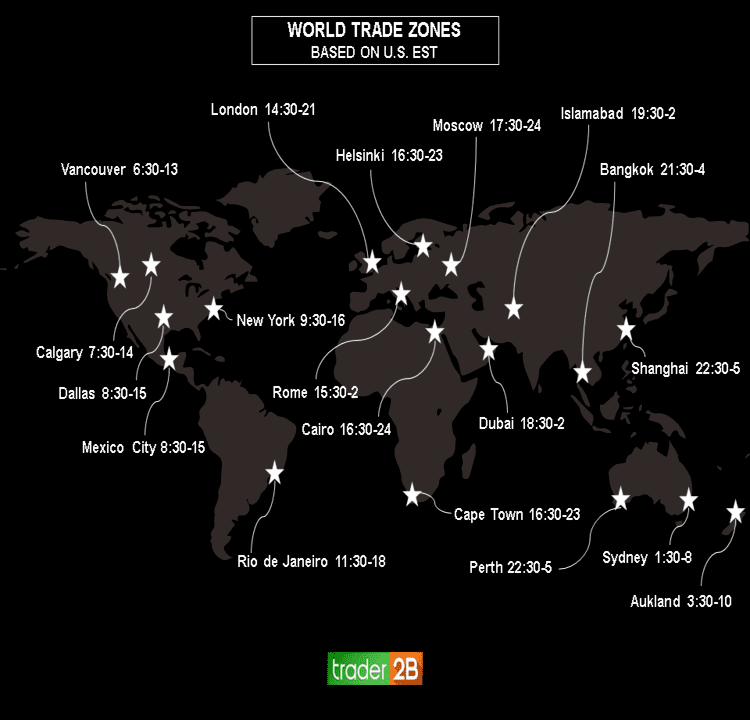
The Central Time Zone (CT) is typically one hour behind Eastern Time (ET). This means that if the market opens at 9:30 AM ET, it opens at 8:30 AM CT. Similarly, the 4:00 PM ET close translates to a 3:00 PM CT close. This one-hour difference is consistent, regardless of daylight saving adjustments, as both zones typically observe it. For those in other U.S. time zones:
- Mountain Time (MT): Two hours behind ET. Market opens 7:30 AM MT, closes 2:00 PM MT.
- Pacific Time (PT): Three hours behind ET. Market opens 6:30 AM PT, closes 1:00 PM PT.
Internationally, the calculations become more complex, requiring careful consideration of Greenwich Mean Time (GMT) or Coordinated Universal Time (UTC) offsets and daylight saving practices in different countries. However, for most individual U.S. investors, the ET to CT conversion is the most frequent and essential.
Implications for Central Time Zone Investors
For investors residing in the Central Time Zone, the market opening at 8:30 AM CT means an earlier start to their investment day compared to what might be considered a standard business day. This can be advantageous for those who prefer to engage with the market during its opening volatility, often driven by overnight news or economic data releases. Conversely, the 3:00 PM CT close means they conclude their active trading earlier, allowing for more evening time for research or other activities.
However, it also means that significant economic data or corporate news released at, say, 8:30 AM ET might be impacting the market before a CT investor even finishes their first cup of coffee. Being aware of the local time for key economic announcements (which are almost always released in ET) is crucial for CT-based investors to avoid being caught off guard.
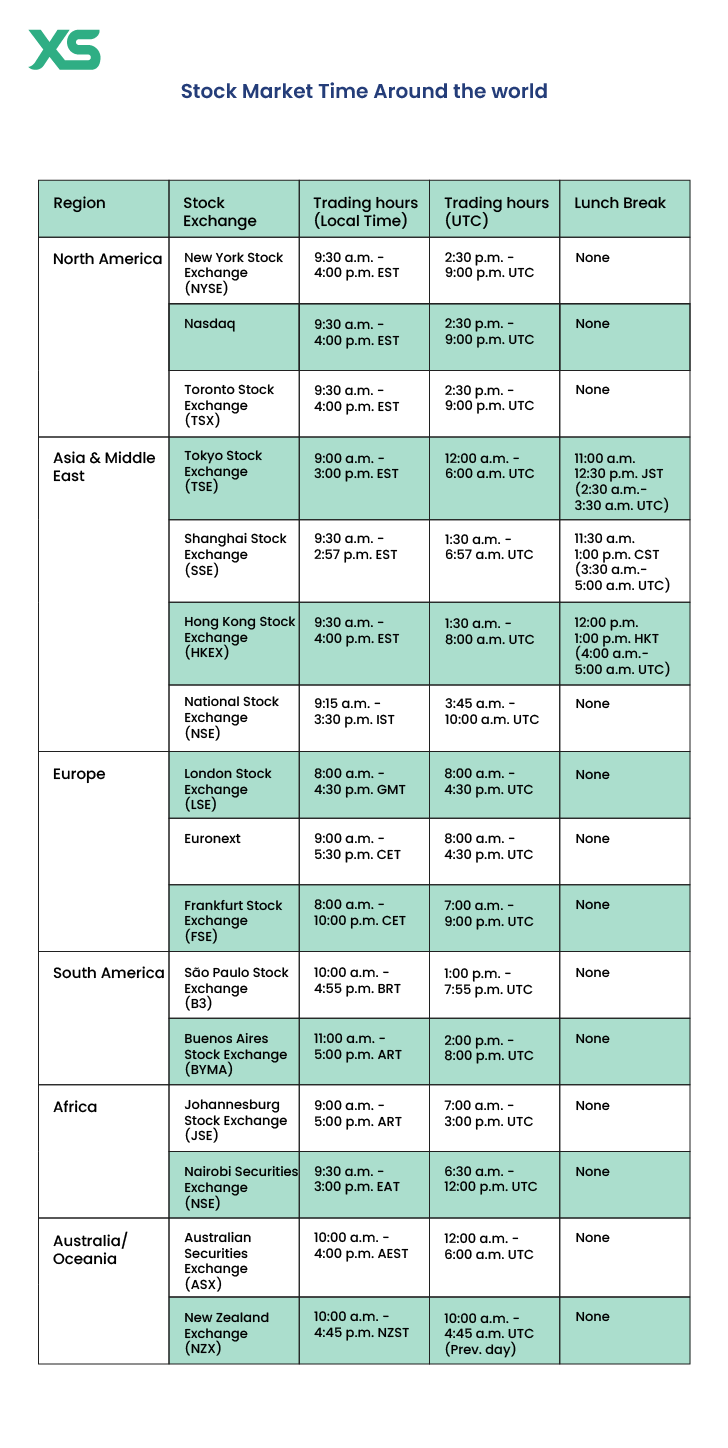
Global Markets: A 24/7 Perspective
While U.S. markets have fixed hours, the concept of a “stock market” operating 24/7 is essentially true when considering global exchanges. As one market closes, another is opening. For instance, while U.S. markets are winding down, Asian markets like Tokyo and Hong Kong are often already in full swing for their next trading day. As they close, European markets like London and Frankfurt take over. This continuous cycle means that major global events or news can significantly influence U.S. market sentiment before the NYSE or NASDAQ even open. Sophisticated investors and institutions often monitor global futures markets (like E-mini S&P 500 futures, which trade almost 24 hours a day) to gauge pre-market sentiment in the U.S. This global interconnectedness highlights why understanding just U.S. market hours in isolation can be insufficient for a truly comprehensive investment strategy.
Beyond Standard Hours: Pre-Market and After-Hours Trading
The “regular trading session” is just one part of the market’s activity. Thanks to electronic trading networks, investors can also trade before the official opening and after the official closing, offering both opportunities and unique risks.
What are Pre-Market and After-Hours Sessions?
Pre-market trading refers to the period before the official 9:30 AM ET opening. It typically begins as early as 4:00 AM ET, though significant volume often doesn’t pick up until closer to 7:00 or 8:00 AM ET.
After-hours trading takes place after the 4:00 PM ET close, often continuing until 8:00 PM ET.
These extended sessions facilitate trading outside regular hours, often driven by news releases, earnings reports, or late-breaking geopolitical events that occur when the main market is closed. They allow investors to react immediately to information, rather than waiting for the next regular session to begin.
Pros and Cons of Extended Trading
Pros:
- Immediate Reaction to News: Allows investors to buy or sell based on breaking news (e.g., unexpected earnings, FDA approvals) without waiting for the next day’s opening.
- Flexibility: Provides more opportunities for individuals with busy daytime schedules to trade.
- Price Discovery: Extended hours can help absorb some of the initial shock of major news, potentially leading to a more stable open during the regular session.
Cons:
- Lower Liquidity: Fewer participants mean lower trading volume, which can lead to wider bid-ask spreads and difficulty in executing large orders without significantly impacting the price.
- Higher Volatility: Thin trading can exaggerate price movements, making stocks more prone to sharp, sudden swings.
- Price Discrepancy: The price at which a stock trades in extended hours might be significantly different from its opening price in the regular session.
- Limited Order Types: Some brokers may restrict the types of orders (e.g., only limit orders) available during extended sessions.
How to Participate (Brokerage Requirements)
To engage in pre-market or after-hours trading, investors typically need to have a brokerage account that supports extended-hours trading. Most major online brokers offer this feature. When placing an order, it’s crucial to specify that it’s an “extended hours” order and typically use a “limit order” rather than a “market order.” A limit order ensures that your trade is executed only at a specified price or better, protecting you from potentially unfavorable prices due to low liquidity. Market orders, which execute immediately at the best available price, can lead to unexpected and disadvantageous prices in extended sessions. Always check with your specific broker for their rules and available trading hours for extended sessions.
Why Market Hours Matter to Investors
Understanding market hours goes beyond mere scheduling; it’s a strategic imperative that influences everything from trading strategy to risk management. The timing of an investor’s actions can significantly impact their outcomes.
Volatility and Volume During Peak Hours
The beginning and end of the regular trading session (the first and last hour) are often the most volatile and highest-volume periods.
- The Opening Hour (8:30 AM to 9:30 AM CT): This period sees a surge in activity as investors react to overnight news, pre-market trading trends, and economic data released before the open. Large institutional orders that accumulated overnight are also executed. This can lead to sharp price movements and presents both significant opportunities for quick gains and substantial risks for rapid losses.
- The Closing Hour (2:00 PM to 3:00 PM CT): The market’s close also sees increased activity as traders rush to square up positions, institutions execute end-of-day orders, and portfolio managers rebalance. This “power hour” can also be highly volatile, with prices sometimes moving significantly in the final minutes.
Conversely, the middle of the trading day (roughly 10:00 AM to 1:00 PM CT) often experiences lower volume and less volatility, as initial reactions subside and traders await new catalysts.
Strategic Entry and Exit Points
For active traders, identifying opportune entry and exit points is paramount, and these are often tied to specific market hours.
- Opening Bell Strategies: Day traders might employ strategies designed to capitalize on the initial volatility, looking for breakouts or reversals driven by strong opening momentum.
- Mid-Day Consolidation: Long-term investors or those executing larger orders might prefer the calmer mid-day period to achieve better execution prices with less price impact.
- Closing Bell Adjustments: Traders might use the final hour to make strategic adjustments, either closing out positions to avoid overnight risk or taking new positions based on late-breaking news.
Understanding these patterns allows investors to align their actions with their specific trading style and risk tolerance.
Information Flow and News Releases
The timing of information is intimately linked to market hours. Most major economic reports (e.g., inflation data, unemployment figures) are released before the market opens (e.g., 8:30 AM ET). Corporate earnings reports are often released either before the market open or after the market close to give investors time to digest the information without immediate market reaction.
Knowing when critical information is scheduled for release allows investors to anticipate market reactions. For instance, being prepared for potential volatility at 8:30 AM CT if a significant economic report is due at 8:30 AM ET is crucial. Conversely, monitoring after-hours news releases can provide an edge for the next day’s regular session.
Impact on Different Investment Styles (Day Trading vs. Long-Term)
Market hours impact different investment styles in varying ways:
- Day Traders: Are highly dependent on market hours, often focusing on the opening and closing volatility. They monitor markets continuously during their active trading window (e.g., 8:30 AM – 3:00 PM CT).
- Swing Traders: Who hold positions for a few days to weeks, also pay close attention to market hours for entry and exit points, especially around major news events. They might use extended hours for initial reactions.
- Long-Term Investors: While less concerned with minute-by-minute fluctuations, still benefit from understanding market hours. Knowing when news breaks can help them assess the market’s reaction to major developments, informing their long-term conviction or prompting re-evaluation of their holdings. They are also less likely to engage in extended-hours trading due to liquidity concerns.
Navigating Market Holidays and Disruptions
While the stock market operates on a standard Monday-to-Friday schedule, there are specific days when it remains closed or has modified hours. Being aware of these exceptions is just as important as knowing the regular schedule.
Major U.S. Stock Market Holidays
The U.S. stock market observes several federal holidays, during which it remains completely closed. These typically include:
- New Year’s Day
- Martin Luther King, Jr. Day
- Washington’s Birthday (Presidents’ Day)
- Good Friday (though not a federal holiday, it’s observed by the stock market)
- Memorial Day
- Juneteenth National Independence Day
- Independence Day
- Labor Day
- Thanksgiving Day
- Christmas Day
It’s important to note that if a holiday falls on a weekend, the market closure usually shifts to the nearest weekday (e.g., if Christmas Day is a Saturday, the market might be closed on the preceding Friday). Investors should always consult the official holiday schedule published by the NYSE and NASDAQ at the beginning of each year.
Early Closures and Unscheduled Disruptions
In addition to full-day holidays, the market occasionally has early closures. A common example is the day after Thanksgiving (Black Friday), when the market typically closes at 1:00 PM ET (12:00 PM CT). Pre-Christmas Eve, if it falls on a weekday, might also see an early close.
Unscheduled disruptions, though rare, can also occur due to unforeseen events like severe weather (e.g., hurricanes that directly impact New York City) or technical issues. In such cases, exchanges will issue official announcements regarding delays, early closures, or full-day cancellations. During these times, communication from your brokerage and reliable financial news outlets becomes critical.
Staying Informed About Market Schedules
To avoid any surprises, investors should make it a habit to regularly check the official holiday calendars provided by the NYSE and NASDAQ. Most reputable financial news websites and brokerage platforms also prominently display upcoming market holidays and special hours. Subscribing to market news alerts can also provide timely notifications of any unexpected disruptions. Being proactive in understanding these schedule variations ensures that investors can plan their trading and investment activities effectively, preventing frustration and potential missed opportunities or ill-timed orders.
Conclusion
Understanding “what time the stock market opens Central Time” is far more than a simple fact; it’s a cornerstone of effective financial strategy for any investor. The answer—8:30 AM CT for the opening and 3:00 PM CT for the closing of the regular session—is just the starting point. Delving deeper reveals a landscape where time zones critically impact investment decisions, where extended trading hours offer both opportunities and risks, and where strategic awareness of market rhythms can provide a distinct edge.
From recognizing the heightened volatility at the opening and closing bells to navigating the nuanced information flow surrounding major news releases, timing is intrinsically linked to successful investing. Furthermore, being prepared for market holidays and potential unscheduled disruptions ensures that investors can maintain continuity in their financial planning and execution. In a world where financial markets are increasingly interconnected and information travels at the speed of light, precise knowledge of when and how to engage with the market is not merely a convenience—it is a necessity for making informed, insightful, and ultimately profitable investment decisions. By mastering these temporal aspects, investors can better position themselves to capitalize on opportunities and mitigate risks in the dynamic world of the stock market.
aViewFromTheCave is a participant in the Amazon Services LLC Associates Program, an affiliate advertising program designed to provide a means for sites to earn advertising fees by advertising and linking to Amazon.com. Amazon, the Amazon logo, AmazonSupply, and the AmazonSupply logo are trademarks of Amazon.com, Inc. or its affiliates. As an Amazon Associate we earn affiliate commissions from qualifying purchases.