
For the modern retail investor, the question of when the market opens is no longer as straightforward as it once was. Historically, the financial world was governed by the ringing of a physical bell on Wall Street, strictly adhering to a 9:30 AM to 4:00 PM Eastern Time schedule. However, with the rise of digital brokerage platforms like Robinhood, the boundaries of the trading day have blurred. Understanding the specific hours available on Robinhood—including pre-market, after-hours, and the pioneering 24-hour market—is essential for anyone looking to navigate the complexities of personal finance and equity investing.
The Core Trading Schedule: Understanding Standard Market Hours
The foundation of the American financial system rests on the operating hours of the two largest stock exchanges in the world: the New York Stock Exchange (NYSE) and the NASDAQ. For Robinhood users, these “Standard Market Hours” represent the period of highest liquidity and most stable price discovery.
The 9:30 AM Opening Bell
In the United States, the stock market officially opens at 9:30 AM Eastern Time (ET). This is the moment when the “opening cross” occurs, a process where buy and sell orders accumulated overnight are matched to establish a starting price for the day. For Robinhood investors, this is often the most volatile time of the day. Prices can swing wildly in the first thirty minutes as the market reacts to overnight news, corporate earnings reports, or macroeconomic data released by the government.
The 4:00 PM Closing Bell
Standard trading concludes at 4:00 PM ET. The “closing cross” functions similarly to the opening, determining the official closing price for securities. Most retail investors prefer trading within these hours because the “bid-ask spread”—the difference between what a buyer is willing to pay and what a seller is willing to accept—is typically at its narrowest. This efficiency is driven by the sheer volume of institutional and retail participants active during the day.
Time Zone Considerations for Global Investors
One of the most common points of confusion for Robinhood users is the translation of Eastern Time to their local clocks. Because the financial markets are anchored in New York, an investor in California must be ready at 6:30 AM PT, while an investor in London might see the market open at 2:30 PM GMT. Robinhood’s interface generally adjusts to show local time, but seasoned investors always keep an eye on the ET clock to sync with the primary flow of capital.
Robinhood’s Extended Hours and the 24-Hour Market Revolution
Robinhood gained significant traction by democratizing access to “Extended Hours Trading,” a feature once reserved for institutional “whales” or high-net-worth individuals. By expanding the window in which users can transact, the platform allows retail investors to react to news that happens outside the traditional 9:30-to-4 window.
Pre-Market and After-Hours Trading
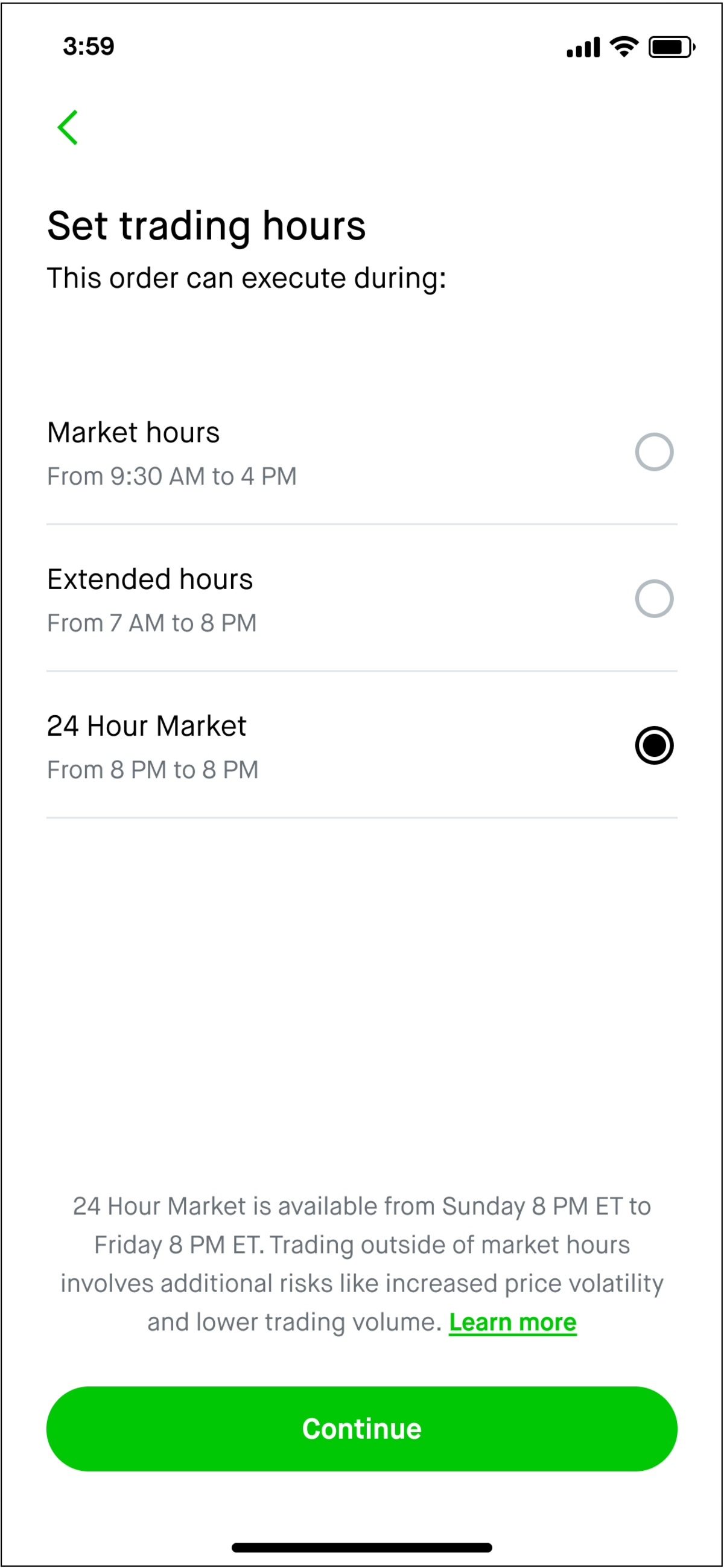
On Robinhood, extended hours allow for trading well before the opening bell and long after the closing bell.
-
Pre-Market: On Robinhood, pre-market trading typically begins at 7:00 AM ET. This two-and-a-half-hour window allows investors to position themselves ahead of the official open.
-
After-Hours: After the 4:00 PM close, Robinhood supports trading until 8:00 PM ET. This is a critical window for corporate earnings, as most public companies release their financial results shortly after 4:00 PM to avoid causing immediate chaos during the regular session.
The Robinhood 24-Hour Market
In a move that significantly disrupted the brokerage industry, Robinhood introduced the “24-Hour Market.” This feature allows users to trade select individual stocks and ETFs five days a week, 24 hours a day.
The 24-Hour Market operates from Sunday at 8:00 PM ET through Friday at 8:00 PM ET. This means that if a major geopolitical event occurs at 2:00 AM on a Tuesday, a Robinhood user can potentially exit a position or enter a new one immediately, rather than waiting for the 7:00 AM pre-market or the 9:30 AM open. However, it is important to note that not every stock is available for 24-hour trading; the platform typically limits this to the most liquid ETFs and large-cap stocks.
The Risks of Non-Traditional Hours
While extended and 24-hour trading offers flexibility, it comes with unique risks that every personal finance enthusiast should understand:
-
Lower Liquidity: Fewer people are trading at 3:00 AM than at 10:00 AM. This means it can be harder to find a buyer or seller at your desired price.
-
Higher Volatility: With fewer participants, a single large trade can cause a disproportionate move in a stock’s price.
-
Wider Spreads: The gap between the bid and ask prices often widens during off-hours, meaning you might pay more to buy or receive less to sell than you would during the day.
Navigating Market Holidays and Weekend Closures
While the digital world never sleeps, the traditional financial infrastructure still observes the calendar. For Robinhood users, this means that even the 24-hour market has its limits, primarily during weekends and federal holidays.
Standard Market Holidays
The NYSE and NASDAQ close for several federal holidays each year. On these days, standard trading, pre-market, and after-hours trading are unavailable. These holidays include:
-
New Year’s Day
-
Martin Luther King Jr. Day
-
Presidents’ Day
-
Good Friday
-
Memorial Day
-
Juneteenth National Independence Day
-
Independence Day (July 4th)
-
Labor Day
-
Thanksgiving Day
-
Christmas Day
When a holiday falls on a weekend, the market typically closes on the nearest Friday or Monday in observance. Robinhood provides notifications within the app to alert users of upcoming closures, which is vital for those managing short-term strategies or margin requirements.
Early Closures
There are also specific days where the market “closes early,” typically at 1:00 PM ET. This often occurs on the day after Thanksgiving (Black Friday) and sometimes on Christmas Eve. During these shortened sessions, the volume of trading is usually light, but the market dynamics remain the same as a full session.
Cryptocurrency: The True 24/7/365 Asset
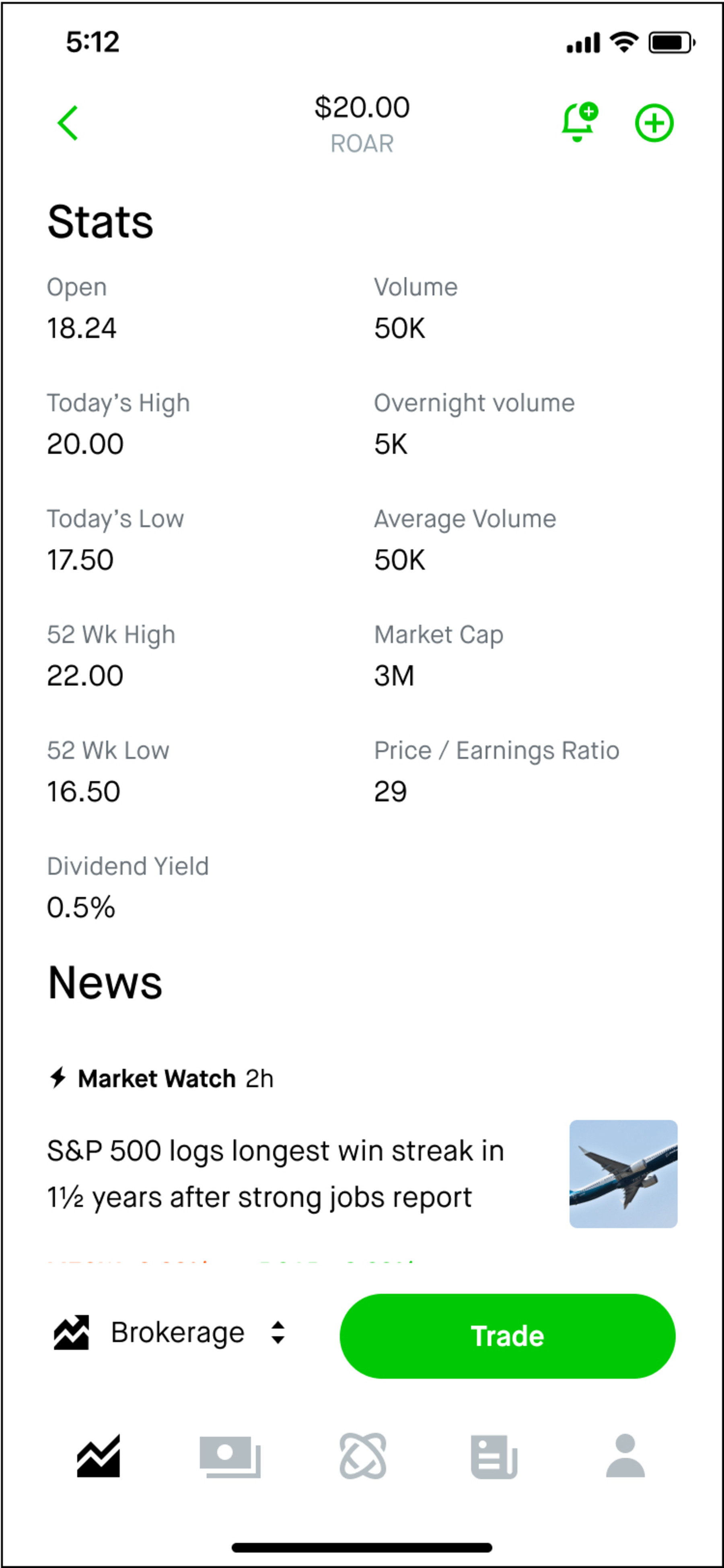
It is worth noting the distinction between the stock market and the cryptocurrency market on Robinhood. Unlike equities, which are bound by exchange hours and holidays, the crypto market never closes. You can trade Bitcoin, Ethereum, and other digital assets on Robinhood at 3:00 PM on Christmas Day or 4:00 AM on a Sunday. This 24/7 nature requires a different psychological approach, as there is no “opening bell” to reset the sentiment.
Technical Considerations for Robinhood Users
To make the most of Robinhood’s available hours, investors must understand the technical tools the platform provides to manage execution. Simply knowing when the market opens is only half the battle; knowing how your order will be handled during those hours is the other half.
Limit Orders vs. Market Orders
During extended hours or the 24-hour market, Robinhood often mandates the use of Limit Orders. A market order tells the broker to buy or sell “at the best available price right now.” In a low-liquidity environment (like 5:00 AM), a market order could execute at a price far worse than expected. A limit order, conversely, specifies the exact maximum price you are willing to pay or the minimum you are willing to accept. This is a crucial safeguard for retail investors operating outside of standard hours.
Order Expiration and “Good ‘Til Canceled”
When you place an order on Robinhood, you must decide if it applies only to the current session or if it should persist.
-
Day Orders: If you place an order at 10:00 AM and it doesn’t fill by 4:00 PM, it expires.
-
Good ‘Til Canceled (GTC): These orders remain active for up to 90 days, or until they are filled or manually canceled. For those who cannot be at their phones when the market opens at 9:30 AM, GTC orders are a vital tool for automated portfolio management.
The Impact of Overnight News
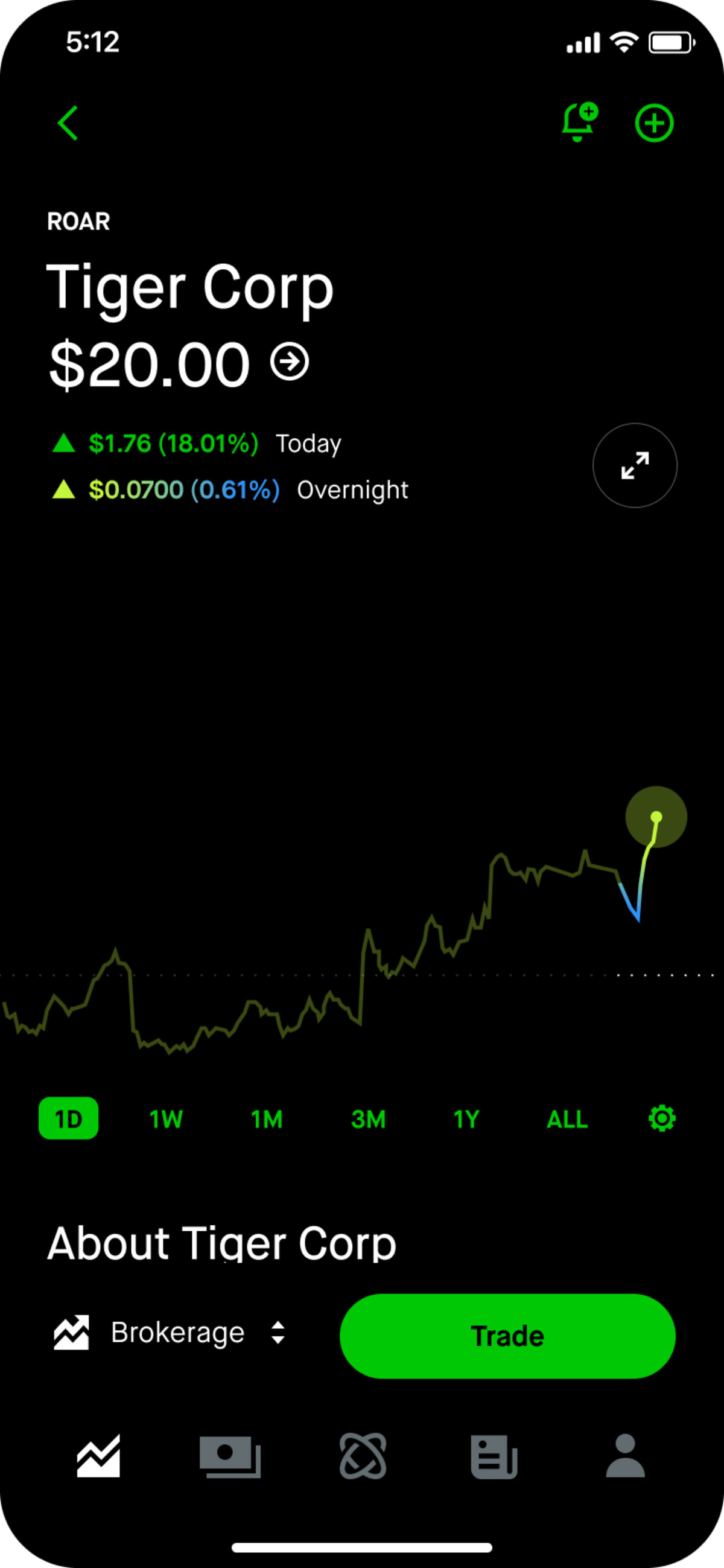
Since the Robinhood market “opens” in various stages, the reaction to overnight news is tiered. A company might report earnings at 4:05 PM. The after-hours traders react first. Then, global markets in Asia and Europe trade overnight, influencing the price. By the time the Robinhood pre-market opens at 7:00 AM, much of the price movement may have already occurred. This highlights why understanding the schedule is fundamental to competitive investing.
Building a Strategic Trading Schedule
Success in the markets is often a matter of discipline rather than just timing. Knowing when Robinhood opens allows you to build a routine that aligns with your financial goals.
The Power Hour and the Opening Cross
Many professional traders focus on the first and last hours of the standard session. The “Opening Hour” (9:30 AM – 10:30 AM) offers the highest volume and most opportunity for those looking to capitalize on volatility. The “Power Hour” (3:00 PM – 4:00 PM) often sees institutional investors rebalancing their portfolios, leading to significant price moves.
Avoiding the “Lunchtime Lull”
Between 12:00 PM and 2:00 PM ET, trading volume often dips as floor traders and institutional desks take breaks. For retail investors on Robinhood, this can be a period of stagnation. If you are looking for quick execution and tight spreads, the midday period is often the least ideal time to enter large positions.
Integrating Market Hours into Personal Finance
For the average person managing a long-term portfolio, the exact minute the market opens may be less important than the consistency of their investment strategy. Using Robinhood’s recurring investment feature allows you to bypass the stress of market hours entirely by automating purchases at set intervals. However, for those looking to maximize their “side hustle” income through active trading or swing trading, the 7:00 AM to 8:00 PM window provided by Robinhood is a powerful asset.
In conclusion, while the official heart of the market beats from 9:30 AM to 4:00 PM ET, Robinhood has effectively extended the day for the modern investor. By utilizing the 7:00 AM pre-market, the 8:00 PM after-hours close, and the 24-hour market for select securities, investors have more flexibility than ever. The key to leveraging these hours lies in understanding the trade-offs between accessibility and liquidity, ensuring that every trade is made with a clear understanding of the clock and the risks associated with the time of day.
aViewFromTheCave is a participant in the Amazon Services LLC Associates Program, an affiliate advertising program designed to provide a means for sites to earn advertising fees by advertising and linking to Amazon.com. Amazon, the Amazon logo, AmazonSupply, and the AmazonSupply logo are trademarks of Amazon.com, Inc. or its affiliates. As an Amazon Associate we earn affiliate commissions from qualifying purchases.