
For anyone navigating the complex and often fast-paced world of financial markets, understanding the operational hours of key exchanges is not merely a logistical detail but a foundational element of sound investment strategy. The New York Stock Exchange (NYSE), often dubbed “The Big Board,” stands as the world’s largest stock exchange by market capitalization, a titan of global finance where trillions of dollars change hands daily. Knowing precisely when its trading floor springs to life each day is paramount for investors, traders, and financial professionals alike, influencing everything from trade execution to market analysis.
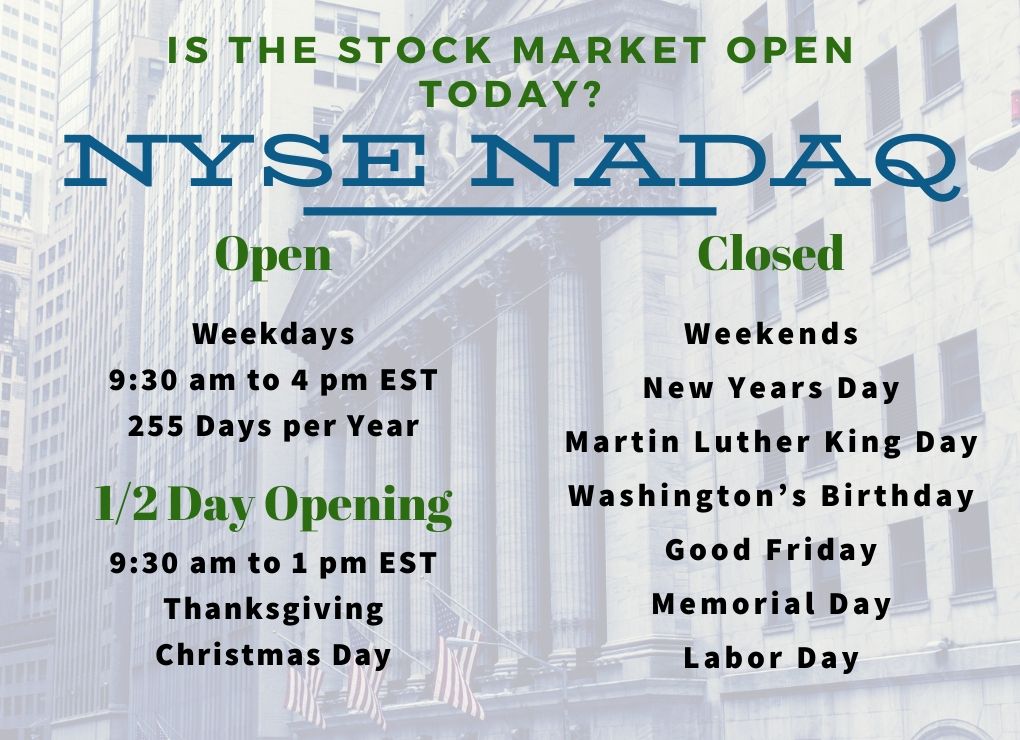
Today, like most standard trading days, the NYSE will open its doors for the primary trading session at 9:30 AM Eastern Time (ET). The iconic opening bell ceremony marks the official commencement of trading, signaling the moment buy and sell orders begin to be executed on a large scale. This standardized schedule is not arbitrary; it is a meticulously designed framework that underpins market efficiency, transparency, and global participation. While the 9:30 AM ET opening is the cornerstone, the full picture of market access extends beyond these core hours, encompassing pre-market and after-hours sessions that offer additional windows of opportunity and risk. This article delves into the specifics of NYSE trading hours, elucidating their importance and offering insights into how different market participants leverage this critical information.
The Rationale Behind Standardized Market Hours
The establishment and adherence to fixed trading hours for exchanges like the NYSE are pillars of the modern financial system. Far from being a relic of a bygone era, these structured periods serve multiple vital functions that contribute to market integrity, liquidity, and investor confidence. Understanding the “why” behind these hours reveals their intrinsic value in maintaining a robust and equitable trading environment.
Ensuring Fair and Orderly Markets
One of the primary reasons for standardized hours is to concentrate trading activity, thereby fostering deeper liquidity. When all market participants know they have a specific window to trade, it consolidates buyers and sellers, leading to tighter bid-ask spreads and more efficient price discovery. This concentration helps prevent fragmentation and ensures that prices accurately reflect the collective sentiment and available information. Without these fixed periods, trading could become sporadic and illiquid, making it difficult to execute large orders without significantly impacting prices, leading to greater volatility and potential for manipulation. The structured hours also provide regulators with a clearer framework for surveillance and enforcement, contributing to an orderly and fair market environment where all participants operate under the same rules and access conditions during the main session.
Facilitating Global Participation
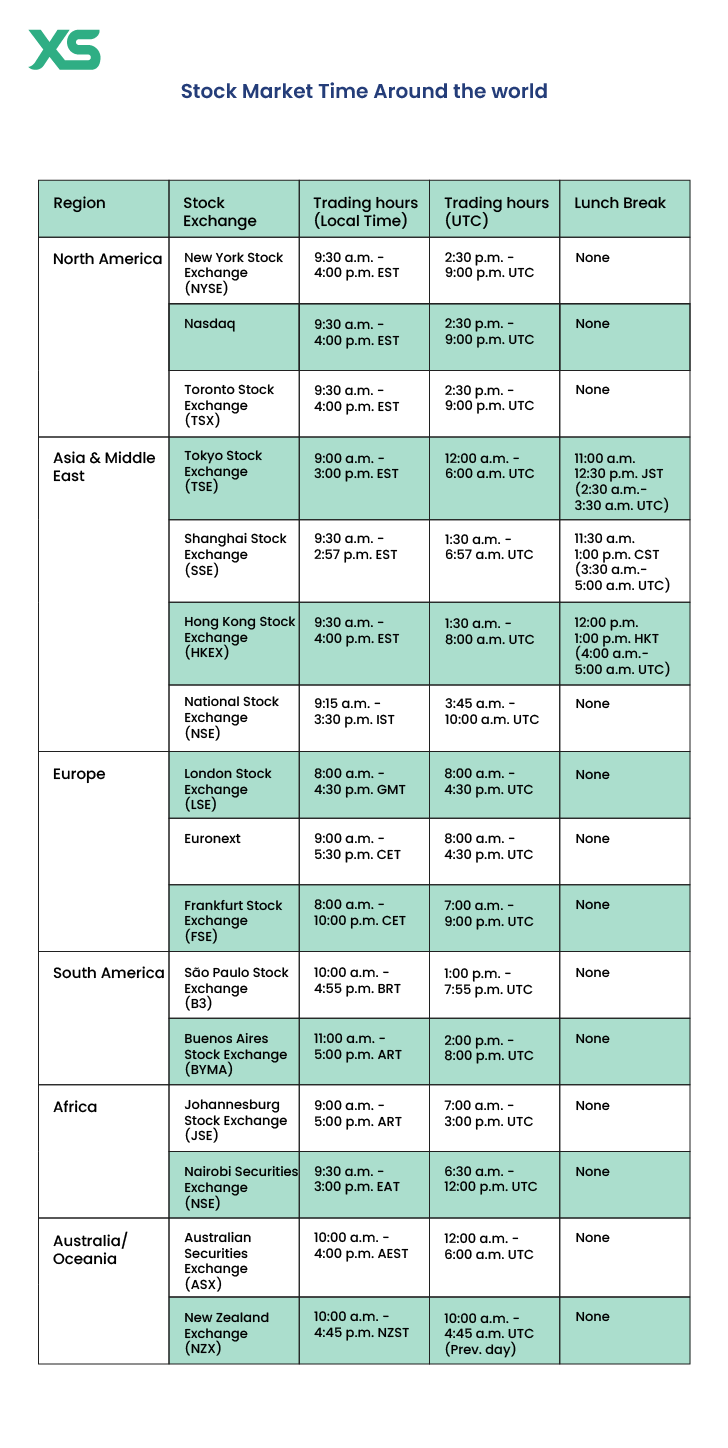
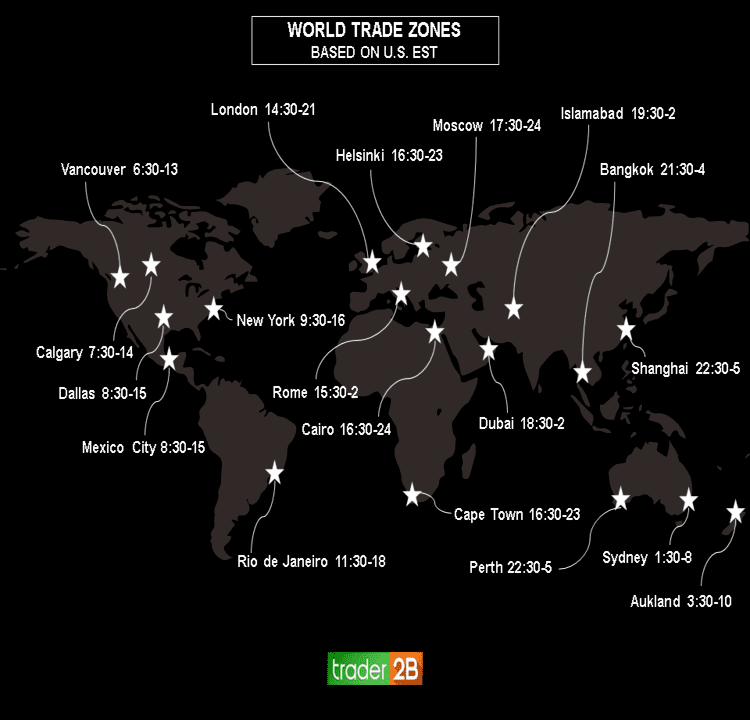
While the NYSE operates on Eastern Time, its influence is global. Standardized hours facilitate participation from investors and institutions across different time zones. By setting clear boundaries for the trading day, international participants can plan their activities, manage currency conversions, and integrate NYSE trading into their broader global investment strategies. For instance, European markets may close just as the NYSE reaches its mid-day, allowing for a logical transition of focus. Asian markets, while operating on a significantly different time cycle, have a predictable window within which to react to and interact with U.S. market movements. This global coordination, while imperfect, is significantly aided by fixed trading hours, ensuring that the world’s capital markets remain interconnected and accessible.
The Role of Pre-Market and After-Hours Trading
While the official 9:30 AM to 4:00 PM ET session defines the core trading day, the financial landscape has evolved to include pre-market and after-hours trading. These extended hours, facilitated by electronic communication networks (ECNs), allow investors to react to news and events outside the traditional session. Pre-market trading typically begins as early as 4:00 AM ET, while after-hours trading can extend until 8:00 PM ET. These sessions offer flexibility but come with caveats: lower liquidity, wider spreads, and increased volatility are common characteristics. They cater to different strategic needs, allowing for immediate reactions to earnings reports or breaking geopolitical news that might emerge overnight or after the market closes. However, they are not intended to replace the primary trading session but rather to supplement it, offering a controlled environment for certain types of trading activity.
A Deep Dive into NYSE Trading Hours
A nuanced understanding of the NYSE’s operational schedule is critical for anyone engaging with the stock market. This involves not only grasping the core trading session but also appreciating the significance and characteristics of the extended trading periods, as well as recognizing days when the market observes holidays.
The Standard Session: Open and Close Bells
The heart of the NYSE trading day runs from 9:30 AM Eastern Time (ET) to 4:00 PM ET. This is the period of highest liquidity, greatest volume, and most active price discovery. The opening bell, often rung by a dignitary or CEO, symbolizes the commencement of business, while the closing bell marks its cessation. During these 6.5 hours, millions of transactions occur, driven by a complex interplay of supply, demand, economic data, corporate news, and global events. This is the time when institutional investors execute large block trades, retail investors place their orders, and market makers ensure continuous liquidity. Strategies like day trading thrive within this window, leveraging intraday price movements, while long-term investors often use this time to assess market sentiment and execute trades based on fundamental analysis.
Understanding Pre-Market Trading
Pre-market trading refers to the period before the official 9:30 AM ET opening. For the NYSE, this typically starts as early as 4:00 AM ET and extends until 9:30 AM ET. This session is primarily facilitated through Electronic Communication Networks (ECNs) rather than the physical trading floor. Key characteristics of pre-market trading include:
- Lower Liquidity: Fewer participants mean fewer buyers and sellers, which can lead to larger price swings on relatively small trade volumes.
- Wider Spreads: The difference between the bid (highest price a buyer is willing to pay) and ask (lowest price a seller is willing to accept) tends to be wider due to lower liquidity.
- Reactions to News: Major corporate earnings reports, economic data releases, or geopolitical news that break before the market opens often lead to significant price movements during this period.
- Limited Order Types: Not all order types available during standard hours may be supported.
For sophisticated traders, pre-market can be an opportunity to gain an early advantage by reacting swiftly to information. However, the increased volatility and reduced liquidity present significant risks.
Navigating After-Hours Trading
Conversely, after-hours trading takes place after the 4:00 PM ET closing bell, typically running from 4:00 PM ET until 8:00 PM ET. Similar to pre-market trading, this session is conducted electronically and shares many of its characteristics:
- Lower Volume and Liquidity: Trading activity significantly diminishes compared to the regular session.
- Increased Volatility: News released after the market closes (e.g., late earnings announcements) can cause dramatic price movements in after-hours trading.
- Wider Bid-Ask Spreads: Reduced liquidity again contributes to less favorable pricing.
- Opportunity for Adjustments: Investors might use this period to adjust positions based on late-breaking news or to react to corporate announcements that occurred post-market close.
Both pre-market and after-hours trading require a heightened awareness of risk management due to their inherent characteristics. While they offer flexibility, they are generally not recommended for novice investors without a deep understanding of market dynamics.
Weekend and Holiday Closures
The NYSE, like most major global exchanges, observes weekends and a number of federal holidays. It is closed on Saturdays and Sundays. Additionally, it closes for various U.S. holidays, including New Year’s Day, Martin Luther King, Jr. Day, Presidents’ Day, Good Friday, Memorial Day, Juneteenth National Independence Day, Independence Day, Labor Day, Thanksgiving Day, and Christmas Day. On certain days, such as the day after Thanksgiving or Christmas Eve (when it falls on a weekday), the market may have an early close, typically at 1:00 PM ET. A complete and up-to-date schedule of market holidays and early closings is always published annually by the NYSE and is essential for investors to consult when planning their trading activities.
Why Knowing Market Hours is Crucial for Investors
Beyond mere scheduling, understanding NYSE market hours is a strategic imperative that profoundly impacts trading decisions, risk management, and overall investment success. It’s about optimizing timing to achieve desired outcomes and protect capital.
Impact on Trading Strategies
Different investment strategies are intricately linked to market hours:
- Day Trading: This strategy relies entirely on intraday price fluctuations and is therefore confined to the standard 9:30 AM – 4:00 PM ET session. Day traders monitor the market minute-by-minute, executing numerous trades to capitalize on small price movements, making the core hours their primary battlefield.
- Swing Trading: While swing traders hold positions for several days or weeks, they still benefit from understanding market hours to gauge opening and closing sentiment, execute trades during periods of higher liquidity, and react to overnight news during pre-market.
- Long-Term Investing: Even for those holding investments for years, knowledge of market hours is important for placing orders, understanding when portfolio valuations will update, and recognizing when major news might impact holdings. Placing a “Good-Til-Cancelled” (GTC) order during after-hours, for example, might not get filled until the next regular session, and its price might be affected by overnight news.
Managing Volatility and Price Discovery
The beginning and end of the standard trading session are often characterized by heightened volatility and significant trading volume. The first 30-60 minutes after the open, known as the “opening surge,” sees a rush of orders accumulated overnight, often leading to rapid price movements. Similarly, the “power hour” leading up to the close can be highly active as traders close positions, execute last-minute orders, or rebalance portfolios. Awareness of these periods allows investors to either capitalize on the increased volatility (if their strategy permits) or avoid it if their risk tolerance is lower. During the middle of the day, activity often tapers off, offering potentially calmer conditions for executing larger orders with less price impact.
Preventing Information Asymmetry
Market hours play a critical role in ensuring that information is disseminated and reflected in prices in a relatively fair manner. While sophisticated traders and algorithms may gain fractions of a second in information processing, the structured nature of the market aims to provide all participants with access to the same information within a reasonable timeframe. By knowing when the market is open, investors can anticipate when new information (like economic reports or company announcements) will have its most significant and immediate impact on stock prices. Trading outside of core hours, where information might be less widely digested and liquidity is thinner, can expose investors to greater risks of trading on incomplete or stale information.
Beyond the Opening Bell: Factors Influencing Market Dynamics
While opening hours set the stage, the actual movements within those hours are driven by a confluence of macroeconomic, corporate, and geopolitical factors. An investor’s job is not just to know when the market opens but also what influences its behavior once it does.
Economic Data Releases
Regularly scheduled economic reports from governmental agencies and private organizations have a profound impact on market sentiment and, consequently, stock prices. Data such as inflation rates (CPI, PPI), employment figures (Non-Farm Payrolls), GDP growth, consumer confidence, retail sales, and manufacturing indices (PMI) provide critical insights into the health of the economy. These releases are often scheduled for specific times, frequently before the market opens (e.g., 8:30 AM ET) or during the early hours of the session. Traders and algorithms react almost instantly to these figures, often causing immediate and significant volatility across sectors and individual stocks, especially if the data deviates from consensus expectations.
Corporate Earnings and News
For individual stocks, corporate earnings reports and significant company news are paramount. Publicly traded companies are required to regularly report their financial performance. These earnings announcements, along with news regarding product launches, mergers & acquisitions, regulatory approvals, or executive changes, can cause dramatic swings in a company’s stock price. Companies often release this information either before the market opens or after it closes to give investors time to digest the data without the pressure of live trading. This is where pre-market and after-hours trading become crucial, as investors react swiftly to these disclosures.
Geopolitical Events and Global Market Sentiment
The interconnectedness of global financial markets means that events far beyond U.S. borders can ripple through the NYSE. Major geopolitical events—such as international conflicts, political instability in key economic regions, trade disputes, or significant policy shifts by central banks globally—can introduce uncertainty and fear, leading to broad market sell-offs or shifts in capital flows. Similarly, the performance of other major global markets (e.g., in Europe or Asia) often sets a tone for the NYSE’s opening. A strong close in Asian markets or a weak opening in European bourses can influence investor sentiment in New York, affecting how stocks trade once the NYSE opens.
Technological Advancements in Trading
The relentless march of technology has transformed how markets operate. High-frequency trading (HFT) algorithms, which execute thousands of trades per second, now account for a significant portion of trading volume. The speed of information dissemination and trade execution has compressed decision-making windows. While the NYSE floor still exists, a vast majority of trading occurs electronically. This technological evolution demands that investors, particularly active traders, stay abreast of tools and platforms that offer real-time data, lightning-fast order execution, and sophisticated analytical capabilities. The opening bell is no longer just a physical event; it’s a digital signal triggering complex automated strategies.
Strategic Considerations for Different Investor Profiles
Understanding market hours and the factors that influence market dynamics allows investors to tailor their strategies and manage risk effectively, regardless of their investment horizon or risk tolerance.
For the Active Trader: Leveraging Pre- and Post-Market
Active traders, including day traders and swing traders, can find opportunities in the extended hours, but with a strong emphasis on risk management.
- Pre-Market: Offers a chance to react to overnight news or earnings reports before the broader market digests them. However, due to lower liquidity, large orders can significantly move prices, and stops may not be honored at desired levels. Active traders use advanced charting and real-time news feeds to identify early movers.
- After-Hours: Similar to pre-market, it allows for quick reactions to late-breaking news. It can be used to exit positions quickly or to initiate new ones based on information released post-market. However, the same liquidity and volatility warnings apply. Active traders often employ smaller position sizes and tighter stop-loss orders during these sessions.
For the Long-Term Investor: Focus on Fundamentals
Long-term investors, whose primary focus is on a company’s fundamental health and growth prospects, generally place less emphasis on intraday or extended-hours price movements.
- Strategic Entry/Exit: While not actively trading the volatile fringes, long-term investors still benefit from observing major market reactions during opening and closing hours. A sudden, significant dip at the open due to an overreaction to minor news might present a buying opportunity, or an unexpected surge might be a signal to trim an overvalued position.
- Order Placement: Long-term investors often use limit orders during regular market hours to ensure they buy or sell at their desired price, rather than being subjected to potential slippage in volatile periods. They avoid the less liquid extended hours for significant transactions.
- Information Gathering: Even if not trading daily, understanding when major economic reports or company earnings are released helps long-term investors anticipate potential market shifts and reassess their portfolio’s long-term outlook.
The Importance of Risk Management and Market Awareness
Regardless of the investment style, the underlying principle is always diligent risk management.
- Stop-Loss Orders: While not foolproof, especially in volatile extended hours, stop-loss orders can help limit potential losses. However, be aware of “gap risk” where prices can jump significantly between the close and open, potentially bypassing your stop.
- Diversification: A diversified portfolio helps mitigate the impact of adverse movements in any single stock or sector, particularly during periods of unexpected volatility tied to market hours.
- Continuous Learning: The market is a dynamic entity. Staying informed about economic indicators, geopolitical developments, technological advancements in trading, and regulatory changes is crucial. Resources like financial news outlets, economic calendars, and market analysis platforms are invaluable.
In conclusion, knowing what time the NYSE opens today, and every trading day, is the absolute minimum requirement for participation in the stock market. However, truly successful investors and traders go beyond this basic fact. They integrate a deep understanding of market hours, extended trading sessions, and the multitude of factors that influence price movements into a cohesive strategy, always prioritizing informed decision-making and robust risk management. The opening bell of the NYSE is not just a sound; it’s a call to action for those prepared to navigate the complexities and opportunities of global finance.
aViewFromTheCave is a participant in the Amazon Services LLC Associates Program, an affiliate advertising program designed to provide a means for sites to earn advertising fees by advertising and linking to Amazon.com. Amazon, the Amazon logo, AmazonSupply, and the AmazonSupply logo are trademarks of Amazon.com, Inc. or its affiliates. As an Amazon Associate we earn affiliate commissions from qualifying purchases.