
The New York stock market stands as a global beacon for finance, its opening and closing bells signaling critical moments for investors worldwide. Understanding the precise operating hours of the major U.S. exchanges, primarily the New York Stock Exchange (NYSE) and Nasdaq, is fundamental for anyone participating in or monitoring financial markets. These hours dictate when orders can be executed, when news has its most immediate impact, and how trading strategies must adapt.
Understanding Standard Trading Hours
The bedrock of U.S. stock market operations lies in its standard trading hours, a period of consistent activity and high liquidity that defines the market’s core session. This window is where the vast majority of trading volume occurs and where daily price discovery is most robust.
The Core Session: 9:30 AM to 4:00 PM ET
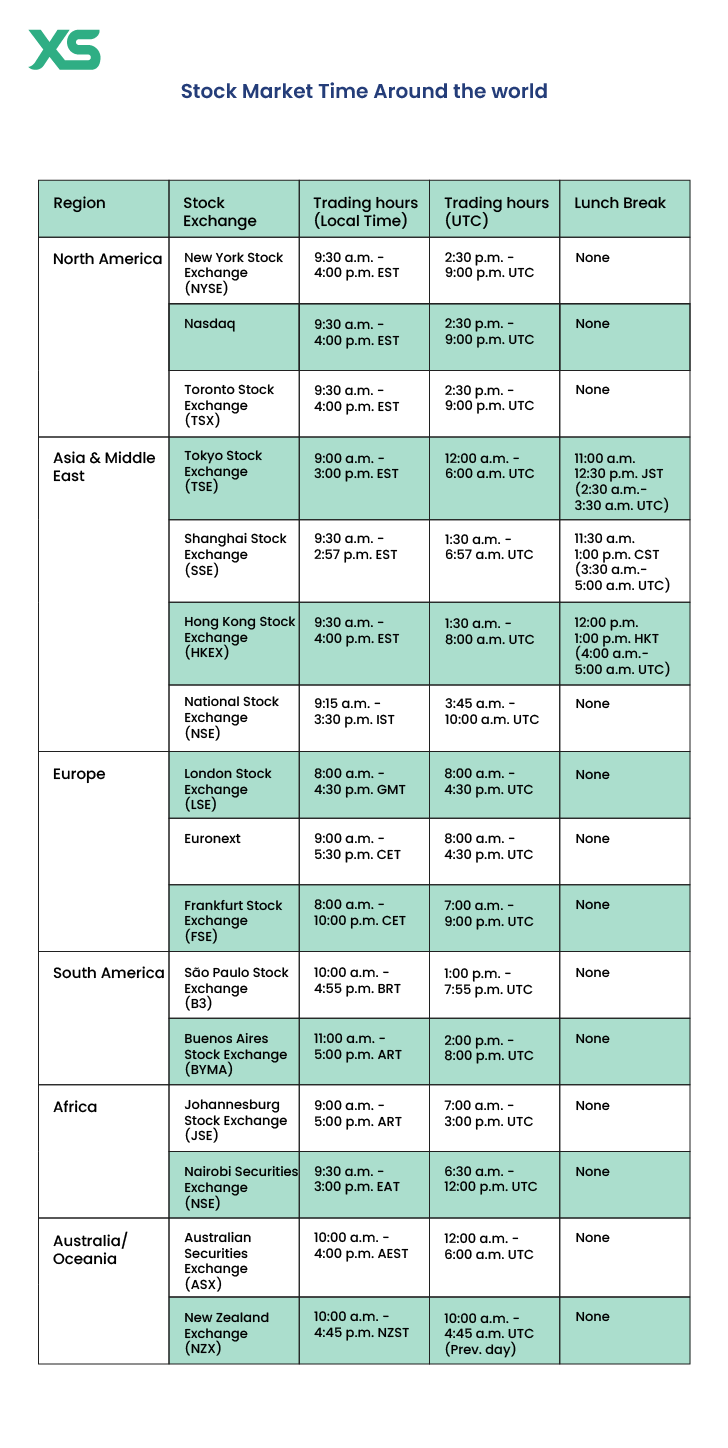
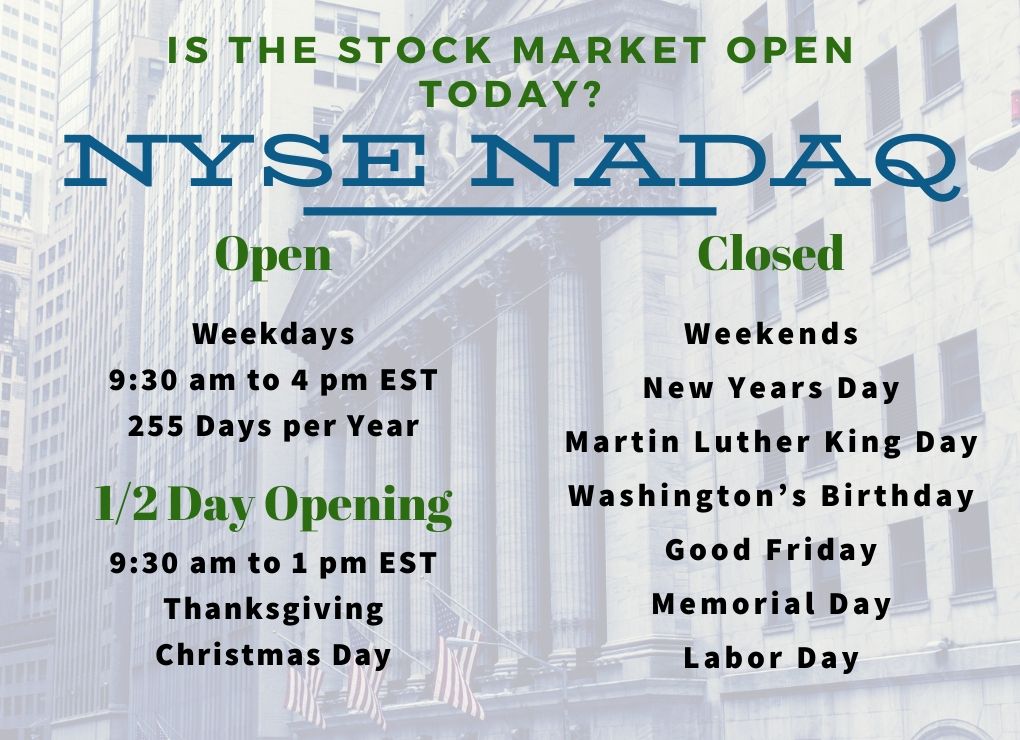
For both the NYSE and Nasdaq, the standard trading session begins promptly at 9:30 AM Eastern Time (ET) and concludes at 4:00 PM ET. This six-and-a-half-hour window is often referred to as “market hours” or “regular trading hours.” During this period, investors can buy and sell stocks, exchange-traded funds (ETFs), and other securities with maximum efficiency and transparency. The market open at 9:30 AM ET typically sees increased volatility and trading volume as participants react to overnight news, economic data releases, and pre-market activity. Similarly, the market close at 4:00 PM ET can also exhibit heightened activity, often referred to as the “closing auction,” where large institutional orders are executed to minimize market impact, and traders adjust their positions before the market goes dark for the night. This structured environment provides a level playing field for both retail and institutional investors, with readily available price information and generally tighter bid-ask spreads.
Why These Hours Matter
The predictability and consistency of standard trading hours are crucial for market participants. For day traders, the opening and closing hours present distinct opportunities and challenges due to increased volatility and volume. Swing traders and long-term investors also monitor these hours, as significant price movements can occur within this window, influencing portfolio performance and strategic decisions. The defined hours also allow for a concentrated period of liquidity, meaning that there are typically more buyers and sellers available, making it easier to execute trades without significantly moving the market price. This liquidity is paramount for efficient price discovery and reduces the risk of large price dislocations. Moreover, major economic reports, corporate earnings announcements, and analyst upgrades/downgrades are frequently scheduled around these hours to maximize their impact and ensure broad dissemination across the market. Understanding these dynamics is essential for developing effective trading and investment strategies.
Key Exchanges: NYSE and Nasdaq
While often spoken of collectively as “the New York stock market,” it’s important to distinguish between the two primary U.S. stock exchanges: the New York Stock Exchange (NYSE) and the Nasdaq Stock Market. Both operate under the same standard trading hours of 9:30 AM to 4:00 PM ET. The NYSE, traditionally known for its physical trading floor and specialist system, lists many of the world’s largest and oldest blue-chip companies. Its opening and closing bells are iconic symbols of Wall Street. Nasdaq, on the other hand, is an electronic exchange known for its technology and growth companies. It pioneered electronic trading and operates purely through a computer network. Despite their differences in history and listing composition, both exchanges adhere to identical trading schedules for regular hours, ensuring a unified market experience for investors trading U.S.-listed securities.
Beyond the Core: Pre-Market and After-Hours Trading
While the standard 9:30 AM to 4:00 PM ET session defines the core trading day, the financial markets offer extended opportunities through pre-market and after-hours trading. These periods allow investors to react to news outside regular hours but come with their own set of characteristics and risks.
Pre-Market Trading: Setting the Tone (4:00 AM to 9:30 AM ET)
Pre-market trading typically begins as early as 4:00 AM ET and extends until the regular market open at 9:30 AM ET. This period allows institutional investors and increasingly, retail investors, to trade securities before the general market session begins. Pre-market activity is often driven by corporate earnings reports released before the market open, economic data, or significant global news events. Traders look to gauge market sentiment and potential opening prices based on pre-market indicators. Volume tends to be significantly lower than during regular hours, and liquidity can be sparse, especially in the earlier hours. This environment can lead to wider bid-ask spreads, meaning the difference between the highest price a buyer is willing to pay and the lowest price a seller is willing to accept is greater.
After-Hours Trading: Reacting to News (4:00 PM to 8:00 PM ET)
Following the closing bell at 4:00 PM ET, after-hours trading typically continues until 8:00 PM ET, though specific brokerages may offer slightly different windows. This session is crucial for reacting to corporate announcements released after the market close, such as quarterly earnings, product launches, or mergers and acquisitions. Major news that breaks after 4:00 PM can cause significant price movements in individual stocks during after-hours trading, setting the stage for the next day’s regular session. Similar to pre-market, after-hours trading is characterized by lower trading volume and reduced liquidity. This can lead to exaggerated price swings and difficulty in executing larger orders without impacting the price.
Advantages and Disadvantages of Extended Hours
Extended hours trading offers both opportunities and significant challenges.
Access to Immediate News Reaction
The primary advantage is the ability to react immediately to breaking news, economic data, or corporate announcements released outside of regular trading hours. This can be critical for investors looking to capitalize on rapid developments or mitigate potential losses by adjusting positions promptly. For instance, a positive earnings surprise released at 4:30 PM ET could lead to a stock price surge in after-hours trading, offering early movers a chance to profit.
Lower Liquidity, Wider Spreads, Increased Volatility
The most significant drawbacks of pre-market and after-hours trading stem from reduced participation. With fewer buyers and sellers, liquidity is substantially lower than during regular hours. This means it can be harder to find a counterparty for a trade, and executed orders may have a greater impact on the stock price. Wider bid-ask spreads are common, increasing transaction costs. Furthermore, lower liquidity can exacerbate volatility, as even relatively small orders can cause significant price swings. This heightened volatility can lead to greater risk and makes it challenging to execute trades at desired prices.
Institutional vs. Retail Access
Historically, extended hours trading was predominantly the domain of institutional investors with direct market access and sophisticated trading systems. While retail brokerages now widely offer access to pre-market and after-hours trading, the technological advantages and depth of capital still often favor institutional players. Retail investors must be particularly cautious, understanding that the playing field may not be as level as during regular market hours, and information flow can sometimes be asymmetric.
Impact of Market Holidays and Early Closures
While the regular trading hours of 9:30 AM to 4:00 PM ET are generally consistent, the U.S. stock markets do observe several holidays throughout the year, during which they remain closed. Additionally, certain days may see early closures, impacting trading schedules.
Major US Stock Market Holidays
The U.S. stock market (NYSE and Nasdaq) typically observes nine federal holidays, plus Good Friday, which is not a federal holiday but is a major market closure. These holidays ensure that the markets align with national observances and provide a pause for reflection and reconciliation for market participants. The major holidays include:
- New Year’s Day: January 1st
- Martin Luther King, Jr.’s Birthday: Third Monday in January
- Presidents’ Day (Washington’s Birthday): Third Monday in February
- Good Friday: The Friday before Easter
- Memorial Day: Last Monday in May
- Juneteenth National Independence Day: June 19th
- Independence Day: July 4th
- Labor Day: First Monday in September
- Thanksgiving Day: Fourth Thursday in November
- Christmas Day: December 25th
If a holiday falls on a weekend, the market typically observes it on the closest weekday (e.g., if Christmas Day is a Saturday, the market may close on Friday; if it’s a Sunday, it may close on Monday). These closures are crucial for investors to be aware of, as they directly interrupt trading activity and can lead to extended periods where positions cannot be adjusted.
Early Closures: The Day Before/After Holidays
In addition to full-day closures, the stock market sometimes operates on a modified schedule, closing early on days immediately preceding or following certain holidays. A common example is the day after Thanksgiving (Black Friday), when the market often closes at 1:00 PM ET. The day before Christmas Eve (if Christmas Eve is observed on a weekday and the 25th is a holiday) or even Christmas Eve itself can also see early closures. These abbreviated trading sessions maintain some market function but with reduced hours, volume, and potentially higher volatility due to the shortened trading window. Investors planning trades or needing to manage risk around these periods must be mindful of the altered schedule.
Implications for Investors and Traders
Market holidays and early closures have several critical implications for investors and traders. Firstly, they create periods of illiquidity where no trading can occur, meaning investors cannot react to breaking news during these times. This can be particularly risky for those holding volatile assets or with open positions that could be affected by overnight global events. Secondly, the days immediately surrounding holidays can sometimes exhibit different trading patterns. Volume might be lower as participants take extended breaks, or specific sectors might see increased activity. For options traders, holidays can impact option expiration dates and the calculation of time value. For all investors, it underscores the importance of planning and risk management, ensuring that portfolios are positioned appropriately ahead of market closures. Financial news outlets and brokerage platforms typically publish holiday schedules well in advance, providing ample opportunity for investors to prepare.
Global Context and Time Zones
While the focus is on the New York stock market, understanding its operating hours in isolation misses a crucial part of the financial landscape. The global nature of finance means that markets around the world are interconnected, and events in one time zone can ripple across others.
The 24/7 Global Market Perspective
The concept of a “closed” stock market is becoming increasingly nuanced in a globally interconnected financial system. While the NYSE and Nasdaq adhere to specific local hours, foreign exchange (forex) markets operate 24 hours a day, five days a week, and futures markets also offer extended trading sessions. This means that financial news and events are constantly unfolding somewhere in the world, influencing sentiment and asset prices that will ultimately affect the New York market when it opens. Major economic reports from Asia or Europe, geopolitical developments, or significant corporate news from international companies can all set the tone for the U.S. trading day before the NYSE bell even rings.
Impact of International News on NY Market Opening
The overnight session, while the New York market is closed, is a critical period for price discovery in global markets. For instance, a significant interest rate decision by the European Central Bank (ECB) or a major economic data release from China can cause immediate reactions in currency markets, commodity prices, and international stock indices. When the New York market opens at 9:30 AM ET, these overnight global shifts are immediately reflected in the opening prices of U.S. stocks, especially those with international exposure or sensitivity to global economic trends. Traders and investors often consult futures markets, particularly S&P 500 futures (E-mini S&P 500), which trade nearly 24/5, to gauge pre-market sentiment and anticipate the opening direction of the broader U.S. equity market.
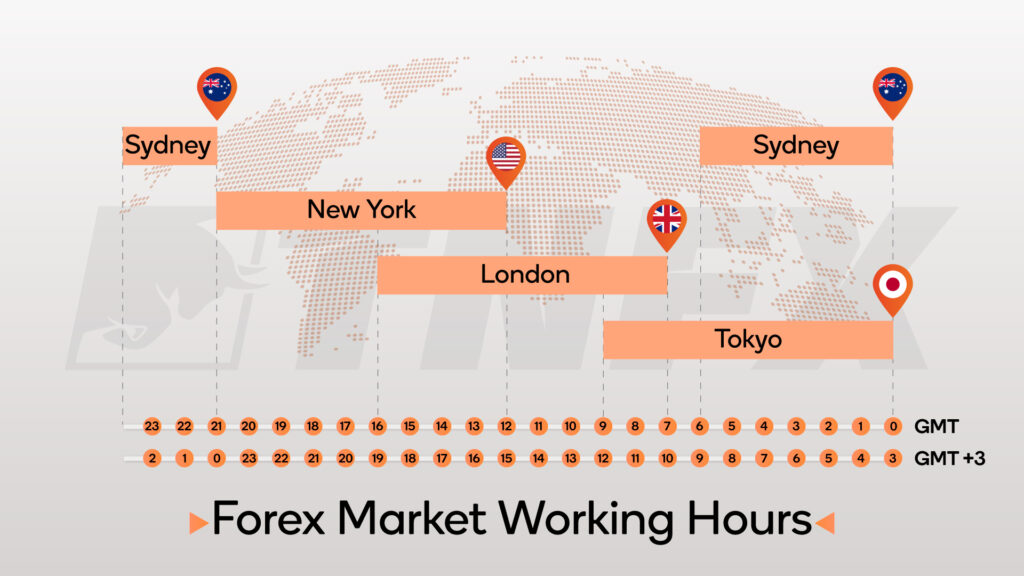
Key Global Trading Sessions and Overlaps
Understanding the major global trading sessions provides a continuous narrative of market activity. The primary sessions typically include:
- Asian Session (e.g., Tokyo, Sydney): Often starts around 7:00 PM ET (previous day) and runs until 3:00 AM ET.
- European Session (e.g., London, Frankfurt): Overlaps with the end of the Asian session, typically from 3:00 AM ET to 11:00 AM ET.
- North American Session (e.g., New York): Starts at 9:30 AM ET and runs until 4:00 PM ET, overlapping significantly with the European session.
The overlap between the European and North American sessions (roughly 8:00 AM ET to 11:00 AM ET) is often the most liquid and volatile period of the global trading day. During these hours, major financial centers on both continents are fully active, leading to increased trading volume and heightened price movements. This simultaneous activity means that U.S. investors should monitor European market performance and news during their pre-market hours, as it can significantly influence how the New York market opens and behaves during its initial hours.
Practical Considerations for Investors
Navigating the stock market requires more than just knowing when it opens and closes; it demands a strategic approach to capitalize on opportunities and manage risks inherent in market dynamics.
Market Open Strategy: Volatility and Opportunities
The first 30 to 60 minutes after the 9:30 AM ET open are often characterized by heightened volatility, increased volume, and significant price swings. This period, sometimes referred to as the “opening bell rush,” is a result of traders reacting to pre-market news, overnight global developments, and pent-up demand or supply. For experienced day traders, this volatility presents opportunities for quick profits, but it also carries increased risk. Less experienced investors might find it prudent to wait for the market to settle down, perhaps 15-30 minutes after the open, to allow for initial price discovery and clearer trends to emerge before placing orders. The opening period can also see “gap ups” or “gap downs” where a stock’s opening price is significantly higher or lower than its previous day’s close, driven by overnight news.
The Closing Bell Dynamics
Similar to the open, the final hour of trading, often called the “power hour” or “closing bell,” can also be quite active. Large institutional orders are frequently placed near the close to minimize market impact, and portfolio managers adjust their positions before the market shuts down for the day. This can lead to increased volume and sharper price movements as the 4:00 PM ET deadline approaches. Understanding these dynamics can help investors avoid unfavorable executions or take advantage of specific patterns. For instance, some traders might look for reversals or continuations of trends established earlier in the day, while long-term investors might simply ensure their orders are filled before the day concludes.
Leveraging Financial Tools and Data
In today’s fast-paced market, a multitude of financial tools and data services are available to help investors navigate market hours effectively. Real-time charting platforms, news aggregators, and pre-market/after-hours scanners provide invaluable insights. Investors can use these tools to monitor pre-market indicators, track global indices, and receive immediate alerts on breaking news. Many brokerage platforms also offer extended-hours trading capabilities, though users should be fully aware of the associated risks, such as lower liquidity and wider spreads. Utilizing features like limit orders, rather than market orders, during volatile periods can help ensure trades are executed at desired prices, especially during the open, close, or extended hours.
The Importance of a Trading Plan
Regardless of experience level, a well-defined trading or investment plan is paramount. This plan should outline entry and exit strategies, risk management protocols (e.g., stop-loss orders), position sizing, and how to react to various market conditions, including those around opening and closing hours. A robust plan helps investors make rational decisions rather than emotional ones, especially during periods of high volatility. For those active during extended hours, the plan should explicitly address the unique risks associated with lower liquidity and wider spreads. Continuously reviewing and adapting the plan based on market experience and evolving conditions is key to long-term success in the dynamic world of stock market investing.
aViewFromTheCave is a participant in the Amazon Services LLC Associates Program, an affiliate advertising program designed to provide a means for sites to earn advertising fees by advertising and linking to Amazon.com. Amazon, the Amazon logo, AmazonSupply, and the AmazonSupply logo are trademarks of Amazon.com, Inc. or its affiliates. As an Amazon Associate we earn affiliate commissions from qualifying purchases.