
For the modern investor, the question “what time does the market close today?” is often the starting point for a complex series of financial decisions. While the short answer for major U.S. exchanges is 4:00 PM Eastern Time (ET), the reality of global finance is far more nuanced. Understanding the rhythms of the stock market—from the opening bell to the final seconds of the closing auction—is essential for anyone looking to optimize their personal finance strategy, manage risk, and capitalize on market volatility.
In the world of money and investing, timing is not just a logistical detail; it is a critical component of liquidity, price discovery, and strategic execution. This guide delves deep into the operational hours of the financial markets, the mechanics of extended trading, and how the timing of the “close” affects your bottom line.
Understanding Standard Exchange Hours and the Closing Bell
The backbone of the American financial system is formed by the New York Stock Exchange (NYSE) and the NASDAQ. For both of these giants, standard trading hours are Monday through Friday, 9:30 AM to 4:00 PM ET. These hours represent the period of highest liquidity, where the vast majority of retail and institutional trading occurs.
The Mechanics of the NYSE and NASDAQ Schedule
The decision to operate within these specific hours is rooted in history but maintained for modern stability. The 9:30 AM opening allows traders to digest news that broke overnight or in international markets, while the 4:00 PM close ensures a definitive “mark-to-market” for mutual funds and pension plans. When you ask what time the market closes, you are essentially asking when the “continuous trading session” ends. During this window, buy and sell orders are matched instantly by automated systems, ensuring that price movements are as fluid as possible.
The Significance of the Closing Auction
The final minutes of the trading day are arguably the most important. At exactly 4:00 PM ET, the exchanges conduct what is known as the “Closing Auction.” This is a specialized process designed to determine the official closing price for every security. Traders submit “Market on Close” (MOC) or “Limit on Close” (LOC) orders, which are aggregated to find a single price that clears the maximum number of shares. This official closing price is what you see reported on evening news broadcasts and what professional portfolio managers use to value their holdings. Understanding this process is vital for investors because the high volume during the auction can lead to significant price swings in a matter of seconds.
Beyond the Bell: Extended Hours Trading
While the “official” close happens at 4:00 PM, the digital nature of modern finance means that the market never truly sleeps. “Extended-hours trading” allows investors to trade securities outside the standard 9:30 AM to 4:00 PM window. This is divided into pre-market and after-hours sessions.
After-Hours Trading: Risks and Rewards
The after-hours session typically runs from 4:00 PM to 8:00 PM ET. This period is particularly active during “earnings season.” When a major corporation like Apple or JPMorgan releases its quarterly financial results at 4:05 PM, the stock price reacts immediately in the after-hours market.
However, trading after the close is not for the faint of heart. The primary risk is a lack of liquidity. Since there are far fewer participants than during standard hours, the “bid-ask spread”—the difference between what a buyer is willing to pay and what a seller is willing to accept—can widen significantly. This means you might pay a much higher price to buy or receive a much lower price to sell than you would during the day. For the disciplined investor, after-hours trading is a tool for reacting to breaking news, but it requires the use of limit orders to prevent execution at unfavorable prices.
Pre-Market Sessions
On the other side of the clock, the pre-market session begins as early as 4:00 AM ET, though most retail activity picks up around 8:00 AM. This session is often used by institutional investors to position themselves ahead of the opening bell based on European market trends or early morning economic data releases, such as the Consumer Price Index (CPI) or employment reports. For the average investor, monitoring pre-market activity can provide a “tell” for how the market will open, but it is often characterized by “noise” rather than sustained trends.
Holiday Schedules and Early Closures
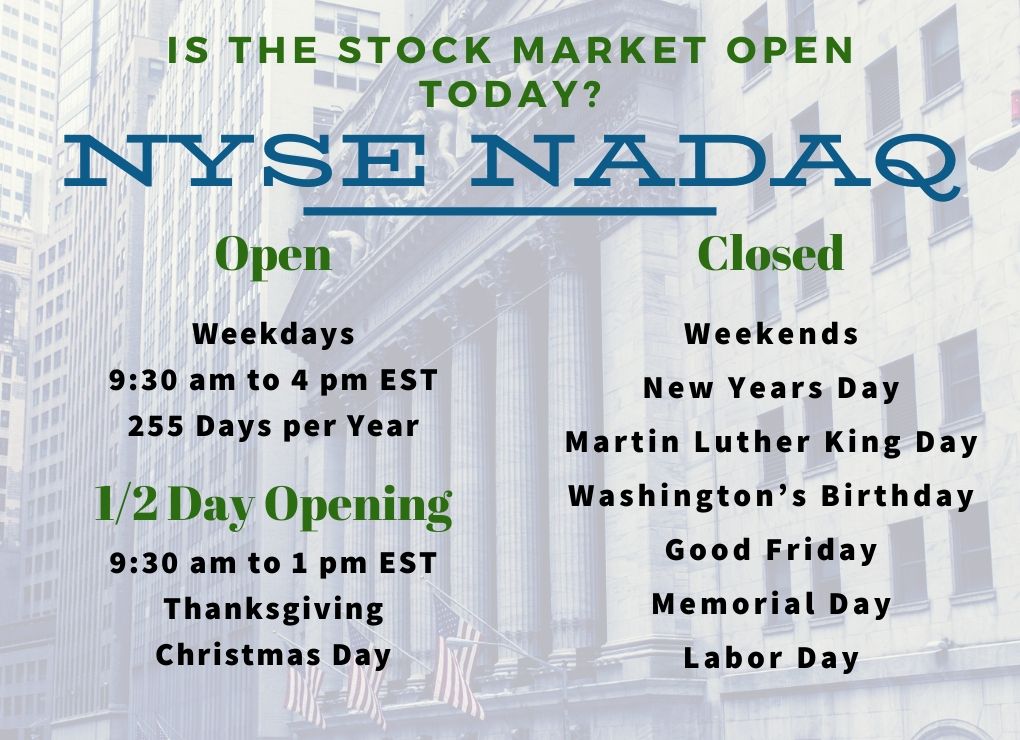
One of the most common reasons an investor asks “what time does the market close today” is a suspicion that a holiday might be affecting the schedule. The U.S. stock markets observe nine major holidays per year, and on these days, the exchanges are closed entirely.
Major Market Holidays to Watch
The NYSE and NASDAQ typically close for:
- New Year’s Day
- Martin Luther King, Jr. Day
- Presidents’ Day
- Good Friday
- Memorial Day
- Juneteenth National Independence Day
- Independence Day
- Labor Day
- Thanksgiving Day
- Christmas Day
If a holiday falls on a Saturday, the market usually closes on the preceding Friday. If it falls on a Sunday, the market closes on the following Monday. Being aware of this calendar is crucial for managing “settlement risk,” as trades take two business days (T+2) to officially settle.
Early Close Days: The 1:00 PM Rule
There are also specific days when the market closes early, typically at 1:00 PM ET. This most frequently occurs on the day after Thanksgiving (Black Friday) and on Christmas Eve (if it falls on a weekday). During these shortened sessions, trading volume is usually very thin, which can lead to erratic price movements. Professional traders often advise caution during early-close sessions, as the lack of institutional participation means that even small trades can have an outsized impact on a stock’s price.
Global Markets and Time Zone Coordination
In an interconnected global economy, the U.S. market is just one piece of the puzzle. If you are a diversified investor, the closing time of the NYSE is only one of several deadlines you need to track.
European and Asian Market Hours
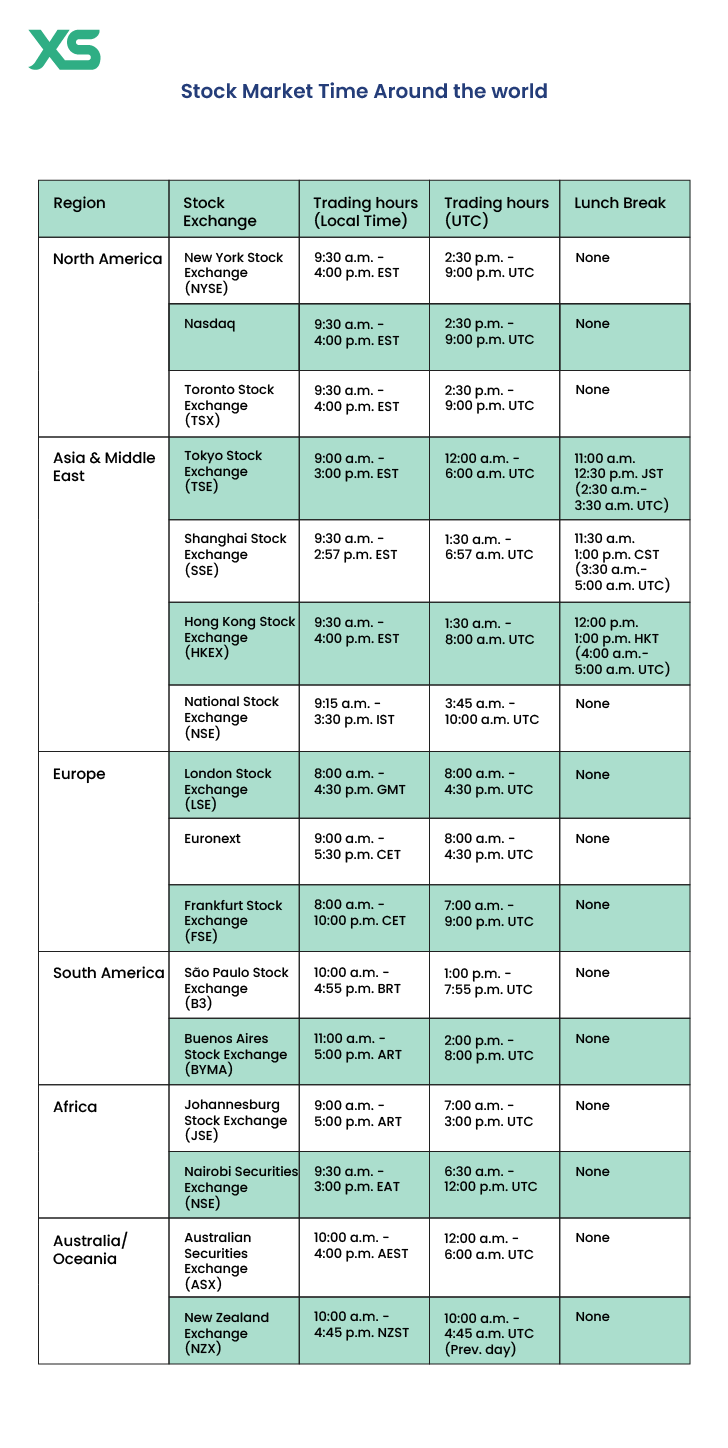
The financial day actually begins in Asia. The Tokyo Stock Exchange (TSE) and the Hong Kong Stock Exchange (HKEX) operate while North America sleeps. These markets are followed by the London Stock Exchange (LSE) and the Euronext, which open in the early morning hours of the U.S. East Coast.
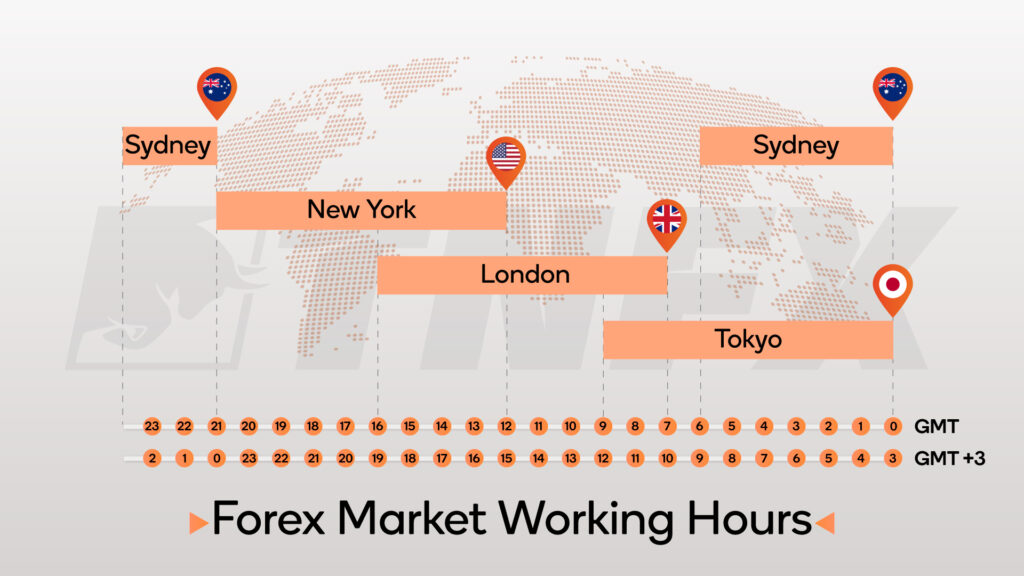
For a “Money” focused strategy, understanding the overlap is key. For example, the “London-New York Overlap” (roughly 8:00 AM to 12:00 PM ET) is the most liquid period in the global foreign exchange (Forex) market and often sees the highest volume in cross-listed stocks. If you are trading international ETFs or ADRs (American Depositary Receipts), the closing times in London or Tokyo will directly influence the price at which those assets trade in New York.
Managing Your Portfolio Across Time Zones
For those living outside the Eastern Time Zone, the market’s closing time requires a mental shift. A trader in California must be ready for the close at 1:00 PM local time, while an investor in London sees the U.S. market close at 9:00 PM or 10:00 PM, depending on Daylight Saving Time. It is important to note that not all countries shift their clocks on the same day, which can lead to a “temporary” change in the hour difference between global exchanges for a week or two each year.
Strategic Trading: Why Timing Your Exit Matters
The question of when the market closes is ultimately a question of strategy. The final hour of trading, often referred to as the “Power Hour,” is when institutional “smart money” often makes its moves.
Liquidity and Volatility at Market Close
Volatility tends to cluster at the beginning and the end of the day. The close is significant because it represents the final consensus on a stock’s value for the day. Mutual funds, which are priced only once per day at the close, must execute trades to match their inflows and outflows. This concentration of volume makes the 3:30 PM to 4:00 PM window an ideal time for retail investors to execute larger trades without moving the price too much against them. Conversely, if you are looking to avoid volatility, completing your trades during the “mid-day lull” (12:00 PM to 2:00 PM ET) might be more appropriate.
Tools for Monitoring Real-Time Market Status
In the age of digital finance, you don’t need to guess if the market is open. Most brokerage apps (like Fidelity, Schwab, or Vanguard) provide a real-time countdown or a status indicator. Additionally, financial news terminals and websites provide “Economic Calendars” that flag upcoming early closures or holidays. For those managing a side hustle in swing trading or serious long-term investing, integrating these tools into your daily routine ensures you are never caught off guard by a closing bell.
By mastering the clock, you master the flow of capital. Whether you are timing a dividend capture strategy, rebalancing a 401(k), or simply trying to buy a few shares of an index fund, knowing exactly when the market closes today—and the mechanics behind that closure—is a fundamental pillar of financial literacy.
aViewFromTheCave is a participant in the Amazon Services LLC Associates Program, an affiliate advertising program designed to provide a means for sites to earn advertising fees by advertising and linking to Amazon.com. Amazon, the Amazon logo, AmazonSupply, and the AmazonSupply logo are trademarks of Amazon.com, Inc. or its affiliates. As an Amazon Associate we earn affiliate commissions from qualifying purchases.