
For investors and traders worldwide, the rhythmic pulse of the New York Stock Exchange (NYSE) and the Nasdaq dictates the flow of global capital. At the heart of this financial ecosystem sits the Dow Jones Industrial Average (DJIA), often simply referred to as “the Dow.” Whether you are a seasoned day trader or a long-term retirement investor, understanding exactly when the market opens—and the nuances of the hours surrounding that opening bell—is fundamental to managing a successful portfolio.
Understanding Standard Trading Hours for the Dow Jones
The Dow Jones Industrial Average is a price-weighted index that tracks 30 large, publicly owned blue-chip companies trading on the NYSE and the Nasdaq. Because these exchanges are based in New York City, the operating hours follow Eastern Time (ET).
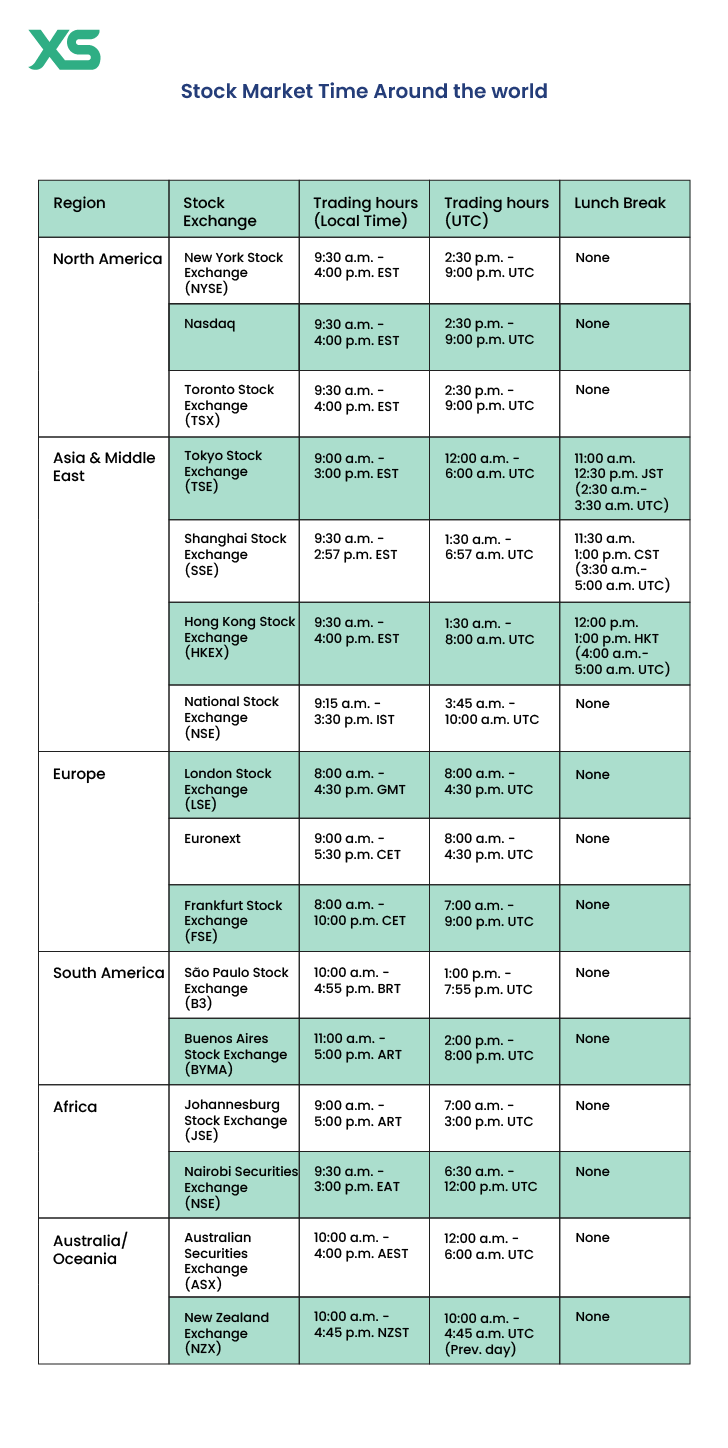
The Opening Bell: 9:30 AM ET
The official trading session for the Dow Jones begins at 9:30 AM Eastern Time, Monday through Friday. This moment is marked by the iconic ringing of the opening bell at the NYSE. For investors, this is the point where liquidity peaks, and the “price discovery” phase begins. During the first few minutes of the open, the market processes all the news, earnings reports, and global economic shifts that occurred overnight, often leading to significant price swings.
The Closing Bell: 4:00 PM ET
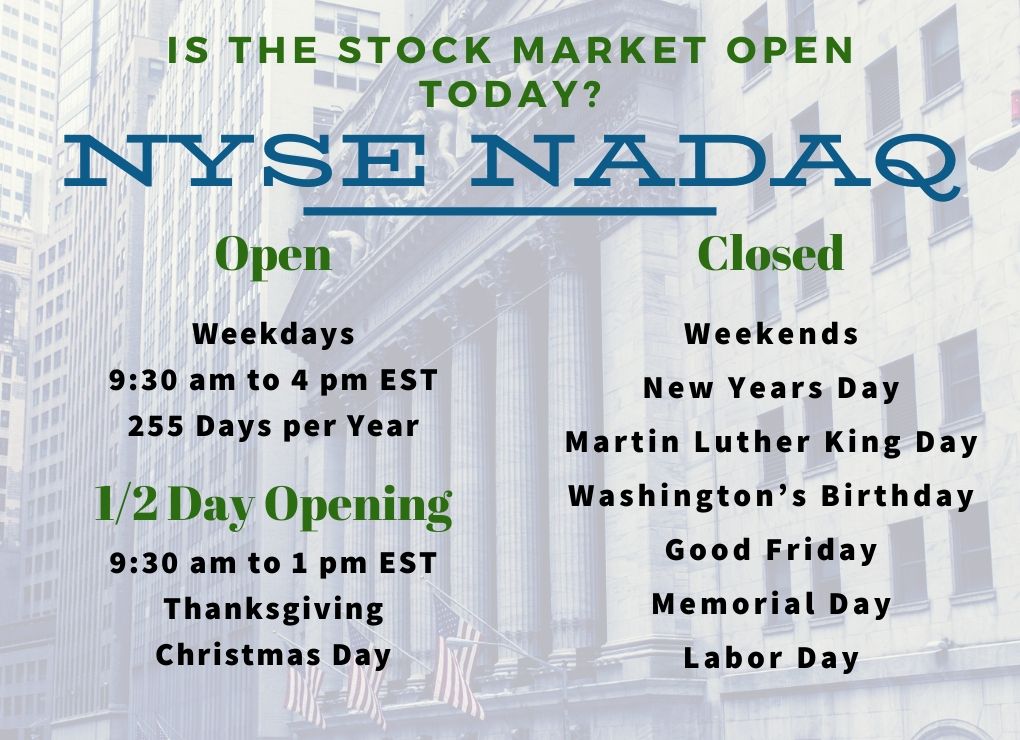
The regular trading session concludes at 4:00 PM Eastern Time. While the market is open for six and a half hours of continuous trading, the final hour—often called the “Power Hour”—is frequently characterized by increased volume as institutional investors square their positions before the day ends.
Weekend and Holiday Closures
It is vital for investors to remember that the Dow Jones does not trade on Saturdays or Sundays. Additionally, the market observes several U.S. federal holidays, including New Year’s Day, Martin Luther King Jr. Day, Presidents’ Day, Good Friday, Memorial Day, Juneteenth, Independence Day, Labor Day, Thanksgiving, and Christmas. On certain occasions, such as the day after Thanksgiving or Christmas Eve, the market may have an “early close” at 1:00 PM ET.
Beyond the Regular Bell: Pre-Market and After-Hours Trading
In the modern digital age, the financial markets never truly sleep. While the official floor hours are 9:30 AM to 4:00 PM ET, electronic communication networks (ECNs) allow for extended-hours trading.
What is Pre-Market Trading?
Pre-market trading occurs before the regular session begins. It typically starts as early as 4:00 AM ET and runs until the opening bell at 9:30 AM ET. Most retail investors, however, find that their brokers only grant access to pre-market trading starting at 7:00 AM or 8:00 AM ET. This period is crucial for reacting to early-morning economic data, such as the Consumer Price Index (CPI) or monthly jobs reports, which are frequently released at 8:30 AM ET.
Navigating the After-Hours Session
After-hours trading begins immediately following the closing bell at 4:00 PM ET and can run until 8:00 PM ET. This session is primary used by investors to react to corporate earnings releases, which companies almost always announce after the market closes to ensure all investors have equal access to the information before the next day’s open.
The Risks and Rewards of Extended Hours
While extended hours offer the convenience of reacting to news in real-time, they come with unique risks:
- Lower Liquidity: There are fewer participants trading, which can make it harder to buy or sell large positions.
- Wide Spreads: The difference between the “bid” (buy) and “ask” (sell) prices tends to be much wider, potentially leading to higher execution costs.
- High Volatility: With fewer shares being traded, a single large order can cause a disproportionate swing in a stock’s price.
Why Market Timing Matters for Your Investment Strategy
Knowing what time the Dow Jones opens is only the first step; understanding the behavior of the market at different times of the day is what separates successful investors from the rest.
The Opening Volatility
The first 30 to 60 minutes of the trading day (9:30 AM – 10:30 AM ET) are often the most volatile. This is when “amateur hour” occurs, as retail orders placed overnight hit the tape. Professional traders often watch this period closely but may wait for the initial “noise” to settle before committing to a major position. If you are a conservative investor, executing trades mid-day when volatility has calmed can often lead to more stable pricing.
The Mid-Day Lull
From approximately 12:00 PM to 1:30 PM ET, the market often experiences a “lunchtime lull.” Volume tends to drop as floor traders and institutional managers take breaks. Prices during this time may drift sideways with little conviction. For long-term investors looking to rebalance a portfolio without the stress of rapid price movements, this can be an ideal window for execution.
The Impact of Time Zones for Global Investors
If you are investing in the Dow Jones from London, Tokyo, or Dubai, timing becomes a logistical challenge.
- London: The Dow opens at 2:30 PM GMT.
- Hong Kong/Singapore: The Dow opens at 9:30 PM or 10:30 PM HKT (depending on Daylight Savings).
For global investors, using “limit orders” (specifying the exact price you are willing to pay) is a critical tool to manage trades that occur while they may be asleep.
Key Factors That Influence the Dow Jones at the Open
The price of the Dow Jones at 9:30 AM ET is rarely the same as it was at the previous day’s close. Several fundamental factors “price in” before the bell rings.
Macroeconomic Reports and the Federal Reserve
The U.S. government and the Federal Reserve release critical data that can cause the Dow futures to spike or plunge before the open. Key reports include the Gross Domestic Product (GDP) numbers, inflation data, and unemployment rates. Furthermore, if the Federal Reserve Chairman speaks or hints at interest rate changes, the market open will likely be highly reactive.
Corporate Earnings and Guidance
Since the Dow consists of 30 massive corporations like Apple, Microsoft, and Goldman Sachs, an earnings “beat” or “miss” by just one of these giants can move the entire index. If a major constituent reports poor earnings at 8:00 AM, you can expect the Dow to open “in the red” (lower than the previous day).
Global Market Performance
The U.S. market does not exist in a vacuum. Often, the performance of the European markets (like the FTSE 100 or DAX) and the Asian markets (like the Nikkei 225) sets the tone for the Dow’s opening. If European markets sell off sharply during their afternoon session (which overlaps with the U.S. morning), the Dow Jones will often follow suit.
Tools and Resources for Monitoring the Dow Jones
To stay ahead of the curve, investors need more than just a clock. They need real-time data and analytical tools.
Real-Time Financial Terminals and News
For those serious about their “money” niche, tools like Bloomberg or Reuters Eikon provide institutional-grade data. However, for the average investor, websites like Yahoo Finance, Google Finance, and CNBC provide free real-time tracking of the Dow Jones Industrial Average. Monitoring “Dow Futures” before 9:30 AM ET is the best way to predict where the market will open.
Brokerage Alerts and Mobile Apps
Modern fintech apps have revolutionized market access. Platforms like Fidelity, Charles Schwab, and Vanguard allow users to set “price alerts.” You can receive a push notification the moment the Dow Jones opens or if it hits a specific psychological milestone (e.g., crossing 40,000 points).
The Role of Financial Calendars
A disciplined investor always keeps a financial calendar. Knowing that the Dow Jones will open amidst a flurry of activity on a “Triple Witching” Friday (when options and futures expire) or during a Fed meeting week allows you to adjust your risk management strategy accordingly.

Conclusion: Mastering the Clock for Financial Success
In the world of finance, time is literally money. The opening of the Dow Jones at 9:30 AM ET represents more than just a start to the workday; it is the daily commencement of a global competition for value. By understanding the regular session hours, the mechanics of pre-market and after-hours trading, and the economic catalysts that drive opening volatility, you position yourself to make informed, strategic decisions.
Whether you are looking to capitalize on the early morning swings or seeking the stability of the mid-day hours, the key is consistency and awareness. Respect the opening bell, keep an eye on the clock, and always align your trading activity with the specific hours that best suit your financial goals.
aViewFromTheCave is a participant in the Amazon Services LLC Associates Program, an affiliate advertising program designed to provide a means for sites to earn advertising fees by advertising and linking to Amazon.com. Amazon, the Amazon logo, AmazonSupply, and the AmazonSupply logo are trademarks of Amazon.com, Inc. or its affiliates. As an Amazon Associate we earn affiliate commissions from qualifying purchases.