
For anyone involved in the world of finance, from seasoned investors to curious novices, understanding the operational hours of the stock market is fundamental. The query “what time does the Dow Jones close today” is more than just a logistical question; it’s a gateway to comprehending market dynamics, investment strategies, and the flow of financial information. As one of the oldest and most frequently cited market indexes globally, the Dow Jones Industrial Average (DJIA) represents a significant slice of the U.S. economy, encapsulating the performance of 30 large, publicly traded companies. Its movements are closely watched, and its closing bell signifies the culmination of a day’s trading, setting the stage for the next.

This article will delve into the specifics of when the Dow Jones, and by extension the broader U.S. stock market, concludes its regular trading session. We will explore the standard hours, delve into the nuances of extended trading, examine the exceptions that alter the typical schedule, and most importantly, discuss why these timings hold such critical importance for investors and the wider financial community.
The Standard Trading Day: Unveiling Market Hours
The rhythm of the financial markets is largely dictated by a regular schedule, designed to provide a structured environment for buying and selling securities. For the Dow Jones, whose component stocks are primarily traded on the New York Stock Exchange (NYSE) and NASDAQ, these hours are meticulously observed.
The New York Stock Exchange (NYSE) & NASDAQ
While the Dow Jones Industrial Average is an index, not a traded entity itself, its value is derived from the real-time stock prices of its 30 constituent companies. These companies, giants like Apple, Microsoft, JPMorgan Chase, and Boeing, are primarily listed and traded on America’s two largest stock exchanges: the New York Stock Exchange (NYSE) and the NASDAQ Stock Market. Both exchanges adhere to the same standard trading hours for their regular sessions, creating a unified market window for the bulk of daily transactions. Understanding these exchanges is key because their operational hours directly determine when the prices of Dow components are actively changing within the regular market.
Regular Market Session
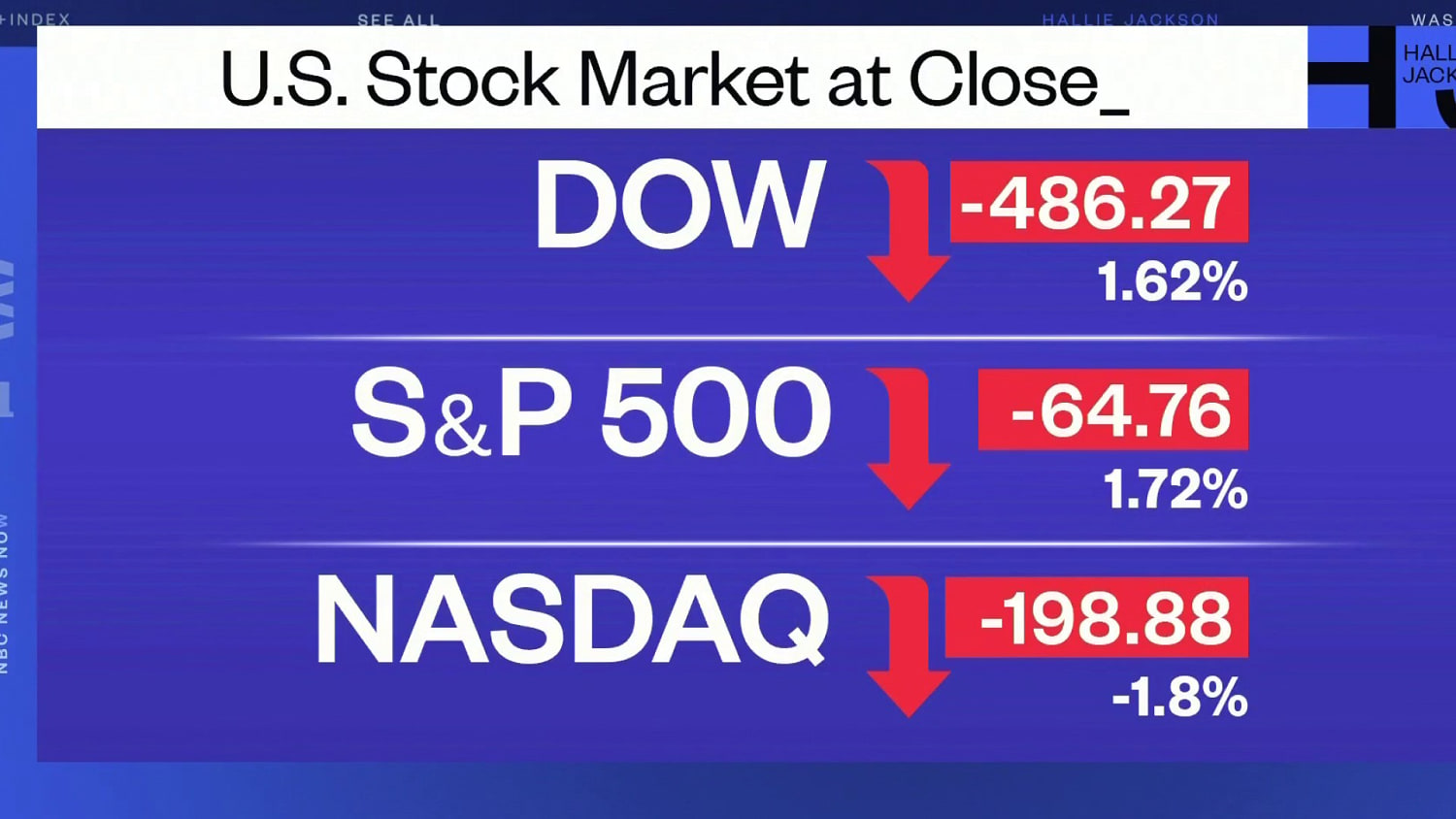
The answer to “what time does the Dow Jones close today” for a typical trading day is straightforward: 4:00 PM Eastern Time (ET). The regular trading session on both the NYSE and NASDAQ begins at 9:30 AM ET and concludes promptly at 4:00 PM ET. This six-and-a-half-hour window is when the vast majority of trading volume occurs, and it’s during these hours that the Dow Jones index itself is most actively calculated and reported in real-time, reflecting the buy and sell orders that constantly adjust the prices of its 30 underlying stocks. The “closing bell” at 4:00 PM ET is a symbolic and literal end to the day’s official price discovery.
Understanding Eastern Time (ET)
It is crucial for investors, particularly those outside the Eastern Time Zone, to be acutely aware that all U.S. stock market hours are quoted in Eastern Time. This means an investor on the West Coast, operating in Pacific Time (PT), will see the market close at 1:00 PM PT. Similarly, for international investors, converting their local time to Eastern Time is a fundamental step in monitoring U.S. market activity. Misinterpreting the time zone can lead to missed opportunities, delayed trades, or incorrect assumptions about market events, emphasizing the importance of this seemingly simple detail. Financial platforms and news outlets universally use ET when reporting U.S. market hours, establishing a common reference point for global participants.
Beyond the Bell: Exploring After-Hours and Pre-Market Trading
While the 9:30 AM to 4:00 PM ET slot defines the “regular” trading day, the financial markets don’t simply go dark outside these hours. Extended trading sessions—known as pre-market and after-hours trading—allow participants to execute trades beyond the conventional window. These sessions, though different in character, significantly influence how the Dow Jones might open or react once the official session resumes.
The Mechanics of Extended Trading
Extended trading sessions utilize electronic communication networks (ECNs) rather than the traditional auction-based systems of the regular market. Pre-market trading typically runs from as early as 4:00 AM ET to 9:30 AM ET, while after-hours trading can extend from 4:00 PM ET to 8:00 PM ET. During these periods, institutional investors, high-frequency traders, and retail investors with access to specific brokerage platforms can place orders. The prices of Dow components traded in these extended sessions can fluctuate significantly, driven by breaking news, earnings reports, or global market movements that occur outside regular U.S. market hours. While the official Dow Jones index value isn’t updated during these times, the price action of its components provides strong indicators for the next day’s open.
Advantages and Disadvantages
Extended trading offers both opportunities and pitfalls. A key advantage is the ability to react immediately to news, such as an unexpected earnings announcement released after the market close or a major geopolitical event overnight. This can allow investors to take positions or mitigate risks before the next day’s open. However, these sessions come with significant disadvantages. Liquidity is typically much lower compared to regular hours, meaning there are fewer buyers and sellers, which can lead to wider bid-ask spreads and increased volatility. It’s easier for a large order to move the price of a stock dramatically in after-hours trading than it would be during the regular session. This lack of liquidity, combined with less regulatory oversight, makes extended trading a realm for experienced traders who understand its unique risks.
Impact on the Next Day’s Open
The price action of Dow Jones stocks in pre-market and after-hours trading often provides a strong indication of how the index will open the following day. For instance, if a major Dow component like Apple announces stellar earnings after the 4:00 PM ET close, its stock price might surge in after-hours trading. This momentum can carry over, influencing the overall sentiment and the opening price of the Dow Jones Industrial Average when the market reopens at 9:30 AM ET. Conversely, negative news or a downturn in Asian or European markets overnight can lead to a gap down at the open for the Dow. Understanding these pre- and post-market movements is crucial for investors trying to anticipate market trends and plan their initial strategy for the upcoming regular session.
Navigating Exceptions: Market Holidays and Early Closures
While the 9:30 AM to 4:00 PM ET schedule is the norm, the U.S. stock market does not operate every single weekday. Various federal holidays and specific circumstances lead to either full market closures or abbreviated trading sessions. Being aware of these exceptions is vital for financial planning and avoiding missed opportunities or unexpected delays in transaction processing.
Federal Holidays
The U.S. stock markets, including the NYSE and NASDAQ, observe a set list of federal holidays throughout the year, during which they remain completely closed. These closures mean there is no trading in Dow Jones components, and consequently, no movement in the DJIA index. Key holidays typically include:
-
New Year’s Day (January 1st)
-
Martin Luther King, Jr. Day (third Monday in January)
-
Presidents’ Day (third Monday in February)
-
Good Friday (Friday before Easter)
-
Memorial Day (last Monday in May)
-
Juneteenth National Independence Day (June 19th)
-
Independence Day (July 4th)
-
Labor Day (first Monday in September)
-
Thanksgiving Day (fourth Thursday in November)
-
Christmas Day (December 25th)

When a holiday falls on a weekend, the market typically observes it on the nearest weekday (e.g., if July 4th is a Saturday, the market might close on Friday, July 3rd). A comprehensive market holiday calendar is published annually by the exchanges and is readily available from financial news sources and brokerage platforms.
Half-Day Sessions
In addition to full closures, there are instances of “half-day” or early closures, where the market operates for a shortened period. The most common of these occur on the day before Independence Day (if it falls on a weekday) and the day after Thanksgiving (Black Friday). On these days, the market typically closes early at 1:00 PM ET instead of the usual 4:00 PM ET. These abbreviated sessions are important to note, as they still allow for active trading but truncate the regular market window. Volume might be lighter during these sessions as many market participants take extended breaks. Knowing these specific early closure times is critical for planning trades, especially around major holidays.
Unexpected Closures
While rare, markets can also experience unexpected closures due to extreme circumstances such as severe weather events (e.g., hurricanes hitting the East Coast), national emergencies, or significant technical malfunctions. Historically, examples include closures after the September 11th attacks or for major blizzards. These are typically announced with little lead time, and investors should rely on official announcements from the exchanges or major financial news outlets for real-time updates during such extraordinary events. While not part of the regular calendar, the possibility underscores the dynamic nature of market operations.
Why Market Closing Times Matter for Investors
The exact moment the Dow Jones closes is far more than just a timestamp; it’s a critical point that influences various aspects of investing, from short-term trading decisions to long-term portfolio management. Understanding its significance helps investors navigate market volatility and manage risk more effectively.
Price Discovery and Volatility
The regular trading session, culminating in the 4:00 PM ET close, is the primary period for price discovery. During these hours, a broad spectrum of market participants—from retail investors to large institutions—actively contribute to the supply and demand dynamics that determine asset prices. The closing bell effectively freezes this official price discovery until the next open, making the closing price of the Dow Jones (and its components) a benchmark for the day’s performance. Post-close, volatility can be magnified in less liquid extended sessions, but the official closing price remains the widely accepted marker of the index’s value for that trading day. This final price serves as a reference point for analysts, financial reports, and investor sentiment.
Portfolio Management and Strategy
For investors, the closing time dictates the window for executing trades that will settle within the day’s official prices. Whether you are rebalancing a portfolio, taking profits, cutting losses, or initiating new positions, trades executed before the close are part of the day’s official record. Deciding when to make moves is critical, as market conditions can shift dramatically even in the final minutes of a session. Furthermore, the closing prices of Dow components directly impact the calculation of mutual fund and ETF net asset values (NAVs), which are typically priced once daily based on the 4:00 PM ET closing prices. Long-term investors may not actively trade daily, but they still rely on closing prices to assess the health and performance of their holdings.
News Impact and Earnings Releases
Companies often strategically time their major announcements, such as quarterly earnings reports, mergers and acquisitions, or significant corporate news, to coincide with market closures. Releasing news after 4:00 PM ET allows investors and analysts time to digest the information without immediate market reaction within the regular session. This often leads to significant price movements for Dow components in after-hours trading, setting expectations for the next day’s open. Conversely, news released during market hours can cause immediate and sometimes dramatic shifts, requiring investors to be vigilant and ready to react. Understanding the closing time context is therefore essential for interpreting corporate announcements and their potential market impact.
Risk Management Considerations
Holding positions overnight or over a weekend or holiday can expose investors to “gap risk,” where a stock opens significantly higher or lower than its previous close due to news or events that occurred outside trading hours. The Dow Jones closing time signals the beginning of this potential vulnerability. For instance, if you hold a highly volatile Dow stock and major negative news breaks over a long holiday weekend, you cannot sell until the market reopens, potentially facing substantial losses. Consequently, understanding market hours is integral to effective risk management, informing decisions on whether to hold a position, close it out before the bell, or utilize options strategies to hedge against overnight risk.
Staying Informed: Tools and Best Practices for Tracking Market Activity
Given the importance of market hours, exceptions, and extended sessions, staying well-informed is paramount for anyone involved in investing in Dow Jones components or the broader market. A disciplined approach to tracking market activity involves leveraging reliable sources and modern financial tools.
Reliable Financial News Sources
Reputable financial news outlets are indispensable for real-time market updates, announcements of market holidays, and explanations of unusual closures. Sources like Bloomberg, The Wall Street Journal, Reuters, CNBC, and MarketWatch provide comprehensive coverage, breaking news, expert analysis, and often real-time market data during regular trading hours. Many of these platforms also publish daily market summaries, highlighting the Dow’s performance, key events, and outlook for the next session, making them essential for understanding the context surrounding closing times.
Online Brokers and Trading Platforms
The vast majority of modern investors execute trades through online brokerage platforms. These platforms typically offer a wealth of information directly within their interfaces, including real-time stock quotes, comprehensive market data, charting tools, and personalized alerts. Many also facilitate access to pre-market and after-hours trading for eligible securities, displaying the extended hours’ price action for Dow Jones stocks. Utilizing the tools provided by your broker—such as customizable dashboards, watchlists, and market calendars—can help you keep track of market opening and closing times, monitor your holdings, and execute trades efficiently.
Market Calendars and Alerts
Proactive planning is a cornerstone of smart investing. Regularly consulting market holiday calendars, often available directly from stock exchanges, financial news sites, or within brokerage platforms, ensures you are aware of upcoming full or half-day closures. Many platforms also offer the ability to set up alerts for market opening and closing times, as well as for specific stock price movements or news events. Subscribing to such alerts can provide timely notifications, allowing you to react quickly to market developments, even when you’re not actively watching the screen. Establishing a routine of checking the market calendar and setting relevant alerts empowers investors to manage their schedules and investment strategies around the defined rhythms of the Dow Jones and the wider market.
In conclusion, knowing “what time the Dow Jones closes today” is foundational for any investor. It defines the official window for market activity, influences trading strategies, shapes how news impacts stock prices, and plays a crucial role in risk management. By understanding the standard 4:00 PM ET close, recognizing the influence of extended trading, anticipating holiday exceptions, and utilizing reliable information sources, investors can confidently navigate the complexities of the financial markets and make more informed decisions about their portfolios.
aViewFromTheCave is a participant in the Amazon Services LLC Associates Program, an affiliate advertising program designed to provide a means for sites to earn advertising fees by advertising and linking to Amazon.com. Amazon, the Amazon logo, AmazonSupply, and the AmazonSupply logo are trademarks of Amazon.com, Inc. or its affiliates. As an Amazon Associate we earn affiliate commissions from qualifying purchases.