
The Operational Mechanics of Public Transportation Scheduling
Understanding the early morning start times for city buses requires a deep dive into the operational logistics that keep urban environments moving. While passengers often view public transit as a continuous flow, the reality is a highly choreographed symphony of maintenance, driver shifts, and fleet deployment. For most major metropolitan areas, the “start time” for city bus service typically falls between 4:00 AM and 5:30 AM, depending on the density of the urban core and the specific demands of the local workforce.

The Role of Fleet Staging and Depot Logistics
Before a bus can pull up to your stop at dawn, a significant amount of work occurs behind the scenes. Buses are housed in massive depots that operate 24/7. In the hours preceding the first run, mechanics complete safety checks, refueling processes, and interior sanitization. The “pull-out” time—the moment a bus physically leaves the depot—is meticulously scheduled. If the first bus is intended to reach a downtown transfer hub by 5:15 AM, the logistical chain begins at the depot as early as 3:30 AM.
Workforce Management and Shift Cycles
The starting time is also dictated by labor regulations and driver union contracts. Public transit systems operate on a “split-shift” or “early-bird” model. Drivers assigned to the “AM Peak” routes start their days long before the average commuter. This is not just a matter of convenience; it is a necessity for maintaining service reliability. When a city transit agency determines that a route must start early, they account for the “deadhead” time—the time required for a driver to travel from the depot to the start of the route—which influences the official start time published on transit apps.
Integrating Digital Tools to Predict Real-Time Arrival
The era of guessing when the first bus will appear is largely over, thanks to the integration of Intelligent Transportation Systems (ITS) and consumer-facing applications. Technology has bridged the gap between static printed schedules and the volatile reality of road traffic, providing passengers with precise windows for their morning commute.
Leveraging GTFS Data for Accuracy
The backbone of modern bus tracking is the General Transit Feed Specification (GTFS). This standardized data format allows transit agencies to feed their operational schedules into platforms like Google Maps, Citymapper, and Transit. When you search for “what time does the bus start,” these platforms are not just showing you a static document; they are parsing real-time data streams. Agencies update these feeds to reflect seasonal changes, holiday schedules, and infrastructure work that might delay the start of service.
Predictive AI and Traffic Analytics
Advanced transit software now employs machine learning to refine start times based on historical traffic patterns. If a specific route historically encounters construction delays at 5:00 AM on a Tuesday, the predictive algorithm may suggest a slightly earlier “recommended arrival” time for the commuter. By leveraging GPS transponders installed on every bus, the central dispatch office monitors the progress of the first buses in real-time. If an early morning bus is delayed by a mechanical issue, automated systems can trigger alerts to users’ mobile devices, effectively modernizing the way transit agencies communicate service status.

Optimizing Personal Efficiency and Commute Strategy
For the professional commuter, the start time of the local city bus is a critical component of personal productivity and time management. Understanding how to utilize the “first wave” of transit can offer distinct advantages in navigating the city before the rush hour congestion peaks.
Maximizing the Value of the “First Wave”
The first buses of the day—often referred to as the “first wave”—are typically the most reliable. Because these buses start their routes before traffic congestion builds, they rarely experience the delays that plague mid-morning or afternoon routes. Commuters who align their schedules with these early start times often find that their transit experience is significantly more predictable. This reliability allows for better planning, turning the commute time into an opportunity for focused work, reading, or rest rather than a source of stress.
Navigating System Transfers
If your commute requires a transfer, the synchronization of your initial bus start time with the arrival of a connecting light rail or secondary bus line is essential. Most transit agencies design their routes to “interline,” meaning they sync the arrival of one vehicle with the departure of another. If your first bus starts at 5:00 AM, the network is likely configured to ensure that the primary transfer points are staffed and ready to accept passengers by 5:20 AM. Checking the agency’s “timed transfer” policy can prevent long, unnecessary waits in the early morning darkness.
The Future of On-Demand Transit and Micro-Transit Systems
As cities grow and the traditional hub-and-spoke model of bus transit faces challenges regarding efficiency and coverage, many agencies are pivoting toward micro-transit. This technological shift is fundamentally changing the question of “what time does the bus start.”
From Fixed Routes to Dynamic Scheduling
Micro-transit utilizes smaller vehicles and AI-driven routing to provide on-demand service. In these systems, there is no set “start time” in the traditional sense; the service starts when the first passenger books a ride through an app. This model is currently being tested in suburban and lower-density areas where traditional buses are underutilized. As this technology scales, the definition of “city bus” is evolving to mean a service that is available whenever a passenger requires it, effectively dissolving the rigid scheduling constraints of the past.
Sustainability and Infrastructure Investment
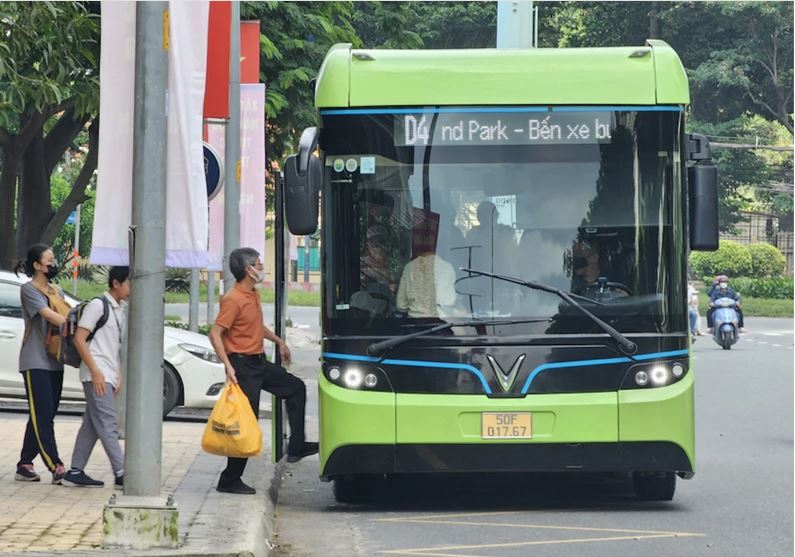
The shift toward electric bus fleets is also influencing operational start times. Electric buses require specific charging infrastructure that impacts depot logistics. Because electric buses must be charged during off-peak hours to manage electricity grid loads, the start-of-day charging cycle is becoming a critical component of transit management. Agencies are investing in smart-charging software that ensures every vehicle is at 100% capacity by the time the first morning route is scheduled to begin. This investment in green tech not only benefits the environment but also provides the long-term infrastructure necessary to expand early morning and late-night service hours, providing commuters with greater flexibility and a more reliable transit experience.
By understanding these technical, logistical, and digital frameworks, passengers can move beyond the frustration of wondering when their bus will arrive and instead rely on the sophisticated network of operations designed to keep the city moving. Whether you are catching the first bus of the day or timing your commute to avoid the peak rush, the transit network is a precision-engineered system that is constantly evolving to meet the demands of the modern urban professional.
aViewFromTheCave is a participant in the Amazon Services LLC Associates Program, an affiliate advertising program designed to provide a means for sites to earn advertising fees by advertising and linking to Amazon.com. Amazon, the Amazon logo, AmazonSupply, and the AmazonSupply logo are trademarks of Amazon.com, Inc. or its affiliates. As an Amazon Associate we earn affiliate commissions from qualifying purchases.