
In the modern financial landscape, the question of when a bank closes has evolved from a simple inquiry about a physical door locking to a complex understanding of transaction windows, digital availability, and the processing cycles of the global economy. For decades, “banker’s hours” was a colloquialism for a short work day, typically spanning from 10:00 AM to 3:00 PM. Today, while physical branches maintain specific operating hours, the infrastructure of personal and business finance operates on a multi-tiered schedule that every savvy consumer and business owner must navigate.
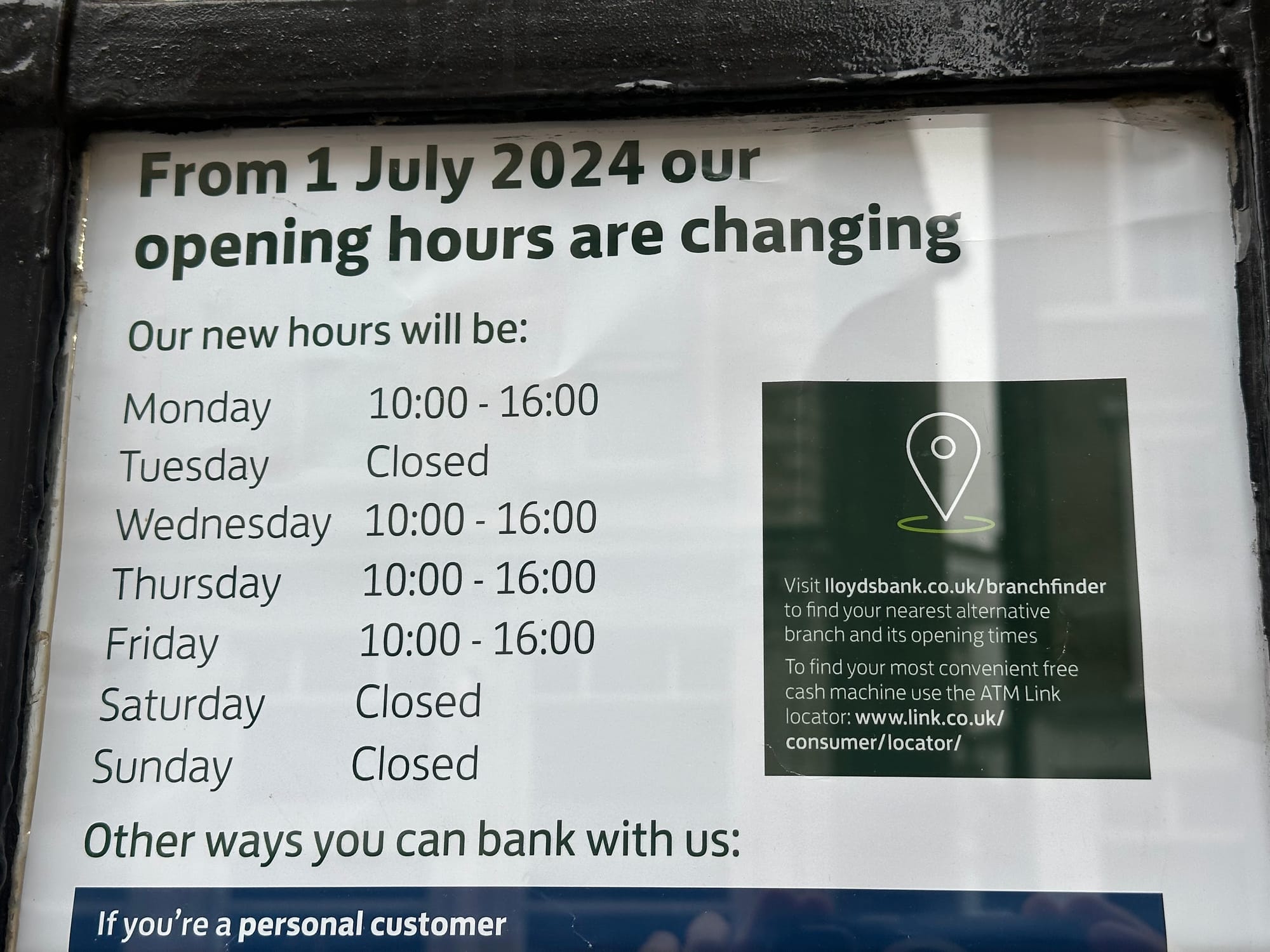
Understanding these schedules is not merely a matter of convenience; it is a critical component of effective cash flow management, investment timing, and financial security. Whether you are looking to deposit a physical check, secure a notary service, or ensure a wire transfer clears before a weekend, knowing the nuances of bank closing times is essential.
The Evolution of Physical Branch Operating Hours
The traditional brick-and-mortar bank branch remains a cornerstone of the financial industry, despite the rapid rise of digital-only institutions. However, the schedule of these branches has become increasingly varied to meet the demands of a diverse workforce.
Standard Weekday Schedules
Most major commercial banks in the United States, such as Chase, Bank of America, and Wells Fargo, have standardized their weekday hours to align more closely with traditional retail schedules. Typically, a branch will open between 8:00 AM and 9:00 AM and close between 4:00 PM and 6:00 PM.
The variation often depends on the location’s density. Branches located in high-traffic urban centers or financial districts may close earlier, around 4:00 PM, reflecting the commute patterns of office workers. Conversely, branches situated within retail hubs or suburbs often stay open until 6:00 PM on weekdays to accommodate customers who need to visit after their own working hours.
Weekend and Extended Hours
To remain competitive against digital disruptions, many traditional banks have extended their services into the weekend. Saturday hours are now common, though they are usually abbreviated—typically from 9:00 AM to 1:00 PM or 2:00 PM. Sunday remains the standard day of closure for the vast majority of physical banking locations, though some branches located inside grocery stores or large retail chains may offer limited Sunday service.
For the consumer, these hours represent the window for “high-touch” services. Activities such as accessing a safety deposit box, mediating a complex wire fraud issue, or initiating a mortgage application often require the physical presence of a specialized bank officer, making the branch’s closing time a hard deadline for these specific financial needs.
The Critical Distinction Between Closing Time and Cutoff Time
One of the most misunderstood aspects of modern banking is the difference between when a branch physically closes its doors and when the bank’s “business day” ends. In the realm of personal finance and business accounting, the “cutoff time” is often more significant than the closing time.
Understanding the Business Day
A “business day” is typically defined as any day that is not a Saturday, Sunday, or a legal holiday. However, the end of a bank’s business day rarely aligns with the moment the lights go out in the lobby. For many institutions, the cutoff time for processing transactions—such as check deposits or internal transfers—may be as early as 2:00 PM or as late as 8:00 PM for ATM and mobile deposits.
If you walk into a branch that closes at 5:00 PM but their internal processing cutoff is 4:00 PM, a deposit made at 4:30 PM may not begin processing until the following business day. This delay can have a ripple effect on your liquidity, potentially leading to overdrafts if you have automated payments scheduled to leave your account the following morning.
Wire Transfers and ACH Deadlines
For those managing business finances or making large purchases like real estate, the closing time of the bank’s wire department is a rigid boundary. Domestic wire transfers usually need to be initiated by 2:00 PM or 3:00 PM Eastern Time to ensure same-day delivery. International wires often have even earlier deadlines due to the operating hours of intermediary banks and the SWIFT network.

Missing these cutoff times, even if the physical branch is still open, means the funds will not move until the next day. This underscores the importance of planning high-value transactions well before the afternoon closing rush.
Digital Banking: The 24/7 Financial Ecosystem
While the physical bank may close, the digital infrastructure of modern finance never truly sleeps. The advent of mobile banking apps, online portals, and advanced ATMs has fundamentally changed how we perceive “banking hours.”
The Rise of the Virtual Branch
For the majority of daily tasks—checking balances, transferring funds between accounts, and paying bills—the bank never closes. Digital platforms provide 24/7 access to ledger data. This allows for proactive financial management, where a user can move money into a high-yield savings account at midnight to maximize interest earnings or freeze a lost debit card on a Sunday afternoon without waiting for a branch to open.
Mobile Check Deposit (MCD) has also extended the “closing time” for deposits. Many banks allow mobile deposits up until 8:00 PM or 9:00 PM to count toward the current day’s business, significantly outlasting the physical branch hours.
Interactive Teller Machines (ITMs)
A hybrid solution gaining popularity is the Interactive Teller Machine (ITM). Unlike a standard ATM, an ITM allows customers to video-chat with a live teller located in a centralized call center. These tellers can often perform more complex transactions than an ATM, such as cashing checks to the penny or processing loan payments. Crucially, ITM teller hours often extend beyond the physical branch hours, sometimes operating until 7:00 PM or 8:00 PM on weekdays and offering fuller service on Saturdays.
Navigating Bank Holidays and Regulatory Closures
The banking industry is uniquely tied to the federal government, specifically the Federal Reserve System. This connection dictates a strict schedule of holidays during which the entire banking “plumbing” of the country shuts down.
The Federal Reserve Schedule
There are eleven standard federal holidays in the United States, including New Year’s Day, Martin Luther King Jr. Day, Presidents’ Day, Memorial Day, Juneteenth, Independence Day, Labor Day, Columbus Day (Indigenous Peoples’ Day), Veterans Day, Thanksgiving, and Christmas. On these days, the Federal Reserve Bank is closed, which means no ACH transfers, no wire clearances, and no check processing occurs nationwide.
Strategic Planning for Long Weekends
For individuals living paycheck to paycheck or businesses with tight margins, a three-day holiday weekend can pose a significant challenge. If a payday falls on a Friday that is a bank holiday, or if a bill is due on a Monday holiday, the timing of fund availability becomes paramount.
Financial experts recommend “padding” your accounts at least 48 hours before a major holiday closure. Because the bank closes its digital processing “doors” alongside its physical ones during these periods, any transaction initiated on a Saturday of a long weekend likely won’t settle until the following Tuesday. Understanding this delay is vital for maintaining a healthy credit score and avoiding late fees.

Maximizing Efficiency: Tips for Banking Success
To ensure that a bank’s closing time never interferes with your financial goals, a proactive strategy is required.
-
Know Your Specific Branch’s Schedule: Use the bank’s mobile app to check the hours of your local branch, as they can vary significantly even within the same city.
-
Identify Your Cutoff Times: Call your bank or check their terms of service to find the exact cutoff times for mobile deposits, ATM deposits, and wire transfers.
-
Leverage Night Drop Boxes: If you are a business owner needing to deposit cash after hours, familiarize yourself with the branch’s secure night depository. While the funds won’t be credited until the next morning, it removes the risk of holding large amounts of cash overnight.
-
Use Technology for Routine Tasks: Reserve physical branch visits for tasks that require a signature or specialized consultation. By moving 90% of your banking to digital platforms, the physical closing time of the bank becomes a secondary concern.
-
Anticipate the “Friday Rush”: Friday afternoons are the busiest time for banks as people prepare for the weekend. To avoid long lines and ensure your transactions are processed before the weekend cutoff, aim to complete your in-person banking on Wednesday or Thursday.
In conclusion, “what time the bank closes” is a question with many answers. While the physical doors might shut at 5:00 PM, the financial world continues to churn through digital channels, automated clearing houses, and global markets. By understanding the interplay between branch hours, processing cutoffs, and federal holidays, you can navigate your personal and professional finances with greater precision and confidence. In the modern age, the most successful financial managers are those who realize that while a bank has a closing time, your financial strategy should be a 24/7 endeavor.
aViewFromTheCave is a participant in the Amazon Services LLC Associates Program, an affiliate advertising program designed to provide a means for sites to earn advertising fees by advertising and linking to Amazon.com. Amazon, the Amazon logo, AmazonSupply, and the AmazonSupply logo are trademarks of Amazon.com, Inc. or its affiliates. As an Amazon Associate we earn affiliate commissions from qualifying purchases.