
Amazon is more than just a company; it is a global phenomenon, a dominant force whose very name has become synonymous with convenience, choice, and digital commerce. To truly understand “what Amazon” represents is to delve into the meticulously crafted edifice of its brand – a strategic masterpiece that has reshaped consumer expectations, redefined market dynamics, and established an unparalleled corporate identity across an ever-expanding empire. Far from being merely a retailer or a tech giant, Amazon stands as a testament to the power of relentless brand building, an entity whose success is inextricably linked to how it is perceived, experienced, and integrated into the daily lives of billions.

This exploration unpacks the core tenets of Amazon’s branding strategy, tracing its evolution from a humble online bookseller to a multi-faceted conglomerate whose smile logo graces everything from e-commerce packages to cloud computing infrastructure. It’s a study in corporate identity, marketing innovation, and the delicate balance of maintaining a trusted brand while navigating the complexities of global influence and public scrutiny.
The Genesis and Evolution of a Brand Colossus
Amazon’s brand narrative begins not with grand pronouncements, but with a singular focus that would lay the groundwork for its future dominance. Its initial offering was narrow, yet its vision for customer experience was expansive, setting a precedent for every brand extension that followed.
From Online Bookseller to Everything Store
Jeff Bezos founded Amazon in 1994 with the audacious goal of becoming the “Earth’s biggest bookstore.” This initial niche allowed Amazon to perfect its operational model and, crucially, to build trust with early internet users. The brand promise at this stage was simple: unprecedented selection and the convenience of home delivery. However, Bezos always envisioned a broader scope, quickly expanding into music, videos, electronics, and eventually, “everything.” This strategic pivot, while seemingly broad, was anchored by a consistent brand message: Amazon is the place where you can find anything you need, delivered efficiently. This “everything store” identity became a powerful magnet for consumers, transforming the brand from a specialist into a universal utility. The transition demonstrated an early understanding of how to scale a brand’s promise without diluting its core value proposition.
The Core Brand Pillars: Customer Centricity and Convenience
At the heart of the Amazon brand, from day one, has been an obsessive focus on the customer. This isn’t mere corporate rhetoric; it’s a foundational principle embedded in every decision, product launch, and service offering. Bezos famously left an empty chair in meetings to represent “the customer,” a constant reminder of who they were serving. This customer-centricity manifests in several ways: a relentless pursuit of lower prices, an expansive selection, and, critically, unparalleled convenience.
The brand’s unwavering commitment to making shopping easier, faster, and more reliable has cultivated deep customer loyalty. Features like one-click ordering, personalized recommendations, and hassle-free returns weren’t just functional improvements; they were brand-building initiatives that reinforced Amazon’s identity as the ultimate consumer ally. The brand promised to remove friction from commerce, and it consistently delivered, making convenience an indispensable part of its corporate DNA.
Strategic Diversification and Brand Extension
Amazon’s brand strength is not just in its e-commerce platform but in its remarkable ability to extend its brand into entirely new sectors while maintaining a coherent identity. Amazon Web Services (AWS), Amazon Prime, Alexa, Kindle, Whole Foods, and even its venture into healthcare all operate under the Amazon umbrella, yet each caters to distinct needs. The genius lies in how Amazon leverages its core brand equity – trust, efficiency, and customer focus – to validate these diverse offerings.
AWS, for instance, became a leading cloud computing service, leveraging Amazon’s expertise in scalable infrastructure. Prime transformed e-commerce by bundling benefits and fostering a membership economy, making “Prime” a brand within a brand. Alexa brought Amazon’s convenience into the home, making voice commerce and smart home control synonymous with the Amazon name. Each extension, while different in function, is strategically aligned with the overarching Amazon brand promise of making life easier and more efficient, showcasing a masterful approach to brand architecture and synergy.
Crafting and Maintaining a Ubiquitous Corporate Identity
The Amazon brand is characterized by its pervasive presence and instantly recognizable iconography. This ubiquity is not accidental; it is the result of deliberate design and consistent messaging that has ingrained its corporate identity into the global psyche.
The Iconic Smile: Simplicity and Subtlety in Visual Branding
The Amazon logo is a masterclass in minimalist design with profound meaning. The word “Amazon” underlined by an arrow curving from ‘A’ to ‘Z’ – forming a subtle smile – encapsulates the brand’s core values. The arrow signifies that Amazon sells everything “from A to Z,” reinforcing its “everything store” identity. The smile symbolizes customer satisfaction, friendliness, and the joy of shopping. This simple yet clever visual cue is instantly recognizable and universally understood, transcending language barriers. It communicates warmth, efficiency, and completeness without needing complex imagery. This understated power has made the smile logo one of the most iconic and effective visual identifiers in modern corporate history.
Brand Messaging: The Promise of “Low Prices, Vast Selection, Fast Delivery”
Amazon’s brand messaging has remained remarkably consistent over decades, revolving around a trifecta of benefits: “low prices, vast selection, fast delivery.” These pillars are not just marketing slogans; they are actionable promises that Amazon works relentlessly to fulfill. By consistently delivering on these promises, the brand has built an unparalleled reputation for reliability.
The messaging is straightforward and benefit-driven, directly addressing consumer desires. It avoids jargon and focuses on tangible advantages, making the brand accessible and appealing to a broad demographic. This clarity in communication ensures that regardless of which Amazon service a customer interacts with, the underlying brand promise remains clear and reinforced, fostering trust and predictability.
Consistency Across a Diverse Ecosystem (AWS, Alexa, Prime, Whole Foods)
Maintaining brand consistency across such a vast and varied ecosystem is one of Amazon’s greatest branding achievements. While each subsidiary or service might have its own specific branding elements, they all operate under the overarching Amazon corporate identity and philosophy. For instance, AWS, while having a distinct B2B identity, still benefits from the Amazon brand’s reputation for scale, reliability, and innovation. Prime leverages the core Amazon shopping experience while adding layers of exclusive benefits. Whole Foods, acquired by Amazon, slowly integrated Amazon Prime benefits, extending the core brand promise of value and convenience to groceries. This strategic consistency ensures that consumer goodwill and recognition earned in one area of the business transfer seamlessly to another, reinforcing the entire brand architecture.
Amazon’s Marketing Engine: Beyond Traditional Advertising

Amazon’s marketing strategy is less about flashy campaigns and more about deeply integrated, data-driven approaches that prioritize customer retention and ecosystem engagement. While they do advertise, their most powerful marketing lies in their operational excellence and sophisticated use of data.
Data-Driven Personalization and Hyper-Targeted Marketing
A cornerstone of Amazon’s marketing success is its unparalleled ability to leverage vast amounts of customer data for personalization. From highly tailored product recommendations on its website to personalized email marketing campaigns, Amazon makes every interaction feel unique and relevant. This hyper-targeted approach doesn’t just drive sales; it enhances the customer experience, making shopping feel intuitive and efficient. By understanding individual preferences, purchase histories, and browsing behaviors, Amazon can anticipate needs, introduce new products effectively, and build a powerful sense of individual connection with its brand, making customers feel understood and valued. This is a form of marketing that builds brand loyalty through utility.
The Power of the Prime Ecosystem as a Retention Tool
Amazon Prime is perhaps the most brilliant marketing and brand retention strategy in modern business history. It transformed transactional shopping into a subscription-based loyalty program. By bundling free fast shipping with a plethora of additional benefits – streaming video, music, exclusive deals, cloud storage – Prime created an ecosystem that incentivizes continued engagement with the Amazon brand. The more a customer uses Prime benefits, the higher the perceived value of their membership, and the less likely they are to shop elsewhere. Prime members are significantly more loyal and spend more on Amazon, making Prime the ultimate brand lock-in mechanism. It elevates the brand from a mere vendor to an indispensable lifestyle service.
Leveraging Word-of-Mouth and Customer Reviews as Brand Advocates
Amazon understands that in the digital age, peer recommendations hold immense power. Its sophisticated review system, combined with customer Q&A sections, acts as a powerful form of user-generated content marketing. Customers trust other customers’ opinions more than direct advertising. By facilitating transparent feedback, Amazon builds a community around its products and services, fostering trust and authenticity. Positive reviews serve as organic endorsements, turning satisfied customers into effective brand advocates. This strategy significantly reduces marketing costs while simultaneously enhancing brand credibility and appeal.
Brand Perception and Public Relations in the Digital Age
While Amazon’s brand is largely celebrated for its efficiency and customer focus, its massive scale and influence inevitably invite scrutiny. Managing public perception and navigating complex ethical and social issues are critical aspects of maintaining its brand integrity.
Navigating Brand Reputation: Trust, Ethics, and Social Responsibility
As Amazon grew, so did the spotlight on its business practices. Issues concerning worker conditions, environmental impact, market dominance, and data privacy have become significant challenges to its brand reputation. For a brand built on trust, addressing these concerns is paramount. Amazon has responded by investing in sustainability initiatives, improving worker safety, and engaging in philanthropic efforts. However, the sheer size of the company means it’s constantly under public scrutiny. The brand must continuously demonstrate its commitment to ethical practices and social responsibility to maintain the goodwill and trust it has painstakingly built, especially among a more socially conscious consumer base.
Crisis Communication and Brand Resilience
No brand, however strong, is immune to crises. Amazon has faced numerous public relations challenges, from warehouse incidents to antitrust concerns. Its approach to crisis communication often involves a combination of direct action, transparent communication, and leveraging its immense customer loyalty. The brand’s resilience stems from its deep-seated trust with consumers and its ability to innovate and adapt. When faced with criticism, Amazon’s strategy often involves demonstrating improvement and highlighting its positive contributions, working to pivot the narrative and reinforce its fundamental brand strengths.
The Future of the Amazon Brand: Innovation and Adaptation
The Amazon brand is not static; it is constantly evolving. The future of Amazon’s brand will hinge on its ability to continue innovating, adapting to new technologies, and responding to shifting consumer values. Whether it’s through advancements in AI with Alexa, further expansion into healthcare, or pioneering new delivery methods, the brand will need to consistently demonstrate its relevance and forward-thinking vision. Staying ahead of the curve while remaining true to its core brand promises of convenience and customer obsession will be crucial for maintaining its leadership position and global brand resonance.
The Impact of the Amazon Brand on Consumer Behavior and Market Dynamics
The “Amazon Effect” is a widely recognized phenomenon, a testament to how profoundly the Amazon brand has influenced both consumer behavior and the broader retail landscape.
The “Amazon Effect” on Retail and Consumer Expectations
The Amazon brand has fundamentally altered consumer expectations across almost all retail sectors. Customers now anticipate fast, free shipping, competitive pricing, vast selection, and seamless return policies – standards largely set by Amazon. This “Amazon Effect” has forced traditional retailers to innovate, invest in their own e-commerce capabilities, and focus on unique in-store experiences to compete. The brand has, in essence, raised the bar for customer service and operational efficiency, making its own benchmarks the industry standard. This influence underscores the power of a dominant brand to not just capture market share but to reshape the entire market.
Cultivating Brand Loyalty in a Competitive Landscape
In an increasingly fragmented and competitive market, Amazon has excelled at cultivating deep brand loyalty. This loyalty isn’t just a byproduct of good service; it’s an intentional outcome of its brand strategy. By consistently delivering on its promises, offering an unparalleled ecosystem of benefits (especially through Prime), and making its brand synonymous with convenience, Amazon has created a powerful habit-forming service. Customers don’t just choose Amazon; they often default to it, viewing it as the most reliable and efficient solution for a vast array of needs. This level of entrenched loyalty is a formidable barrier to entry for competitors and a testament to the brand’s enduring strength.
The Amazon Brand as a Benchmark for Digital Commerce
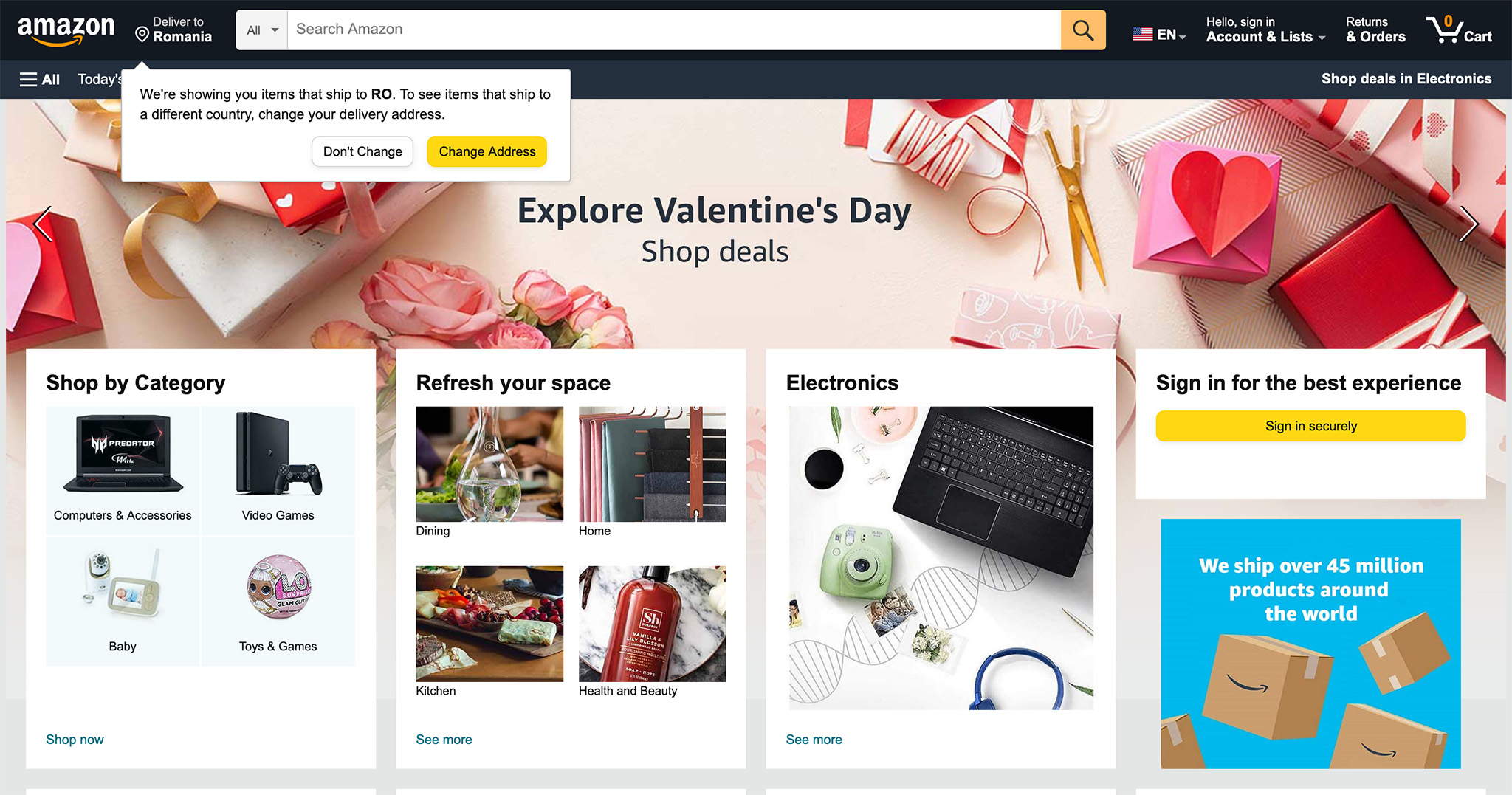
Today, the Amazon brand serves as a global benchmark for digital commerce and customer experience. Startups and established companies alike look to Amazon’s strategies for inspiration in areas such as personalization, logistics, cloud computing, and voice technology. Its brand represents the pinnacle of what is achievable in online retail and service delivery. The very idea of “e-commerce” is often framed through an Amazon lens, highlighting its profound and lasting impact on how businesses operate and how consumers interact with digital platforms worldwide.
In conclusion, “What Amazon” truly is, at its core, is a masterfully constructed and continuously evolving brand. It is a brand that has transcended its origins to become a household name, a verb, and an indispensable part of modern life. Its strategic blend of customer obsession, innovative diversification, consistent messaging, and data-driven marketing has created a corporate identity of unparalleled strength and ubiquity. The Amazon brand is not just a logo or a collection of services; it is a promise, an expectation, and a force that continues to define the landscape of global commerce and technology.
aViewFromTheCave is a participant in the Amazon Services LLC Associates Program, an affiliate advertising program designed to provide a means for sites to earn advertising fees by advertising and linking to Amazon.com. Amazon, the Amazon logo, AmazonSupply, and the AmazonSupply logo are trademarks of Amazon.com, Inc. or its affiliates. As an Amazon Associate we earn affiliate commissions from qualifying purchases.