
For anyone involved in the world of finance, from seasoned institutional traders to aspiring individual investors, understanding the operating hours of the American stock market is not merely a matter of trivia—it’s a fundamental pillar of strategic decision-making. The precise timing of market open and close dictates liquidity, price discovery, and the optimal windows for executing trades. Misconceptions or a lack of detailed knowledge can lead to missed opportunities, poor trade executions, or even unnecessary risks. This article delves deep into the standard market hours, explores the extended trading sessions, and illuminates the crucial nuances that every investor needs to master to navigate the dynamic U.S. equities landscape effectively.
The Standard Trading Day: NYSE and NASDAQ Regular Hours
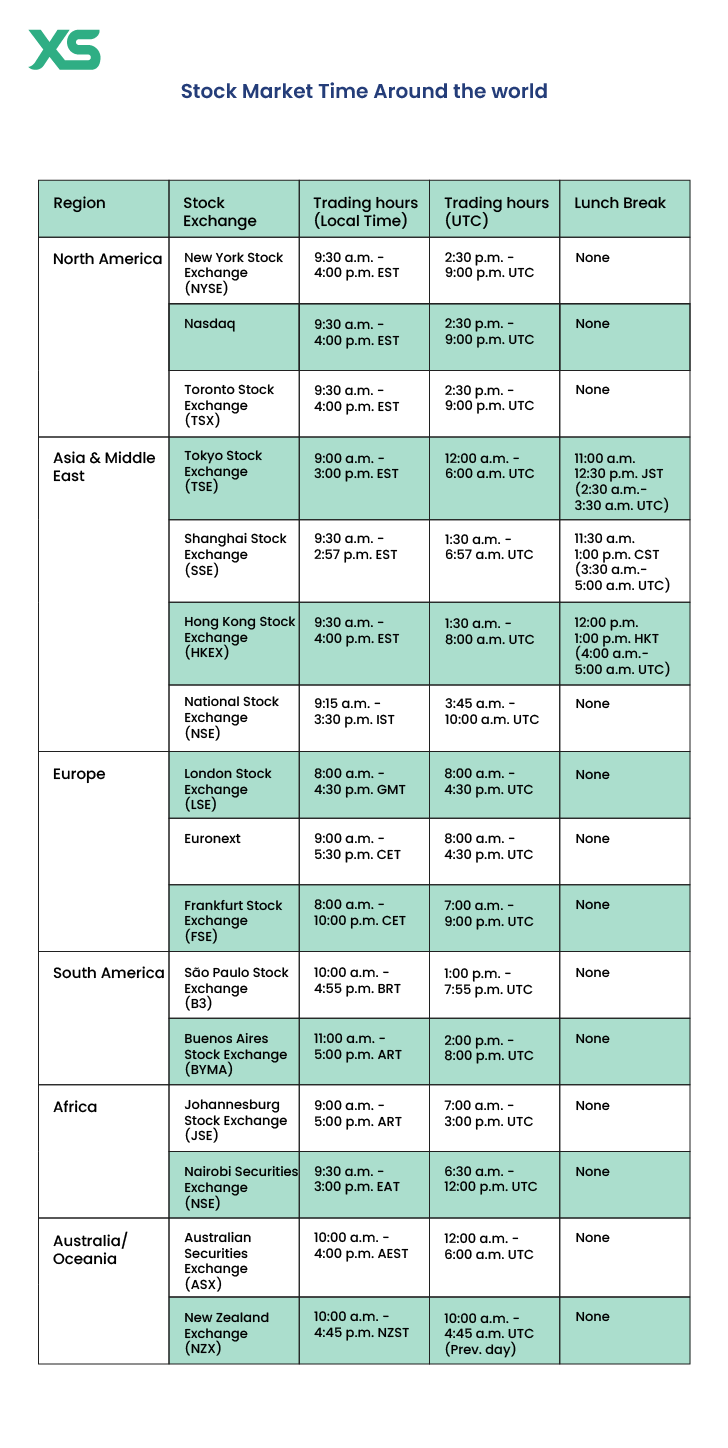
The backbone of U.S. stock market operations rests on the regular trading hours of its two primary exchanges: the New York Stock Exchange (NYSE) and the NASDAQ Stock Market. These hours represent the period of highest liquidity and most robust price discovery, where the vast majority of daily trading volume occurs.
Regular Market Hours Explained
Both the NYSE and NASDAQ adhere to the same standard trading schedule:
- Opening Bell: 9:30 AM Eastern Time (ET)
- Closing Bell: 4:00 PM Eastern Time (ET)
This six-and-a-half-hour window from Monday to Friday forms the core trading day. During these hours, buyers and sellers actively participate, prices fluctuate based on supply and demand, and market data is disseminated in real-time. It’s the period when market news, economic reports, and company earnings announcements have their most direct and immediate impact on stock valuations.
Understanding Eastern Time (ET)
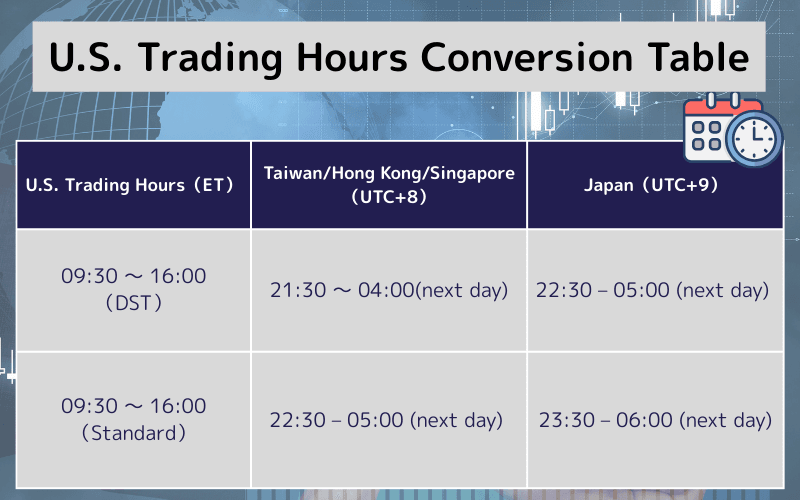
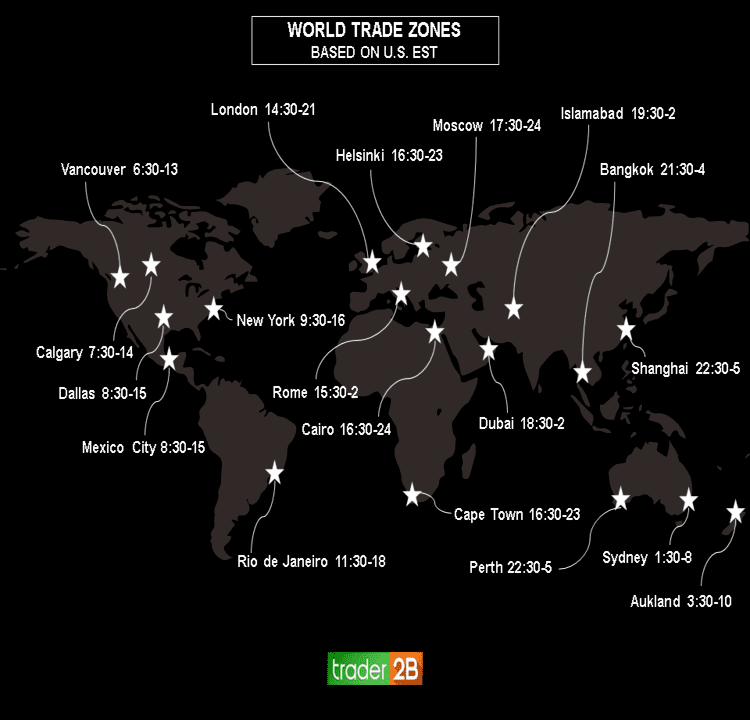
A critical point of clarity for investors located outside the U.S. Eastern Time Zone is the consistent use of ET for market hours. Whether you are in California (Pacific Time), London (Greenwich Mean Time), or Tokyo (Japan Standard Time), the U.S. stock market opens at 9:30 AM ET and closes at 4:00 PM ET. This means international investors, or those on the West Coast of the U.S., must adjust their local clocks accordingly to align with New York time. For instance, a trader in Los Angeles will observe the market opening at 6:30 AM PT, while a trader in London will see the market open at 2:30 PM GMT (during standard time, adjusting for daylight saving). This time zone consideration is paramount for planning trading activities and staying abreast of market movements.
Why These Hours Matter for Investors
The regular trading hours are significant for several reasons. Firstly, they offer the highest level of liquidity, meaning there’s a greater number of buyers and sellers, which generally translates to tighter bid-ask spreads and easier execution of large orders without significantly moving the price. Secondly, the market’s opening and closing moments are often characterized by increased volatility and trading volume, driven by overnight news, pre-market sentiment, and end-of-day portfolio adjustments. Many professional traders develop specific strategies to capitalize on these opening and closing “power hours.” Understanding this standard schedule is the foundational step for any participant seeking to engage with the American stock market effectively.
Beyond the Bell: Pre-Market and After-Hours Trading
While the regular 9:30 AM to 4:00 PM ET window defines the core trading day, the financial markets don’t simply cease to exist outside these hours. Modern electronic trading systems facilitate activity long before the opening bell and well after the closing gong, through what are known as pre-market and after-hours trading sessions. These extended hours offer opportunities but also present unique challenges and risks.
What is Pre-Market Trading?
Pre-market trading typically begins as early as 4:00 AM ET and runs until the market’s official opening at 9:30 AM ET. This period allows investors to react to news that breaks overnight or early in the morning, such as earnings reports released before the market opens, unexpected global events, or significant analyst upgrades/downgrades.
- Purpose: To provide an early indication of market sentiment and allow participants to position themselves ahead of the official open. It can be particularly useful for reacting to news that might cause a stock to gap up or down significantly at the open.
- Participants: Primarily institutional investors, professional traders, and sophisticated individual investors who have access to advanced trading platforms offering extended hours.
- Risks: Characterized by significantly lower liquidity compared to regular hours, which can lead to wider bid-ask spreads and greater price volatility. Executing large orders can be challenging, and prices achieved in pre-market may not reflect the prices available once the regular session begins.
What is After-Hours Trading?
After-hours trading commences immediately following the closing bell at 4:00 PM ET and can extend as late as 8:00 PM ET. Similar to pre-market, this session is often driven by corporate announcements, such as earnings releases or press conferences scheduled after regular market hours, as well as late-breaking economic news.
- Purpose: To allow continued price discovery and trading activity in response to news items that occur after the market closes. Many companies strategically release their quarterly earnings after 4:00 PM ET to prevent immediate, volatile reactions during the regular session.
- Participants: Similar to pre-market, it’s generally dominated by institutional players and experienced individual traders with access to electronic communication networks (ECNs) that facilitate these trades.
- Risks: Like pre-market trading, after-hours sessions suffer from reduced liquidity and increased volatility. It’s crucial for investors to understand that lower trading volumes can make it difficult to enter or exit positions at desired prices, and sudden price swings are more common.
The Dynamics of Extended Hours
Extended trading hours provide flexibility and enable quicker reactions to new information, but they are not without their caveats. The lower liquidity means that prices can be more easily influenced by fewer trades, potentially leading to exaggerated movements or ‘phantom’ prices that quickly reverse once regular trading resumes. Bid-ask spreads widen significantly, increasing transaction costs for traders. Furthermore, many brokerages offer limited functionality during these periods, and not all order types may be available. Investors participating in extended hours must exercise heightened caution, employ robust risk management strategies, and be acutely aware of the lower volume and higher volatility inherent in these sessions.
Navigating Market Holidays and Shortened Sessions
While the 9:30 AM to 4:00 PM ET schedule is standard, the American stock market does not operate every single weekday of the year. It observes several federal holidays, during which it remains completely closed. Additionally, there are instances of shortened trading sessions, primarily around major holidays, which can catch unprepared investors off guard. Understanding these exceptions is vital for effective financial planning and trading strategy.
Major U.S. Stock Market Holidays
The U.S. stock market typically closes for nine observed holidays throughout the year. These closures apply to both the NYSE and NASDAQ. Knowing this list in advance is crucial for investors to plan their trades, manage their portfolios, and anticipate when they will not have access to real-time market action.
Here’s a list of generally observed holidays:
- New Year’s Day: January 1st
- Martin Luther King, Jr. Day: Third Monday in January
- Washington’s Birthday (Presidents’ Day): Third Monday in February
- Good Friday: The Friday before Easter
- Memorial Day: Last Monday in May
- Juneteenth National Independence Day: June 19th
- Independence Day: July 4th
- Labor Day: First Monday in September
- Thanksgiving Day: Fourth Thursday in November
- Christmas Day: December 25th
It’s important to note that if a holiday falls on a weekend, the market typically observes it on the closest weekday (e.g., if Christmas Day is a Saturday, the market might close on Friday, December 24th, or Monday, December 27th, depending on the specific exchange schedule for that year). Always consult the official exchange calendars for precise dates each year.
Early Closings and Special Events
Beyond full holiday closures, the stock market also observes several shortened trading days. These usually involve an early close at 1:00 PM ET. Common examples include:
- Day before Independence Day (July 3rd, if it’s a weekday)
- Day after Thanksgiving (Black Friday)
- Christmas Eve (December 24th, if it’s a weekday)
- New Year’s Eve (December 31st, if it’s a weekday)
These shortened sessions can still experience significant volatility, especially leading up to the early close, as traders adjust positions before the extended break. Additionally, unforeseen circumstances, while rare, can lead to unscheduled market closures or delays, such as extreme weather events, technical failures, or national emergencies. While these are exceptions, market participants should be aware that such events, though infrequent, can occur.
Planning Your Trades Around Market Closures
Proactive planning is essential when dealing with market holidays and shortened sessions. Traders need to:
- Adjust their trading schedules: Avoid planning critical trades on or immediately before holidays if liquidity is a concern or if reactions to news might be delayed.
- Manage open positions: Consider the impact of an extended closure on any open positions. Overnight risk can accumulate, especially if significant news breaks while the market is closed.
- Account for reduced liquidity: On shortened days or days immediately surrounding holidays, trading volumes can be lighter, potentially leading to wider spreads and greater price movements on smaller trades.
- Stay informed: Regularly check the official calendars of the NYSE and NASDAQ, as well as your brokerage’s announcements, for any changes or specific timings.
Ignoring these exceptions can lead to unexpected portfolio exposure, inability to execute desired trades, or missed opportunities to react to market-moving information.
Implications for Investors: Why Timing is Key
Understanding the U.S. stock market’s opening and closing times, including extended hours and holidays, goes far beyond mere scheduling. It has profound implications for an investor’s strategy, risk management, and overall success. The market’s rhythm dictates when and how information is processed, when liquidity is optimal, and when certain strategies are most effective.
Volatility and Liquidity Throughout the Day
The trading day is not a monolithic block of uniform activity. Instead, it exhibits distinct patterns of volatility and liquidity that astute investors can leverage or mitigate:
- The Opening Hour (9:30 AM – 10:30 AM ET): Often the most volatile period. This is when the market reacts to all news and events that occurred overnight or during the pre-market session. High volume and rapid price movements are common, offering opportunities for day traders but posing risks for less experienced participants.
- Mid-Day Lull (Late Morning to Early Afternoon): Typically the calmest period. Volume tends to decrease, and price movements are often more subdued. This can be a good time for executing larger orders with less market impact, or for long-term investors less concerned with intra-day fluctuations.
- The Closing Hour (3:00 PM – 4:00 PM ET): Another period of heightened activity and volatility. Traders scramble to close positions, rebalance portfolios, or enter new trades based on end-of-day sentiment. Significant price swings can occur, especially in the final minutes before the closing bell.
Understanding these hourly dynamics allows investors to tailor their trading activity to their risk tolerance and strategic objectives.
Impact of Economic News and Earnings Reports
The timing of market-moving news is intrinsically linked to market hours. Most major economic data releases (e.g., inflation reports, unemployment figures) are scheduled for 8:30 AM ET or 10:00 AM ET, strategically timed to influence pre-market or early regular trading. Similarly, companies often release earnings reports either before the market open (e.g., 7:00 AM ET) or after the market close (e.g., 4:15 PM ET).
- Pre-Market/Early Morning Releases: Allow investors to react immediately at the market open, often leading to significant price gaps.
- After-Hours Releases: Can cause dramatic price movements in the extended sessions, shaping the narrative for the following day’s regular trading.
Investors must stay alert to the economic calendar and corporate earnings schedules, as these announcements can dramatically alter stock valuations outside of the most liquid regular trading hours.
Time Zones and International Investors
For international investors, navigating the American stock market requires an additional layer of planning due to time zone differences. A U.S. market open at 9:30 AM ET could mean late afternoon in Europe, late evening in parts of Asia, or even early morning the next day in Australia.
- Strategic Planning: International investors must decide whether to adjust their personal schedules to actively trade during U.S. market hours or rely on limit orders, stop-losses, and automated trading systems to manage positions overnight in their local time.
- Access to Information: Ensuring timely access to U.S. market news, research, and analysis becomes critical when operating across time zones. Real-time data feeds and reliable news sources are invaluable.
- Brokerage Services: International investors should confirm their brokerage offers robust extended-hours trading capabilities and customer support that aligns with their local time zone, if active participation outside regular hours is desired.
For any investor, regardless of location, a deep appreciation for market timing is a cornerstone of sound investing, enabling better decision-making, effective risk management, and ultimately, enhanced potential for achieving financial goals. Knowing when the market operates is not just about showing up; it’s about understanding the pulse of trading and capitalizing on its rhythms.
aViewFromTheCave is a participant in the Amazon Services LLC Associates Program, an affiliate advertising program designed to provide a means for sites to earn advertising fees by advertising and linking to Amazon.com. Amazon, the Amazon logo, AmazonSupply, and the AmazonSupply logo are trademarks of Amazon.com, Inc. or its affiliates. As an Amazon Associate we earn affiliate commissions from qualifying purchases.