
For anyone navigating the complex world of investing, understanding the operational hours of the major US financial markets is fundamental. This knowledge isn’t merely a point of trivia; it directly impacts when you can place trades, how quickly your orders are executed, and even the liquidity and volatility you might encounter. While the answer seems straightforward, a deeper dive reveals nuances vital for both novice and seasoned investors.
Understanding Standard Market Hours
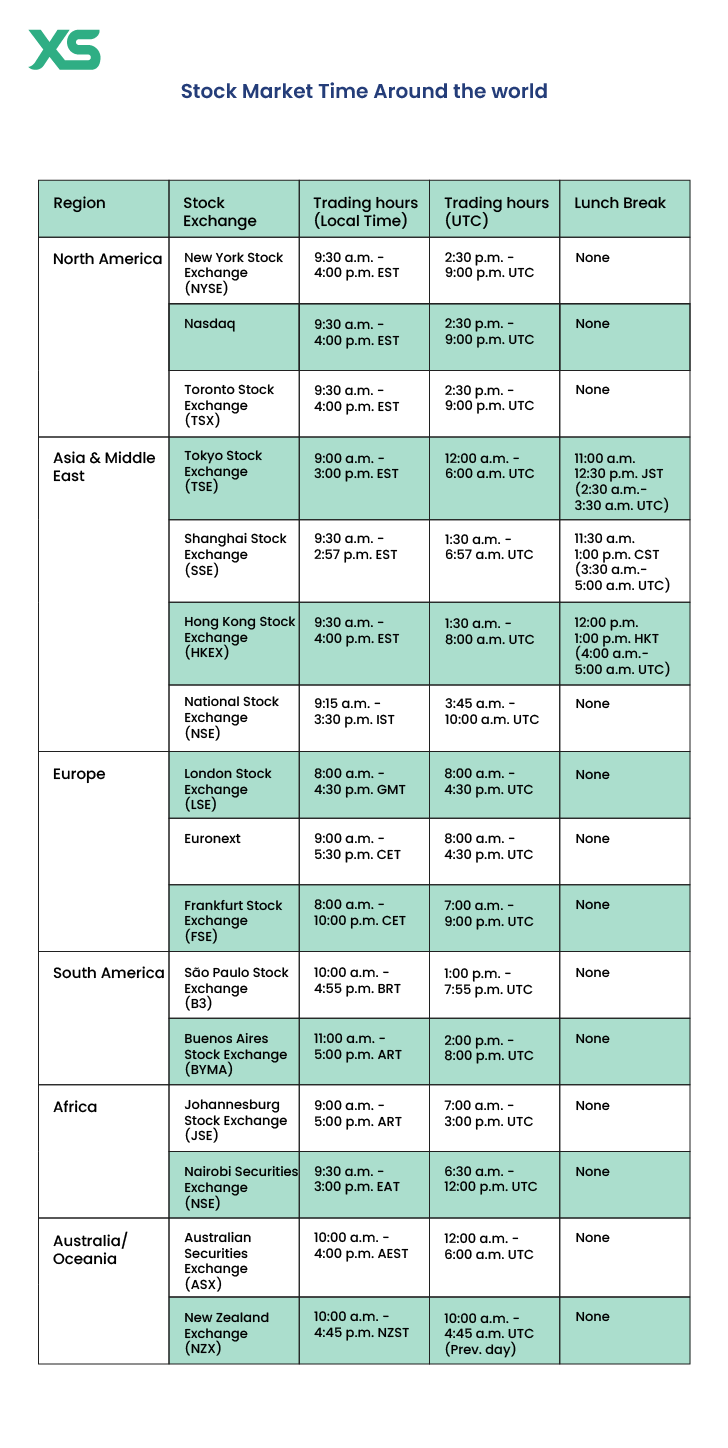
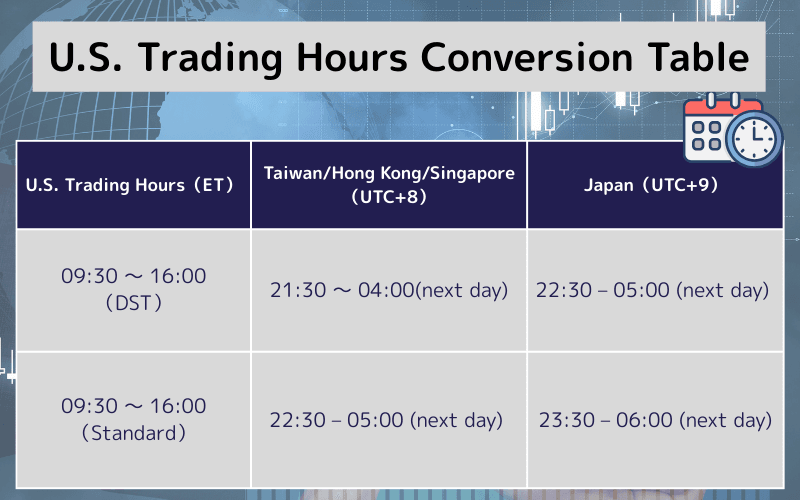
The core operational window for the primary US stock exchanges is from 9:30 AM to 4:00 PM Eastern Time (ET). This seven-and-a-half-hour period constitutes the “regular trading session” and is when the vast majority of trading volume and price discovery occurs. Eastern Time is the standard reference point for all US financial markets, meaning investors in different time zones must convert these hours to their local equivalent.
These standard hours apply to weekdays, from Monday to Friday. The markets observe several federal holidays throughout the year, during which they remain entirely closed. These full closures ensure an orderly market environment and align with national observances. Understanding these standard hours is crucial because it dictates periods of peak liquidity, tighter bid-ask spreads, and generally more predictable market behavior compared to extended trading sessions.
Key US Stock Exchanges and Their Schedules
While often spoken of collectively as “the US market,” it’s important to recognize that several distinct exchanges operate under these same overarching timeframes. Each plays a critical role in the broader financial ecosystem.
The New York Stock Exchange (NYSE)
Often considered the face of American capitalism, the NYSE is an iconic global financial institution. Located on Wall Street, it operates as a hybrid market, combining electronic trading with human specialists on its trading floor. The NYSE is home to many of the world’s largest and most established companies. Its standard trading hours are precisely aligned with the broader market: 9:30 AM to 4:00 PM ET, Monday through Friday. Trades placed during these hours on the NYSE benefit from high liquidity and the transparency provided by its auction market structure.
The Nasdaq Stock Market
Known for its tech-heavy listings, the Nasdaq is a fully electronic exchange, meaning all transactions are executed via computer networks rather than a physical trading floor. It hosts many of the innovative growth companies that define the modern economy. Like the NYSE, Nasdaq’s regular trading hours are from 9:30 AM to 4:00 PM ET. Its electronic nature often allows for rapid order execution and contributes significantly to the overall volume of US market activity, particularly in the technology and biotechnology sectors.
Other US Markets
While the NYSE and Nasdaq dominate equity trading, other significant markets also adhere to similar schedules for their primary trading sessions. These include:
- Options Exchanges: Markets like the CBOE (Chicago Board Options Exchange) facilitate options trading. While options contracts have varying expiration times, their core trading hours generally mirror the stock market’s 9:30 AM to 4:00 PM ET window.
- Futures Markets: Exchanges such as the CME Group (Chicago Mercantile Exchange) operate markets for commodities, currencies, interest rates, and stock index futures. These markets often have extended hours that stretch well beyond typical stock market times, reflecting the global and continuous nature of futures trading. However, for equity index futures, the most active “day session” often aligns closely with the equity market’s open.
For most individual investors focused on stocks and ETFs, the NYSE and Nasdaq regular hours are the primary concern, setting the rhythm for their daily trading activity.
Pre-Market and After-Hours Trading: Expanding Your Opportunities
Beyond the standard 9:30 AM to 4:00 PM ET window, opportunities exist for investors to trade outside these regular hours, known as pre-market and after-hours trading. These extended sessions are facilitated by Electronic Communication Networks (ECNs) rather than traditional exchange floors.
What is Pre-Market Trading?
Pre-market trading typically occurs from 4:00 AM to 9:30 AM ET. This period allows investors to react to news, earnings reports, or economic data released before the official market open. Companies often announce their quarterly results in the early morning, and pre-market trading provides an immediate avenue for investors to buy or sell shares based on this new information.
While it offers flexibility, pre-market trading comes with increased risks. Liquidity is generally much lower than during regular hours, meaning fewer buyers and sellers are present. This can lead to wider bid-ask spreads and significant price volatility, as even small trades can have a disproportionate impact on a stock’s price. Experienced traders use this period to position themselves strategically, but caution is advised for less experienced participants.
What is After-Hours Trading?
After-hours trading extends beyond the 4:00 PM ET close, typically running from 4:00 PM to 8:00 PM ET. Similar to pre-market trading, this session allows investors to react to news that breaks after the market closes, such as late-day corporate announcements, analyst upgrades/downgrades, or international market movements.
Like pre-market trading, after-hours sessions are characterized by reduced liquidity and potentially increased volatility. The lower trading volume can make it challenging to execute large orders at desired prices, and spreads can widen considerably. While it provides an avenue for immediate action, investors should be aware of these characteristics and potentially use limit orders to control their execution prices.
Factors Influencing Market Opening Times and Volatility
While the 9:30 AM to 4:00 PM ET window is generally fixed, several factors can influence how investors perceive and interact with market opening times, particularly concerning liquidity and volatility.
Federal Holidays
US financial markets observe a set of federal holidays, during which they remain closed. These typically include:
- New Year’s Day
- Martin Luther King, Jr. Day
- Presidents’ Day
- Good Friday
- Memorial Day
- Juneteenth National Independence Day
- Independence Day
- Labor Day
- Thanksgiving Day
- Christmas Day
Additionally, there are days when the market might close early, such as on the day after Thanksgiving or on Christmas Eve if it falls on a weekday. It is crucial for investors to consult an up-to-date market holiday calendar to avoid attempting to trade on a closed day.
Daylight Saving Time (DST)
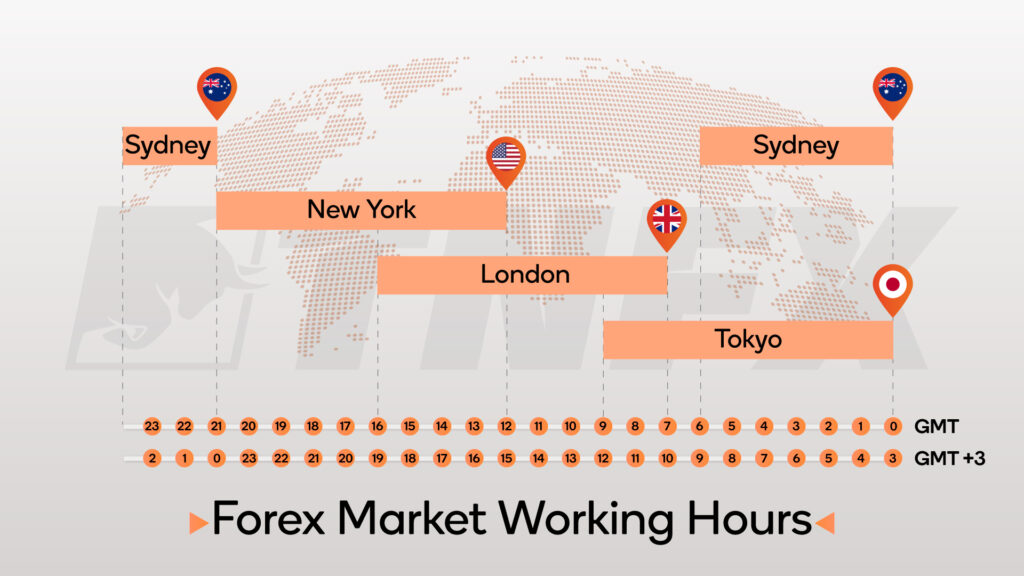
The biannual shift to and from Daylight Saving Time can sometimes cause confusion, especially for international investors or those in different US time zones. While the market itself always operates on Eastern Time, the relationship between ET and other global time zones shifts. For instance, an investor in London might find the market opening time shifting by an hour relative to GMT when the US observes DST, even though the market’s internal clock remains constant. This requires careful adjustment of personal trading schedules.
Economic Data Releases and Geopolitical Events
The moments leading up to and immediately following the market open can be highly volatile due to a confluence of factors. Key economic data releases (e.g., CPI, unemployment figures, FOMC announcements), major corporate earnings reports, or significant geopolitical events often occur before the market opens or during the extended hours. The cumulative impact of this information is then digested and reflected in trading activity at 9:30 AM ET, often leading to rapid price movements and high trading volumes during the first few minutes of the regular session. Astute investors track economic calendars and global news to anticipate these potential shifts.
Practical Tips for Investors Navigating Market Hours
Navigating market hours effectively is a critical skill for managing risk and optimizing investment opportunities.
Align with Eastern Time
Always remember that US markets operate on Eastern Time. If you’re in another time zone, convert 9:30 AM ET and 4:00 PM ET to your local time to ensure you’re aware of the live market sessions. Many trading platforms automatically display times in your local zone, but it’s good practice to understand the underlying standard.
Understand Liquidity Differences
Recognize that liquidity is highest during regular trading hours and significantly lower during pre-market and after-hours sessions. This directly impacts how easily you can buy or sell shares without affecting their price. High liquidity means less market impact; low liquidity means your orders might move the price more significantly.
Utilize Appropriate Order Types
During regular hours, market orders are common, as there’s usually enough liquidity for them to be filled quickly at a fair price. However, when trading in extended hours or during periods of high volatility, limit orders are almost always preferable. A limit order allows you to specify the maximum price you’re willing to pay or the minimum price you’re willing to accept, protecting you from unexpected price swings due to low liquidity.
Stay Informed
Keep a close eye on economic calendars, company news feeds, and global events. These often dictate market sentiment and can lead to significant price movements, especially around the market open or during extended trading. Being informed allows you to anticipate potential volatility or significant trading opportunities.
Manage Risk Prudently
Extended-hours trading carries higher risk due to lower liquidity and increased volatility. If you choose to participate, consider allocating smaller position sizes and using stop-loss orders to limit potential losses. Never invest more than you can afford to lose, especially in these less predictable environments.
By understanding the precise timing of US market operations, alongside the nuances of extended hours and influencing factors, investors can make more informed decisions, manage their risk exposure, and strategically participate in the financial markets.
aViewFromTheCave is a participant in the Amazon Services LLC Associates Program, an affiliate advertising program designed to provide a means for sites to earn advertising fees by advertising and linking to Amazon.com. Amazon, the Amazon logo, AmazonSupply, and the AmazonSupply logo are trademarks of Amazon.com, Inc. or its affiliates. As an Amazon Associate we earn affiliate commissions from qualifying purchases.