
For anyone residing in regions where the mercury regularly plunges well below freezing, the winter morning ritual is all too familiar: the nervous turn of the ignition key, the hesitant groan of a starter motor struggling against viscous oil, and the lingering anxiety that the vehicle simply won’t start. Enter the engine block heater—a relatively simple, low-cost piece of hardware that acts as a vital technological bridge between a dormant, ice-cold engine and a functional, efficient machine. While modern automotive engineering has made significant strides in cold-start reliability, the fundamental principles of thermal management remain unchanged. Understanding how these heating elements function is not just about convenience; it is about extending the lifespan of your vehicle’s most expensive component.
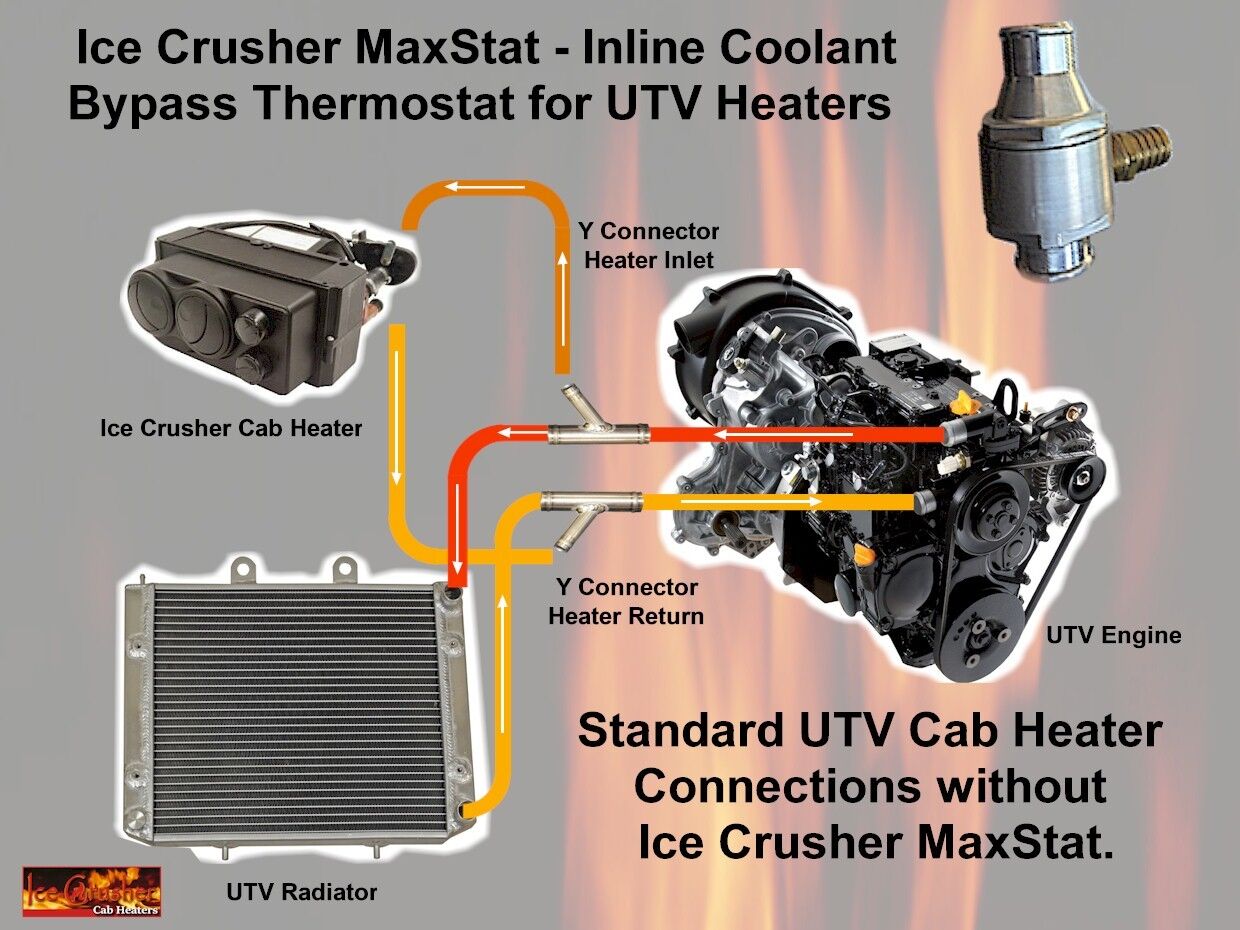
The Mechanical Fundamentals: How Heat Alters Viscosity
At the heart of the engine block heater’s utility is the physics of fluid dynamics, specifically concerning motor oil. Under normal operating conditions, oil is engineered to flow with a specific consistency—a “weight” that allows it to coat internal moving parts like pistons, connecting rods, and camshafts. When temperatures drop, that oil thickens significantly. This phenomenon is known as an increase in viscosity.
The Friction Battle
When an engine sits in sub-zero temperatures overnight, the oil drains into the oil pan and becomes remarkably sluggish, almost resembling molasses. When you attempt to start the engine, the starter motor must exert immense mechanical effort to overcome this internal resistance. This puts a massive strain on the battery, which, ironically, also loses significant capacity in the cold. An engine block heater works by warming the coolant surrounding the engine cylinders, which in turn radiates heat into the engine block and the oil. By keeping the oil closer to its optimal operating viscosity, the heater reduces the “drag” on the internal components. This allows the engine to reach its intended rotation speed much faster, significantly reducing the initial wear and tear that occurs during those crucial first few seconds of a cold start.
Protecting Internal Components
Beyond mere starting ability, cold-start wear is arguably the primary cause of engine degradation over the long term. When oil is thick, it takes precious seconds—or even minutes—for the oil pump to deliver a consistent, protective film to the top end of the engine. During this “dry” period, metal-on-metal contact is at its peak. By pre-warming the block, the engine enters its operational cycle with lubrication that is already mobile and ready to protect delicate surfaces, effectively mitigating the microscopic erosion that happens during every winter cold start.
Integration and Types: The Technology of Thermal Transfer
Not all engine heaters are built the same, and the technological approach to heating the engine varies based on the vehicle’s design, the climate, and the user’s preference for installation complexity. These systems fall into several distinct categories, each utilizing different methods of thermal induction.
The Immersion Heater
The most traditional and effective type is the immersion block heater. This device is physically installed directly into the engine block, usually by removing a “freeze plug” (or core plug) from the water jacket. Because the heating element is in direct contact with the engine coolant, the heat transfer is highly efficient. When plugged into a standard residential outlet, the heater warms the coolant, which then circulates through the block via convection. The entire mass of the engine block is kept at a moderate temperature, ensuring that the oil, the metal, and the coolant are ready for the stresses of combustion.
External and Inline Heaters
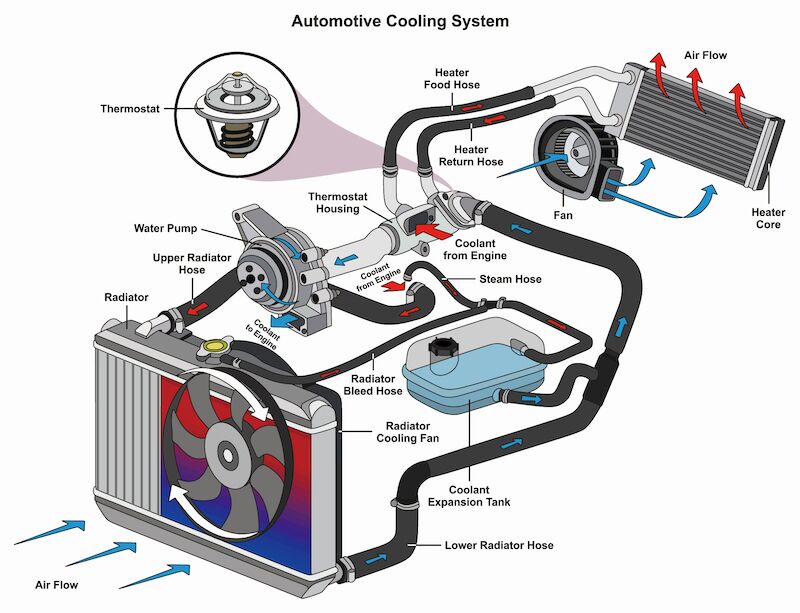
For vehicles where accessing a freeze plug is difficult, manufacturers often offer inline heaters. These are installed into the radiator hose circuit. They utilize a heating element to warm the coolant as it sits in the hose. While slightly less efficient than a direct immersion heater due to heat loss through the hoses and the distance from the engine block, they are significantly easier to install and replace. Furthermore, there are “oil pan heaters”—magnetic or adhesive pads that attach to the exterior of the oil pan. These focus specifically on the oil, heating it directly to ensure it remains thin enough to circulate instantly. While they don’t warm the coolant or the cylinder head, they offer a specialized solution for those concerned primarily with lubrication flow.
The Efficiency Equation: Fuel Economy and Emissions
While the primary argument for engine block heaters is mechanical longevity, the impact on efficiency and environmental performance is equally significant. Modern engines are designed to reach “closed-loop” operation as quickly as possible. This is the state where the engine’s onboard computer (the Engine Control Unit, or ECU) relies on feedback from oxygen sensors to manage the air-fuel mixture.
Reducing the Warm-Up Cycle
In freezing temperatures, an engine runs “rich,” meaning it injects more fuel into the cylinders than is strictly necessary, to compensate for the poor combustion characteristics of a cold engine. This contributes to high fuel consumption and increased tailpipe emissions during the first several minutes of a drive. By pre-warming the engine with a block heater, the system reaches its efficient operating temperature in a fraction of the time. This results in cleaner combustion almost immediately after turning the key.
Cabin Comfort as a Secondary Benefit
While “comfort” is rarely the primary selling point for automotive hardware, the secondary effect of a block heater is the accelerated performance of the vehicle’s heating, ventilation, and air conditioning (HVAC) system. Because the heater has already raised the temperature of the engine coolant, the heater core—the small radiator responsible for warming the cabin—is ready to provide heat to the driver much sooner than it would be if the engine had to start from absolute zero. This reduces the time spent idling in the driveway to defrost the windshield, which in turn reduces fuel waste and idling-related emissions.
Best Practices and Strategic Management
Maximizing the effectiveness of an engine block heater requires more than just installation; it requires a basic strategy for usage. While it might seem logical to keep the heater running all night, this is often unnecessary and can lead to increased energy costs with diminishing returns.
Timing and Optimization
Most modern block heaters are powerful enough to bring an engine to an optimal “pre-start” state within two to three hours of use. Running the heater for eight or ten hours is effectively a waste of electricity. The most efficient way to utilize this technology is to employ a heavy-duty outdoor timer. By setting the timer to kick in three hours before your planned departure time, you ensure that the engine is warm, the oil is ready, and your energy footprint remains low.

Safety Considerations
As with any electrical device exposed to the elements, maintenance is key. Regularly inspect the power cord for cracks, fraying, or damage from road salt and debris. Using a high-quality, weather-rated extension cord is mandatory to prevent short circuits or electrical fires. When disconnecting the vehicle, always ensure the cord is properly stowed and not dragging on the ground, where it could be damaged by road conditions or ice accumulation. By treating the heater as an essential maintenance item rather than an “install and forget” accessory, you ensure that the system remains a reliable partner in your winter driving strategy.
Ultimately, the engine block heater represents a perfect marriage of simple electrical technology and complex automotive engineering. It is a cost-effective, time-tested solution that addresses the most brutal challenges of the winter season. By reducing the load on the electrical system, improving the flow of critical lubrication, and minimizing the duration of inefficient cold-running cycles, the engine block heater is an essential tool for any driver committed to vehicle longevity and consistent performance. In the battle between machinery and the freezing elements, a few hours of thermal preparation can mean the difference between a smooth start and a costly breakdown.
aViewFromTheCave is a participant in the Amazon Services LLC Associates Program, an affiliate advertising program designed to provide a means for sites to earn advertising fees by advertising and linking to Amazon.com. Amazon, the Amazon logo, AmazonSupply, and the AmazonSupply logo are trademarks of Amazon.com, Inc. or its affiliates. As an Amazon Associate we earn affiliate commissions from qualifying purchases.