
For most investors, the question of when stock markets close is fundamental to understanding market dynamics, executing trades, and managing portfolios effectively. While the answer might seem straightforward, the intricacies of market hours, including standard sessions, extended trading, and holiday schedules, significantly impact investment strategies and financial outcomes.
Understanding Standard Market Hours
The primary stock exchanges in the United States operate on a fixed schedule, providing a predictable environment for trading. These hours define when the vast majority of transactions occur, liquidity is highest, and official closing prices are determined.
Major US Stock Exchanges (NYSE, NASDAQ)
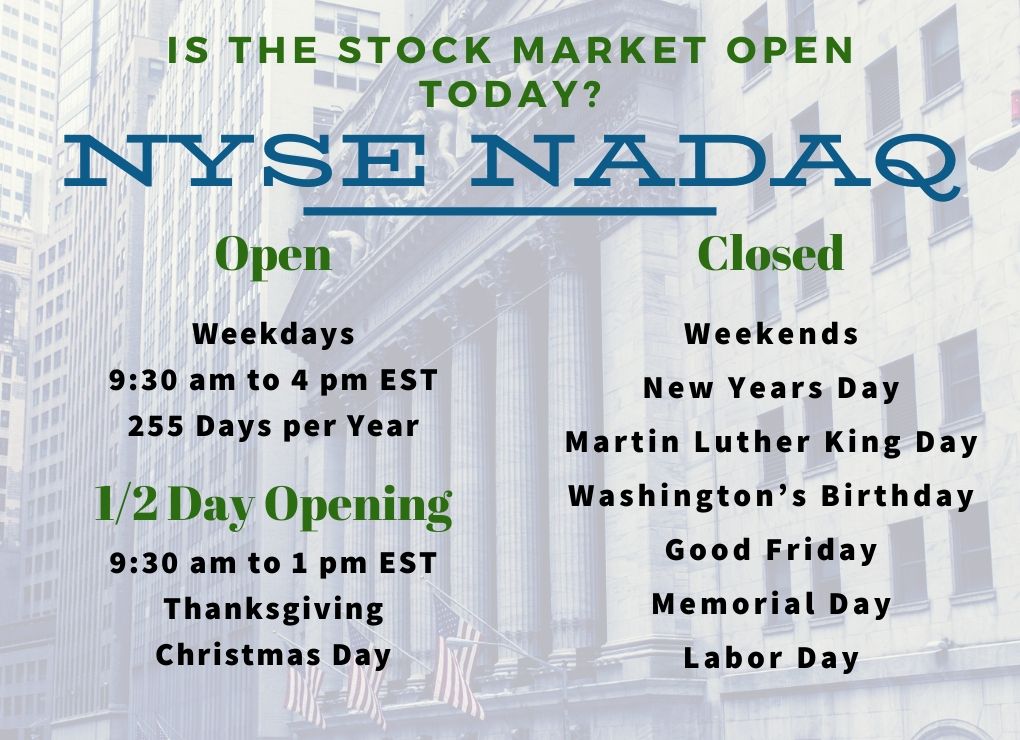
The two largest and most influential stock exchanges in the U.S., the New York Stock Exchange (NYSE) and the NASDAQ Stock Market, adhere to the same standard trading hours. For most of the year, these markets open at 9:30 AM Eastern Time (ET) and close at 4:00 PM ET on weekdays. This seven-and-a-half-hour window is often referred to as “regular trading hours” or “cash market hours.”
During these standard hours, market makers are actively quoting prices, bid-ask spreads are typically tighter, and trading volumes are at their peak. This environment generally provides the best conditions for efficient price discovery and order execution for individual and institutional investors alike. Understanding these core hours is crucial for any investor looking to place orders, monitor portfolio performance, or react to market news in real-time.
Global Market Variations
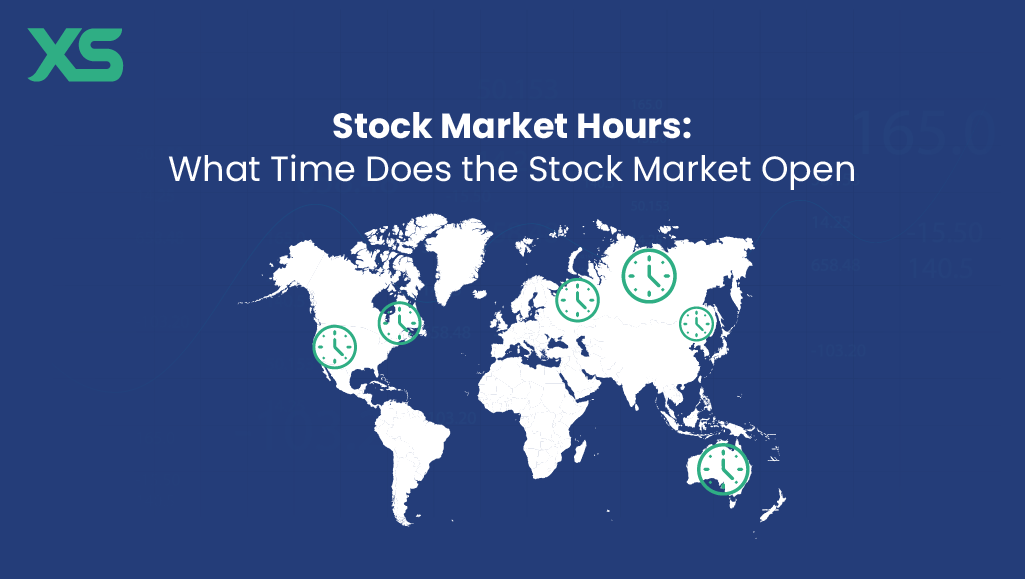
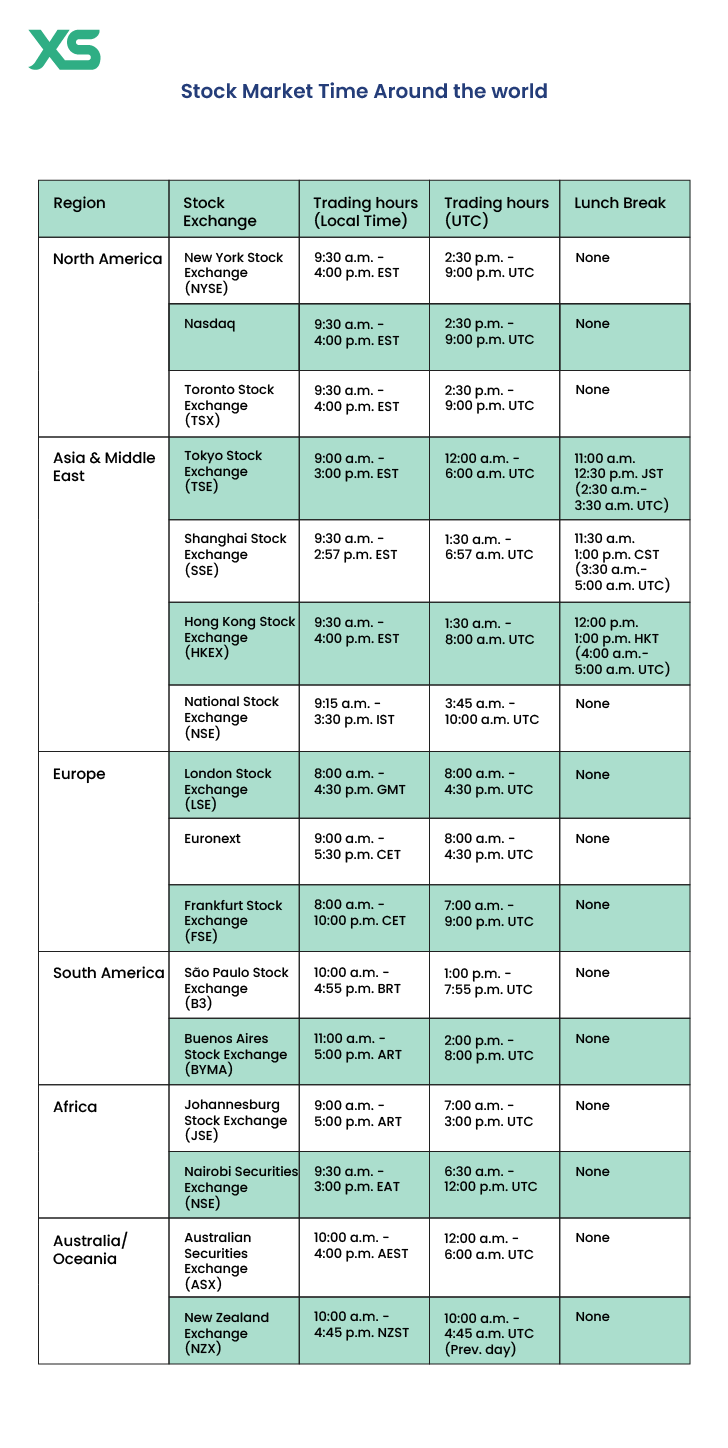
While the focus for many U.S.-based investors is naturally on domestic exchanges, it’s worth noting that stock markets around the world operate on their own distinct schedules, influenced by their local time zones and national holidays. For instance, European markets like the London Stock Exchange (LSE) and Euronext (Paris, Amsterdam, Brussels) will have different opening and closing times relative to ET, as will Asian markets such as the Tokyo Stock Exchange (TSE) or the Shanghai Stock Exchange (SSE). Investors with diversified international portfolios or those involved in global macroeconomic analysis must account for these varied operating hours, as news or events in one part of the world can impact markets in another even when they are closed.
Beyond Standard Hours: After-Hours and Pre-Market Trading
The concept of market “closing” has evolved significantly with technological advancements. While 4:00 PM ET marks the end of the regular trading session, activity doesn’t always cease entirely. Electronic communication networks (ECNs) and brokerage platforms allow for trading outside these traditional hours, known as pre-market and after-hours trading.
How After-Hours Trading Works
After-hours trading typically commences shortly after the regular 4:00 PM ET close and can extend until 8:00 PM ET or even later, depending on the brokerage and ECNs used. Similarly, pre-market trading can begin as early as 4:00 AM ET and run until the 9:30 AM ET market open.
During these extended hours, trades are processed through ECNs rather than the traditional exchange floor or NASDAQ’s primary matching engine. Investors can place buy or sell orders, which are then matched with corresponding orders from other participants using the same network. The key difference from regular hours is that these sessions typically have much lower trading volume and fewer participants. This reduced liquidity can lead to greater price volatility and wider bid-ask spreads, making it more challenging to execute large orders or achieve desired prices.
Risks and Opportunities of Extended-Hours Trading
Extended-hours trading presents both unique risks and potential opportunities for investors.
Risks:
- Lower Liquidity: Fewer buyers and sellers mean it can be harder to find a counterparty for a trade, leading to delays or an inability to execute at all.
- Wider Spreads: The difference between the bid (highest price a buyer is willing to pay) and ask (lowest price a seller is willing to accept) can be significantly larger, increasing transaction costs.
- Price Volatility: With less volume, a single large order can have a disproportionate impact on a stock’s price, leading to rapid and unpredictable swings.
- Information Asymmetry: Major news announcements often occur outside regular market hours. While this can present opportunities, it also means that initial reactions might be based on incomplete information or speculation, leading to sharp price movements that may not hold once regular trading resumes.
Opportunities:
- Reacting to News: Investors can react immediately to corporate earnings reports, economic data, or breaking news released after the market close, potentially capitalizing on early price movements before the wider market reacts the next day.
- Flexibility: It offers flexibility for investors who cannot monitor markets during standard hours.
- Adjusting Positions: Traders can adjust their positions or exit trades if significant events unfold overnight, mitigating potential losses or locking in gains.
Despite the opportunities, most financial advisors recommend caution for individual investors participating in extended-hours trading due to the heightened risks.
Impact of Market Closures on Investors
The closing bell isn’t just a signal that trading has stopped; it has profound implications for how investors make decisions, how orders are processed, and how market information is absorbed.
Volatility and News Reactions
Significant news—such as quarterly earnings reports, mergers and acquisitions announcements, or major macroeconomic data releases like inflation figures or employment reports—is frequently scheduled for release after market close or before market open. This timing is deliberate, aiming to give all market participants a chance to digest the information before trading resumes, theoretically promoting a more orderly market.
However, the period between market close and the next open can be a crucible of speculation and anticipation. Prices in extended-hours trading can react sharply to these announcements. When the market reopens at 9:30 AM ET the next day, stocks can “gap” up or down, meaning they open at a significantly higher or lower price than their previous day’s close, reflecting the cumulative impact of overnight news. This gapping effect can be a source of frustration or opportunity for investors, depending on their existing positions and market predictions.
Order Types and Execution
The market’s closing time also directly impacts how various order types are handled.
- Market Orders: A market order placed after hours will typically sit unprocessed until the next open, at which point it will be executed at the prevailing market price, which could be very different from the price at which the order was placed.
- Limit Orders: Limit orders placed after hours or for execution during extended hours will only be filled if the stock’s price reaches the specified limit during the active trading period (either extended hours or the next regular session).
- Good-Til-Canceled (GTC) Orders: GTC orders remain active across multiple trading days until they are executed or canceled. However, if the market closes and an order hasn’t been filled, it will simply carry over to the next trading day.
Understanding these mechanics is vital to avoid unexpected execution prices or missed opportunities, especially for those sensitive to intraday price fluctuations.
Strategic Considerations for Market Close
For active traders and long-term investors alike, the market close is a critical juncture that demands specific strategic considerations.
End-of-Day Trading Strategies
Some traders specialize in end-of-day strategies, focusing on the last hour or minutes of the trading session. This period can see increased volatility and volume as institutional investors make last-minute adjustments, rebalance portfolios, or attempt to influence closing prices (“window dressing”). Traders might look for reversals, breakout opportunities, or specific volume patterns near the close. Conversely, some active traders prefer to close out all positions before the bell to avoid overnight risk and the potential for gapping at the next open.
Portfolio Management and Rebalancing
For long-term investors, market close prompts a different set of considerations. It’s the point at which daily performance is officially tallied, and portfolio values are finalized. This is an opportune time to review portfolio allocations, assess daily gains or losses, and plan for any necessary rebalancing. Decisions to buy or sell to maintain target asset allocations are often made based on these closing figures, with orders placed for the next trading day. Understanding the impact of closing prices on fund valuations, particularly for mutual funds and ETFs, is also key, as their Net Asset Value (NAV) is calculated based on the closing prices of their underlying holdings.
Holidays and Special Closures
It’s imperative for all investors to stay informed about market holidays and special early closures, as these directly affect when transactions can occur and when market data will be available.
Full-Day Closures
Stock exchanges observe several national holidays, during which they remain closed for the entire trading day. In the U.S., these typically include New Year’s Day, Martin Luther King, Jr. Day, Washington’s Birthday (Presidents’ Day), Good Friday, Memorial Day, Juneteenth National Independence Day, Independence Day, Labor Day, Thanksgiving Day, and Christmas Day. When a holiday falls on a weekend, the market closure may be observed on the preceding Friday or following Monday.
Early Closures
In addition to full-day holidays, markets occasionally have early closures, often observed on the day before or after certain holidays (e.g., the day after Thanksgiving or before Christmas Eve). On these days, the market might close at 1:00 PM ET instead of the usual 4:00 PM ET. These shortened sessions can further reduce liquidity and amplify volatility, particularly during the abbreviated afternoon period.
Investors should always consult their brokerage’s calendar or the official exchange websites (NYSE, NASDAQ) for precise schedules, especially around holiday periods, to avoid surprises and ensure their trading and financial planning align with market availability. Staying abreast of these schedules is a fundamental aspect of responsible financial management and intelligent investing.
aViewFromTheCave is a participant in the Amazon Services LLC Associates Program, an affiliate advertising program designed to provide a means for sites to earn advertising fees by advertising and linking to Amazon.com. Amazon, the Amazon logo, AmazonSupply, and the AmazonSupply logo are trademarks of Amazon.com, Inc. or its affiliates. As an Amazon Associate we earn affiliate commissions from qualifying purchases.