
The rhythmic clang of the opening and closing bells on stock exchanges around the world is more than just a ceremonial act; it signifies the active pulse of global finance. For individual investors, seasoned traders, or anyone with a stake in the financial markets, knowing the precise operational hours of these exchanges is not just useful, it’s a critical component of informed decision-making. While the typical trading day might bring to mind the familiar 9:30 AM to 4:00 PM window of Wall Street, the reality is a complex tapestry of varying schedules, time zones, and market-specific nuances that span continents and cultures.
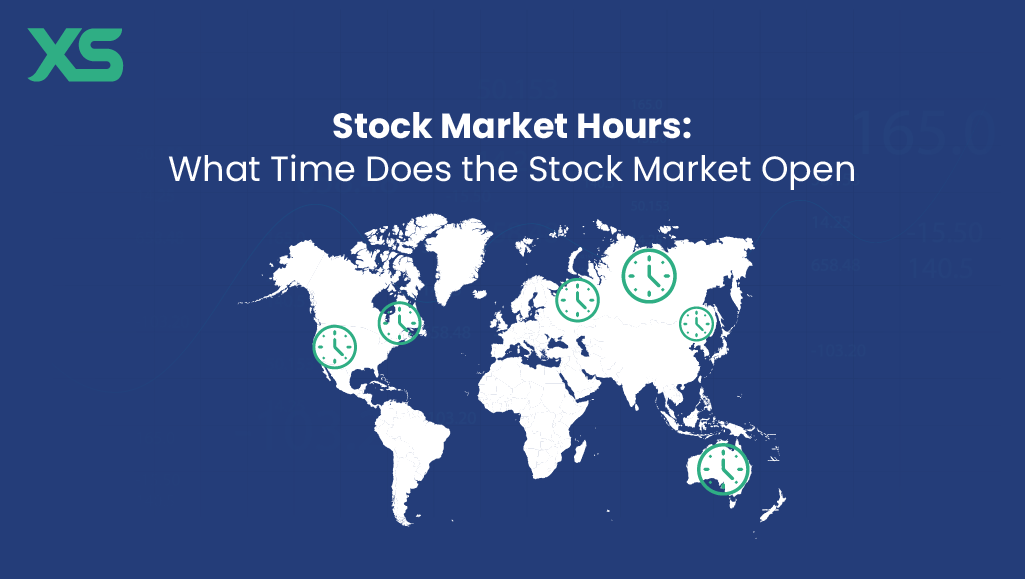
Navigating this global timetable is essential for managing risk, executing trades strategically, and understanding the ebb and flow of capital that drives the world economy. This article aims to demystify the closing times of major stock markets globally, exploring the standard hours, the crucial exceptions, and why these details profoundly impact every investor’s journey in the financial landscape.
A Global Snapshot of Standard Trading Hours
The global financial system operates in a near-continuous cycle, with major exchanges sequentially opening and closing as the sun traverses the globe. While each market maintains its unique rhythm, understanding these standard hours is the first step in grasping the global market’s operational flow.
North American Markets: NYSE and NASDAQ
In the United States, the two titans of equity trading, the New York Stock Exchange (NYSE) and the NASDAQ Stock Market, adhere to a widely recognized schedule:
- Regular Trading Hours: 9:30 AM to 4:00 PM Eastern Time (ET).
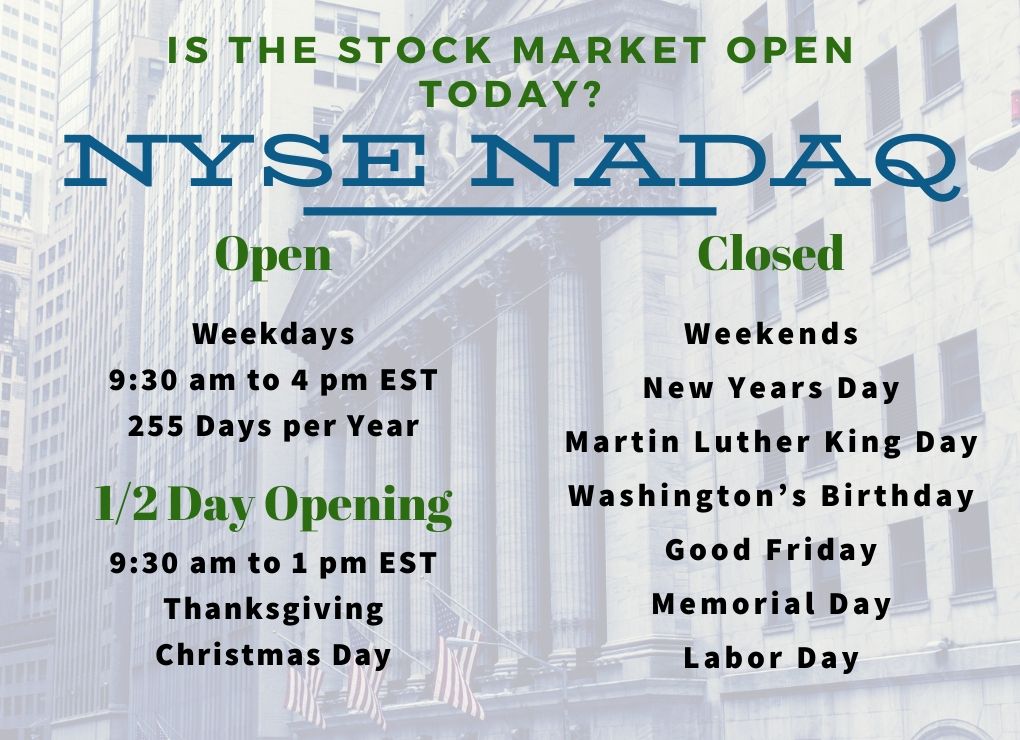
These hours are in effect from Monday to Friday. It’s important to note that U.S. markets observe a range of national holidays, such as New Year’s Day, Memorial Day, Independence Day, Thanksgiving, and Christmas, on which they remain fully closed. Additionally, certain holidays or special events may lead to early closures, where trading might conclude at 1:00 PM ET, as is often the case on the day after Thanksgiving. Canada’s primary exchange, the Toronto Stock Exchange (TSX), generally mirrors these hours, also operating from 9:30 AM to 4:00 PM ET.
European Markets: LSE, Euronext, Deutsche Börse
Europe’s diverse financial landscape includes several major exchanges, each with specific operating times aligned with local business practices:
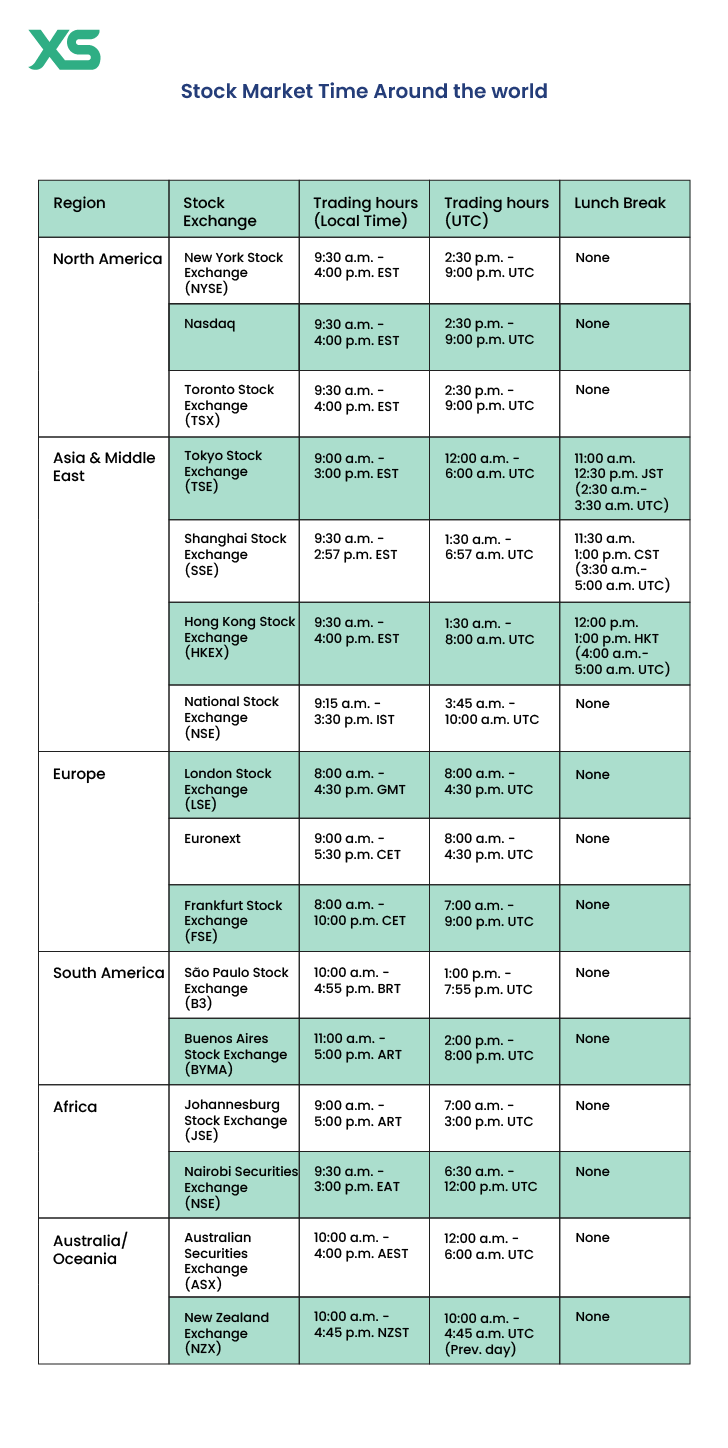
- London Stock Exchange (LSE): A global financial hub, the LSE trades from 8:00 AM to 4:30 PM Greenwich Mean Time (GMT), adjusting to British Summer Time (BST) as applicable.
- Euronext (Paris, Amsterdam, Brussels, Lisbon, Dublin, Oslo): This significant pan-European exchange group typically operates from 9:00 AM to 5:30 PM Central European Time (CET).
- Deutsche Börse (Frankfurt Stock Exchange): Germany’s leading exchange, primarily through its Xetra platform, also trades from 9:00 AM to 5:30 PM CET.
Like their North American counterparts, European markets pause for local public holidays, which can range from national days to religious observances, occasionally leading to partial or full closures.
Asian Markets: Tokyo, Shanghai, Hong Kong
Asian markets often kick off the global trading day, characterized by bustling activity and unique trading structures, including common midday breaks:
- Tokyo Stock Exchange (TSE): As one of Asia’s largest, the TSE features a distinctive split session: 9:00 AM to 11:30 AM Japan Standard Time (JST) for the morning, followed by a lunch break, and then 12:30 PM to 3:00 PM JST for the afternoon session.
- Shanghai Stock Exchange (SSE) & Shenzhen Stock Exchange (SZSE): Mainland China’s exchanges also employ a split schedule, generally from 9:30 AM to 11:30 AM China Standard Time (CST), resuming from 1:00 PM to 3:00 PM CST.
- Hong Kong Stock Exchange (HKEX): A vital gateway for international capital into China, the HKEX operates from 9:30 AM to 12:00 PM HKT (morning session) and 1:00 PM to 4:00 PM HKT (afternoon session).
Asian markets observe a variety of local holidays, notably the extended closures during the Lunar New Year, which are essential for global investors to track.
Other Key Global Markets: Australia, India, Brazil
Beyond these major blocs, other significant markets contribute to the global financial fabric:
- Australian Securities Exchange (ASX): Located in Sydney, the ASX typically operates from 10:00 AM to 4:00 PM Australian Eastern Standard Time (AEST). Its early opening often sets the tone for the global trading day.
- National Stock Exchange of India (NSE) & Bombay Stock Exchange (BSE): India’s dynamic exchanges operate from 9:15 AM to 3:30 PM Indian Standard Time (IST), reflecting the country’s growing economic influence.
- B3 (Brazil Stock Exchange): South America’s largest, based in São Paulo, generally trades from 10:00 AM to 5:00 PM Brazilian Standard Time (BRT), though specific product types and daylight saving adjustments can alter these hours.
Beyond the Clock: Key Influencers of Closing Times and Market Activity
While standard hours provide a framework, the actual trading landscape is significantly shaped by various factors that can alter schedules or extend market influence beyond the official closing bell.
Public Holidays and Early Closures
A critical deviation from standard hours comes in the form of national and religious public holidays. Every country observes its unique calendar of non-trading days, and sometimes exchanges implement early closures before or after these holidays. These scheduled breaks can introduce periods of illiquidity and prevent immediate reactions to market-moving news. For example, a major corporate announcement on a holiday might lead to significant price “gaps” when trading resumes, where the opening price differs dramatically from the previous close. Financial authorities and exchanges meticulously publish these calendars in advance, providing essential foresight for investors to adjust their strategies.
Time Zones and Global Interplay
The sequential opening and closing of markets across different time zones create a continuous, interconnected global financial narrative. When the NYSE closes, European markets have already wound down, but Asian markets are just hours away from their next opening. This temporal relay means that economic data releases, geopolitical events, or corporate news breaking in one region can significantly influence market sentiment and price movements in the next region to open. Savvy global investors monitor these overlaps and transitions closely, as they reveal critical directional cues for assets traded across multiple time zones. Understanding this global interplay is crucial for international diversification and risk management.
After-Hours and Pre-Market Trading
The concept of market closure has become somewhat blurred by the proliferation of extended-hours trading. Most major exchanges now facilitate “pre-market” and “after-hours” sessions, allowing trading activity outside the standard 9:30 AM to 4:00 PM window.
- Pre-market sessions typically occur before the official open (e.g., 4:00 AM – 9:30 AM ET for U.S. markets).
- After-hours sessions extend trading post-close (e.g., 4:00 PM – 8:00 PM ET for U.S. markets).
These sessions are primarily driven by electronic communication networks (ECNs) and are often characterized by lower liquidity, wider bid-ask spreads, and increased volatility. Significant corporate earnings announcements or breaking news often occur during these extended hours, leading to substantial price movements that can dictate the opening price of the subsequent regular session. While they offer flexibility, retail investors should approach extended-hours trading with caution due to the heightened risks.
Why Market Closing Times Are Crucial for Investors
Beyond simply knowing when trading stops, a profound understanding of market closing times, and the dynamics that surround them, is integral to sophisticated investment and risk management strategies.
Managing Risk and Order Execution
Market closures introduce periods of illiquidity that directly impact risk. If adverse news emerges while a market is closed, investors holding positions in affected assets cannot react immediately, exposing them to potential “gap risk” at the next open. Conversely, positive news can lead to upward gaps. For active traders, knowing exact closing times is vital for order placement strategies. Limit orders set near the close might not be filled due to thinning liquidity, and market orders could experience slippage. Understanding how various order types (e.g., “good-til-cancelled” vs. “day orders”) interact with market close is fundamental to ensuring trades are executed as intended, or that unexecuted orders are correctly managed.
Strategic Planning and Global Perspective
Effective portfolio management isn’t just about what happens during market hours; it’s also about the preparatory and analytical work conducted outside them. Knowing market hours enables investors to schedule their research, analysis, and decision-making when the pressure of live trading is absent. For those with diversified international portfolios, tracking the sequential closing of global markets allows for a comprehensive assessment of how world events are shaping asset values across different regions. For example, monitoring Asian market closes provides insight into potential influences on European and then American markets, aiding in a more holistic and globally informed investment strategy.
Essential Resources for Tracking Market Schedules
Staying updated on the intricate schedules of global financial markets doesn’t require constant vigilance. Numerous reliable tools and resources consolidate this vital information for easy access.
Financial News Websites and Brokerage Platforms
Leading financial news outlets, such as Bloomberg, Reuters, The Wall Street Journal, and Yahoo Finance, are invaluable resources. Their dedicated market calendar sections list upcoming holidays, early closures, and regular trading hours for major exchanges worldwide. These platforms often provide real-time updates and alerts for significant market-moving events. Equally important is your personal brokerage platform. Most online brokers integrate detailed market calendars into their dashboards and frequently send out notifications regarding altered trading schedules for the markets and assets their clients typically trade, sometimes even displaying countdowns to market open or close.
Dedicated Market Calendars and Exchange Websites
For granular detail, specialized websites focusing exclusively on market and economic calendars offer comprehensive listings. These platforms meticulously differentiate between regular trading days, early closes, and full closures for exchanges across the globe. They often integrate key economic data release times, offering a holistic view of events that could impact trading. Additionally, the official websites of individual exchanges (e.g., NYSE.com, LSE.com) publish their annual holiday and trading schedules, serving as the definitive source for their specific operational hours. Utilizing these targeted resources ensures investors have the most accurate and current information at their disposal.
Conclusion
The question “what time do stock markets close today?” might appear straightforward, but its answer unveils the complex, interconnected, and dynamic nature of the global financial ecosystem. From the precise timings that govern regular trading hours in New York, London, or Tokyo, to the critical impacts of public holidays, time zone differences, and the extended reach of after-hours trading, understanding market closure is far more than a simple logistical detail. It is a fundamental pillar of financial literacy that empowers investors to effectively manage risk, strategically plan their actions, and capitalize on opportunities. By diligently staying informed through reliable resources and appreciating the global context of market operations, investors can navigate the complexities of today’s financial markets with greater confidence and insight, ensuring their financial decisions are well-timed and meticulously considered, regardless of where the market’s bell tolls.
aViewFromTheCave is a participant in the Amazon Services LLC Associates Program, an affiliate advertising program designed to provide a means for sites to earn advertising fees by advertising and linking to Amazon.com. Amazon, the Amazon logo, AmazonSupply, and the AmazonSupply logo are trademarks of Amazon.com, Inc. or its affiliates. As an Amazon Associate we earn affiliate commissions from qualifying purchases.