
The question of what time a bank closes today is more than a matter of simple logistics; it is a fundamental aspect of personal and business liquidity management. In an era where digital transactions occur at the speed of light, the physical operating hours of brick-and-mortar financial institutions still dictate the “settlement logic” that governs the global movement of money. Understanding the intricacies of banking hours, federal holidays, and transaction cut-off times is essential for anyone looking to master their personal finances or maintain a healthy business cash flow.

Understanding Standard Banking Hours and Federal Observances
For the majority of national and regional banks in the United States and many other Western economies, standard operating hours typically fall between 9:00 AM and 5:00 PM, Monday through Friday. Some institutions may offer extended hours on Thursdays or Fridays to accommodate end-of-week payroll activities, while others may operate on a limited schedule on Saturdays, often closing by noon or 1:00 PM. Almost all traditional banks remain closed on Sundays.
However, the “closing time” for a bank is not merely defined by the locking of the front door. It is also defined by the Federal Reserve’s schedule. Banks operate within a regulatory framework that pauses during federally recognized holidays. On these days, while your mobile app might still allow you to initiate a transfer, the actual movement of funds between institutions—the settlement—is suspended.
The Impact of Federal Holidays on Financial Liquidity
There are eleven standard federal holidays in the United States during which the Federal Reserve Bank is closed. When the Fed is closed, the interbank clearing systems, such as the Automated Clearing House (ACH), do not process transactions. These holidays include:
-
New Year’s Day
-
Martin Luther King Jr. Day
-
Presidents’ Day
-
Memorial Day
-
Juneteenth National Independence Day
-
Independence Day (July 4th)
-
Labor Day
-
Columbus Day / Indigenous Peoples’ Day
-
Veterans Day
-
Thanksgiving Day
-
Christmas Day
If your question “what time does the bank close today” falls on one of these dates, the answer is usually that the physical branch is closed all day, and any digital transactions initiated will be backlogged until the next business day. For business owners, this means payroll must be initiated several days in advance to ensure employees are paid before the holiday weekend begins.
Regional Differences and Branch-Specific Schedules
While national brands like Chase, Bank of America, and Wells Fargo strive for consistency, local demographics often dictate specific branch hours. Branches located inside grocery stores or shopping malls frequently mirror the mall’s operating hours, offering “banker’s hours” that extend into the evening or through the full weekend. Conversely, branches in financial districts may close earlier or remain closed on weekends entirely due to the lack of foot traffic. Always verify the specific branch via their official mobile app to avoid the “closed door” frustration.
Navigating the Digital Shift: When “Closed” Doesn’t Mean Offline
The concept of a bank “closing” is becoming increasingly nuanced as digital banking matures. While the lobby may be dark and the tellers gone for the day, the digital infrastructure of a modern financial institution never truly sleeps. However, there is a distinct difference between a “transaction initiated” and a “transaction settled.”
Real-Time Gross Settlement vs. Delayed ACH Transfers
When you use an app to send money to a friend or pay a bill after the bank has closed, you are interacting with the bank’s internal ledger. If the recipient is at the same bank, the transfer might be instantaneous because the bank is simply moving numbers between its own internal accounts. This is often referred to as an “on-us” transaction.
However, if you are sending money to a different institution after hours, the bank “closes” the daily ledger at a specific cut-off time—often between 2:00 PM and 5:00 PM depending on the institution. Any transfer requested after this cut-off is treated as if it happened the following morning. This is why a transfer initiated on a Friday evening may not reflect in the recipient’s account until the following Tuesday, especially if Monday is a federal holiday.
The 24/7 Availability of Digital Banking Tools
For the modern consumer, the physical closing time is often irrelevant for basic tasks. Mobile check deposit, ATM withdrawals, and peer-to-peer (P2P) payment integrations allow for significant financial flexibility.
-
Mobile Deposits: Most banks allow you to deposit checks via smartphone at any hour. However, the funds-availability policy still applies. A check deposited at 11:00 PM on a Tuesday will likely be processed as a Wednesday deposit.
-
ATMs: Modern ATMs have evolved into automated tellers capable of handling cash deposits, check cashing, and even loan payments. These are available 24/7, though daily withdrawal limits are strictly enforced to mitigate fraud and maintain liquidity.
Strategic Timing: How Bank Hours Influence Your Cash Flow Management
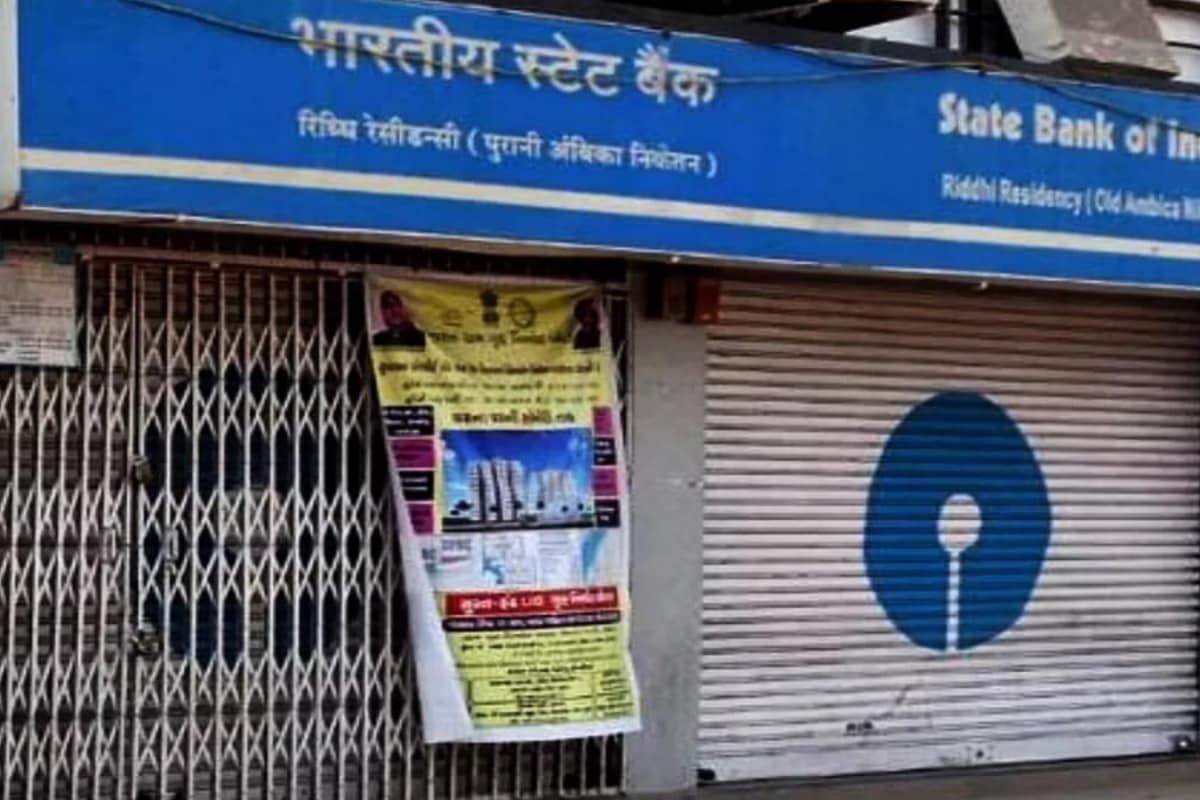
Strategic financial planning requires a deep understanding of banking “deadlines.” If you are managing a small business or a tight personal budget, the gap between “today” and the “next business day” can result in overdraft fees or missed payment penalties.
Processing Deadlines and “Same-Day” Transfers
The most critical time to know is not when the lobby closes, but the “Daily Processing Cut-Off.” For most wire transfers, the cut-off is significantly earlier than the branch closing time—often around 2:00 PM or 3:00 PM EST. If you need to send a high-value wire for a real estate closing or a major purchase, doing so at 4:30 PM may result in the funds not moving until the next morning, potentially jeopardizing the contract.
The introduction of “Same-Day ACH” has mitigated some of this pressure, but it remains subject to specific windows. To qualify for same-day settlement, transactions must be submitted by the bank to the clearinghouse by specific times (usually mid-morning and early afternoon). If you miss these windows, the bank is “closed” for that day’s settlement cycle.
Managing Business Deposits and Payroll Schedules
Business owners must be particularly vigilant about the “Friday trap.” If a business collects a large amount of cash or checks on a Friday afternoon and deposits them after the 4:00 PM cut-off, those funds may not be considered “collected” or available to cover payroll checks that clear on Monday morning. Sophisticated cash flow management involves ensuring that deposits are made early in the day to maximize the “float” and ensure liquidity is available when obligations arise.
Why Brick-and-Mortar Operating Hours Still Matter
Despite the rise of neobanks and digital-first platforms, physical branches remain a cornerstone of the financial ecosystem for specific high-value or complex needs. There are several services that simply cannot be replicated online, making the physical closing time a vital piece of information.
High-Value Transactions and Notary Services
If you require a cashier’s check for a vehicle purchase or a down payment on a home, you must arrive before the lobby closes. While some banks allow you to order these online for mail delivery, an immediate need requires a face-to-face interaction. Similarly, notary public services—often required for legal and financial documents—are tied to the presence of a licensed staff member during business hours.
Safe Deposit Box Access and Physical Asset Management
For those who store physical gold, legal deeds, or family heirlooms in safe deposit boxes, the bank’s closing time is an absolute barrier. Unlike digital funds, physical assets are locked behind a vault that is often on a time-lock mechanism. Once the bank closes and the vault is set, there is no digital workaround. Strategic planning is required for anyone needing access to these items before a weekend or holiday.
Future Trends: The Evolution of Banking Availability
The traditional definition of “bank closing time” is currently undergoing its most significant transformation since the invention of the ATM. New technologies and regulatory changes are pushing the industry toward a 24/7/365 settlement model.
The Rise of FedNow and Real-Time Payments
In 2023, the Federal Reserve launched FedNow, a real-time payment service that allows banks of every size to provide safe and efficient instant payment services. Unlike the traditional ACH system, FedNow operates 24 hours a day, 365 days a year. As more banks integrate this technology, the question of “what time the bank closes” will become less about the movement of money and more about the availability of human customer service. In a FedNow-enabled world, a payment sent at 2:00 AM on a Sunday will arrive in the recipient’s account in seconds, rather than days.

Open Banking and Global Financial Integration
Furthermore, the “Open Banking” movement is forcing traditional institutions to share data and infrastructure with third-party fintech apps. This means that even when your primary bank is closed, third-party platforms may still be able to verify your balance, initiate payments, and manage your wealth through API integrations.
In conclusion, while the physical clock on the bank wall still dictates when you can walk in and speak to a person, the financial clock is moving toward a state of perpetual operation. To manage your money effectively, you must balance the traditional constraints of the Federal Reserve holiday schedule with the modern capabilities of digital banking. Always plan for “cut-off times” rather than “closing times,” and remember that in the world of high-finance, the early bird doesn’t just get the worm—it gets the liquidity.
aViewFromTheCave is a participant in the Amazon Services LLC Associates Program, an affiliate advertising program designed to provide a means for sites to earn advertising fees by advertising and linking to Amazon.com. Amazon, the Amazon logo, AmazonSupply, and the AmazonSupply logo are trademarks of Amazon.com, Inc. or its affiliates. As an Amazon Associate we earn affiliate commissions from qualifying purchases.