
The annual tradition of Black Friday has undergone a massive structural shift over the last decade. What was once a frantic midnight dash has transformed into a calculated, week-long financial event. For consumers and investors alike, the question of “what time are stores open on Black Friday” is no longer just about setting an alarm; it is about understanding the complex economic calculus that retailers use to maximize their return on investment (ROI) during the most critical quarter of the fiscal year.
Retailers operate on razor-thin margins during the holiday season. The decision to open at 5:00 AM, 6:00 AM, or remain closed on Thanksgiving Day is a strategic maneuver designed to balance labor costs, energy overhead, and projected foot traffic against the surge in seasonal liquidity.
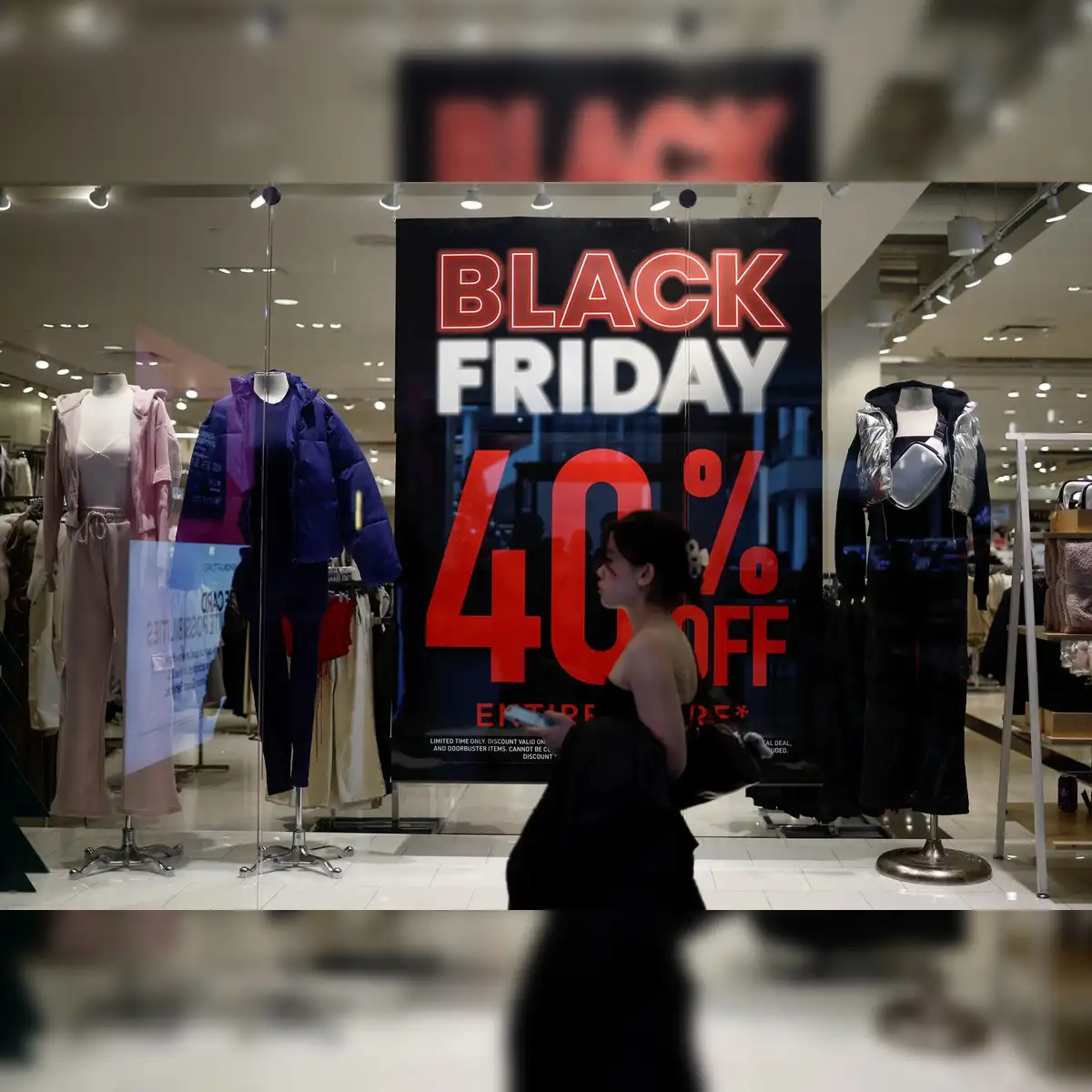
The Economic Calculus of Opening Doors: Why Every Minute Counts
The scheduling of Black Friday hours is a sophisticated exercise in business finance. Retail giants like Walmart, Target, and Best Buy do not choose their opening times at random. Instead, they utilize predictive analytics and historical sales data to determine the exact moment when the cost of operation is surpassed by the velocity of sales.
Labor Costs vs. Projected Revenue
One of the most significant variables in the Black Friday equation is the cost of human capital. During holiday shifts, retailers often face increased labor costs due to seasonal hiring, overtime pay, and holiday premiums. For a major big-box retailer, opening their doors even two hours earlier can result in millions of dollars in additional payroll across thousands of locations.
To justify these costs, the projected revenue must not only cover the wages but also the high utility costs of lighting, heating, and securing a massive retail footprint during off-peak hours. In recent years, many retailers have realized that the “midnight opening” model often yielded diminishing returns. While the initial surge was high, the subsequent lull between 2:00 AM and 6:00 AM created a “dead zone” where labor costs ate into the night’s profits. This has led to the standardized 5:00 AM or 6:00 AM openings we see today, optimizing the window where consumer energy and spending power are at their peak.
The Peak-Load Pricing of Human Resources
Beyond simple wages, the financial burden of early store openings includes the “hidden” costs of employee retention and morale. In a tight labor market, forcing staff to work overnight on a holiday can lead to higher turnover rates, which carries a significant financial penalty in terms of training and recruitment. Smart financial management in the retail sector now prioritizes sustainable scheduling. By aligning store hours with more traditional early-morning windows, companies reduce the risk of burnout and the associated costs of a revolving-door workforce.
Shifts in Consumer Spending Habits and the Death of the Midnight Opening
The landscape of personal finance and consumer behavior has shifted the “Golden Hours” of Black Friday. The rise of e-commerce and mobile banking has decoupled the act of spending from the physical location of the store, forcing brick-and-mortar establishments to rethink their operational timing.
The “Holiday Creep” Phenomenon
Financial analysts have noted a trend known as “Holiday Creep,” where Black Friday deals are spread across the entire month of November. From a business finance perspective, this is a risk-mitigation strategy. By spreading out the demand, retailers can manage their inventory levels more effectively and avoid the logistical “bullwhip effect”—where sudden spikes in demand cause supply chain disruptions.
When stores open their physical doors at 6:00 AM on Friday, it is often the culmination of a week of digital sales. This allows the business to capture “early-bird” capital online while reserving the physical store hours for high-margin items and “doorbusters” that drive additional impulse purchases once the consumer is inside the building.
Impact of E-commerce on Physical Store Timing
The financial viability of early store openings is directly tied to the “Buy Online, Pick Up In-Store” (BOPIS) model. Many retailers now align their store opening times with the peak hours of online order fulfillment. When a store opens at 6:00 AM, the staff is not just assisting walk-in customers; they are also processing a backlog of orders placed online at 2:00 AM. This multi-stream revenue approach ensures that every hour the store is open, it is functioning as both a showroom and a distribution center, maximizing the utility of the physical real estate.
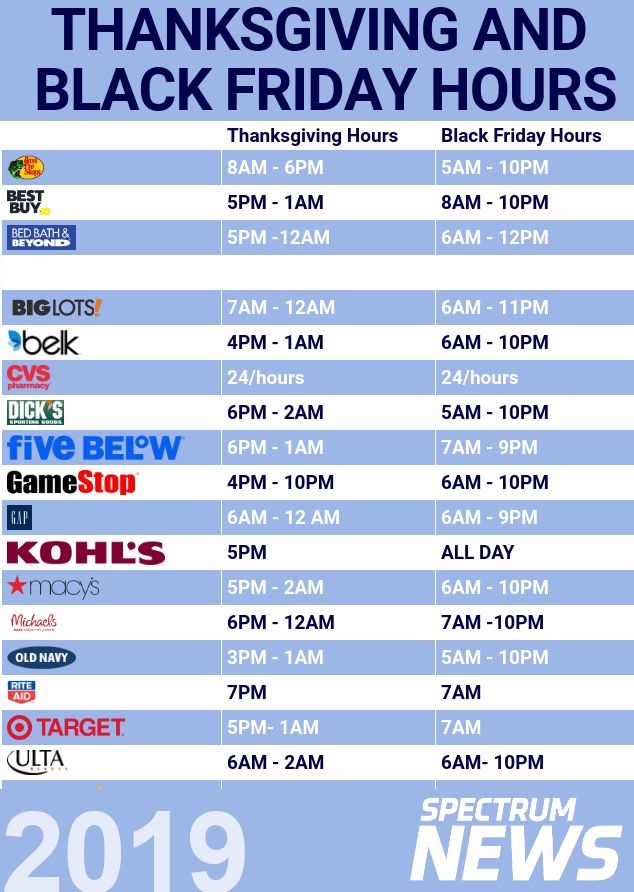
Maximizing Profitability: Strategic Store Timing and Inventory Turnover
For a retail business, Black Friday is a race to clear inventory. Carrying excess stock into the new year is a financial liability, as it ties up capital that could be used for new product lines. The timing of store openings is a tool used to accelerate inventory turnover.
Loss Leaders and Door-Busting Economics
The specific time a store opens is often tied to the availability of “loss leaders”—products sold at or below cost to entice shoppers. The financial logic here is that while the retailer loses money on a $200 4K television, the consumer who arrives at 5:00 AM to buy it is likely to purchase high-margin accessories like HDMI cables, wall mounts, and extended warranties.
The store hours are structured to create a sense of scarcity. By opening at a specific, early time, retailers create a “liquidity event” where consumers are pressured to make quick financial decisions. This increases the “attach rate” (the number of additional items purchased alongside the main deal), which is a key metric for measuring the success of Black Friday operations.
Logistics and the Cost of Late-Night Operations
The financial efficiency of a store is also dependent on its supply chain. Opening times must be synchronized with delivery schedules. If a store opens too early without a fresh shipment of high-demand goods, it risks losing potential revenue and damaging its brand equity. Conversely, keeping a store open 24 hours creates logistical bottlenecks where restocking the shelves becomes difficult due to the constant presence of customers. By closing on Thanksgiving and opening early on Friday, retailers create a “dark window” where they can maximize their logistical efficiency, ensuring that every square foot of the sales floor is packed with profit-generating inventory before the first customer enters.
Managing Personal Finance Amidst Black Friday Scheduling
From the perspective of the consumer, understanding the timing of Black Friday is an essential part of a sound personal finance strategy. Navigating these hours requires a balance of time management and opportunity cost analysis.
Budgeting for Time-Limited Offers
Successful holiday shopping requires a disciplined approach to cash flow. Because many of the best deals are time-sensitive—available only during the first few hours of a store’s opening—consumers must have their budgets finalized well in advance. Engaging in “impulse spending” during the 5:00 AM rush is a common financial pitfall. Professional shoppers and financially savvy consumers often use “price tracking” tools to ensure that the “early bird” price is actually a genuine discount and not a manipulated psychological anchor.
Opportunity Cost and Consumer Behavior
The question for the consumer is often: “Is the discount worth the hourly rate of my time?” If a store opens at 5:00 AM and a consumer spends four hours waiting in line to save $100, they are essentially valuing their time at $25 per hour. In the context of personal finance, understanding this opportunity cost is vital. With the proliferation of online price-matching and digital coupons, the financial incentive to physically be at a store the moment it opens has diminished for many, leading to a more bifurcated market where physical openings are increasingly targeted toward high-value, high-scarcity items.

The Future of Retail Hours: Data-Driven Operational Agility
As we look toward the future, the “standard” Black Friday hours will likely continue to evolve. We are moving toward an era of data-driven operational agility, where store hours may vary not just by brand, but by specific neighborhood demographics and local spending power.
Retailers are increasingly using AI and machine learning to analyze local traffic patterns. In a high-income urban area, a store might benefit from a later opening with premium services, whereas a suburban big-box store might find its highest ROI in a 5:00 AM “power hour.”
Ultimately, the time a store opens on Black Friday is a reflection of the broader economic climate. It represents the intersection of labor economics, inventory management, and consumer psychology. For the business, it is about maximizing the “yield per square foot.” For the consumer, it is about the strategic allocation of their personal capital. As long as Black Friday remains a cornerstone of the retail economy, the timing of those doors swinging open will remain one of the most calculated financial decisions in the corporate world.
aViewFromTheCave is a participant in the Amazon Services LLC Associates Program, an affiliate advertising program designed to provide a means for sites to earn advertising fees by advertising and linking to Amazon.com. Amazon, the Amazon logo, AmazonSupply, and the AmazonSupply logo are trademarks of Amazon.com, Inc. or its affiliates. As an Amazon Associate we earn affiliate commissions from qualifying purchases.