
The digital marketplace has undergone a radical transformation over the last decade, shifting from a desktop-centric environment to one dominated by the handheld device. Mobile marketing is no longer just a supplementary tactic in a brand’s arsenal; it has become the cornerstone of modern e-commerce strategy. As consumers increasingly rely on smartphones for everything from product discovery to final checkout, the impact of mobile marketing on e-commerce has redefined how brands build relationships, communicate value, and drive revenue. This shift represents a fundamental change in the consumer journey, forcing brands to rethink their identity and engagement strategies for an always-on, mobile-first world.
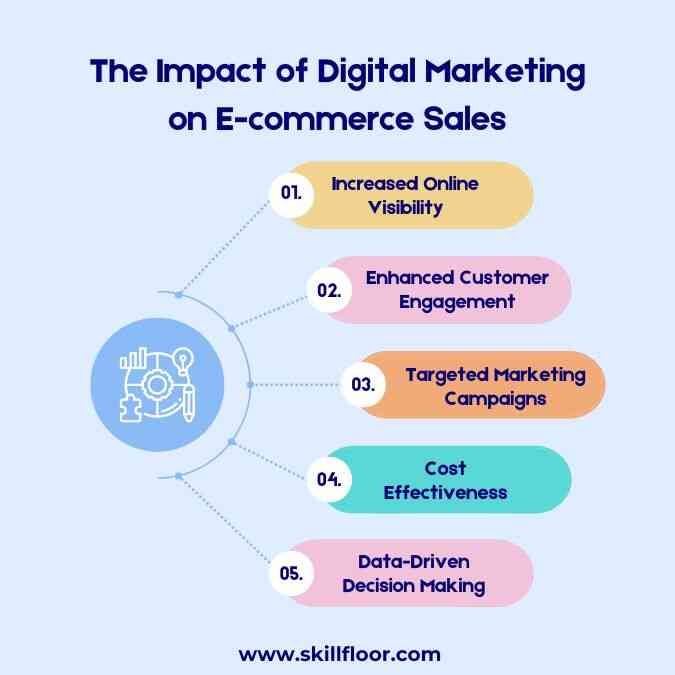
The Evolution of the Consumer Journey: From Desktop to Palm-of-Hand
The traditional e-commerce funnel once relied on a linear path: a consumer would see an advertisement, research on a desktop computer, and eventually make a purchase. Today, that journey is fragmented into hundreds of “micro-moments”—intent-driven moments where a consumer turns to a mobile device to learn, do, or buy something. Mobile marketing has shortened the distance between brand discovery and conversion, creating a frictionless environment where the consumer is always just a few taps away from a transaction.
The Rise of m-Commerce as a Primary Revenue Driver
Mobile commerce, or m-commerce, now accounts for a significant majority of total e-commerce sales globally. This transition is driven by the sheer ubiquity of smartphones and the convenience they offer. Mobile marketing leverages this ubiquity by placing brand messaging exactly where consumers spend their time. Whether through social media feeds, mobile-optimized emails, or SMS marketing, brands can meet consumers in their natural digital habitats. This accessibility has turned “browsing” into a continuous activity rather than a scheduled one, leading to higher frequency in purchases and a shift in brand loyalty toward those who provide the most seamless mobile experience.
Frictionless Brand Interactions and Instant Gratification
One of the most profound impacts of mobile marketing is the expectation of speed and ease. Mobile users operate with a “now” mindset. Brands that successfully implement mobile marketing strategies—such as one-click ordering, mobile wallet integration (Apple Pay, Google Pay), and lightning-fast mobile sites—see a direct correlation in conversion rates. The brand identity itself becomes synonymous with convenience. If a brand’s mobile presence is clunky or slow, the marketing efforts, no matter how creative, will fail to convert. In the mobile-first era, the technical performance of a marketing asset is as much a part of the brand’s promise as the product quality itself.
Strengthening Brand Loyalty Through Personalization and Push Notifications
In a crowded e-commerce landscape, standing out requires more than just high-quality products; it requires a personalized connection. Mobile marketing allows for a level of granular targeting that was previously impossible. By utilizing data from mobile apps and browsing behavior, brands can deliver hyper-relevant content that resonates with individual consumer needs, effectively turning a mass-market brand into a personal concierge.
Data-Driven Customization and the Personal Touch
Mobile devices are deeply personal objects. When a brand enters that space through a mobile app or a personalized SMS, it enters a private sphere of the consumer’s life. Successful mobile marketing uses this proximity to offer personalized recommendations based on past purchases, geolocation, and even time of day. For example, a beauty brand might send a push notification about sunscreen when a user is in a high-UV area, or a fashion retailer might alert a user when an item they viewed on their phone goes on sale. This level of relevance strengthens the brand-consumer bond, moving the relationship beyond transactional to something more intuitive and supportive.
Real-Time Engagement Strategies
Unlike email marketing, which may sit in an inbox for hours or days, mobile marketing—specifically push notifications and SMS—offers near-instantaneous reach. This allows brands to create a sense of urgency and exclusivity. Flash sales, limited-time offers, and “back in stock” alerts delivered directly to a lock screen drive immediate traffic to e-commerce platforms. However, the impact on brand strategy here is delicate; brands must balance utility with intrusiveness. Over-communication can lead to app uninstalls or “mute” fatigue, while well-timed, high-value notifications cement the brand as a valuable part of the user’s daily digital routine.
Social Commerce: The Integration of Brand Narrative and Shopping
The explosion of social media on mobile devices has birthed a new phenomenon: social commerce. This is where the boundaries between content consumption, social interaction, and shopping become blurred. Mobile marketing on platforms like Instagram, TikTok, and Pinterest has transformed the way brands tell stories and sell products, effectively turning social feeds into virtual storefronts.
The Power of Influencer Partnerships and Authentic Storytelling
On mobile-first social platforms, the traditional high-production advertisement is often overlooked in favor of authentic, creator-led content. Influencer marketing is a core component of mobile-driven e-commerce. By partnering with individuals who already have the trust of a specific niche, brands can integrate their products into a lifestyle narrative. This form of mobile marketing feels less like a sales pitch and more like a recommendation from a friend. The impact on e-commerce is a higher level of “social proof,” where the brand is validated by the community, leading to higher trust and lower barriers to purchase.
Native In-App Purchases and the Death of the Redirect
Perhaps the most significant technological leap in mobile marketing is the ability to purchase products without ever leaving the social media app. Native shops on platforms like Instagram and TikTok have eliminated the friction of the “redirect.” When a user sees a product in a mobile ad or an organic post, they can view details and check out within the same interface. This seamless integration has massive implications for brand strategy, as it requires brands to ensure their social media presence is not just a marketing channel, but a fully functional retail arm. The ease of discovery-to-purchase facilitates impulse buying and allows brands to capture demand at the exact moment of peak interest.
Optimizing the Visual Identity for Small Screens
In the mobile-first world, a brand’s visual strategy must be reimagined. What looks good on a 27-inch monitor rarely translates perfectly to a 6-inch screen. The impact of mobile marketing on e-commerce design has forced a “mobile-first” philosophy, where the constraints of the device dictate the creative direction.
Mobile-First Design as a Brand Standard
A brand’s mobile interface is often the first—and sometimes only—touchpoint a consumer has with the company. Consequently, the design must be clean, legible, and “thumb-friendly.” This has led to a trend in brand design characterized by bold typography, high-contrast imagery, and simplified navigation menus. Strategic mobile marketing involves creating visual assets that are optimized for vertical viewing and “sound-off” environments (such as muted video ads with captions). Brands that prioritize this aesthetic consistency across mobile platforms project a sense of modernity and professional reliability.
Enhancing User Experience (UX) to Reduce Bounce Rates
The impact of mobile marketing is frequently measured by the “bounce rate”—the percentage of users who leave a site after viewing only one page. If a mobile marketing campaign directs a user to a page that isn’t optimized for their device, the brand suffers immediate reputational and financial damage. Strategic UX design involves simplifying the path to purchase. This includes reducing the number of form fields, using larger buttons for touch interaction, and ensuring that images are compressed for fast loading without losing quality. By focusing on the mobile UX, brands demonstrate a commitment to the consumer’s time and effort, which is a key pillar of modern brand equity.
Future-Proofing the E-commerce Brand in a Mobile-Centric World
As technology continues to evolve, the impact of mobile marketing on e-commerce will only deepen, moving into even more immersive and conversational territories. To remain competitive, brands must look beyond the current state of mobile and prepare for the next wave of innovation.
The Role of Augmented Reality (AR) in Reducing Uncertainty
One of the biggest hurdles for e-commerce brands has always been the “tangibility gap”—the fact that consumers cannot touch or try on products before buying. Mobile marketing is solving this through Augmented Reality. From “virtual try-ons” for eyewear and makeup to “place in room” features for furniture, AR allows brands to provide a tactile-like experience through a mobile camera. This not only increases conversion rates but also significantly reduces return rates, as consumers have a much clearer understanding of the product. Incorporating AR into the mobile marketing strategy positions a brand as a leader in innovation and customer-centricity.

Voice Search and Conversational Marketing
With the rise of mobile voice assistants and AI-driven chatbots, mobile marketing is becoming increasingly conversational. Consumers are now using voice search to find products and check order statuses. E-commerce brands are responding by optimizing their content for natural language queries and deploying sophisticated AI bots within mobile apps and messaging platforms like WhatsApp. This shift toward “conversational commerce” allows brands to provide 24/7 customer service and personalized shopping assistance at scale. By being “vocal” and responsive on mobile devices, brands can humanize their digital presence and provide a level of service that was previously reserved for high-end physical retail.
In conclusion, mobile marketing has fundamentally reshaped the e-commerce landscape by placing the storefront in the consumer’s pocket. It has forced brands to become more agile, more personal, and more design-conscious. The brands that thrive in this environment are those that view mobile not just as a channel for distribution, but as a primary platform for building a cohesive, responsive, and deeply integrated brand identity. As the mobile ecosystem continues to expand, the synergy between marketing strategy and mobile functionality will remain the most critical factor in e-commerce success.
aViewFromTheCave is a participant in the Amazon Services LLC Associates Program, an affiliate advertising program designed to provide a means for sites to earn advertising fees by advertising and linking to Amazon.com. Amazon, the Amazon logo, AmazonSupply, and the AmazonSupply logo are trademarks of Amazon.com, Inc. or its affiliates. As an Amazon Associate we earn affiliate commissions from qualifying purchases.