
Understanding the three levels of government—federal, state, and local—is often relegated to the realm of civic duty or political science. However, from a financial perspective, these three tiers represent the most significant architects of the economic landscape in which individuals and businesses operate. Each level possesses unique powers of taxation, spending, and regulation that directly influence personal net worth, investment returns, and the cost of living. To master one’s personal or business finances, one must look beyond the stock market and interest rates to understand how the fiscal machinery of government functions at every stratum.
The Federal Level: Macroeconomic Policy and Large-Scale Fiscal Influence
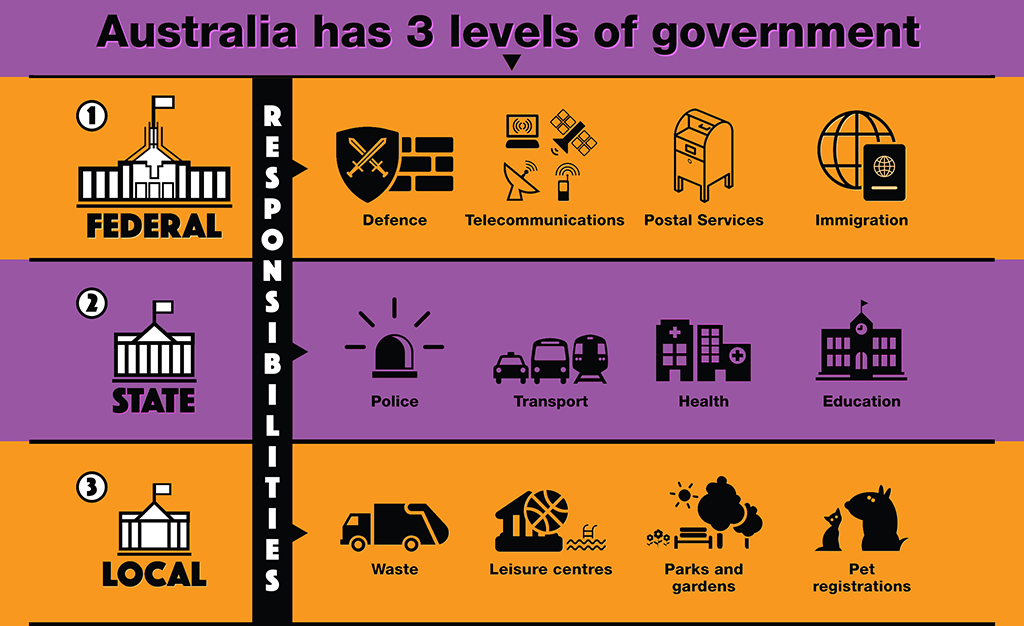
The federal government sits at the apex of the American financial system. Its primary role is to manage the “big picture” of the national economy. For investors and earners, the federal level is the most visible due to its control over the national currency, the broad tax code, and massive entitlement programs. The decisions made in Washington, D.C., create the baseline for the entire financial ecosystem.
The Federal Budget and the Power of the Purse
The federal budget is the largest single financial document in the world, dictating the flow of trillions of dollars. For the individual, the most direct point of contact with federal finance is the Internal Revenue Service (IRS). Federal income taxes and payroll taxes (Social Security and Medicare) represent the largest “expense” for most high-earning individuals.
From a strategic money management perspective, understanding federal spending priorities is essential. When the federal government increases spending in specific sectors—such as defense, green energy, or infrastructure—it creates massive opportunities for sector-specific investing. Conversely, federal budget deficits can influence long-term interest rates. When the government borrows heavily to fund its operations, it issues Treasury bonds, which serve as the “risk-free” benchmark for all other interest rates, including mortgages and corporate loans.
Entitlements and Long-Term Financial Planning
Social Security and Medicare are the twin pillars of federal domestic spending. For the modern investor, these are not just social programs; they are critical components of a retirement portfolio. The health of the federal budget dictates the future viability of these programs. Financial planning in the 21st century requires a nuanced view of federal solvency, as changes to retirement ages or benefit calculations can drastically alter a person’s “safe withdrawal rate” from their private investments.
Regulatory Oversight and Market Stability
Beyond direct spending, the federal government regulates the financial markets through agencies like the SEC (Securities and Exchange Commission) and the CFTC (Commodity Futures Trading Commission). This regulatory framework provides the “rules of the road” that allow capital markets to function with transparency. For those seeking to build wealth through the stock market, federal oversight is the safeguard that ensures financial statements are accurate and that insider trading is penalized, maintaining the integrity of the investment environment.
The State Level: The Bridge of Economic Development and Regulation
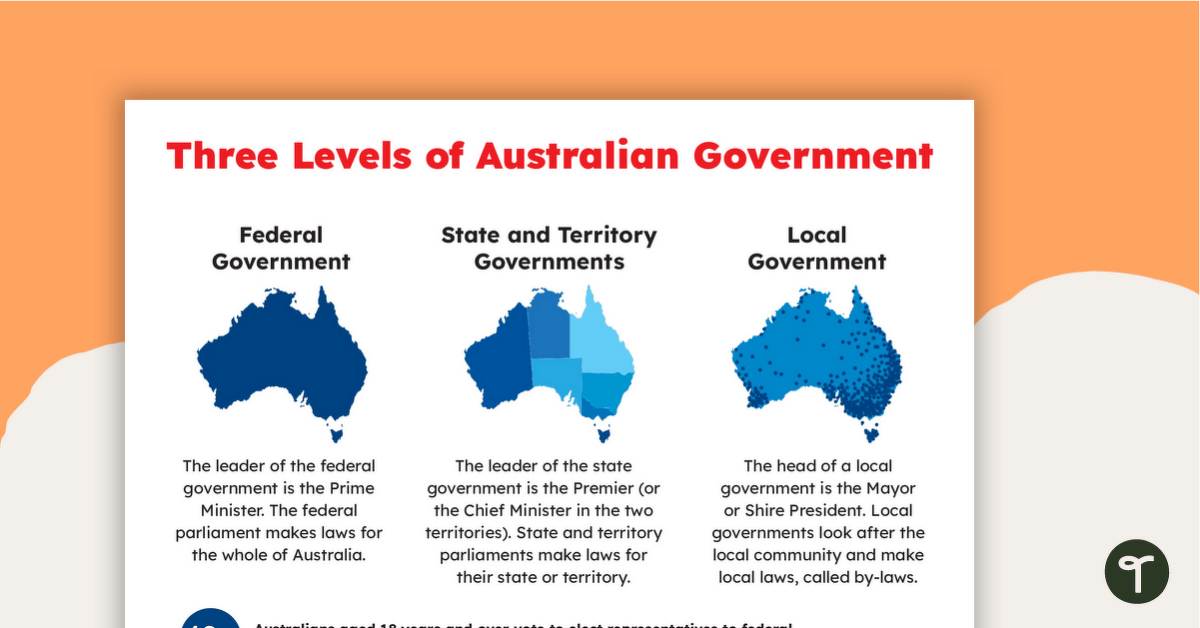
While the federal government handles the macro-economy, state governments act as the primary regulators of commerce and the secondary tier of taxation. Each of the fifty states operates as a unique laboratory of fiscal policy. The financial “vibe” of a state—whether it is a high-tax, high-service state like New York or a low-tax, low-service state like Florida—drastically changes the math for wealth accumulation and business profitability.
State Revenue Streams: Income, Sales, and Corporate Taxes
States generally rely on a mix of income taxes, sales taxes, and corporate taxes to fund their operations. For individuals, “tax migration” has become a significant financial strategy. Moving from a state with a 10% income tax to one with 0% (like Texas or Nevada) can be equivalent to a massive immediate raise in take-home pay.
However, states without income taxes often compensate with higher sales taxes or higher property assessments. A sophisticated financial analysis of state-level government requires looking at the “total tax burden” rather than just the headline income tax rate. For businesses, state-level corporate taxes and “nexus” rules determine where a company should be headquartered and where it should hold its inventory to minimize its tax liabilities.
Education and Workforce Development as Economic Drivers
State governments are the primary funders of higher education and vocational training. From a “Money” perspective, the quality of a state’s university system is a leading indicator of its long-term economic health. States that invest heavily in STEM (Science, Technology, Engineering, and Mathematics) education tend to attract high-paying industries like tech and biotech. For an investor, looking at state budget allocations for education can help identify the next burgeoning “innovation hub,” providing a roadmap for real estate investment or localized business ventures.
Professional Licensing and Insurance Regulation
States hold the keys to many high-income professions through licensing boards. Whether you are a lawyer, doctor, architect, or insurance agent, your ability to earn is regulated at the state level. Furthermore, states regulate the insurance industry. The cost of homeowners’ insurance or workers’ compensation insurance—major line items in any budget—is dictated by state-level commissions. Understanding these regulatory bodies is vital for risk management and cost control in both personal and business finance.
The Local Level: Property Values and Immediate Infrastructure
The local level—comprising counties, cities, and special districts—is where government spending most directly impacts an individual’s most valuable asset: their home. Local government is the most granular level of fiscal management, and it is the level where citizens often have the most direct influence over how their tax dollars are spent.
The Role of Property Tax in Wealth Preservation
For most Americans, the primary tax paid to local government is the property tax. These funds are the lifeblood of local school districts, police departments, and fire services. In the realm of personal finance, property taxes are a “fixed cost” of homeownership that can fluctuate based on local government assessments.
High property taxes can be a double-edged sword. On one hand, they represent a significant annual expense that can eat into investment returns. On the other hand, well-funded local services (especially high-ranking schools) are the primary drivers of residential real estate appreciation. Investors in the real estate market must constantly weigh the cost of local taxes against the potential for capital gains driven by local government quality.
Municipal Bonds and Local Debt
Local governments often fund large-scale projects—such as stadiums, water treatment plants, or new schools—by issuing municipal bonds. For the savvy investor, “munis” offer a unique financial tool: they are often exempt from federal (and sometimes state) income taxes. This makes local government debt a cornerstone of tax-advantaged income investing for high-net-worth individuals. By lending money to their local city or county, investors can generate a predictable stream of income that is shielded from the IRS.
Zoning, Permits, and Local Enterprise Zones
If you are looking to start a side hustle or a full-scale business, the local government is your most frequent partner or hurdle. Zoning laws determine where you can operate, and building permits dictate the cost of expansion. Many local governments also offer “Enterprise Zones” or “Tax Increment Financing” (TIF) districts to encourage investment in specific areas. These programs can provide significant tax abatements or grants to businesses that create jobs locally. Understanding these local incentives can be the difference between a struggling startup and a thriving, subsidized enterprise.
Navigating the Financial Intersection of All Three Levels
The true challenge of financial management is not just understanding one level of government, but navigating the intersection of all three. Every dollar earned is subject to a “stack” of governmental claims, and every investment is influenced by a “stack” of governmental supports.
Compliance and Strategic Tax Planning
Strategic tax planning is essentially the art of navigating the three levels of government simultaneously. For example, a business might utilize a federal R&D tax credit, while benefiting from a state-level job creation grant, all while operating out of a local enterprise zone. On the personal side, a taxpayer might use federal deductions for state and local taxes (the SALT deduction, though currently capped) to mitigate their total liability. To maximize wealth, one must look at the “marginal tax rate”—the combined impact of federal, state, and local taxes on the next dollar earned.
The Flow of Intergovernmental Transfers
It is also important to understand that the three levels of government are financially intertwined. The federal government often provides “grants-in-aid” to states, which then pass those funds down to local municipalities. When federal funding for highways or healthcare is cut, states often have to raise their own taxes to fill the gap. This “fiscal federalism” means that a financial crisis at one level of government can quickly trickle down to another. Monitoring the fiscal health of your state and city is just as important as monitoring the national debt, as a local budget shortfall could lead to a sudden spike in fees or a reduction in services that affect your quality of life and property value.
Positioned for Growth in a Multi-Tiered System
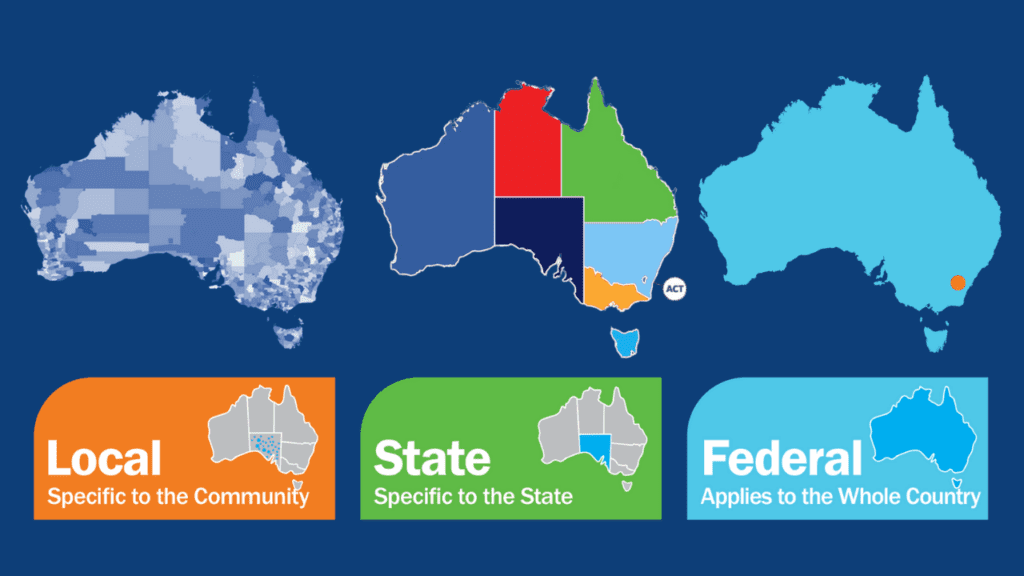
In conclusion, the three levels of government are not just political entities; they are the primary regulators and facilitators of the financial world. The federal government sets the macro conditions, the state government shapes the competitive environment, and the local government manages the immediate assets. By viewing “what the three levels of government” do through the lens of money, finance, and investment, individuals and business owners can make more informed decisions, protect their assets from unnecessary taxation, and position themselves to benefit from public-sector growth and stability. Total financial literacy requires a deep respect for how these three tiers of governance interact to shape the economy of today and the wealth of tomorrow.
aViewFromTheCave is a participant in the Amazon Services LLC Associates Program, an affiliate advertising program designed to provide a means for sites to earn advertising fees by advertising and linking to Amazon.com. Amazon, the Amazon logo, AmazonSupply, and the AmazonSupply logo are trademarks of Amazon.com, Inc. or its affiliates. As an Amazon Associate we earn affiliate commissions from qualifying purchases.