
Understanding your vital signs is one of the most effective ways to take control of your long-term health. While a pulse reading—or heart rate—might seem like a simple statistic, it serves as a powerful indicator of your cardiovascular fitness, stress levels, and overall metabolic health. For women, biological factors, hormonal fluctuations, and lifestyle choices create a unique physiological landscape that influences what constitutes a “normal” resting heart rate.
The Baseline: Defining a Normal Resting Heart Rate
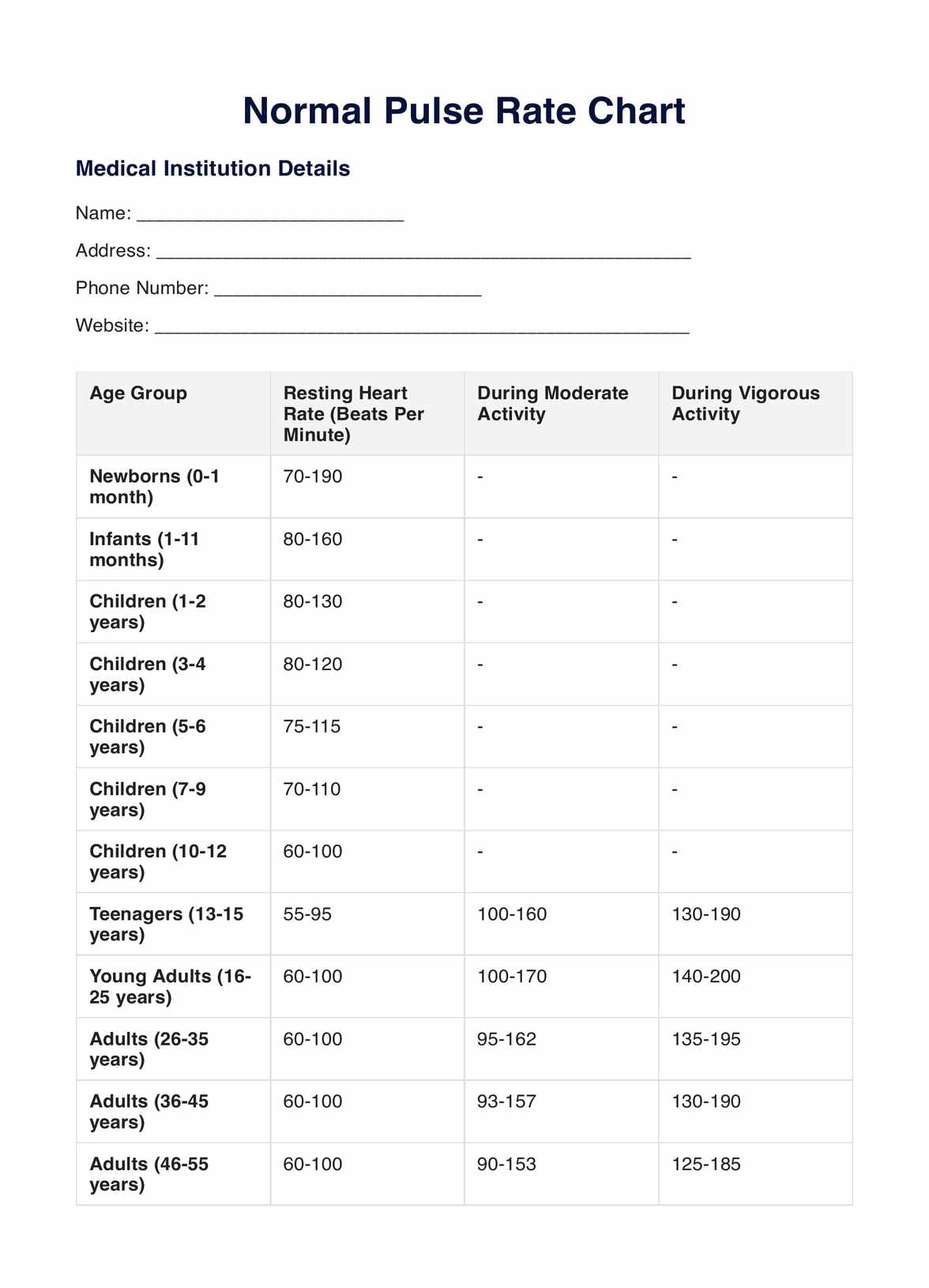
The medical community generally defines a normal resting heart rate for adults as falling between 60 and 100 beats per minute (BPM). However, this broad range is often too generic to be truly useful for an individual seeking to optimize their health. A “normal” reading is highly subjective, dictated by your specific baseline, activity level, and age.

The Influence of Fitness Levels
The most significant determinant of a lower-than-average resting heart rate is aerobic fitness. When the heart muscle is well-conditioned through regular exercise, it becomes more efficient at pumping blood. Consequently, it does not need to beat as often to supply the body with the necessary oxygenated blood. Highly active women, such as endurance athletes, may often see resting heart rates as low as 40 to 50 BPM. This is typically a sign of cardiovascular strength rather than a cause for medical concern, provided the individual feels healthy and energetic.
Age and Hormonal Considerations
While the 60–100 BPM window is the standard clinical benchmark, research suggests that women’s heart rates can be influenced by hormonal shifts. Estrogen and progesterone levels fluctuate throughout the menstrual cycle, which can cause subtle variations in heart rate. During the luteal phase—the time between ovulation and the start of menstruation—many women notice a slight elevation in their resting heart rate. Understanding these internal rhythms is essential for distinguishing between a normal physiological shift and a potential health issue.
Factors That Influence Your Heart Rate Readings
Your heart rate is rarely static. It is a dynamic measurement that reacts to your environment, your emotional state, and your internal biological processes. To get an accurate sense of your “normal,” you must account for the common variables that cause fluctuations.
Stress and Emotional Response
The autonomic nervous system is responsible for the “fight or flight” response. When you are stressed, anxious, or overwhelmed, your body releases hormones like cortisol and adrenaline, which directly impact the heart. It is common for a woman’s pulse to spike significantly during a high-pressure meeting or a moment of frustration. If your resting pulse remains chronically high, it may be a signal that your body is trapped in a state of sustained stress, which can have long-term implications for your cardiovascular system.
Caffeine, Hydration, and Nutrition
External inputs play a major role in heart rate variability. Caffeine is a well-known stimulant that can artificially elevate the heart rate. For those sensitive to stimulants, even a morning cup of coffee can keep the pulse elevated for several hours. Similarly, dehydration forces the heart to work harder. When blood volume decreases due to a lack of water, the heart must beat faster to maintain circulation. Proper hydration and balanced nutrition are not just general health advice; they are fundamental tools for maintaining a steady, healthy pulse.
Sleep Quality and Recovery
One of the most telling signs of a “normal” pulse is what happens while you sleep. During deep sleep, your heart rate should reach its lowest point of the day. If you are consistently sleep-deprived or suffering from poor-quality rest, your average heart rate will often stay elevated throughout the night, preventing your cardiovascular system from recovering. Monitoring your morning pulse—the reading you take immediately upon waking, before getting out of bed—is often the best way to determine your true baseline.
Monitoring Your Pulse: Tools and Techniques
In the modern era, you do not need to rely on infrequent doctor visits to track your vitals. With the rise of wearable technology and digital health tracking, women have access to longitudinal data that can reveal trends, warnings, and improvements in heart health.
The Role of Wearable Technology
Smartwatches and fitness trackers have revolutionized how we perceive heart health. These devices allow for continuous heart rate monitoring, which captures data points throughout the day and night. By looking at these trends over weeks or months, you can identify what is “normal” for you. If your baseline has been 72 BPM for months and suddenly shifts to 82 BPM without a change in exercise habits, your digital logs serve as an early warning system, prompting you to investigate potential issues such as overtraining, illness, or excessive stress.
How to Manually Measure Your Pulse
While technology is convenient, the ability to take a manual pulse remains a foundational skill. To ensure accuracy:
- Find your radial pulse on your wrist, just below the base of your thumb.
- Use your index and middle fingers—never your thumb, as it has its own pulse.
- Count the beats for 30 seconds and multiply by two, or count for a full minute for the highest precision.
- Always ensure you are sitting or lying down and are in a state of calm before taking the measurement.
When to Consult a Professional
While it is empowering to monitor your own vitals, it is equally important to know when a reading necessitates a conversation with a healthcare provider. A pulse that consistently falls outside the expected range requires a professional assessment.
Tachycardia and Bradycardia
Tachycardia is defined as a resting heart rate that is consistently above 100 BPM. While this can occur due to stress or physical exertion, a persistent state of tachycardia should be evaluated, as it can strain the heart muscle over time. Conversely, bradycardia—a resting heart rate consistently below 60 BPM—is generally healthy for athletes but can be symptomatic of issues like thyroid dysfunction or heart rhythm disorders in sedentary individuals.
Recognizing Warning Signs
Beyond the numbers on the screen, listen to your body. A pulse reading should be interpreted in the context of how you feel. If you experience dizziness, shortness of breath, chest pain, or a feeling of lightheadedness alongside an abnormal pulse, you should seek medical attention promptly. These symptoms, when paired with an irregular or unusually fast/slow heart rate, provide the diagnostic context doctors need to differentiate between benign fluctuations and underlying medical conditions.

Building a Healthier Cardiovascular Future
Knowing your normal pulse is the first step in a lifelong commitment to cardiovascular wellness. By viewing your heart rate as a piece of data within the larger context of your lifestyle, you can make informed decisions about your diet, your exercise routine, and your approach to stress management.
A healthy heart is not just about avoiding disease; it is about thriving. Whether you are aiming to lower your resting heart rate through consistent cardiovascular training or simply looking to understand how your body reacts to the stressors of daily life, the insights gained from pulse monitoring are invaluable. Treat your heart with care, maintain consistency in your habits, and use the knowledge of your unique physiology to foster a healthier, more balanced life. Your pulse is a story about how you live—take the time to listen to it.
aViewFromTheCave is a participant in the Amazon Services LLC Associates Program, an affiliate advertising program designed to provide a means for sites to earn advertising fees by advertising and linking to Amazon.com. Amazon, the Amazon logo, AmazonSupply, and the AmazonSupply logo are trademarks of Amazon.com, Inc. or its affiliates. As an Amazon Associate we earn affiliate commissions from qualifying purchases.