
The terms “sunblock” and “sunscreen” are often used interchangeably in everyday conversation, yet their distinction, both historical and contemporary, lies at the heart of brand strategy and consumer perception within the highly competitive sun protection market. Understanding this nuance is crucial for brands seeking to accurately position their products and for consumers navigating a bewildering array of choices. From marketing narratives to regulatory classifications, the subtle differences between these two labels reveal much about product development, branding tactics, and the evolving science of photoprotection.
The Semantic Battle: Historical Context and Modern Branding
The lexicon of sun protection has evolved significantly, influenced by scientific advancements, regulatory bodies, and strategic brand positioning. What once seemed like interchangeable terminology now reflects distinct product attributes and marketing approaches.
Genesis of Terminology: A Regulatory Tale
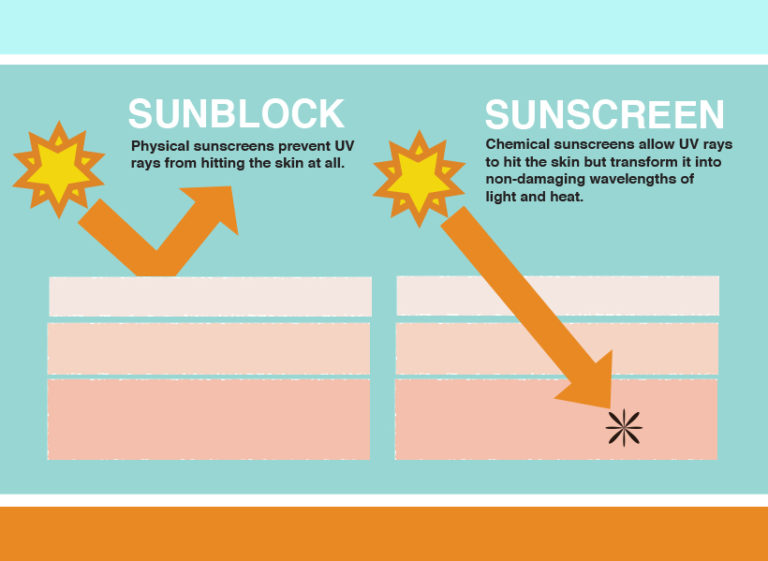
Historically, “sunblock” was a term often applied to products containing physical blockers like zinc oxide and titanium dioxide, designed to literally “block” or physically reflect UV radiation from the skin. These formulations typically left a visible white residue, signaling their physical barrier function. Conversely, “sunscreen” referred to products using chemical filters that absorbed UV radiation, converting it into heat, and then dissipating it. These were generally less visible on the skin, offering a more cosmetically elegant finish.
However, the U.S. Food and Drug Administration (FDA) in the early 2010s began to restrict the use of the term “sunblock,” deeming it an overstatement of efficacy. The regulatory stance was that no product could entirely “block” all UV rays, and the term could mislead consumers into a false sense of security, potentially encouraging longer sun exposure. This regulatory shift prompted a widespread rebranding effort across the industry, with most companies moving towards “sunscreen” as the universally accepted and legally compliant term, regardless of the active ingredients. This regulatory intervention significantly shaped how brands communicate their product benefits and has implications for current marketing strategies.
From Compliance to Competitive Advantage: Modern Branding Approaches
Despite the regulatory push towards “sunscreen,” some brands still subtly lean into the “blocking” concept through their marketing, often using descriptive language that evokes physical protection, even without using the forbidden word. For instance, brands might emphasize “physical barrier protection” or “mineral shield” to convey the same reflective mechanism that “sunblock” once signified. This illustrates a clever adaptation in branding, where the spirit of the original term is maintained through evocative language rather than direct usage.
For brands, the choice between emphasizing “physical protection” versus “chemical absorption” has become a key differentiator. Brands catering to consumers seeking “natural” or “reef-safe” options often highlight their mineral-based formulations, even if they must officially label them as “mineral sunscreens.” This strategic wordplay allows brands to appeal to specific consumer segments without falling afoul of regulatory guidelines. The distinction, therefore, isn’t just about product chemistry, but about how that chemistry is translated into a compelling and compliant brand story.
The Core Differentiation: Mineral vs. Chemical Filters
At the heart of the “sunblock” versus “sunscreen” debate, and indeed modern sun protection branding, lies the fundamental difference in their active ingredients: mineral (physical) filters versus chemical (organic) filters. This distinction profoundly influences product formulation, application aesthetics, and target demographics.
Mineral-Based Sunscreens: The Physical Shield Approach
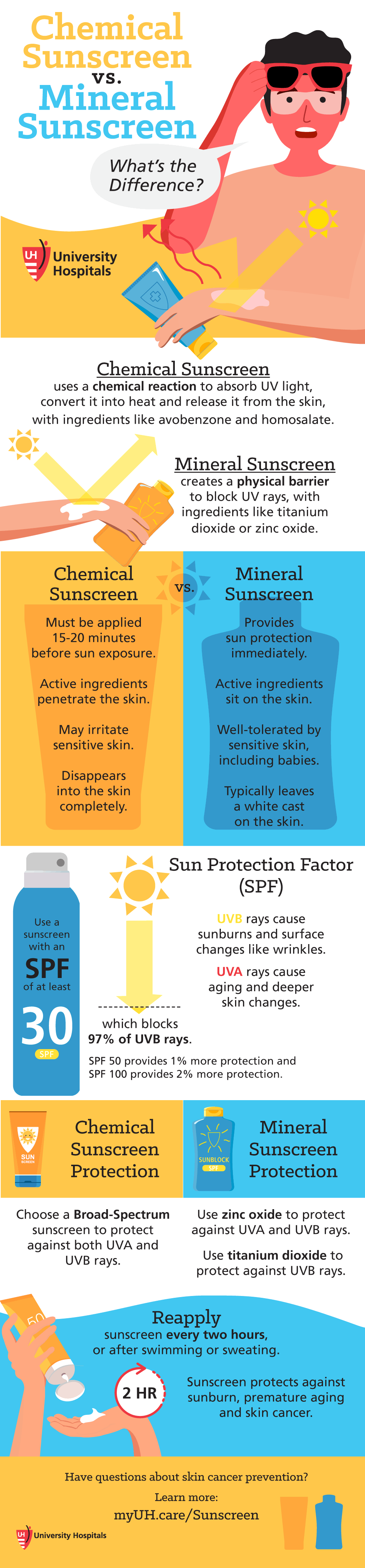
Mineral sunscreens typically contain zinc oxide and/or titanium dioxide. These ingredients work by sitting on the surface of the skin, creating a physical barrier that reflects and scatters UV radiation before it can penetrate the skin. This mechanism is what historically led to the “sunblock” moniker.

Brand Implications:
- Target Audience: Brands often position mineral sunscreens for individuals with sensitive skin, children, or those seeking “cleaner” beauty products due to concerns about chemical absorption.
- Marketing Language: Emphasizes “natural,” “gentle,” “hypoallergenic,” “reef-safe,” and “broad-spectrum protection.” The physical barrier aspect is often highlighted to convey immediate protection upon application.
- Formulation Challenges & Opportunities: While historically known for a thick, white cast, modern mineral sunscreen brands invest heavily in micronization and non-nano technologies to reduce the visible residue, improving cosmetic elegance. This innovation becomes a major selling point, demonstrating advanced formulation expertise.
- Sustainability Messaging: Brands frequently align mineral sunscreens with environmental responsibility, particularly regarding ocean health, due to fewer concerns about chemical runoff impacting coral reefs compared to some organic filters.
Chemical-Based Sunscreens: The Absorption and Conversion Method
Chemical sunscreens incorporate organic compounds such as oxybenzone, avobenzone, octinoxate, and octisalate. These ingredients are absorbed into the top layer of the skin, where they absorb UV radiation and convert it into heat, which is then released from the skin.
Brand Implications:
- Target Audience: Often favored by those who prioritize sheer, lightweight, and invisible application, particularly for daily wear under makeup or for active individuals who need formulas that don’t leave residue.
- Marketing Language: Focuses on “invisible finish,” “non-greasy,” “fast-absorbing,” “water-resistant,” and “sheer protection.” Brands highlight the cosmetic elegance and ease of integration into daily routines.
- Formulation & Innovation: Chemical sunscreens often boast diverse formulations (sprays, gels, serums) and can be easily combined with other skincare ingredients like antioxidants. Brands emphasize the technological sophistication in creating stable, effective, and cosmetically pleasing chemical blends.
- Addressing Concerns: Brands using chemical filters are increasingly transparent about their ingredients and safety profiles, often providing scientific backing to address consumer concerns regarding potential absorption or environmental impact.
Crafting Brand Narratives: Beyond the Label
In a market saturated with options, effective branding transcends mere product descriptions. It’s about storytelling, creating an emotional connection, and clearly articulating a product’s unique value proposition. The “sunblock vs. sunscreen” dynamic offers a rich territory for these narratives.
Positioning for Purpose: Niche Marketing
Brands strategically position their sun protection products to cater to distinct lifestyle needs and values. A brand might develop a line of “active lifestyle sunscreens” emphasizing sweat and water resistance, quick absorption, and non-migrating formulas—often achieved with chemical filters. Another brand might launch a “sensitive skin mineral sunscreen” line, focusing on hypoallergenic properties, zinc oxide benefits, and fragrance-free formulations. This segmented approach allows brands to dominate specific niches, from daily commuters to extreme athletes, from eco-conscious consumers to parents of newborns.
This strategic segmentation is a masterclass in modern marketing, where the inherent differences in product chemistry are translated into tailored brand experiences. It’s not just about offering a product, but offering the right product for a specific consumer’s perceived needs and desires.
Visual Identity and Consumer Perception
The visual identity—packaging, color palettes, typography, and imagery—plays a critical role in shaping consumer perception. Brands often use earthy tones, minimalist designs, and imagery of nature for mineral-based sunscreens to evoke a sense of natural purity and gentleness. Conversely, chemical sunscreens might feature sleek, modern packaging with vibrant colors, reflecting innovation, efficacy, and a seamless blend with high-performance skincare.
The choice of models in advertising also speaks volumes. Images of families and children often accompany mineral sunscreen marketing, reinforcing safety and gentleness. Active, athletic individuals are frequently featured with chemical sunscreens, promoting durability and invisible protection during strenuous activities. These visual cues reinforce the brand’s narrative and help consumers quickly identify products aligned with their values and needs, even before reading the ingredient list.
The Future of Sun Protection Branding: Transparency and Trust
As consumer awareness grows and demand for transparency intensifies, the future of sun protection branding will hinge on clear communication and building trust. The lingering confusion around “sunblock” and “sunscreen” underscores the need for brands to educate their audience effectively.
Brands that succeed will be those that not only innovate with formulations but also articulate their product benefits, ingredient choices, and environmental commitments with clarity and integrity. Whether a brand champions the reflective power of mineral filters or the invisible strength of chemical protection, its success will depend on how effectively it aligns its brand narrative with both scientific truth and evolving consumer values. The “difference” then, is not just about the product itself, but about the story a brand chooses to tell around it.
aViewFromTheCave is a participant in the Amazon Services LLC Associates Program, an affiliate advertising program designed to provide a means for sites to earn advertising fees by advertising and linking to Amazon.com. Amazon, the Amazon logo, AmazonSupply, and the AmazonSupply logo are trademarks of Amazon.com, Inc. or its affiliates. As an Amazon Associate we earn affiliate commissions from qualifying purchases.