
When it comes to the smartphone market, Apple has consistently prioritized a blend of ergonomic design and immersive screen real estate. For power users, creators, and media enthusiasts, the physical dimensions of a device are not merely aesthetic choices—they are functional necessities. If you are wondering what the biggest iPhone currently is, the answer lies in the “Pro Max” lineage, which has redefined the boundaries of portable technology.
The Evolution of the iPhone’s Physical Footprint
To understand the current landscape of the biggest iPhone, one must look at how Apple scaled its hardware over the last decade. Early iterations of the iPhone, such as the original 3.5-inch model, were designed for one-handed operation. However, as the industry shifted toward content consumption—streaming high-definition video, mobile gaming, and multi-tasking—Apple introduced the “Plus” and eventually the “Pro Max” nomenclature to satisfy the demand for more screen surface area.

From Plus to Pro Max
The transition began in earnest with the iPhone 6 Plus, which introduced the 5.5-inch display to the Apple ecosystem. This was a radical departure from the smaller form factors that dominated the market until 2014. As display technology advanced, Apple utilized thinner bezels and the removal of the physical Home button to increase screen size without drastically ballooning the overall dimensions of the chassis. The “Pro Max” branding, introduced with the iPhone 11 series, solidified the high-end tier of these large-format devices, offering the most advanced camera systems alongside the largest screens.
Current Standards and Dimensions
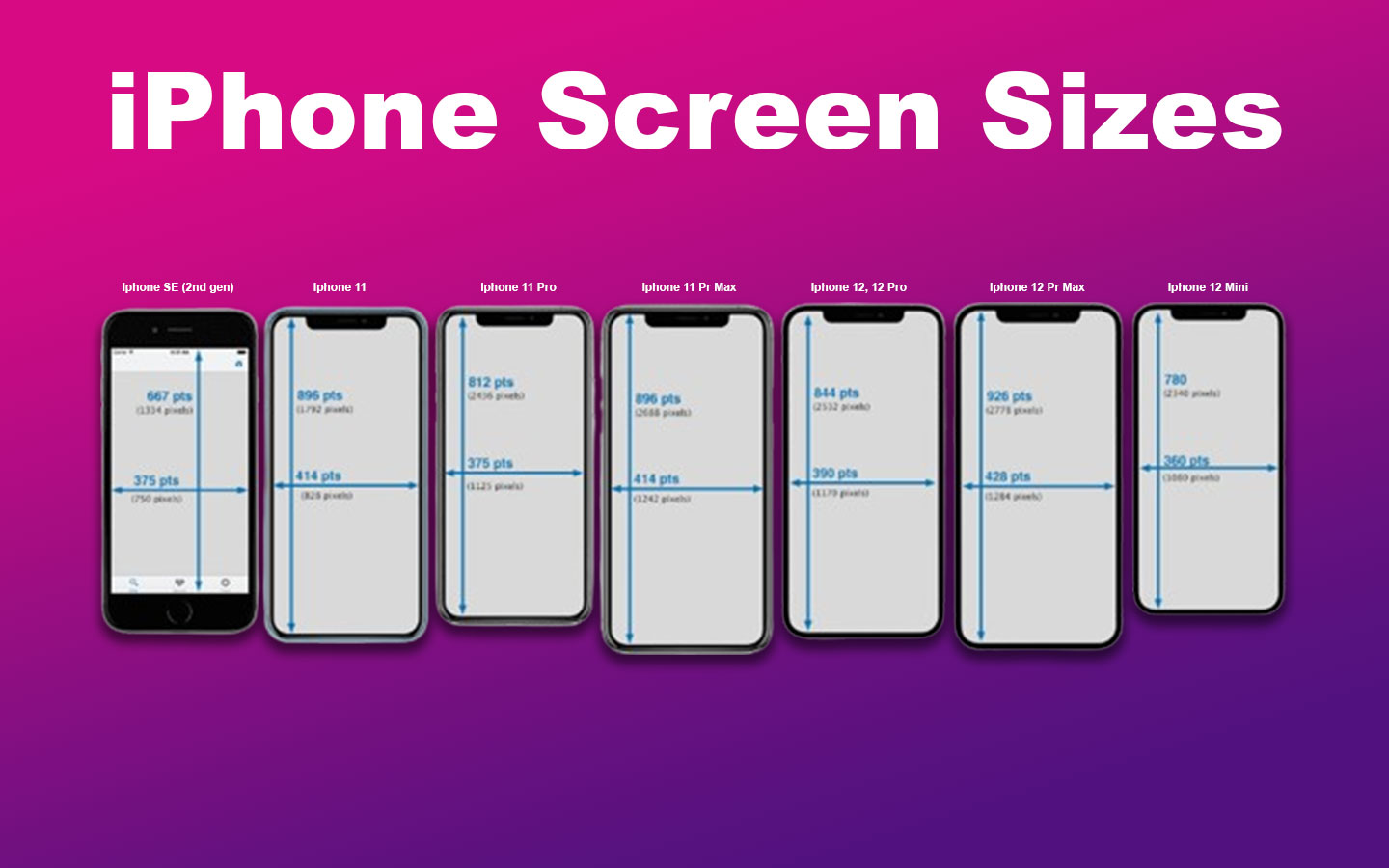
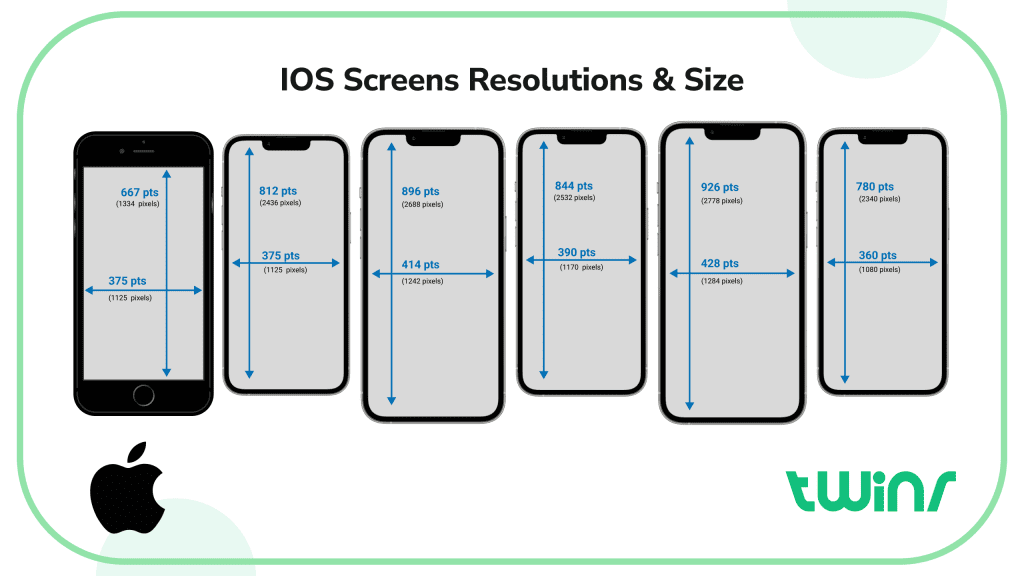
As of the current product cycle, the “biggest” iPhone title is held by the iPhone 16 Pro Max, which features a massive 6.9-inch Super Retina XDR display. This is the largest screen ever integrated into an iPhone, representing the pinnacle of Apple’s current engineering capabilities. By utilizing “Border Reduction Structure” technology, Apple has managed to house this expansive panel within a footprint that remains manageable for most users, effectively pushing the screen to the very edges of the device.
Why Choose the Biggest iPhone? The Benefits of Maximum Real Estate
Choosing the largest iPhone is often a deliberate decision driven by specific use cases. While a smaller device may offer portability, the Pro Max series offers an experience that bridges the gap between a smartphone and a portable tablet.
Immersive Media Consumption and Gaming
For users who view their smartphone as their primary device for media, the extra diagonal inches on the iPhone 16 Pro Max are transformative. Whether you are watching 4K cinematic content, streaming live sports, or engaging in high-fidelity mobile gaming, the additional screen space allows for higher pixel density and a more captivating visual experience. The Pro Max displays support ProMotion technology, which provides a 120Hz refresh rate, ensuring that animations and movements are fluid. On a larger display, this fluidity feels more pronounced, making the interface feel responsive and modern.
Productivity and Multitasking
Professionals often gravitate toward the biggest iPhone for its utility in managing documents, emails, and data. The increased screen size allows for a more comfortable keyboard layout, reducing typing errors, and provides a larger viewport for reviewing spreadsheets or complex documents. Furthermore, the expansive display allows for more content to be rendered on the page simultaneously, reducing the need for constant scrolling. For those who edit photos or videos directly on their device, the extra surface area is invaluable for precise color grading and timeline management.
Camera System and Creative Expression
The Pro Max models have historically functioned as the flagship for Apple’s camera technology. The sheer size of the device allows for a larger internal battery and the physical space required for advanced lens arrays, such as the 5x tetraprism telephoto lens. If you are an enthusiast photographer, the biggest iPhone offers the best “viewfinder” experience. Seeing your composition on a 6.9-inch display provides a better representation of the final image, allowing for adjustments to focus, exposure, and white balance that are simply harder to execute on smaller devices.
Ergonomics and the User Experience: Is Bigger Better?
While the benefits of a large screen are clear, the transition to the largest iPhone involves a shift in how you handle your device. Understanding the ergonomics is crucial for a satisfying long-term ownership experience.
The Trade-off of Weight and Portability
The biggest iPhones are undeniably heavier than their standard counterparts. This weight is a result of premium materials—specifically Grade 5 titanium, which Apple has adopted for its structural integrity and weight reduction. However, the sheer size of the device means that it may not fit comfortably in all pockets or small purses. Users should consider how they typically carry their phone. If you lead an active, mobile lifestyle where your phone is frequently in your hand or a pocket, the physical footprint of the 6.9-inch model is a factor to keep in mind.
One-Handed Usability Features
Apple has implemented several software features to mitigate the challenges of using a large-format device. “Reachability,” a gesture that slides the top half of the screen down toward the bottom, allows users to access items at the top of the interface without needing to adjust their grip. Additionally, iOS features customizable Control Centers and widgets that allow users to place their most frequently used apps and toggles within easy reach of the thumb. These software optimizations make the largest iPhone surprisingly approachable, even for users with smaller hands.
Balancing Protection and Aesthetics
Given the premium price point and the large glass surface area of the latest Pro Max models, protecting the device is a significant consideration. A larger phone is more prone to gravity-induced accidents; therefore, selecting the right case is essential. Modern smartphone cases have evolved to be slimmer, providing drop protection without adding unnecessary bulk to an already large device. Pairing the biggest iPhone with a high-quality, slim-profile case ensures that you maintain the sleek aesthetic while gaining the necessary peace of mind for daily carry.
The Future of Screen Sizes in the Smartphone Market
Looking ahead, the trajectory of smartphone hardware suggests that we are reaching a plateau in terms of comfortable handheld dimensions. While internal components continue to shrink, the physical limitations of the human hand dictate the maximum usable screen size.
The Role of Bezel Reduction
We have already seen the near-elimination of bezels on the iPhone 16 Pro Max. In the coming years, Apple will likely focus on further display integration, such as hidden sensors and cameras beneath the screen, to maximize the active display area without increasing the outer dimensions. This allows Apple to continue offering a “bigger” screen experience while maintaining a device that fits within the palm of the hand.
Market Demand and Consumer Preferences
Data consistently shows that the “Max” and “Pro Max” models are among the most popular choices for consumers upgrading their devices. This confirms that despite the popularity of compact phones in years past, the market appetite for large, high-performance screens remains robust. The biggest iPhone is no longer a niche device for enthusiasts; it is a mainstream choice for the modern digital consumer who values efficiency, quality, and visual clarity. Whether you are a professional, a gamer, or someone who simply enjoys the best technology available, the current iteration of the Pro Max represents the culmination of Apple’s vision for the future of mobile computing.
aViewFromTheCave is a participant in the Amazon Services LLC Associates Program, an affiliate advertising program designed to provide a means for sites to earn advertising fees by advertising and linking to Amazon.com. Amazon, the Amazon logo, AmazonSupply, and the AmazonSupply logo are trademarks of Amazon.com, Inc. or its affiliates. As an Amazon Associate we earn affiliate commissions from qualifying purchases.