
Embarking on the journey of watercolor painting as a beginner can be an exciting, yet often overwhelming, experience, particularly when navigating the vast array of art supplies. Among the fundamental tools, the flat brush stands out for its versatility and potential, but selecting the right size involves more than just artistic preference; it’s a strategic financial decision. For those looking to manage their initial outlay wisely, maximize the return on their investment (ROI), or even envision a future side hustle, understanding the economic implications of brush size is paramount. This guide will delve into how to approach flat brush selection not just as an artist, but as a savvy investor in your creative potential.
Optimizing Your Initial Investment in Watercolor Tools
The initial investment in art supplies can significantly influence a beginner’s trajectory. Choosing the correct flat brush size from the outset can prevent wasted expenditure on unsuitable tools and foster a more productive learning environment, ultimately contributing to a better financial outcome for your hobby or potential venture.
Understanding the Cost-Benefit of Flat Brush Sizes
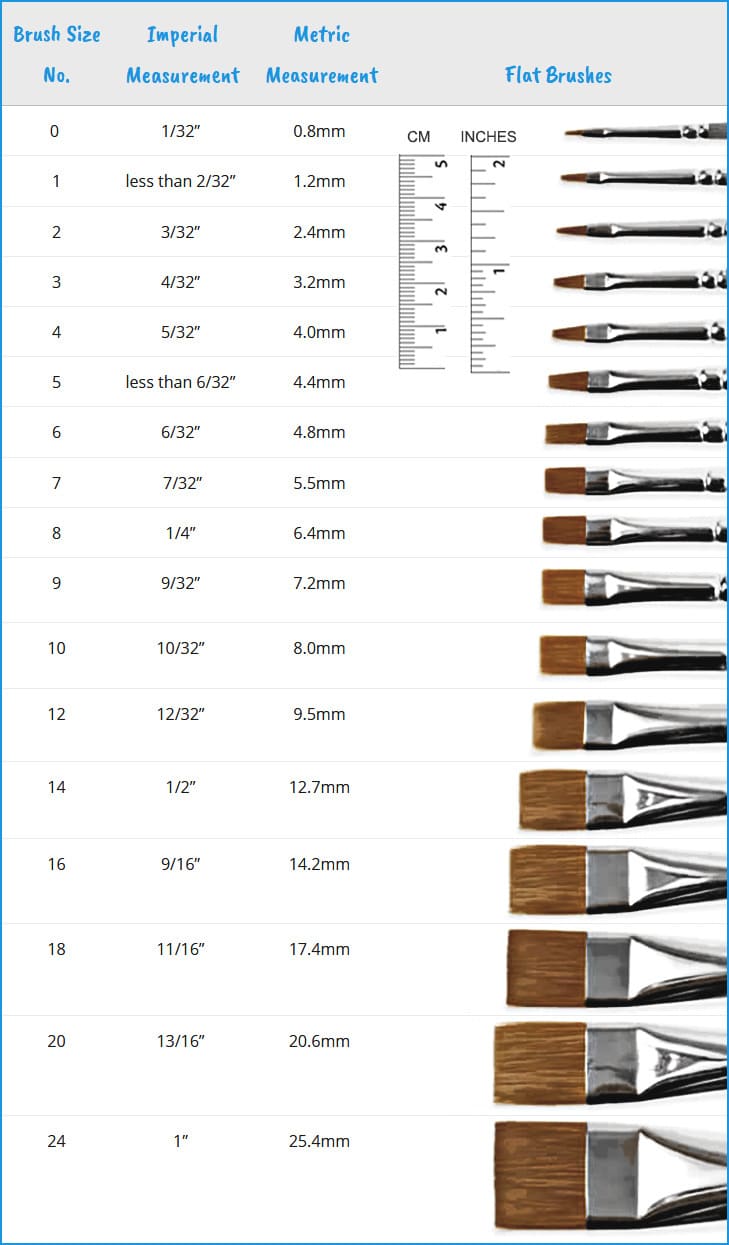
When considering flat brushes, common sizes range from small (e.g., 1/4 inch or 6mm) to very large (e.g., 2 inches or 50mm). For a beginner, the instinct might be to purchase a wide variety, but this can quickly inflate costs. A more prudent approach involves assessing the cost-benefit of specific sizes. A medium-sized flat brush, typically in the 1/2 inch to 1-inch (12mm-25mm) range, often presents the best initial value proposition. These sizes are versatile enough to handle a substantial portion of beginner techniques, from broad washes to more defined strokes. Investing in one or two high-quality, medium-sized flat brushes rather than a myriad of cheaper, less suitable ones means you’re putting your money into tools that perform reliably and last longer, reducing the need for premature replacements. The initial higher cost of a quality brush is offset by its extended lifespan and superior performance, directly impacting the value derived from your expenditure.
Moreover, larger flat brushes (e.g., 1.5-2 inches) are excellent for laying down large, even washes, covering significant areas quickly. While these might seem excessive for a beginner, if your artistic inclination leans towards landscapes or expansive abstract pieces, investing in one larger flat brush could save you time and frustration, indirectly saving the “cost of effort” that would be expended trying to achieve similar results with a smaller brush. Conversely, very small flat brushes (e.g., 1/8 to 1/4 inch) are specialized for fine details. For a beginner, the immediate financial benefit of these is lower, as the core learning experience often focuses on broader techniques. Delaying the purchase of specialized smaller brushes until your skills demand them is a wise budgeting strategy.
Avoiding Common Financial Pitfalls in Beginner Art Supply Purchases
A common financial misstep for beginners is succumbing to multi-brush sets that promise incredible value. While tempting, these sets often contain a mix of brush types and sizes, many of which may not be immediately relevant or of sufficient quality for watercolor. The “bargain” often dissipates when brushes fray quickly, shed hairs, or fail to hold water and pigment effectively. This leads to frustration, inferior results, and ultimately, the need to re-purchase individual brushes, effectively doubling your initial cost.
Instead, prioritize purchasing individual, open stock flat brushes from reputable brands known for their watercolor specific tools. Researching reviews and understanding the materials (synthetic vs. natural hair) can inform your decision, ensuring you select brushes designed for watercolor’s unique demands. Synthetic brushes, for example, often offer excellent performance and durability at a more accessible price point than traditional natural hair, making them a financially astute choice for beginners. By focusing on quality over quantity for your initial flat brush acquisition, you secure a more stable foundation for your artistic growth and protect your financial investment.
The Financial Leverage of Versatile Flat Brushes
Smart financial planning in any endeavor involves maximizing utility and longevity. In watercolor painting, selecting versatile flat brushes provides significant financial leverage, allowing beginners to achieve a broad range of effects without constantly expanding their toolkit.
Maximizing Value with Multi-Purpose Brush Choices
A key aspect of financial efficiency in art supplies is choosing tools that serve multiple purposes. A medium flat brush (e.g., 3/4 inch or 1 inch) is a prime example of a multi-purpose workhorse. It can be used on its broad side for washes, on its edge for fine lines or sharp shapes, and for creating textured effects with dry brush techniques. This versatility means you derive more functionality from a single purchase, reducing the need to buy several specialized brushes. From a budgetary perspective, a single well-chosen flat brush can fulfill the roles of what might otherwise require two or three different brush types or sizes, significantly lowering your overall expenditure without compromising creative potential.
Consider the diverse applications: a 1-inch flat can cover large areas for backgrounds, but its crisp edge can also define architectural elements or create sharp horizons. A 1/2-inch flat is perfect for smaller washes and can handle more intricate details than its larger counterpart, yet still offers the broad stroke capability lacking in round brushes of similar size. The ability to perform multiple tasks with one tool is a direct financial advantage, optimizing the value you extract from each dollar spent on your art supplies.
Long-Term Savings Through Durability and Quality Selection
The adage “buy cheap, buy twice” holds particular relevance in the world of art supplies. Investing in higher-quality flat brushes from the start, even if they come with a slightly higher price tag, invariably leads to long-term savings. Quality brushes are constructed with better ferrules (the metal part connecting bristles to handle), more resilient hairs (whether natural or synthetic), and durable handles. This superior construction means they withstand regular use, cleaning, and storage much better than their cheaper counterparts.
Brushes that maintain their shape, shed minimal hairs, and continue to hold paint effectively translate into fewer replacements over time. This reduces ongoing costs and prevents the recurring expense of repurchasing inferior tools. Furthermore, a durable brush consistently performs well, which can prevent artistic frustration that might lead to abandoning the hobby—thus safeguarding the initial financial investment made in all your art supplies. Viewing your brushes as durable assets rather than disposable commodities shifts the financial perspective towards sustainable spending.
Equipping for Potential Monetization: The Business of Beginner Art
For beginners contemplating turning their passion into a side hustle or even a future business, the initial choice of tools is not merely about learning, but about building a foundation for marketable output. Brush selection, therefore, takes on a strategic financial importance.
How Brush Selection Impacts Project Scope and Marketability
The sizes of flat brushes you choose directly influence the scope and scale of the artwork you can realistically produce. Larger flat brushes enable the creation of bigger pieces, which can often command higher prices in the art market due to their impact and the greater quantity of materials involved. If your goal is to eventually sell your work, being able to consistently produce art of various sizes is a clear market advantage. A beginner who invests in a good range of flat brushes, including a versatile medium-large option (e.g., 1.5-inch), can practice on larger formats earlier, preparing them for commissions or gallery submissions that often favor specific dimensions.
Moreover, the quality of your tools directly affects the quality and consistency of your output. Professional-looking results are more marketable. A reliable flat brush allows for clean lines, even washes, and controlled textures, all of which contribute to a finished product that resonates with potential buyers. Inconsistent results due to poor tools can devalue your work and make it harder to sell, representing a direct financial opportunity cost. Therefore, selecting flat brushes that support professional execution is an investment in your future earning potential.
Calculating the ROI of Your Core Watercolor Kit
Calculating the return on investment (ROI) for art supplies might seem unusual, but it’s a vital exercise for any artist with entrepreneurial aspirations. Your core watercolor kit, including your essential flat brushes, is a capital investment. The ROI is measured by the potential income generated from the artwork produced with these tools, minus the cost of the tools themselves.
Consider a scenario where a well-chosen 1-inch flat brush costs $15 and contributes to the creation of five paintings, each selling for $50. The gross income is $250. Factoring in the brush cost, the direct ROI from that single tool is substantial. Conversely, a $5 brush that performs poorly, leads to scrapped paintings, or needs frequent replacement has a negative ROI due to wasted materials and lost income opportunities.
As a beginner, focus on building a core kit that provides maximum functionality for minimum expenditure, ensuring that each brush earns its keep. Prioritizing versatile sizes that aid in skill development and quality output means you’re not just buying a brush; you’re investing in an income-generating asset. This mindset encourages careful selection and maintenance of tools, viewing them as integral components of your financial success in the art world.
Budgeting for Artistic Growth: A Sustainable Approach to Supplies
Managing finances effectively is crucial for any long-term pursuit. For beginner watercolorists, creating a sustainable budget for art supplies ensures continuous artistic growth without financial strain.
Prioritizing Purchases: Essential Flat Brushes vs. Luxury Additions
When establishing your beginner watercolor budget, it’s essential to differentiate between “must-have” tools and “nice-to-have” luxury additions. For flat brushes, the “must-haves” are typically one or two versatile medium-sized options (e.g., 1/2 to 1 inch). These provide the broadest range of utility for the fundamental techniques a beginner needs to master. Their cost should be a primary allocation within your initial budget.
Luxury additions, such as very large flat brushes or specialized fine-detail flat brushes, should be considered secondary purchases, to be acquired as your skills develop and your specific artistic needs emerge. For instance, a $50 sable flat brush, while exquisite, might be an unnecessary initial expense compared to a high-quality $15 synthetic alternative that offers comparable performance for a beginner. Prioritizing ensures your initial funds are directed towards tools that yield the greatest immediate learning and practical value, preventing overspending on items you may not fully utilize for months or even years. This disciplined approach to spending ensures your budget supports sustained artistic development rather than impulsive, financially inefficient purchases.
Managing Ongoing Costs and Upgrades
Art supplies are not a one-time expense; they represent an ongoing cost. However, strategic initial purchases can help manage these future expenditures. By investing in durable, quality flat brushes initially, you reduce the frequency of replacements, thus lowering your recurring costs. Establishing a small, dedicated “art supplies” fund within your personal budget can also ensure you’re always prepared for necessary replacements or strategic upgrades.
As your skills advance, you might identify specific needs that justify investing in higher-end or specialized flat brushes. For example, after mastering basic washes with a synthetic 1-inch flat, you might find that a natural hair squirrel flat brush for exceptional water retention is a valuable upgrade for specific techniques. These upgrades should be viewed as calculated investments in your artistic development and potential monetization, rather than unplanned expenses. Regularly assessing your current tools and genuine needs against your budget allows for financially intelligent decisions that support a sustainable and evolving artistic practice.
The Hidden Costs of Inadequate Tools: A Financial Perspective
The true cost of art supplies extends beyond the sticker price. For beginners, choosing inadequate flat brushes can lead to a cascade of hidden financial and opportunity costs, ultimately hindering progress and wasting resources.
The Opportunity Cost of Frustration and Stagnation
Perhaps the most significant hidden cost of inadequate flat brushes for a beginner is the opportunity cost associated with frustration and stagnation. A brush that sheds hairs, doesn’t hold water, or fails to maintain its shape can make even simple techniques difficult to execute. This leads to poor results, discouragement, and can even cause a beginner to abandon the hobby altogether. The money spent on those inadequate brushes, paints, and paper then becomes a sunk cost with no return.
Beyond direct financial loss, there’s the lost opportunity for skill development, enjoyment, and potential future income. If a beginner gives up due to frustrating tools, they miss out on the chance to hone their craft, produce marketable art, or simply derive the mental and emotional benefits of a fulfilling hobby. This unquantifiable loss of potential is a critical financial consideration when making initial purchase decisions. Investing in reliable flat brushes minimizes this risk, fostering a positive learning experience that keeps the artist engaged and progressing.

Re-purchasing and the Spiral of Poor Initial Choices
Another tangible hidden cost is the need for re-purchasing. Many beginners, trying to save money, opt for the cheapest flat brushes available. When these inevitably fail to perform, the artist is forced to buy better quality replacements, often within a short period. This cycle of “buy cheap, buy twice” (or even thrice) results in spending more money in total than if a single, higher-quality purchase had been made initially.
For example, buying two $5 poor-quality flat brushes that last only a month each, and then needing to buy a $15 quality brush, amounts to a $25 expenditure over three months. Had the $15 quality brush been purchased upfront, the total cost would have been significantly lower, and the artist would have benefited from a superior tool throughout. This demonstrates how a seemingly small initial saving can lead to a greater financial outlay in the long run. By making informed, strategic choices about flat brush sizes and quality from the very beginning, beginners can break this cycle, safeguard their budget, and invest more effectively in their artistic journey.
aViewFromTheCave is a participant in the Amazon Services LLC Associates Program, an affiliate advertising program designed to provide a means for sites to earn advertising fees by advertising and linking to Amazon.com. Amazon, the Amazon logo, AmazonSupply, and the AmazonSupply logo are trademarks of Amazon.com, Inc. or its affiliates. As an Amazon Associate we earn affiliate commissions from qualifying purchases.