
The Branding Power of Early Christian Appearance
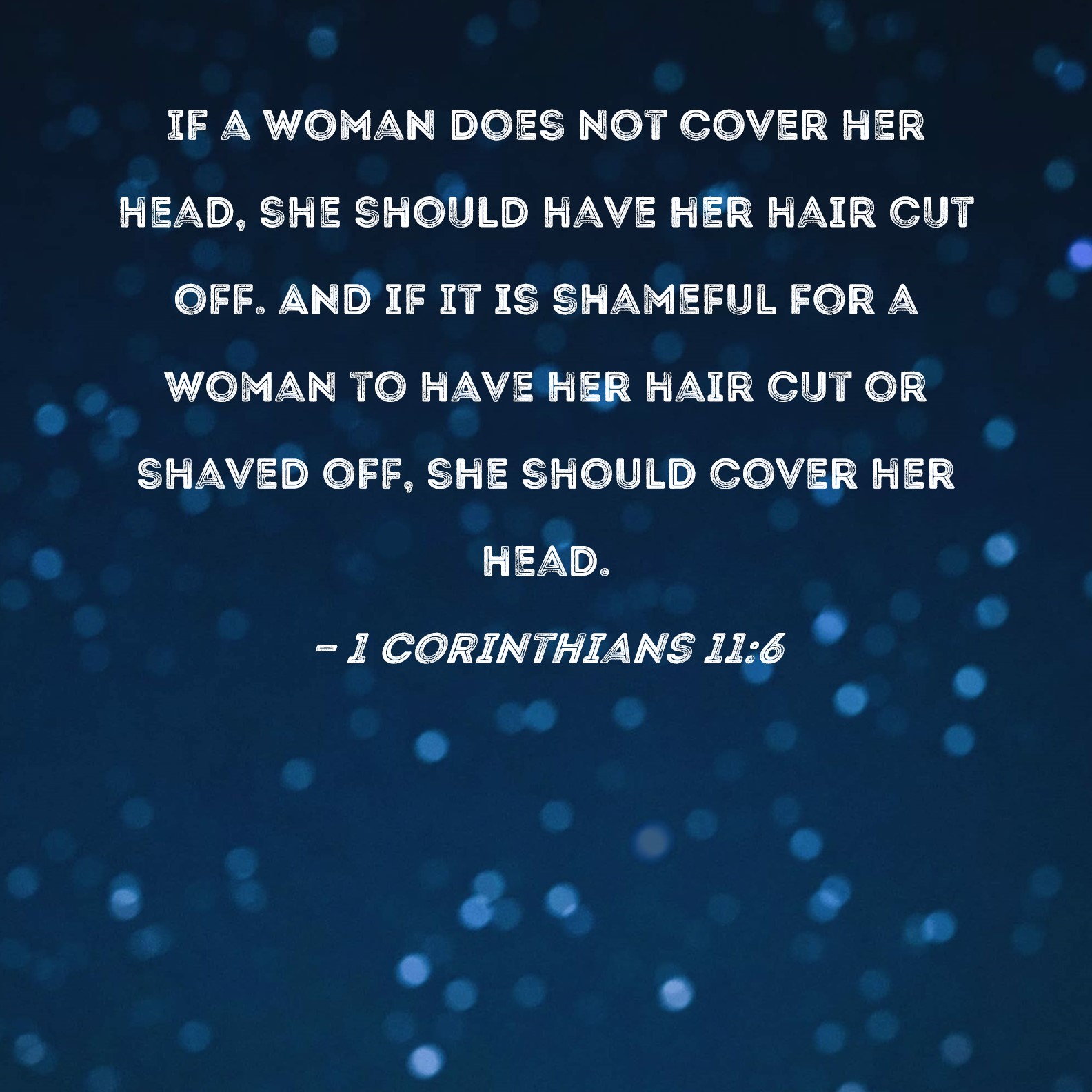
Throughout history, personal appearance has served as a powerful, non-verbal communication tool, a form of visual identity that acts as a brand signal for individuals and groups. In the context of the nascent Christian movement, the directives concerning women’s hair were not merely cultural customs or arbitrary rules but foundational elements in establishing a distinct brand identity for a rapidly growing faith. These instructions, particularly evident in texts like 1 Corinthians 11, strategically functioned to forge community cohesion and differentiate the emerging Christian “brand” from the prevailing pagan and Jewish cultures of the Roman Empire.
Visual Identity and Community Cohesion
The early church faced a significant challenge in establishing a clear, unified identity amidst a diverse cultural landscape. To effectively spread its message and consolidate its followers, it needed a recognizable “brand.” The Apostle Paul’s teachings on women’s hair, such as the emphasis on head coverings or specific hair presentation, can be understood as early forms of “brand guidelines.” These directives helped to cultivate a cohesive internal “brand” for the community, reinforcing shared values and fostering a sense of belonging among members. Adherence to these visual standards allowed Christians to recognize fellow believers and contributed to a collective identity that transcended geographical and ethnic boundaries. This visual uniformity played a crucial role in binding a disparate group of converts into a singular, identifiable movement, creating a sense of solidarity and shared purpose essential for its survival and growth.
Differentiation and Distinctiveness in a Pagan World
Beyond internal cohesion, these appearance standards were critical for external differentiation. In Roman society, particular hairstyles or the lack of a head covering could carry specific social connotations, signifying status, profession (e.g., prostitutes often had uncovered hair), or participation in pagan religious rituals. Christian women’s adherence to Paul’s instructions provided a stark visual contrast, deliberately setting them apart. This distinction was a powerful “brand statement,” non-verbally communicating the values of modesty, reverence, and a deliberate rejection of worldly norms that characterized the Christian faith. By adopting a distinct visual presentation, the early church effectively marketed its unique “brand” in a competitive marketplace of ideas and spiritual practices, clearly articulating its values and boundaries to both insiders and outsiders.
Hair as a Component of Corporate Identity for Religious Institutions
Religious organizations, much like secular corporations, meticulously develop and project a “corporate identity” through their doctrines, practices, symbols, and, notably, the appearance of their adherents. Biblical teachings on women’s hair, interpreted and enforced over centuries, often become integral components of this institutional brand strategy. These interpretations guide how a religious body presents itself to the world and how its members embody its core tenets.
Establishing Norms and Enforcing Brand Guidelines
For many denominations and faith traditions, historical and contemporary, interpretations of biblical passages regarding women’s hair have led to the establishment of explicit “brand guidelines” for their members’ appearance. These guidelines, which might dictate hair length, style, or the consistent wearing of a head covering, are frequently enforced to maintain a consistent corporate image. This image is carefully curated to reflect the organization’s commitment to specific scriptural interpretations, discipline, and traditional values. For instance, certain conservative Christian sects mandate specific hair coverings or prohibit cutting hair for women, viewing these practices as non-negotiable elements of their “brand integrity.” Non-adherence within these groups can be perceived as a dilution of the institutional brand message, potentially leading to social or even spiritual repercussions for the individual. The collective visual adherence reinforces the institution’s commitment to its stated values and traditions.
Communicating Values Through Physical Presentation
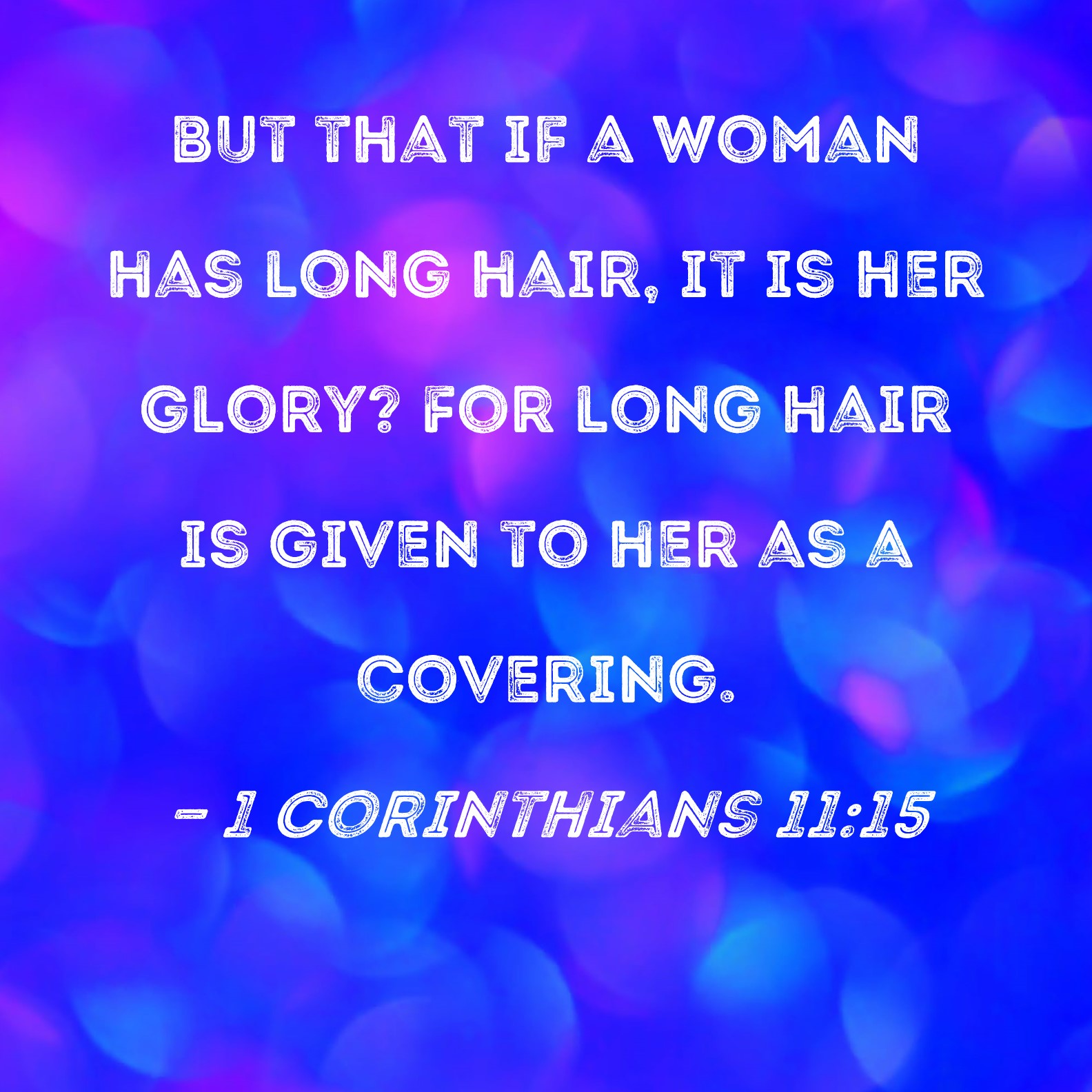
The collective appearance of a congregation or denomination, influenced by these deep-seated biblical interpretations, serves as a powerful non-verbal communication tool. It broadcasts core values such as humility, piety, reverence, or a distinct separation from secular society. For a religious institution, this consistent visual messaging reinforces its brand promise to existing adherents—a promise of stability, tradition, and spiritual purity. Simultaneously, it presents a coherent identity to outsiders, signaling what the institution stands for and what it expects from its members. The decision to maintain or adapt these traditional appearance standards becomes a strategic choice in how the religious body’s “brand story” and “brand values” are continuously communicated and perceived, impacting its ability to attract and retain followers who resonate with its visual and ideological identity.
Personal Branding in a Faith Context: Navigating Ancient Directives Today
In the modern era, personal branding—the conscious effort to create and communicate an individual’s unique value proposition—is paramount. For individuals of faith, ancient biblical directives, particularly those concerning hair, create a fascinating intersection with contemporary personal branding principles. Believers must often reconcile calls for self-expression with historical religious adherence, shaping a personal brand that reflects both their individuality and their spiritual commitment.
Authenticity Versus Adherence: Crafting a Personal Faith Brand
The tension between authenticity and adherence forms a central challenge for individuals crafting their personal faith brand today. Modern personal branding champions authenticity, encouraging individuals to project their unique identity and values. However, biblical texts on hair can be interpreted as directives for adherence to traditional or institutional norms, sometimes appearing to restrict personal expression. Believers must navigate this delicate balance: do they choose to align their personal brand fully with a conservative interpretation, making their hair a visible, unambiguous symbol of their faith brand? Or do they interpret the underlying principles—such as modesty, reverence, or humility—while adapting their appearance to contemporary contexts, thus allowing for a more personalized “faith brand”? Decisions about hair, whether to cover, grow long, or style in a particular way, can be an intentional part of one’s personal brand story, signaling specific values, community affiliations, or a particular theological stance. These choices become strategic elements in how an individual wishes to be perceived as a person of faith, influencing how their personal “brand message” is received.
The Role of Self-Presentation in Modern Religious Expression
Beyond formal directives, individuals use their self-presentation, including their hair choices, to signal aspects of their personal faith brand across various platforms—social media, professional environments, and within their immediate communities. This might involve choosing hairstyles that subtly reflect traditional values, or, conversely, adopting styles that challenge convention while still aiming to represent a “modern Christian” brand. For example, a woman might choose to wear her hair long, interpreting biblical passages about hair length, but style it in a contemporary fashion to communicate both her adherence to tradition and her engagement with modern aesthetics. Every decision about hair—from color to cut to covering—contributes to the overall narrative of one’s personal brand, communicating dedication, openness, conservatism, or progressive thought. These choices are strategic, designed to resonate with specific audiences and convey an authentic yet aligned personal brand message in a complex, digitally interconnected world.
Marketing Faith: Leveraging Visual Cues for Engagement
Religious organizations, like any entity seeking engagement and growth, employ diverse marketing strategies. Within this context, visual cues rooted in biblical interpretations, such as those pertaining to women’s hair, can be profoundly powerful elements of marketing faith, influencing perception and attracting specific demographics.
Non-Verbal Messaging and Brand Appeal
The visual presentation of adherents, including their hair, significantly impacts the “brand appeal” of a faith or denomination. For some prospective members, a traditional appearance—such as women with covered or uncut hair—might reinforce a brand message of unwavering tradition, seriousness, and piety, thereby attracting those who seek such a deeply rooted and conservative identity. This visual consistency acts as a powerful signifier of the organization’s commitment to its historical and theological foundations, creating a strong brand identity for a specific niche. Conversely, a more contemporary approach to appearance, while still guided by underlying scriptural principles of modesty or decorum, might broaden a denomination’s appeal. This communicates a brand message of inclusivity, modernity, and relevance, drawing in individuals who seek a faith experience that integrates more seamlessly with contemporary lifestyles. These visual elements are crucial in shaping the overall brand narrative and influencing the emotional connection and perception prospective adherents might develop towards a religious organization.

Adapting Traditional Visuals for Contemporary Outreach
Religious marketing strategies must thoughtfully navigate traditional interpretations of hair in a contemporary context to maximize outreach and engagement. Some organizations might explicitly market their adherence to traditional appearance standards as a core part of their distinct “brand promise.” Their marketing materials—from website imagery to brochures—will showcase women adhering strictly to these biblical directives, thereby reinforcing their brand as an unyielding beacon of tradition. Others might strategically de-emphasize strict visual codes, focusing instead on underlying spiritual principles, to make their “brand” more accessible and relatable to a wider, diverse audience. This often involves careful choices in visual communication, such as using imagery in outreach materials that reflects a broader range of contemporary styles while subtly echoing the spirit of biblical modesty or reverence. The ultimate goal is to communicate the faith’s brand effectively, whether through strict adherence to historical visual cues that resonate with a specific demographic, or through a more modern interpretation that still echoes biblical principles but appeals to a broader, more diverse demographic. This strategic adaptation ensures the brand remains relevant and impactful in an evolving cultural landscape.
aViewFromTheCave is a participant in the Amazon Services LLC Associates Program, an affiliate advertising program designed to provide a means for sites to earn advertising fees by advertising and linking to Amazon.com. Amazon, the Amazon logo, AmazonSupply, and the AmazonSupply logo are trademarks of Amazon.com, Inc. or its affiliates. As an Amazon Associate we earn affiliate commissions from qualifying purchases.