
The Foundation of Financial Fortitude: Perseverance in Biblical Wisdom
In the journey toward financial independence, wealth creation, or even just stable financial health, the path is rarely smooth. It is often fraught with unexpected challenges, market downturns, personal setbacks, and the sheer discipline required for consistent effort. It is here that the ancient wisdom of perseverance, as articulated in biblical texts, offers profound and actionable insights for anyone navigating the modern financial landscape. While often associated with spiritual fortitude, these principles are deeply practical, forming the bedrock of sustained financial success across various domains – from personal budgeting to entrepreneurial ventures.

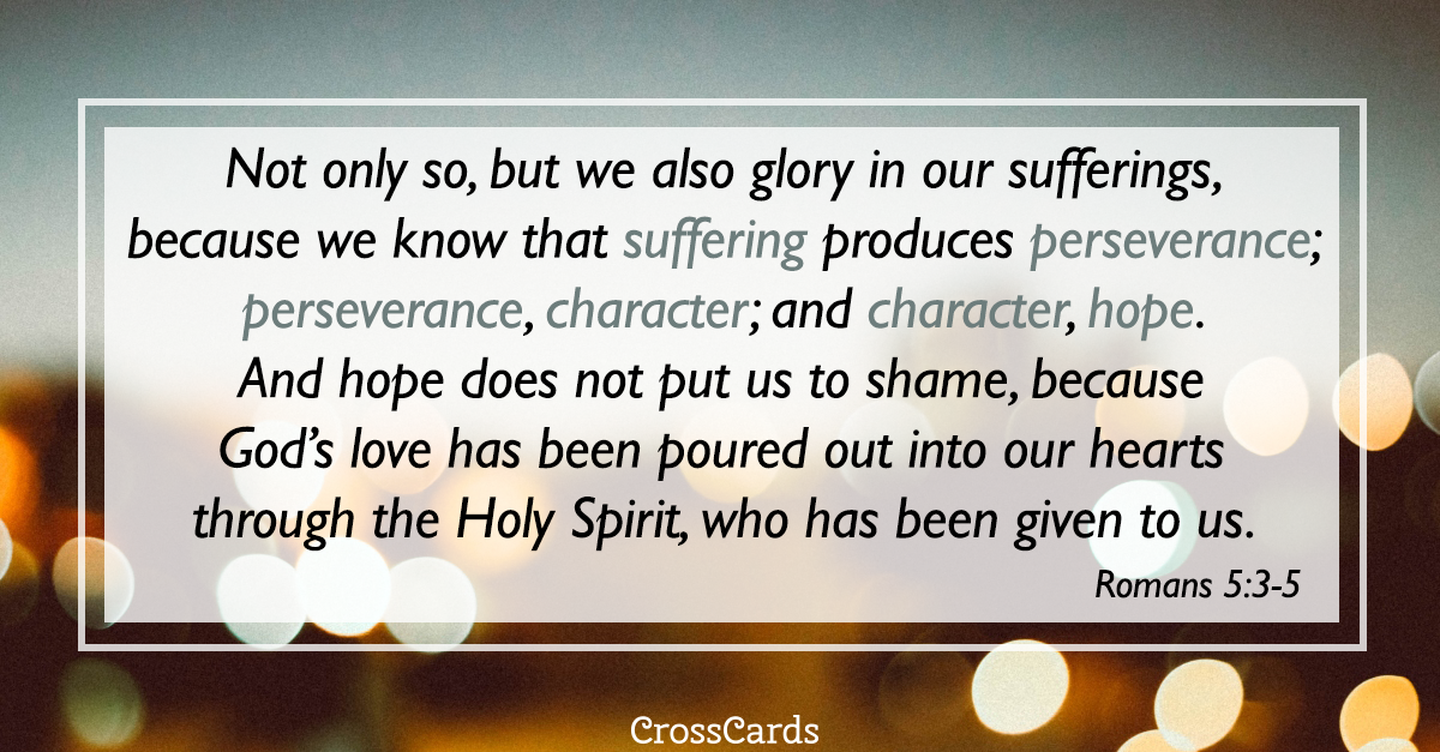
The Bible consistently champions the virtue of perseverance, often linking it with patience, diligence, and faith. For instance, Romans 5:3-4 states, “suffering produces perseverance; perseverance, character; and character, hope.” In a financial context, “suffering” might translate to periods of economic hardship, business failures, or the arduous process of debt repayment. Embracing these challenges, rather than succumbing to despair, cultivates the perseverance necessary to build robust financial character. This character, in turn, fuels the hope required to continue striving for long-term financial goals, even when immediate returns are not apparent. It teaches us that enduring the lean times is not merely an act of survival, but a crucible for forging resilience essential for prosperity.
Steadfastness in Saving and Debt Repayment
One of the most immediate applications of biblical perseverance in personal finance lies in the consistent effort required for saving and debt repayment. Building an emergency fund, saving for retirement, or making significant investments demands discipline over extended periods. Proverbs 21:5 declares, “The plans of the diligent lead to profit as surely as haste leads to poverty.” This verse underscores the value of diligent, persistent effort over quick-fix schemes. Diligence in financial planning and execution, day after day, week after week, is a direct manifestation of perseverance. It’s the steadfastness to stick to a budget, to defer gratification, and to make regular contributions, even when other temptations arise.
Similarly, tackling debt, whether consumer loans, student debt, or mortgages, is often a marathon, not a sprint. The Bible cautions against debt, but also implicitly guides on its repayment. The consistent, often painful, process of dedicating a portion of income to pay down liabilities requires immense perseverance. Galatians 6:9 encourages, “Let us not become weary in doing good, for at the proper time we will reap a harvest if we do not give up.” For someone diligently working to eliminate debt, “doing good” translates to making those payments, resisting new borrowing, and living within means. The “harvest” is the eventual freedom from financial burdens, a reward directly tied to not giving up during the arduous process. This principle highlights that consistent, often unglamorous, financial habits are the true drivers of sustainable financial health.
Diligence in Entrepreneurship and Side Hustles
For those engaged in generating online income, nurturing side hustles, or building full-fledged businesses, perseverance is not just an asset, but a fundamental requirement for survival and growth. Starting a venture often involves initial failures, slow traction, and numerous rejections. Ecclesiastes 11:6 advises, “Sow your seed in the morning, and at evening let your hands not be idle, for you do not know which will succeed, whether this or that, or whether both alike will do well.” This passage speaks to the importance of continuous effort and diversification, acknowledging that success is not guaranteed with a single attempt. Entrepreneurs must persevere through uncertainty, continuously “sowing seeds” through product development, marketing, and customer engagement, without knowing which efforts will ultimately bear fruit.
The journey of an entrepreneur is a test of enduring patience and resilience. Many successful businesses are built on years of incremental improvements, adapting to market feedback, and overcoming competitive pressures. Hebrews 10:36 states, “You need to persevere so that when you have done the will of God, you will receive what he has promised.” In a business context, “doing the will of God” can be interpreted as operating with integrity, serving customers effectively, and diligently pursuing your vision. The “promise” is the ultimate success and profitability. This perspective encourages founders to view setbacks not as endpoints, but as necessary challenges to be overcome with unwavering determination, knowing that consistent, ethical effort will eventually yield results.
Enduring Market Volatility: A Long-Term Investment Perspective
Investing, particularly in equities or real estate, inherently involves exposure to market fluctuations. Economic downturns, geopolitical events, or sector-specific challenges can lead to significant portfolio drawdowns, testing the resolve of even seasoned investors. Here, biblical perseverance offers a powerful antidote to short-term panic and emotional decision-making. The wisdom often points towards a long-term perspective, trusting in the eventual rebound and growth that historical data frequently supports.
Proverbs 24:10 warns, “If you falter in a time of trouble, how small is your strength!” This wisdom directly applies to investment psychology. When markets are in turmoil, a lack of perseverance can lead to impulsive selling, locking in losses and forfeiting potential future gains. True strength, in an investment context, is demonstrated by the ability to ride out downturns, adhere to a well-considered investment strategy, and even seize opportunities when others are fearful. This doesn’t advocate for recklessness, but for a principled, patient approach that recognizes the cyclical nature of markets.
Trusting the Process: Avoiding Panic and Impulse
The concept of trusting the process is deeply intertwined with biblical perseverance. Investing is a long-term endeavor where compounding returns work their magic over decades. This requires consistent contributions and the mental fortitude to ignore the daily noise and volatility. James 1:3-4 says, “because you know that the testing of your faith produces perseverance. And let perseverance finish its work so that you may be mature and complete, not lacking anything.” For an investor, “testing of your faith” might be a significant market correction or a personal financial setback that tempts them to deviate from their plan. Allowing “perseverance to finish its work” means sticking with the investment strategy, continuing to dollar-cost average, and not letting fear or greed dictate decisions. The reward is “maturity” in financial wisdom and the eventual realization of long-term financial goals, ensuring one is “not lacking anything” regarding their financial future. This emphasizes that investment success is often more about emotional discipline and patience than about predicting market movements.
Overcoming Financial Adversity with Faith-Inspired Resolve
Beyond the day-to-day disciplines, perseverance becomes critically important when facing significant financial adversity—job loss, unexpected medical bills, or a failed business venture. These moments can be crushing, leading to despair and the temptation to give up. However, biblical principles offer a framework for navigating such trials with resilience.
Romans 12:12 advises, “Be joyful in hope, patient in affliction, faithful in prayer.” While this is a spiritual directive, its financial application is clear. Maintaining hope during financial affliction (e.g., job hunting after a layoff) fuels the persistence required to find solutions. Patience prevents rash decisions, allowing for thoughtful planning. And while “faithful in prayer” is a spiritual act, it embodies a deeper trust that empowers one to keep acting and seeking solutions even when circumstances seem bleak. It’s about cultivating an inner resolve that transcends external pressures.
Learning from Setbacks: The Path to Financial Resilience
Biblical texts often frame struggles as opportunities for growth and refinement. “Consider it pure joy, my brothers and sisters, whenever you face trials of many kinds, because you know that the testing of your faith produces perseverance,” (James 1:2-3). In the financial realm, a setback is not merely a loss but a lesson. A failed investment teaches risk management; a period of unemployment hones budgeting skills and resourcefulness; a business failure provides invaluable insights for future ventures. Persevering through these “trials” means actively learning from them, adapting strategies, and refusing to let past failures define future potential. This iterative process of learning and adapting builds profound financial resilience, making one stronger and wiser for future challenges.

The Eternal Reward of Financial Stewardship and Perseverance
Ultimately, the biblical perspective on perseverance isn’t solely about earthly gains, but about character development and responsible stewardship. While the focus here has been on financial applications, the underlying message is that consistent effort, patience through adversity, and unwavering dedication to worthy goals—be they saving, investing, or building a business—are virtues that yield tangible rewards. The principle that “whoever sows sparingly will also reap sparingly, and whoever sows bountifully will also reap bountifully” (2 Corinthians 9:6) applies as much to financial effort as it does to generosity. It’s a call to persistent, diligent action, understanding that sustained effort in financial planning and execution is the prerequisite for a bountiful financial future. The perseverance championed in the Bible empowers individuals to not only overcome financial challenges but to achieve lasting prosperity through diligent, faith-inspired action.
aViewFromTheCave is a participant in the Amazon Services LLC Associates Program, an affiliate advertising program designed to provide a means for sites to earn advertising fees by advertising and linking to Amazon.com. Amazon, the Amazon logo, AmazonSupply, and the AmazonSupply logo are trademarks of Amazon.com, Inc. or its affiliates. As an Amazon Associate we earn affiliate commissions from qualifying purchases.