
In the intricate world of brand identity and visual marketing, color is far more than a mere aesthetic choice; it is a strategic tool, a psychological trigger, and a silent communicator of values and aspirations. Among the vast spectrum of hues, “burnt umber” stands out as a color often recognized for its earthy depth, yet its precise definition and strategic application in branding often warrant deeper exploration. It is a color that whispers of tradition, authenticity, and grounded sophistication, making it a compelling candidate for brands seeking to evoke a particular emotional resonance.
The Chromatic Identity of Burnt Umber
To leverage burnt umber effectively in brand strategy, one must first understand its unique chromatic identity. It is not simply brown; it is a nuanced and rich shade with a distinct character.

Defining the Hue: From Pigment to Perception
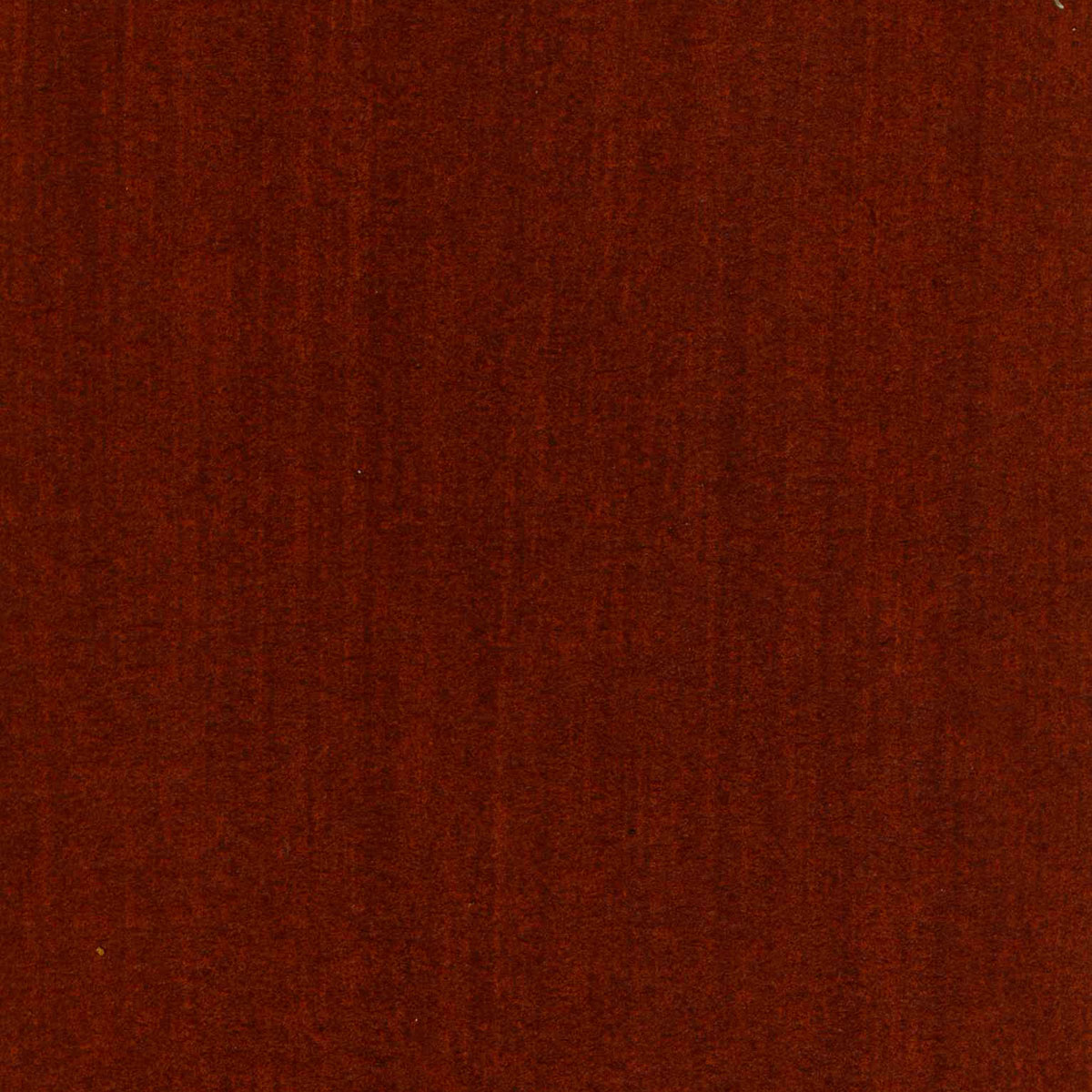
Burnt umber is a deep, reddish-brown color, characterized by its warmth and opacity. It sits in the earth tone family, often described as having the richness of dark soil, roasted coffee beans, or aged wood. Its name derives directly from its origin as a pigment: raw umber, a natural clay earth pigment containing iron and manganese oxides, is heated or “burnt.” This process dehydrates the iron oxide, shifting its hue from a greenish-brown (raw umber) to a warmer, more intense reddish-brown.
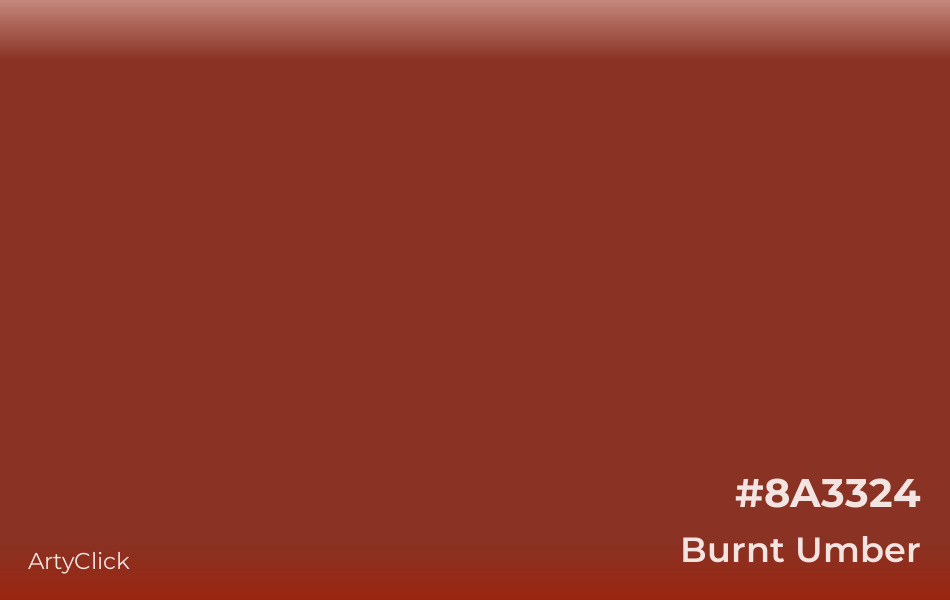
Compared to other browns, burnt umber is less yellow than burnt sienna and richer than many simple browns. Its particular blend of red and brown creates a sophisticated warmth that can range from a dark, almost chocolatey tone to a lighter, more russet hue depending on its application and surrounding colors. In digital terms, it often corresponds to hex codes like #8A3324 or #8E2323, showcasing its strong red component. This inherent warmth and depth are critical to its psychological impact and branding potential.
Historical Roots and Natural Origins
The lineage of umber pigments stretches back millennia, with evidence of their use in prehistoric cave paintings. The availability of umber as a natural earth pigment, particularly from Umbria in central Italy (hence its name), made it a staple in art and craft for centuries. Its natural origin imbues it with an inherent sense of authenticity and connection to the earth. For brands, understanding this historical and natural foundation is vital. It’s not a manufactured, synthetic color; it carries the weight of history and the grounding quality of the natural world. This deep-rooted authenticity becomes a powerful, if subtle, message when incorporated into a brand’s visual language, signaling heritage, reliability, and an organic connection that transcends fleeting trends.
Burnt Umber in Brand Strategy and Visual Identity
The strategic deployment of burnt umber in a brand’s visual identity can unlock powerful emotional and psychological connections with its target audience. Its impact goes beyond mere aesthetics, tapping into primal associations and cultural understandings.
Psychological Associations and Emotional Resonance
Burnt umber evokes a range of compelling psychological responses. Foremost among these are feelings of stability, reliability, and groundedness. Like the earth itself, it suggests permanence and an unshakeable foundation. For brands seeking to convey trust and durability, burnt umber can be an excellent choice.
Furthermore, its warmth often translates into associations with comfort, coziness, and intimacy. It can make a brand feel approachable and inviting, fostering a sense of security. Its natural origins also link it to authenticity, organic quality, and sustainability. Brands that champion natural ingredients, craftsmanship, or eco-conscious practices can use burnt umber to reinforce these core values.
When used thoughtfully, burnt umber can also convey sophistication, heritage, and luxury, especially when paired with complementary colors like gold, cream, or deep greens. It suggests an understated elegance, a preference for enduring quality over flashy novelty. This makes it particularly effective for premium brands that want to communicate timelessness and refined taste.
Applications Across Industries
The versatility of burnt umber allows it to find compelling applications across a diverse array of industries:
- Food and Beverage: Think artisanal coffee roasters, craft breweries, premium chocolate brands, or organic food producers. Burnt umber can evoke the rich flavors, natural ingredients, and comforting warmth associated with these products. Its presence suggests depth of flavor and a natural, wholesome experience.
- Fashion and Apparel: High-end leather goods, heritage clothing brands, or outdoor wear can use burnt umber to convey durability, classic style, and a connection to nature. It suggests quality materials and a timeless aesthetic that eschews fast fashion.
- Home Goods and Interior Design: Furniture brands, artisanal pottery, or textile companies can leverage burnt umber to create a sense of warmth, coziness, and natural elegance. It harmonizes well with natural materials and contributes to a grounded, sophisticated living space.
- Luxury and Premium Brands: For brands that emphasize craftsmanship, tradition, and exclusivity, burnt umber offers a nuanced alternative to more common luxury colors. It can signify understated wealth and a discerning taste for enduring quality.
- Sustainability and Eco-conscious Brands: Given its natural origins, burnt umber is a powerful visual cue for brands committed to environmental responsibility, natural products, or ethical sourcing. It instantly connects the brand to the earth and sustainable practices.
The Art of Palette Integration
While burnt umber is a powerful color on its own, its true branding potential is often unlocked through strategic palette integration. It rarely works best in isolation, but rather as a foundational or accent color within a broader scheme.
- Complementary Pairings: Burnt umber pairs beautifully with lighter, neutral tones like creams, off-whites, and linen textures, creating a sense of understated elegance and allowing its depth to shine.
- Earthy Harmony: Combining it with other earth tones, such as olive greens, sage, or terracotta, reinforces its natural aesthetic and creates a cohesive, organic feel.
- Vibrant Accents: For a more dynamic appeal, burnt umber can serve as a grounding base for pops of more vibrant colors like deep teal, mustard yellow, or even a muted coral. These accents provide visual interest without detracting from burnt umber’s inherent stability.
- Metallic Sophistication: Gold, bronze, and copper accents can elevate burnt umber to a realm of luxury and timelessness, adding a touch of shimmer and richness that speaks of quality and refinement.
The key is to select a palette that amplifies the specific brand message. A brand aiming for rustic charm might lean into greens and creams, while a luxury brand might opt for gold accents and richer textures.
Leveraging Burnt Umber for Distinctive Branding
Choosing burnt umber is a deliberate act of brand differentiation. It’s a color that requires careful consideration but offers significant rewards for brands that understand its nuances.
Crafting Authenticity and Heritage
For brands built on a narrative of heritage, craftsmanship, or authentic origins, burnt umber acts as a visual anchor. It communicates a story of tradition, enduring quality, and a commitment to time-honored processes. Whether it’s a family-run business with generations of expertise or a new brand deeply rooted in sustainable practices, burnt umber lends a gravitas that instantly resonates with consumers seeking genuine connections. It can suggest a brand that doesn’t chase fads but rather focuses on what is fundamental and lasting. This authenticity is a highly sought-after attribute in today’s market, and burnt umber provides a powerful, non-verbal testament to it.
Modern Interpretations and Versatility
While steeped in tradition, burnt umber is far from dated. In contemporary branding, it is undergoing a resurgence, particularly in minimalist designs and digitally native brands that seek to ground their online presence in tangible, real-world aesthetics. Modern interpretations often involve pairing it with clean lines, sans-serif typography, and ample white space to create a sophisticated, uncluttered look. It offers a warmth that can balance the often-sterile feel of digital interfaces, providing a human touch to online experiences. Its versatility allows it to transition seamlessly from a rustic, artisanal feel to a sleek, contemporary aesthetic depending on the surrounding design elements. This adaptability makes it a smart choice for brands looking for a timeless color that can evolve without losing its core identity.
Avoiding Missteps: Context and Contrast
Despite its many advantages, burnt umber is not without its challenges. Misuse can lead to a brand appearing dull, heavy, or even unappetizing.
- Avoid Overuse: Too much burnt umber without sufficient contrast or complementary colors can make a design feel monolithic and oppressive. It needs breathing room and visual relief.
- Consider Lighting and Medium: The color can appear different under various lighting conditions and across different mediums (print vs. screen). Consistent color management and calibration are crucial to maintain brand integrity.
- Context is King: A brand selling vibrant, youthful products might find burnt umber too serious or mature, unless it’s used as a very specific accent to provide depth to an otherwise bright palette. Always consider your target audience and the emotional state you want to evoke.
- Ensure Readability: When used for text or small design elements, ensure sufficient contrast against the background to maintain readability and accessibility.
Strategic application involves understanding the desired mood, the target audience’s preferences, and the overall visual language of the brand.
Case Studies and Inspiration
Observing how successful brands integrate burnt umber offers valuable insights. While few brands adopt burnt umber as their sole primary color due to its intensity, many incorporate it strategically to reinforce specific aspects of their identity. Think of high-end whiskey or bourbon brands using it in their packaging to convey age, richness, and craftsmanship. Luxury automotive interiors often employ similar deep, warm browns to evoke comfort, prestige, and quality materials. Apparel brands focusing on durable, natural fabrics frequently feature burnt umber in their collections and branding to emphasize their connection to nature and enduring style. Even some digital interfaces of artisanal marketplaces or lifestyle blogs might use burnt umber for subtle backgrounds or accent elements to create a warm, inviting user experience that feels less corporate and more human. These brands understand that burnt umber’s strength lies in its ability to anchor, enrich, and add gravitas to their overall visual narrative.
The Future of Earth Tones in Digital Branding
As the digital landscape becomes increasingly saturated, there’s a growing desire for brands to stand out by cultivating authenticity and a sense of “realness.” Earth tones, including burnt umber, are poised to play an even more significant role in this evolution. They offer a counterbalance to the often-sterile, purely digital aesthetic, providing warmth, depth, and a connection to the tangible world. In an era where consumers are increasingly conscious of sustainability and craftsmanship, colors that visually align with these values will gain traction. Burnt umber, with its rich history and natural origins, offers a timeless appeal that transcends fleeting digital trends, making it a valuable asset for brands aiming for longevity and profound resonance in both physical and digital realms. It allows brands to communicate a grounded, ethical, and sophisticated identity that resonates deeply with discerning audiences.
aViewFromTheCave is a participant in the Amazon Services LLC Associates Program, an affiliate advertising program designed to provide a means for sites to earn advertising fees by advertising and linking to Amazon.com. Amazon, the Amazon logo, AmazonSupply, and the AmazonSupply logo are trademarks of Amazon.com, Inc. or its affiliates. As an Amazon Associate we earn affiliate commissions from qualifying purchases.