
In the competitive landscape of modern commerce and personal development, the art of self-promotion is often championed as a cornerstone of success. Brands strive to differentiate, individuals seek to stand out, and the narrative often leans towards showcasing achievements and capabilities. Yet, an often-overlooked source of wisdom — ancient biblical texts — offers a profound counter-narrative to unchecked self-exaltation, providing invaluable insights for building truly authentic and enduring brand identities. While not a marketing manual, the biblical perspective on bragging, humility, and genuine influence offers strategic principles that resonate deeply with effective brand building, personal branding, and corporate reputation management. It suggests that true strength and appeal lie not in boastful declarations, but in substance, service, and a grounded approach to self-presentation.
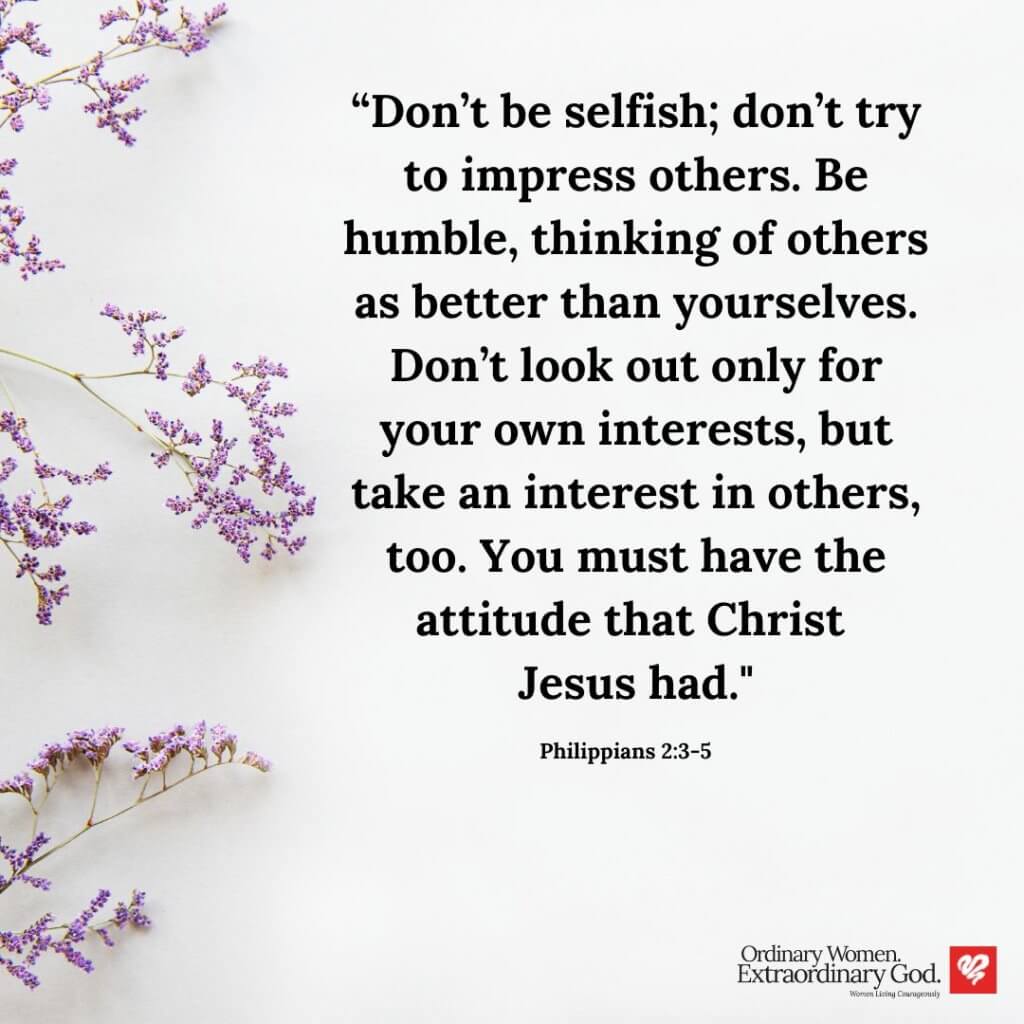
The Perils of Pride: Why Boasting Undermines Brand Trust
The core message across various biblical scriptures regarding bragging is a resounding caution against pride and self-aggrandizement. Proverbs 16:18 famously states, “Pride goes before destruction, a haughty spirit before a fall.” This isn’t just a moral admonition; it’s a strategic warning applicable to any entity seeking to build a sustainable reputation. For a brand, unchecked boasting, hyperbole, or a self-congratulatory tone can quickly erode the very trust it seeks to establish.
Empty Promises vs. Proven Value
A brand that consistently brags about its superiority without delivering tangible, consistent value inevitably faces skepticism. The Bible warns against those who boast of gifts they do not give, or wealth they do not possess. In branding, this translates directly to the danger of overpromising and under-delivering. Consumers are astute; they quickly discern between authentic claims backed by performance and empty rhetoric designed to impress. A brand’s messaging, while aspirational, must always be tethered to its actual capabilities and customer experience. When a brand’s narrative is inflated with unverified claims or exaggerated achievements, it cultivates an image of superficiality, making it difficult for the audience to believe in its sincerity or the quality of its offerings. Building trust requires a foundation of truth and consistency, where the brand’s actions speak louder than its most elaborate advertisements.
The Erosion of Credibility
Boasting, particularly when it dismisses competitors or exalts oneself above all others, can alienate an audience and foster resentment. The biblical narrative frequently highlights how arrogance leads to isolation and eventual downfall. In the realm of branding, a brand perceived as arrogant loses credibility. When a company continually boasts about being “the best” without demonstrating a commitment to continuous improvement, customer feedback, or societal contribution, its claims ring hollow. Personal brands, too, suffer when individuals present themselves with an air of superiority, failing to acknowledge external factors or collaborative efforts in their success. Credibility is built on a perception of honesty, reliability, and genuine competence, not on self-declared greatness. Bragging can inadvertently signal insecurity, ironically undermining the very strength it attempts to project.
Humility as a Cornerstone of Personal and Corporate Branding
In stark contrast to boasting, biblical wisdom frequently champions humility as a virtue, promising elevation and favor to the humble. “Humble yourselves, therefore, under God’s mighty hand, that he may lift you up in due time” (1 Peter 5:6). Translating this spiritual principle into a branding strategy reveals a powerful approach: genuine humility, when expressed through a brand’s actions and communications, can be its most compelling asset. This isn’t about self-deprecation, but about a grounded understanding of one’s place, a willingness to serve, and an openness to learning and improvement.
Service-Oriented Messaging
A humble brand focuses less on what it is and more on what it does for its customers, its community, or the world. This aligns perfectly with the biblical emphasis on serving others. For a brand, this means shifting the messaging from “Look how great we are” to “Here’s how we can help you.” A service-oriented approach builds a stronger, more loyal customer base because it places the customer’s needs and experiences at the forefront. Brands that demonstrate empathy, responsiveness, and a genuine desire to solve problems, rather than just market products, cultivate a reputation for reliability and care. This resonates deeply with audiences who are increasingly looking for brands with purpose and impact beyond profit. It speaks to a brand identity rooted in utility and contribution, which is far more enduring than one built on superficial praise.

The Power of Understated Confidence
True confidence doesn’t need to shout its achievements from the rooftops. It’s inherent, quiet, and evidenced through consistent performance and quiet strength. The Bible often portrays figures of true authority not as those who boast of their power, but as those who wield it with wisdom and restraint. Similarly, a humble brand can exude understated confidence. It allows its products, services, and customer testimonials to speak for themselves. This approach can be incredibly powerful in personal branding, where an individual’s expertise is demonstrated through their work, their helpfulness, and their willingness to share knowledge without grandstanding. Understated confidence fosters a perception of authenticity and security, making the brand more relatable and trustworthy than one that feels compelled to constantly validate itself through overt bragging.
Authentic Self-Promotion: Distinguishing Vision from Vainglory
While biblical texts warn against vain boasting, they also celebrate purpose, vision, and the pursuit of noble goals. There’s a critical distinction between self-glorifying bragging and sharing a compelling vision or celebrating genuine achievements in a way that inspires and informs. The key lies in the motive and the focus. Is the communication about elevating oneself, or about illustrating impact, sharing a mission, or inspiring others?
Highlighting Impact, Not Ego
The Bible frequently speaks of the importance of good works and their ability to bring glory, not to the individual, but to a higher purpose or community. For brands, this translates to focusing on the impact of their work rather than merely the brilliance of their own achievements. Instead of boasting about market share, a brand might highlight the positive change it has facilitated in customer lives or the broader community. Instead of solely celebrating revenue, it could focus on job creation, sustainable practices, or philanthropic endeavors. This approach transforms self-promotion into purpose-driven communication, allowing the brand to share its journey and successes in a way that is inspiring and relatable, fostering a deeper connection with its audience. It’s about demonstrating value through tangible outcomes, rather than just claiming it through rhetoric.
Collaborative Success and Shared Credit
A common thread in biblical wisdom is the interconnectedness of humanity and the value of community. This principle informs how brands should acknowledge success. Bragging often attributes success solely to one’s own efforts, overlooking the contributions of teams, partners, or even customers. An authentic brand, recognizing the collaborative nature of most achievements, shares credit generously. This not only builds stronger internal culture but also projects an image of fairness, gratitude, and collaborative spirit externally. Acknowledging the efforts of others, whether employees, suppliers, or even loyal customers, reinforces a brand’s commitment to community and partnership. This builds a more robust and respected brand identity than one that hoards all praise for itself, signaling maturity and a holistic understanding of success.
Enduring Legacy: Building a Brand Beyond Superficial Praise
Ultimately, the biblical perspective on bragging and humility points towards building something of lasting value—a legacy that transcends fleeting praise. “Let someone else praise you, and not your own mouth; an outsider, and not your own lips” (Proverbs 27:2). This encapsulates the idea that true brand strength is validated by external affirmation and enduring impact, not by self-proclaimed greatness. Brands that internalize this wisdom focus on cultivating deep relationships and embodying core values, ensuring their relevance extends far beyond the current market cycle.
Cultivating Long-Term Relationships
Brands built on humility and genuine service foster loyalty that withstands market fluctuations. They prioritize customer satisfaction, ethical practices, and transparent communication, mirroring the biblical emphasis on integrity and lasting relationships. This long-term view contrasts sharply with brands that engage in short-term boasting to grab attention. A brand that consistently demonstrates respect for its audience, listens to feedback, and strives for continuous improvement will build a community of advocates who become its most powerful and credible endorsers. This organic advocacy, built on trust and consistent positive experience, is infinitely more valuable than any self-promotional campaign.

Values-Driven Identity
Finally, the biblical counsel against bragging encourages brands to root their identity in core values rather than transient achievements. While accomplishments are important, a brand’s fundamental character—its ethical framework, its mission, its commitment to quality and service—is what truly defines its legacy. This values-driven approach ensures that the brand remains resilient and respected, even when facing challenges or evolving market demands. It’s about building a brand that stands for something meaningful, whose reputation is earned through consistent adherence to its principles, rather than being merely an echo of its own boastful claims. Such a brand possesses an inherent strength that transcends the superficial, securing a place of respect and influence in the minds of its audience for generations.
aViewFromTheCave is a participant in the Amazon Services LLC Associates Program, an affiliate advertising program designed to provide a means for sites to earn advertising fees by advertising and linking to Amazon.com. Amazon, the Amazon logo, AmazonSupply, and the AmazonSupply logo are trademarks of Amazon.com, Inc. or its affiliates. As an Amazon Associate we earn affiliate commissions from qualifying purchases.