
Investing in the share market can seem like a daunting prospect for many, often shrouded in jargon and tales of both rapid riches and ruin. However, with a disciplined approach, a solid understanding of fundamental principles, and a commitment to continuous learning, the share market offers one of the most powerful avenues for wealth creation and financial independence. This comprehensive guide aims to demystify the process, providing a structured pathway for anyone looking to embark on their investment journey. From understanding the basics to crafting a robust strategy and managing your portfolio, we will navigate the essential steps to investing wisely and effectively in the share market.
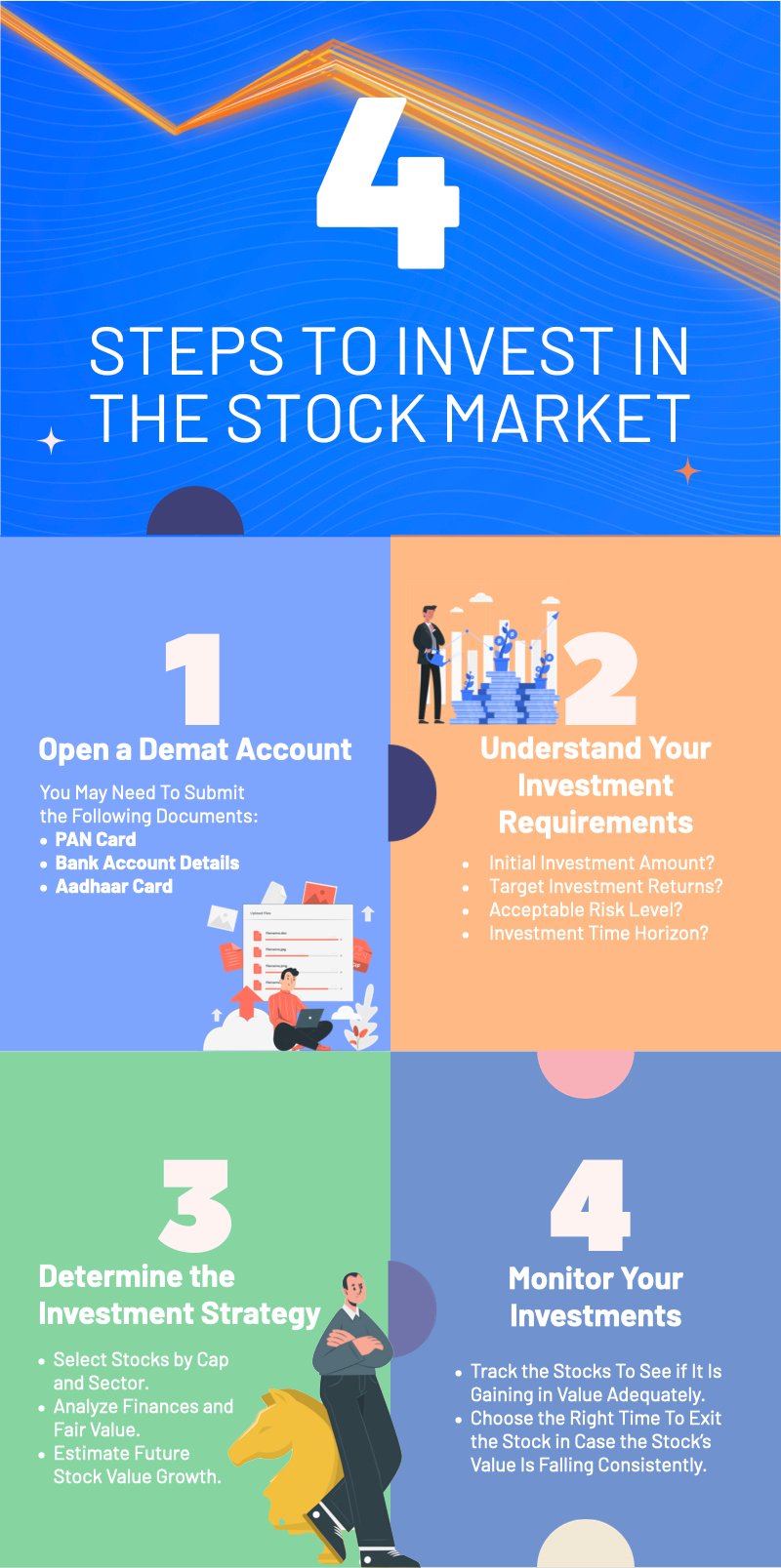
Understanding the Foundations of Share Market Investing
Before diving into the mechanics of buying and selling, it’s crucial to grasp what the share market is and why it functions as it does. This foundational knowledge will serve as your compass in the volatile world of finance.
What is the Share Market?
At its core, the share market, also known as the stock market or equity market, is a public marketplace where shares of publicly traded companies are bought and sold. When you buy a share, you are purchasing a tiny fraction of ownership in that company. This ownership stake gives you certain rights, such as voting on company matters (for common shares) and potentially receiving a portion of the company’s profits in the form of dividends. Companies issue shares to raise capital for expansion, research, or debt repayment. Investors, in turn, buy these shares hoping their value will appreciate over time, or to earn income through dividends.
Why Invest in Shares?
The primary allure of share market investing lies in its potential for significant capital appreciation. Historically, equities have outperformed most other asset classes over the long term, making them an excellent hedge against inflation. Beyond growth, many companies distribute a portion of their earnings to shareholders as dividends, providing a regular income stream. Investing in shares allows you to participate in the economic growth of successful companies and, by extension, the broader economy. It’s a way for your money to work for you, compounding over time to build substantial wealth.
Key Risks Involved
While the rewards can be substantial, it’s imperative to acknowledge the inherent risks. Share prices can be highly volatile, influenced by company performance, industry trends, economic conditions, geopolitical events, and investor sentiment. There’s always the risk of losing capital, especially if you invest without adequate research or panic sell during downturns. Company-specific risks, such as poor management, competitive pressures, or product failures, can also severely impact stock value. Diversification and a long-term perspective are crucial tools for mitigating these risks.
Preparing for Your Investment Journey
Successful investing isn’t just about picking the right stocks; it begins with a robust personal financial foundation and a clear understanding of your objectives. Preparation is paramount to navigating the market confidently.
Defining Your Financial Goals
Before placing a single trade, articulate what you hope to achieve through investing. Are you saving for retirement, a down payment on a house, your children’s education, or simply long-term wealth growth? Your goals will dictate your investment horizon, risk tolerance, and the types of assets you choose. Long-term goals generally allow for higher risk, as there’s more time to recover from market fluctuations, while short-term goals necessitate a more conservative approach. Understanding your risk tolerance – how much volatility you can stomach without losing sleep – is equally vital.
Building a Strong Financial Base
Investing should never come at the expense of financial stability. Ensure you have an emergency fund covering 3-6 months of living expenses readily accessible in a high-yield savings account. This fund prevents you from having to sell investments at an inopportune time should an unexpected expense arise. Furthermore, tackle high-interest debt (like credit card debt) before investing. The guaranteed return from paying off such debt often outweighs potential investment gains, and it frees up cash flow for future investments.
Choosing a Brokerage Account
To invest in the share market, you’ll need a brokerage account. These accounts act as intermediaries, executing trades on your behalf. You have several options:
- Discount Brokers: Offer lower fees and commissions but provide less personalized advice. Ideal for self-directed investors.
- Full-Service Brokers: Provide comprehensive financial planning, research, and personalized recommendations, but come with higher fees. Suitable for those who prefer expert guidance.
Research different brokers based on their fee structure, available investment products, research tools, customer service, and ease of use. Online platforms have made opening and managing accounts increasingly user-friendly.
Strategies for Share Market Investing
Once you’re prepared, the next step involves understanding the various approaches to stock selection and portfolio construction. There’s no one-size-fits-all strategy, but some methodologies are widely recognized.
Fundamental Analysis
Fundamental analysis involves evaluating a company’s intrinsic value by examining its financial statements, management quality, industry position, and economic outlook. Analysts review key metrics such as:
- Earnings Per Share (EPS): A company’s profit divided by the number of outstanding shares.
- Price-to-Earnings (P/E) Ratio: The current share price divided by its EPS, indicating how much investors are willing to pay for each dollar of earnings.
- Balance Sheet: Assets, liabilities, and shareholder equity to assess financial health.
- Income Statement: Revenues, expenses, and profits over a period.
- Cash Flow Statement: How cash is generated and used.
The goal is to identify undervalued companies with strong growth potential, believing that the market will eventually recognize their true worth. This approach is often associated with long-term investing.
Technical Analysis
Technical analysis, in contrast, focuses on studying past market data, primarily price and volume charts, to predict future price movements. Technicians believe that all relevant information is already reflected in the stock’s price, and historical patterns tend to repeat. They use various indicators, such as moving averages, relative strength index (RSI), and MACD, to identify trends, support, and resistance levels. While popular among short-term traders, technical analysis is generally not recommended as the sole strategy for novice long-term investors.
Diversification: The Golden Rule

Diversification is perhaps the most crucial risk management strategy in investing. It involves spreading your investments across various assets, industries, and geographies to reduce the impact of poor performance by any single investment. A diversified portfolio might include:
- Different Industries: Don’t put all your money into tech, energy, or banking.
- Different Asset Classes: While this article focuses on shares, a truly diversified portfolio often includes bonds, real estate, and commodities.
- Different Company Sizes: A mix of large-cap, mid-cap, and small-cap stocks.
- Global Diversification: Investing in companies from different countries can mitigate country-specific economic risks.
Diversification doesn’t eliminate risk, but it helps smooth out returns and protects your portfolio from catastrophic losses in one area.
Long-Term vs. Short-Term Investing
- Long-Term Investing (Buy and Hold): This strategy involves buying quality stocks and holding them for years, sometimes decades, to benefit from compounding returns and company growth. It requires patience and resilience through market downturns. Value investing (buying stocks below their intrinsic value) and growth investing (buying stocks of companies expected to grow rapidly) are common long-term approaches.
- Short-Term Trading: This includes strategies like day trading (buying and selling within the same day) or swing trading (holding for a few days or weeks). Short-term trading is highly speculative, complex, and generally not recommended for beginners due to its high risk and intensive time commitment. For most individuals, especially those new to the market, a long-term, patient approach yields far better results.
Executing and Managing Your Investments
Once you have a strategy, it’s time to put it into action and continuously manage your portfolio. This isn’t a “set it and forget it” process, but rather an ongoing commitment.
Researching Companies
Thorough research is non-negotiable. Don’t rely on hot tips or social media trends.
- Annual Reports (10-K): Available on company investor relations websites or regulatory filings, these provide a detailed overview of financial performance and business strategy.
- Earnings Calls Transcripts: Listen to or read transcripts of quarterly earnings calls where management discusses performance and outlook.
- Financial News Outlets: Reputable sources like The Wall Street Journal, Bloomberg, and Financial Times offer industry insights and company news.
- Competitor Analysis: Understand the competitive landscape and a company’s unique selling proposition.
Look for companies with strong management, sustainable competitive advantages (moats), consistent earnings growth, and reasonable valuations.
Placing Your First Trade
When you’re ready to buy, you’ll typically have two main order types:
- Market Order: Buys or sells immediately at the best available current market price. This guarantees execution but not a specific price.
- Limit Order: Buys or sells only at a specific price or better. This guarantees a price but not execution. For beginners, using limit orders can help control the price you pay. Start small, perhaps with a fractional share or a small number of shares, to get comfortable with the process.
Monitoring Your Portfolio
Regularly review your portfolio, but avoid obsessive daily checking.
- Quarterly or Annually: Assess if your investments are still aligned with your financial goals and risk tolerance.
- Rebalancing: Over time, some assets may grow disproportionately, altering your desired asset allocation. Rebalancing involves selling high-performing assets and buying underperforming ones to restore your target allocation.
- Stay Informed: Keep an eye on the news relevant to your holdings and the broader market without reacting impulsively to every headline.
The Power of Compounding and Reinvestment
Compounding is often called the “eighth wonder of the world.” It’s the process where your investment earnings generate their own earnings. When you reinvest dividends or capital gains, those additional funds also start earning returns, accelerating your wealth accumulation exponentially over time. This power is most evident over long investment horizons, underscoring the benefits of early and consistent investing.
Common Pitfalls and How to Avoid Them
Even experienced investors fall prey to common mistakes. Being aware of these traps can help you steer clear and maintain a rational approach.
Emotional Decision Making
Fear and greed are powerful forces that can lead to irrational investment decisions. Panic selling during market downturns locks in losses, while chasing “hot” stocks during speculative bubbles often leads to buying high and selling low. Develop a disciplined investment plan and stick to it, regardless of short-term market noise. Emotions are often the biggest enemy of a successful investor.
Chasing Hot Stocks
Resist the urge to jump into stocks that have seen massive, rapid gains, especially if you don’t understand the underlying business. These “hot stocks” are often overvalued, and by the time they hit mainstream news, much of the easy money has already been made. Focus on fundamental analysis and long-term value, rather than speculative fads.
Over-Diversification or Under-Diversification
While diversification is crucial, there’s a sweet spot.
- Under-diversification: Holding too few stocks exposes you to excessive company-specific risk.
- Over-diversification: Holding too many stocks can dilute your returns, make it difficult to monitor each holding effectively, and effectively turn your portfolio into a costly index fund. For most individual investors, 15-20 well-researched stocks across different sectors can provide adequate diversification.
Ignoring Fees and Taxes
Fees, no matter how small, can significantly erode your returns over time. Pay attention to brokerage commissions, expense ratios for ETFs/mutual funds, and advisory fees. Similarly, understand the tax implications of your investments. Capital gains taxes and taxes on dividends can impact your net returns. Utilize tax-advantaged accounts (like IRAs or 401ks in the US, or ISAs in the UK) where available to maximize after-tax returns.

Conclusion
Investing in the share market is a journey, not a sprint. It demands patience, continuous learning, and a disciplined approach. By understanding the fundamentals, preparing your finances, developing a sound strategy, and consistently managing your portfolio while avoiding common pitfalls, you can harness the power of the market to achieve your financial goals. Start small, learn from every experience, and remember that consistent, well-thought-out investments over the long term are the true keys to building lasting wealth. The share market is a powerful tool for financial growth, but like any powerful tool, it requires respect, knowledge, and careful handling.
aViewFromTheCave is a participant in the Amazon Services LLC Associates Program, an affiliate advertising program designed to provide a means for sites to earn advertising fees by advertising and linking to Amazon.com. Amazon, the Amazon logo, AmazonSupply, and the AmazonSupply logo are trademarks of Amazon.com, Inc. or its affiliates. As an Amazon Associate we earn affiliate commissions from qualifying purchases.