
The seemingly simple question, “what temperature is a stove on medium heat?”, belies a complex interplay of physics, engineering, and user experience that has driven technological innovation in kitchen appliances for centuries. In an era dominated by smart homes and precision technology, the concept of “medium heat” is no longer just an arbitrary dial setting but a frontier for sophisticated sensors, AI algorithms, and integrated digital ecosystems. This article explores how modern technology is transforming our understanding and control of stove temperatures, moving beyond guesswork to offer unprecedented consistency, efficiency, and culinary mastery.

The Elusive “Medium Heat”: A Historical Perspective on Kitchen Technology
For generations, “medium heat” has been a subjective instruction, a culinary touchstone passed down through recipes with varying degrees of success. Its true temperature has always been a moving target, dependent on the stove’s type, age, and even the pan’s material. The journey from rudimentary cooking fires to today’s advanced ranges highlights a persistent quest for control over this fundamental cooking variable.
From Open Flames to Analog Dials: Early Attempts at Control
Before the advent of modern kitchen appliances, controlling cooking temperature was a primitive art. Open hearths and wood-burning stoves offered little in the way of precise heat regulation, relying on the cook’s intuition to manage fuel, airflow, and food placement. The introduction of gas and electric stoves marked a significant technological leap. These early models, however, still relied on analog dials marked with ambiguous terms like “low,” “medium,” and “high.” These labels were more suggestions than precise measurements, corresponding to a range of gas flow rates or electrical resistance rather than specific temperatures. This ambiguity was a significant hurdle for consistent cooking, often leading to scorched sauces or undercooked proteins.
The Inherent Inconsistency of Traditional Stoves
Traditional electric coil or radiant glass-top stoves, while more convenient than their predecessors, suffered from inherent inconsistencies. Electric coils heat up and cool down slowly, leading to thermal inertia. Turning the dial from “high” to “medium” didn’t instantly drop the temperature; rather, it initiated a gradual descent, often overshooting the desired medium range before settling. Similarly, gas burners, while offering more immediate response, still varied widely in their output based on gas pressure, burner size, and even atmospheric conditions. The lack of direct temperature feedback meant cooks were constantly guessing, relying on visual cues like flame height or the intensity of a glow, which are notoriously unreliable indicators of actual cooking surface temperature. This fundamental technological limitation meant that “medium heat” could fluctuate by tens, or even hundreds, of degrees Fahrenheit between different appliances, or even on the same appliance over time.
The Home Cook’s Dilemma: Interpreting Vague Settings
For the average home cook, deciphering “medium heat” became an exercise in trial and error. Recipes, often developed on professional-grade equipment, rarely translated perfectly to domestic stoves. Achieving a perfect sear, a gentle simmer, or a consistent sauté required an intimate understanding of one’s specific stove’s quirks, developing a “feel” that only came with extensive practice. This experience barrier highlighted a significant gap in kitchen technology: the inability to provide actionable, precise temperature information. Without knowing the actual temperature, reproducing culinary successes consistently remained a challenge, underscoring the need for more intelligent and responsive cooking systems.
Precision Redefined: The Rise of Smart Kitchen Appliances
The digital revolution has brought unprecedented precision to the kitchen, fundamentally redefining what “medium heat” means. Modern stove technology integrates advanced sensors, digital controls, and innovative heating methods to achieve levels of accuracy and consistency previously unattainable in domestic settings.
Digital Controls and Temperature Sensors: A New Era of Accuracy
The most significant advancement in demystifying “medium heat” has been the integration of digital controls and sophisticated temperature sensors. Instead of vague analog dials, many contemporary electric and induction stoves feature digital interfaces that allow users to select specific power levels or even target temperatures. These systems employ embedded thermocouples or thermistors that constantly monitor the cooking surface or the internal temperature of the pot. This real-time feedback loop enables the stove’s control system to adjust heating elements dynamically, maintaining the desired temperature with remarkable precision. For instance, a “medium” setting on a smart stove might correspond to an internal logic that targets a range of 275-325°F (135-163°C), actively modulating power to stay within that window, regardless of external factors. This direct measurement and active regulation represent a quantum leap from the passive, open-loop systems of the past.
Induction Technology: Bridging the Gap to Instantaneous Control
Induction cooktops stand at the forefront of this temperature control revolution. Unlike gas or traditional electric stoves that heat a burner which then transfers heat to the pan, induction technology uses electromagnetic fields to directly heat the ferromagnetic material of the cookware itself. This means heat is generated within the pot or pan, rather than radiating from an external source. The technological implications are profound:
-
Instantaneous Response: Adjusting the power setting on an induction cooktop leads to an almost immediate change in the pan’s temperature. This eliminates the thermal inertia inherent in other stove types, allowing for precise, on-the-fly adjustments.
-
Energy Efficiency: Because heat is generated directly in the cookware, minimal energy is lost to the surrounding air, making induction incredibly energy-efficient.
-
Enhanced Safety: The cooktop surface itself does not get hot (only residual heat from the pan), reducing the risk of burns.
For a “medium heat” setting, an induction stove can deliver incredibly stable and consistent energy to the pan, making it much easier to hold a specific temperature for tasks like simmering delicate sauces or perfectly crisping ingredients without burning.
The Promise of Uniform Heat Distribution
Beyond just maintaining a specific temperature, modern stove technology also addresses the challenge of uniform heat distribution. Traditional burners often create “hot spots,” where certain areas of the pan receive more intense heat than others. Advanced electric and induction cooktops feature more intelligently designed heating elements and magnetic fields that distribute energy across the entire cooking surface more evenly. Some high-end models even offer pan-detection technology that adapts the heating zone to the size and shape of the cookware, further optimizing heat distribution. This technological advancement ensures that whether you’re browning ground meat or simmering a large pot of stew, every part of the food receives consistent “medium heat,” leading to superior and more predictable culinary outcomes.
AI, IoT, and the Future of Temperature Management
The integration of Artificial Intelligence (AI) and the Internet of Things (IoT) is poised to take stove temperature management beyond mere precision, moving towards predictive, adaptive, and fully automated cooking experiences. The “medium heat” of tomorrow will be intelligent, context-aware, and seamlessly integrated into our digital lives.
Predictive Algorithms for Optimal Cooking Zones
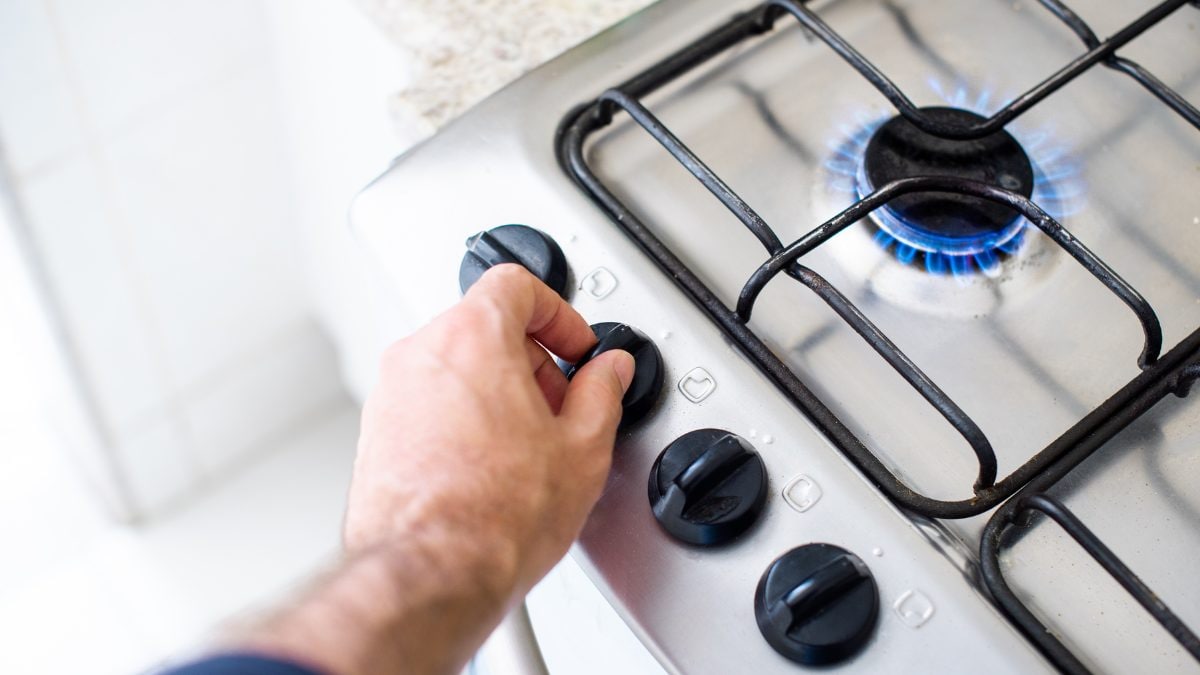
Future smart stoves, powered by AI, won’t just react to temperature changes; they will anticipate them. Through machine learning, these appliances can analyze cooking data—such as ingredient type, volume, desired doneness, and even ambient kitchen temperature—to predict the optimal “medium heat” setting and duration required. Imagine a stove that learns your cooking habits, recognizing when you’re searing a steak versus gently warming milk, and autonomously adjusting its power output to achieve the perfect medium heat for each task. These predictive algorithms will optimize energy usage, minimize temperature fluctuations, and elevate consistency, making the concept of a “perfect medium heat” achievable with minimal user intervention.
Integrated Smart Home Ecosystems and Recipe Automation
The true power of IoT comes from connectivity. Smart stoves are becoming integral components of a larger smart home ecosystem. They can communicate with smart refrigerators to suggest recipes based on available ingredients, with smart range hoods to automatically adjust ventilation based on cooking intensity, and even with smart thermometers embedded in cookware. This interconnectedness enables comprehensive recipe automation. A user might select a recipe on a tablet, and the smart stove automatically sets the initial “medium heat,” adjusts it as instructed by the recipe’s stages, and even sends notifications when it’s time to add ingredients or flip food. This transforms “medium heat” from a manual setting into a dynamically managed process, guided by a digital intelligence that understands the entire cooking workflow.
Remote Monitoring and Adaptive Adjustments
IoT-enabled stoves also offer unprecedented remote monitoring capabilities. Users can check the status of their cooking, adjust temperatures, or even preheat their ovens from their smartphones, whether they’re in another room or across town. This is particularly useful for dishes requiring long simmering times at a consistent “medium heat.” If a sensor detects an anomaly or an unexpected temperature deviation, the system can send an alert and even suggest or automatically implement corrective actions. This adaptive adjustment capability ensures that even when unsupervised, the cooking process adheres strictly to the desired parameters, guaranteeing that “medium heat” is maintained precisely for the duration required.
Beyond the Burner: Impact on Culinary Outcomes and Energy Efficiency
The technological advancements in stove temperature control have far-reaching implications, extending beyond mere convenience to significantly impact the quality of food, the sustainability of our kitchens, and the overall user experience.
Elevating Culinary Artistry Through Consistent Heat
For professional chefs and home cooks alike, consistent and precise temperature control is the cornerstone of great cooking. Knowing that “medium heat” truly delivers a stable 300°F (149°C), for instance, allows for greater confidence in recipe execution. Delicate sauces won’t break, perfectly seared meats will develop a beautiful crust without overcooking the interior, and simmered dishes will develop richer flavors without scorching. This technological certainty empowers cooks to experiment with more complex recipes, achieve professional-grade results consistently, and ultimately elevate their culinary artistry. The guesswork is removed, replaced by predictable, repeatable outcomes.
Smart Energy Consumption: A Sustainable Approach
Traditional stoves are notoriously inefficient. Gas stoves release heat into the kitchen air, and electric coils generate a significant amount of radiant heat that doesn’t reach the cookware. Induction technology, by directly heating the pan, dramatically reduces energy waste. Furthermore, smart stoves with temperature sensors and AI can optimize energy consumption by precisely regulating power output. They only use the exact amount of energy needed to maintain the desired “medium heat,” avoiding unnecessary bursts of high power. This focus on efficiency contributes to lower household energy bills and a reduced carbon footprint, making smart kitchens a vital component of a sustainable lifestyle. The precision of modern temperature control is not just about better cooking; it’s about smarter, greener cooking.
Enhanced Safety Features and User Experience
Technological advancements in stove design also bring significant safety benefits. Induction cooktops, as mentioned, are cooler to the touch, minimizing burn risks. Smart stoves can feature automatic shut-off functions if a pot boils dry or if left unattended for an extended period. Integrated sensors can detect spills and automatically reduce heat or shut off the burner. From a user experience perspective, these intelligent features simplify cooking, reduce stress, and provide peace of mind. The ability to program a precise “medium heat” for a specific duration, receive alerts, and even remotely control the appliance transforms the cooking process from a potentially hazardous chore into an intuitive, enjoyable, and safe activity.
The Road Ahead: Innovations Shaping Tomorrow’s Kitchen
The evolution of stove technology is far from over. The quest for the perfect “medium heat” continues to drive innovation, promising even more sophisticated, personalized, and integrated cooking experiences in the future.
Material Science and Self-Regulating Surfaces
Future advancements in material science could lead to cooking surfaces that are inherently more temperature-responsive and self-regulating. Imagine stove tops embedded with smart alloys or composite materials that passively maintain a specific “medium heat” range without constant electronic intervention, or surfaces that change conductivity based on the type of cookware. This could simplify design, improve durability, and offer even more uniform heat distribution, reducing the reliance on complex digital systems for basic temperature control while still offering an intelligent core.
Personalized Cooking Profiles and Learning Appliances
As AI becomes more sophisticated, future stoves will likely develop highly personalized cooking profiles. These appliances will learn individual preferences for doneness, browning, and cooking styles, adapting “medium heat” settings to personal tastes. A smart stove might know that one user prefers their eggs cooked at a slightly lower “medium” than another, or that a specific recipe requires a unique heat curve. These learning algorithms will turn the stove into a truly personalized culinary assistant, anticipating needs and making precise temperature adjustments to match individual dietary requirements and palates.

Accessibility and Inclusivity in Smart Stove Design
Finally, the future of stove technology will also focus on enhanced accessibility and inclusivity. Voice-activated controls, simplified interfaces for users with varying digital literacy levels, and adaptive settings for different physical abilities will become standard. The goal is to make the precision of “medium heat” accessible to everyone, ensuring that the benefits of advanced temperature control are not limited to tech-savvy individuals but enhance the cooking experience for a broader, more diverse user base.
In conclusion, “what temperature is a stove on medium heat?” is a question whose answer has evolved dramatically with technological progress. From a vague instruction, it has transformed into a precise, measurable, and increasingly intelligent parameter, thanks to digital controls, induction technology, AI, and IoT. As we look to the future, stoves will continue to push the boundaries of precision, efficiency, and user experience, promising a culinary landscape where perfect “medium heat” is not just an aspiration, but a consistent reality.
aViewFromTheCave is a participant in the Amazon Services LLC Associates Program, an affiliate advertising program designed to provide a means for sites to earn advertising fees by advertising and linking to Amazon.com. Amazon, the Amazon logo, AmazonSupply, and the AmazonSupply logo are trademarks of Amazon.com, Inc. or its affiliates. As an Amazon Associate we earn affiliate commissions from qualifying purchases.