
The seemingly simple question, “what temperature for boneless pork chops,” unlocks a fascinating dialogue not just about culinary technique, but about the profound impact of technology on our everyday lives – even in the kitchen. For centuries, cooking has relied on intuition, experience, and sometimes, educated guesswork. Achieving the perfect internal temperature for meats, especially cuts like boneless pork chops, was a rite of passage, often leading to either dry, overcooked results or, worse, undercooked and unsafe dishes. Today, however, the digital revolution has extended its reach to our stoves and ovens, transforming the art of cooking into a science, empowered by precision tools, smart appliances, and intelligent software.
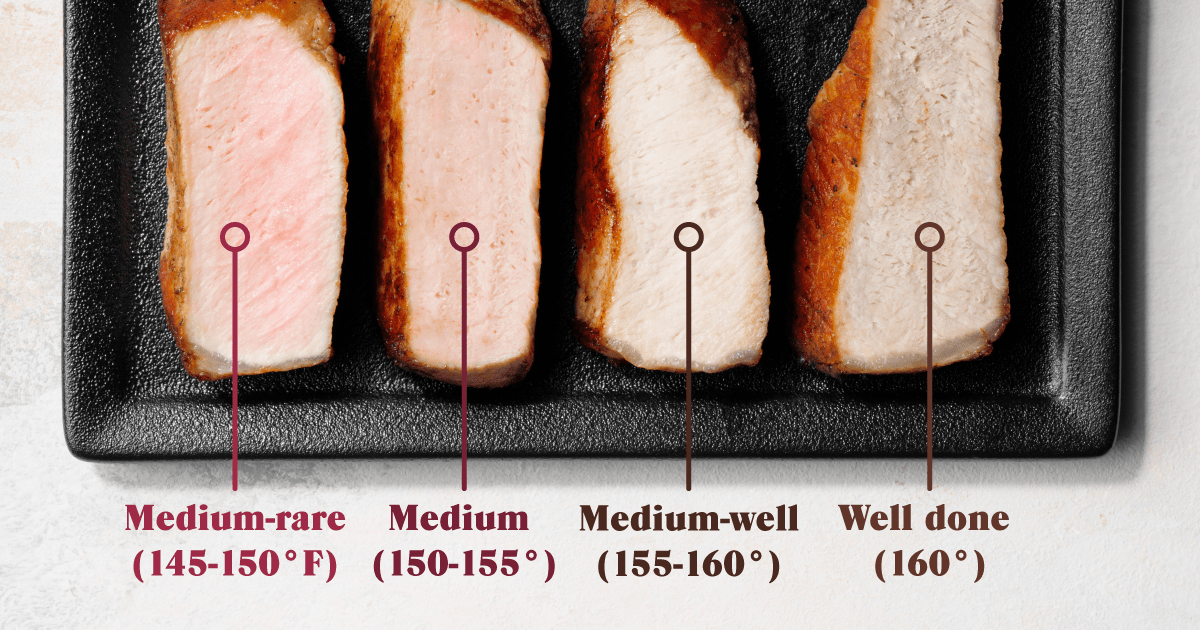
This article delves into how modern technology provides unprecedented control and insight into the cooking process, ensuring that boneless pork chops are consistently cooked to a state of succulent perfection and food safety. We’ll explore the gadgets, apps, and systems that have become indispensable allies for home cooks and professional chefs alike, redefining what it means to master the heat. From sophisticated digital thermometers to AI-powered ovens, the quest for the ideal pork chop temperature is now a testament to technological advancement, offering not just convenience but a gateway to a superior gastronomic experience.
The Science of Perfect Pork: Why Temperature Matters
Before diving into the technological solutions, it’s crucial to understand the fundamental principles that make precise temperature control so vital for boneless pork chops. It’s not just about a number; it’s about food safety, texture, and flavor—a complex interplay that technology helps us orchestrate.
Understanding Internal Temperature for Safety and Tenderness
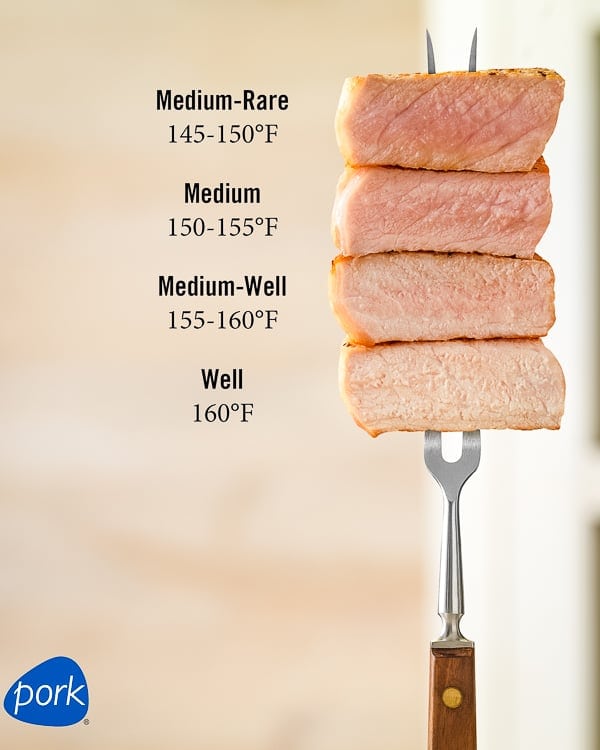
The primary reason for monitoring the internal temperature of any meat, especially pork, is food safety. The USDA recommends a minimum internal temperature of 145°F (63°C) for whole cuts of pork, followed by a three-minute rest. This temperature is sufficient to kill harmful bacteria like Trichinella spiralis, which historically made pork a more cautious choice. Modern farming practices have significantly reduced these risks, making the 145°F benchmark not only safe but also optimal for tenderness.
However, food safety is only half the story. Pork, particularly lean boneless chops, is notoriously easy to overcook. At higher temperatures, muscle fibers contract excessively, squeezing out precious moisture and resulting in a dry, tough chop. Reaching precisely 145°F, and then allowing the chop to rest, ensures that the meat remains juicy and tender. The resting period allows the juices, which have been driven to the center by the heat, to redistribute throughout the meat, maximizing succulence. Achieving this delicate balance consistently, without the aid of technology, requires significant experience and a keen sense of timing.
The Maillard Reaction and Flavor Development
While internal temperature dictates safety and tenderness, surface temperature and cooking duration contribute to the Maillard reaction—a chemical process responsible for the desirable browning and complex flavors in cooked foods. This reaction occurs when amino acids and reducing sugars in the meat react under heat, creating hundreds of new flavor compounds and a rich, appealing crust.
Technology assists here by allowing cooks to maintain the perfect external conditions (e.g., pan temperature, oven temperature) while monitoring the internal progression. A high initial sear, facilitated by accurate temperature feedback from a cooking surface sensor, can kickstart the Maillard reaction quickly. Subsequently, precise oven temperatures, controlled by smart thermostats, ensure the interior cooks evenly without burning the exterior. The interplay between internal doneness and external caramelization is what truly elevates a pork chop from merely edible to exceptionally delicious.
Common Pitfalls of Analog Cooking
In the absence of reliable technological tools, cooks often fall victim to several common pitfalls. These include relying on visual cues (which can be misleading for pork), cutting into the meat to check for doneness (releasing juices and drying out the chop), or simply guessing based on cooking time (which varies wildly depending on thickness, initial temperature, and heat source). Each of these methods introduces significant variability and risk, making consistent perfection an elusive goal. This is precisely where modern tech steps in, transforming guesswork into granular data and intuitive decision-making.
Smart Thermometers: Your Digital Sous-Chef
The most direct and perhaps most impactful technological intervention in achieving perfect pork chop temperatures comes in the form of smart thermometers. These devices transcend their analog predecessors, offering accuracy, connectivity, and intelligence that revolutionize temperature monitoring.
Types of Smart Thermometers: Probe vs. Infrared
Smart thermometers primarily come in two forms: probe and infrared.
Probe thermometers are inserted directly into the thickest part of the meat, providing a continuous, real-time reading of the internal temperature. They are essential for monitoring doneness throughout the cooking process. Modern smart probes are often wireless, connecting via Bluetooth or Wi-Fi to a smartphone or dedicated hub.
Infrared thermometers, while not suitable for internal temperature, are invaluable for measuring surface temperatures—of a pan, grill grate, or oven surface. This allows cooks to ensure optimal searing conditions for the Maillard reaction, preventing hot spots or insufficient heat that can lead to uneven browning. The combination of both types offers a comprehensive thermal overview of the cooking environment and the food itself.
Bluetooth and Wi-Fi Connectivity: Real-Time Monitoring
The “smart” in smart thermometers primarily refers to their connectivity. Instead of constantly opening the oven or grill lid (which causes temperature fluctuations), cooks can monitor the internal temperature of their pork chops remotely. Bluetooth models offer a reliable connection within a moderate range, ideal for home kitchens. Wi-Fi enabled thermometers extend this range significantly, allowing cooks to step away from the kitchen entirely, receive alerts, and check progress from anywhere with an internet connection. This real-time, hands-free monitoring is a game-changer, preventing temperature overshoots and ensuring precision without constant vigilance. Many models also offer multiple probes, allowing simultaneous monitoring of different cuts or types of meat.
App Integration: Presets, Alarms, and Cooking Logs
Connectivity becomes truly powerful when paired with intuitive smartphone applications. These apps transform raw temperature data into actionable insights.
Presets for various meats and doneness levels (e.g., “Pork Chop, Medium-Well”) eliminate the need to memorize specific temperatures. The app automatically sets the target temperature.
Alarms notify the user when the target temperature is approaching or has been reached, preventing overcooking. Some advanced apps even offer predictive algorithms that estimate remaining cooking time based on current temperature trends.
Cooking logs store data from previous cooks, allowing users to review what worked best, track consistency, and refine their techniques over time. This data-driven approach to cooking is a hallmark of modern culinary tech.
Beyond Pork Chops: Versatility in the Smart Kitchen
The utility of smart thermometers extends far beyond boneless pork chops. They are indispensable for roasting whole chickens, smoking briskets, grilling steaks, or even making candy. Their versatility makes them a cornerstone of any tech-enabled kitchen, providing precise temperature control across a vast array of culinary applications. Investing in a quality smart thermometer is investing in consistent cooking success for virtually any recipe requiring internal temperature monitoring.
Precision Cooking with Smart Ovens and Appliances
While smart thermometers offer crucial insights, smart ovens and other integrated appliances take precision cooking a step further by actively controlling the heating environment, often responding to thermometer data.
Convection Ovens with Integrated Probes

Many high-end smart convection ovens now come equipped with integrated meat probes. These probes communicate directly with the oven’s control system, allowing the oven to automatically adjust its temperature or even shut off once the target internal temperature is reached. This level of automation removes human error from the equation, ensuring a perfect cook every time. Convection technology itself contributes to even cooking by circulating hot air, making it an ideal environment for boneless pork chops, which benefit from uniform heat distribution. The combination of convection and an integrated probe creates an optimal cooking system.
Sous Vide for Unparalleled Juiciness
For ultimate control over internal temperature and unparalleled juiciness, sous vide (French for “under vacuum”) cooking reigns supreme. This method involves vacuum-sealing food and cooking it in a precisely temperature-controlled water bath. Smart sous vide circulators maintain water temperature with an accuracy of tenths of a degree, meaning a pork chop can be held at exactly 145°F for an extended period without ever overcooking. This results in incredibly tender and uniformly cooked meat from edge to edge. While requiring an additional searing step for the Maillard reaction, sous vide ensures that the internal temperature is perfectly managed, making it a favorite technique for those prioritizing tenderness. Smart sous vide devices often connect to apps, allowing remote control and recipe guidance.
Air Fryers and Multi-Cookers with Temperature Control
The popularity of air fryers and multi-cookers (like instant pots) has also brought advanced temperature control to countertop appliances. While not always equipped with integrated probes, many feature highly accurate digital thermostats and programmed cooking cycles. These devices allow for precise temperature settings and often include preset functions for various meats. For boneless pork chops, an air fryer can achieve a crispy exterior while the precise temperature control helps prevent the interior from drying out. Integrating these appliances into a smart home ecosystem further enhances their utility, allowing for scheduled cooking and remote adjustments.
Future Trends: AI-Powered Cooking Systems
Looking ahead, the next frontier in precision cooking involves artificial intelligence. AI-powered ovens and smart cooking systems are emerging, capable of not only maintaining precise temperatures but also learning from past cooking data, adjusting settings based on food type, weight, and desired doneness. Some prototypes even feature visual recognition to identify the food being cooked and recommend optimal settings. Imagine placing a pork chop in an oven, and the oven autonomously determining the best temperature profile and cooking duration to achieve your preferred doneness, all while ensuring food safety. This level of automation promises to make culinary perfection accessible to everyone, regardless of their cooking skill.
Software and Apps: Guiding Your Culinary Journey
Beyond hardware, the software ecosystem plays a critical role in leveraging technology for perfect pork chops. Dedicated apps and integrated platforms provide the intelligence and user interface necessary to make these complex technologies user-friendly and highly effective.
Recipe Apps with Integrated Temperature Guides
Many modern recipe apps go beyond ingredient lists and instructions, incorporating smart temperature guidance. They might sync with your smart thermometer or oven, displaying the target temperature for your boneless pork chops directly in the recipe view. Some apps even offer step-by-step guidance that dynamically adjusts based on real-time temperature readings, telling you exactly when to flip, when to rest, and when the dish is ready. This integration transforms a passive recipe into an interactive cooking assistant.
Predictive Cooking Algorithms
Advanced apps employ predictive cooking algorithms. These algorithms analyze the current internal temperature, the rate of temperature increase, and the target temperature to estimate the remaining cooking time. This is particularly useful for larger cuts of meat, but even for boneless pork chops, it offers valuable insight, allowing cooks to better time side dishes and complete their meal preparations simultaneously. This predictive capability reduces stress and eliminates the need for constant guesswork about readiness.
Smart Kitchen Ecosystems: Syncing Devices
The ultimate expression of technological integration is the smart kitchen ecosystem. Here, multiple devices—smart thermometers, smart ovens, smart multi-cookers, and even smart range hoods—communicate with each other and a central app. You might set your pork chop to cook in the smart oven, with the thermometer relaying data to the app, which then tells your smart range hood to automatically adjust its fan speed based on smoke levels. This interconnectedness streamlines the entire cooking process, creating a harmonious and efficient kitchen environment where devices work in concert to achieve culinary goals, including the perfect pork chop temperature.
Digital Security in the Connected Kitchen
As with any connected technology, digital security is paramount. Smart kitchen devices collect data, communicate over networks, and can potentially be accessed remotely. It’s important for users to understand the privacy policies of their connected appliances and apps, use strong, unique passwords, and ensure their home network is secure. Manufacturers also bear the responsibility of implementing robust security measures to protect user data and prevent unauthorized access to kitchen appliances. As our kitchens become smarter, the need for secure digital practices grows proportionally.
The Future of Pork Chop Perfection: Emerging Technologies
The evolution of cooking technology is relentless, promising even more innovative ways to achieve culinary excellence, with the humble boneless pork chop often serving as the perfect test case for precision and flavor.
Haptic Feedback and Augmented Reality in Cooking
Imagine a future where a smart pan vibrates or a smart cutting board lights up to indicate the perfect searing temperature. Haptic feedback, combined with augmented reality (AR) overlays projected onto your cooking surface, could provide real-time visual and tactile guidance. An AR system might highlight the exact spot on your pork chop where the thermometer probe should be inserted or show a virtual thermometer graphic directly on the meat, indicating its internal temperature without a physical probe. This immersive technology could make cooking more intuitive and error-proof.
Sustainable Practices Through Smart Appliance Use
Beyond precision, smart appliances contribute to sustainability. By accurately monitoring temperature and cooking times, they reduce energy waste from overcooking or prolonged heating. Some smart ovens can optimize preheating cycles, and features like precise portioning in smart scales can minimize food waste. As technology becomes more integrated, it can help cooks make more environmentally conscious choices, from reducing energy consumption to optimizing ingredient use, thus making the preparation of that perfect pork chop a greener endeavor.
Personalized Cooking Profiles and AI Chefs
The ultimate frontier could be personalized cooking profiles and AI chefs. Imagine an AI that learns your family’s preferences for pork chop doneness, crispiness, and seasoning, then autonomously adjusts cooking parameters across all your smart appliances to consistently deliver bespoke results. These AI chefs could also suggest recipes tailored to your dietary needs and available ingredients, guiding you through the process with dynamic, real-time adjustments based on your cooking style and the specific properties of your food. The question “what temperature for boneless pork chops?” might one day be answered by an AI that knows your precise preference and perfectly executes it every time.
In conclusion, the journey from traditional guesswork to technological precision in cooking boneless pork chops is a testament to how innovation permeates every aspect of our lives. From the humble smart thermometer to the sophisticated AI-powered kitchen, technology empowers us to achieve consistent culinary perfection, ensuring food safety, maximizing flavor, and elevating the simple act of cooking into a refined, data-driven art form. The future promises even more exciting developments, making the quest for the ideal pork chop not just achievable, but a truly insightful and engaging experience.
aViewFromTheCave is a participant in the Amazon Services LLC Associates Program, an affiliate advertising program designed to provide a means for sites to earn advertising fees by advertising and linking to Amazon.com. Amazon, the Amazon logo, AmazonSupply, and the AmazonSupply logo are trademarks of Amazon.com, Inc. or its affiliates. As an Amazon Associate we earn affiliate commissions from qualifying purchases.