
The question of “what temperature does mold grow” is a fundamental one for understanding and preventing the ubiquitous presence of fungi in our indoor environments. While the biological answer involves a range of temperatures conducive to fungal proliferation, from a technological standpoint, this query leads us to explore how we can leverage advanced tools and systems to monitor, manage, and ultimately mitigate the conditions that foster mold growth. This article delves into the technological solutions that empower homeowners, facility managers, and even researchers to stay ahead of mold, transforming passive awareness into proactive control.
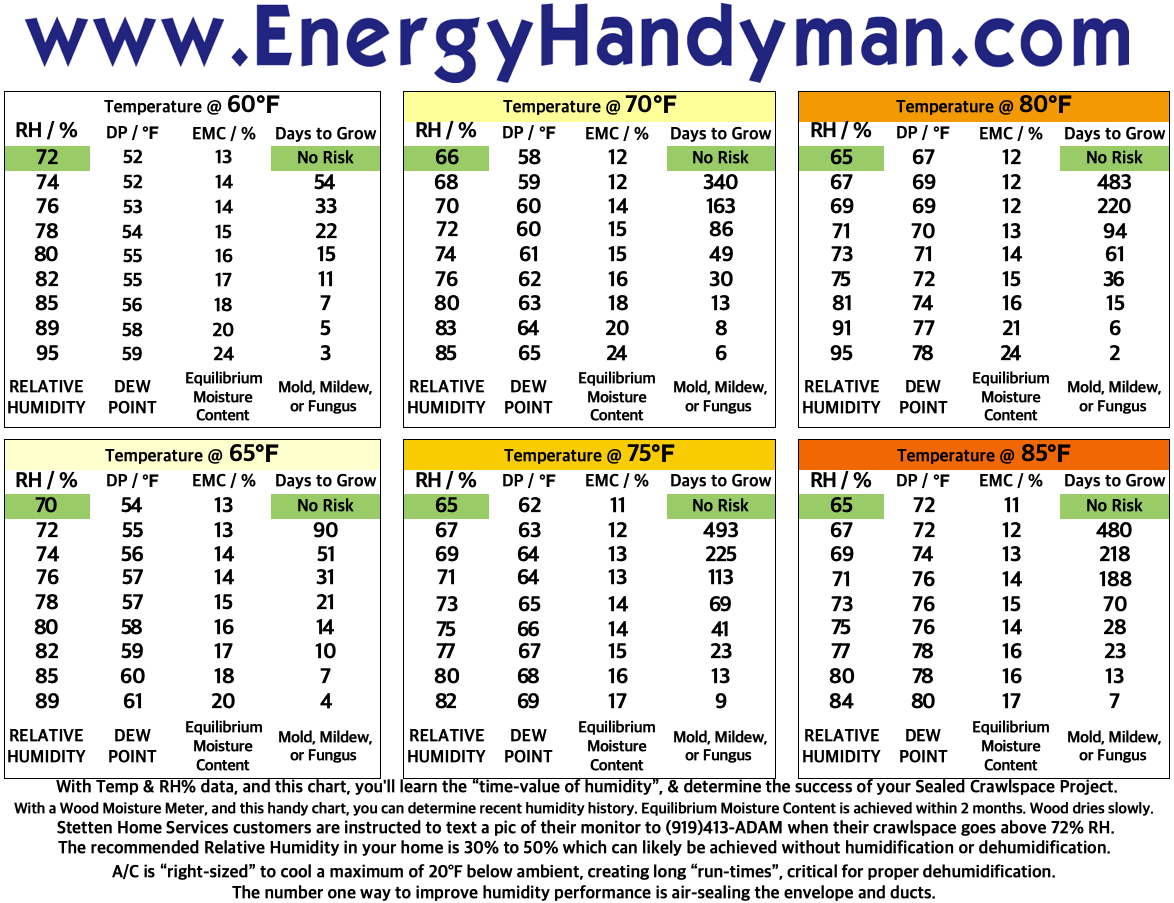
Understanding the Environmental Factors: Beyond Temperature
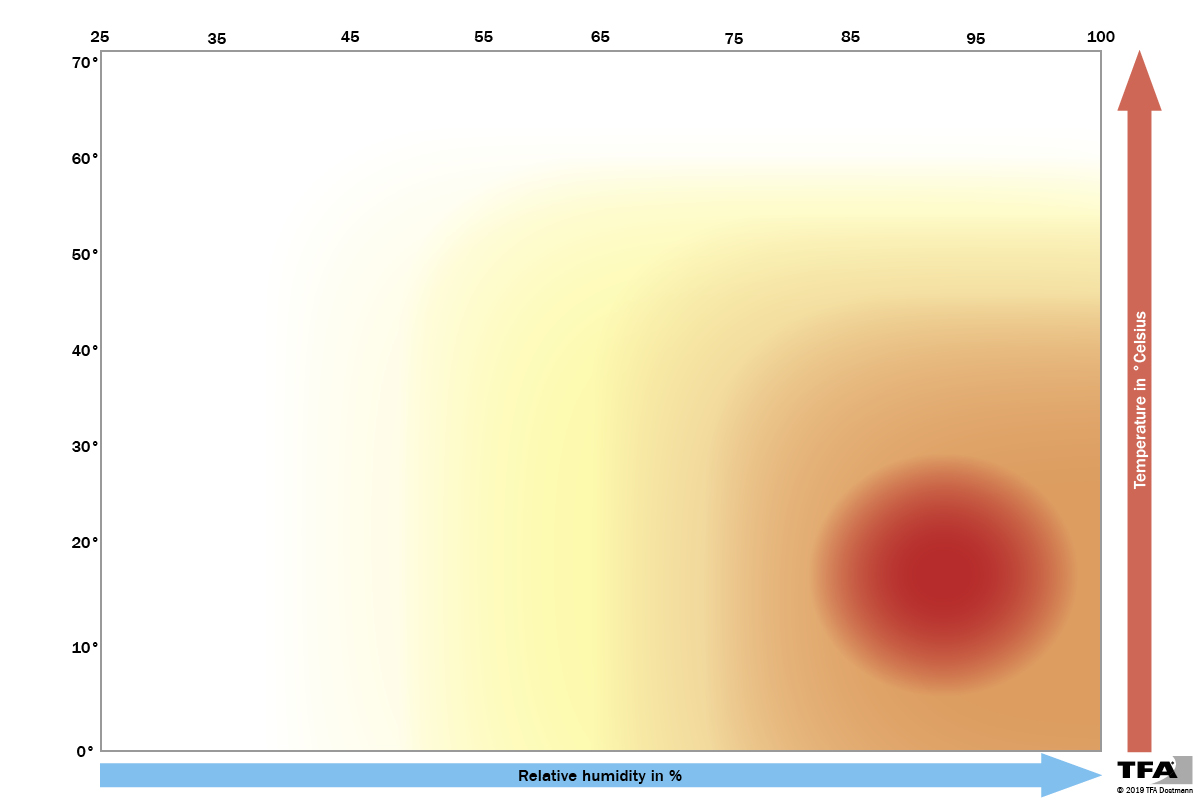
While temperature is a critical factor influencing mold growth, it is rarely the sole determinant. Mold, being a living organism, thrives on a complex interplay of environmental conditions. Technological solutions are increasingly being developed to monitor these multifaceted factors, providing a more holistic understanding of mold risk.
Humidity: The Unsung Hero of Mold Proliferation
Often more influential than temperature alone, relative humidity (RH) creates the moisture-rich environments where mold spores can germinate and thrive. Technologies capable of precisely measuring and monitoring humidity levels are crucial in predicting and preventing mold outbreaks.
Smart Hygrometers and Environmental Sensors
The advent of smart home technology has brought sophisticated environmental monitoring directly into our living spaces. Wireless hygrometers, often integrated into multi-sensor devices, can continuously track RH levels. These devices communicate data wirelessly to a central hub or directly to a user’s smartphone, providing real-time insights and historical data. Advanced systems can even learn patterns in humidity fluctuations, such as those occurring after showering or cooking, and alert users to potentially problematic trends before visible mold appears.
Integrated Building Management Systems (BMS)
For larger commercial and residential buildings, Building Management Systems offer a comprehensive approach to environmental control. These sophisticated platforms integrate data from a multitude of sensors, including those for temperature, humidity, CO2 levels, and air pressure. By analyzing this integrated data, BMS can identify areas with consistently high humidity, pinpoint potential sources of moisture ingress, and even automatically adjust HVAC systems to optimize ventilation and dehumidification, thereby creating environments less conducive to mold growth. The proactive nature of these systems shifts the focus from reacting to mold problems to preventing them through intelligent environmental management.
Airflow and Ventilation: The Technologically Managed Breath of Fresh Air
Stagnant air, coupled with elevated humidity, provides a perfect breeding ground for mold. Effective ventilation is paramount, and technology plays a significant role in optimizing airflow and ensuring adequate air exchange.
Smart Ventilation Systems and Energy Recovery Ventilators (ERVs)
Modern ventilation systems are far more intelligent than their predecessors. Smart ventilation fans can be programmed to operate based on schedules, occupancy detection, or, crucially, real-time humidity and CO2 levels. Energy Recovery Ventilators (ERVs) and Heat Recovery Ventilators (HRVs) are particularly noteworthy technologies. These systems not only bring in fresh outdoor air but also transfer heat and, in the case of ERVs, moisture between the incoming and outgoing air streams. This process of air exchange reduces the energy penalty of ventilation while simultaneously managing indoor humidity, making them an indispensable tool in mold prevention strategies. Automated control of these systems, often through smart home apps or BMS, allows for continuous optimization of indoor air quality.
Air Quality Monitors and IoT Devices
Beyond basic ventilation, advanced air quality monitors, often utilizing Internet of Things (IoT) technology, can detect airborne mold spores, volatile organic compounds (VOCs) emitted by mold, and other particulate matter. While these devices may not directly measure the temperature for mold growth, they provide direct evidence of its presence or the environmental conditions that support it. Alerts generated by these monitors can prompt users to investigate potential moisture issues or activate specific ventilation protocols.
Data-Driven Insights: Leveraging Technology for Predictive Mold Management
The sheer volume of environmental data collected by modern sensors offers unprecedented opportunities for predictive mold management. By analyzing trends and patterns, technology can move beyond reactive measures to anticipate and mitigate mold risks before they manifest.
The Role of Machine Learning and AI
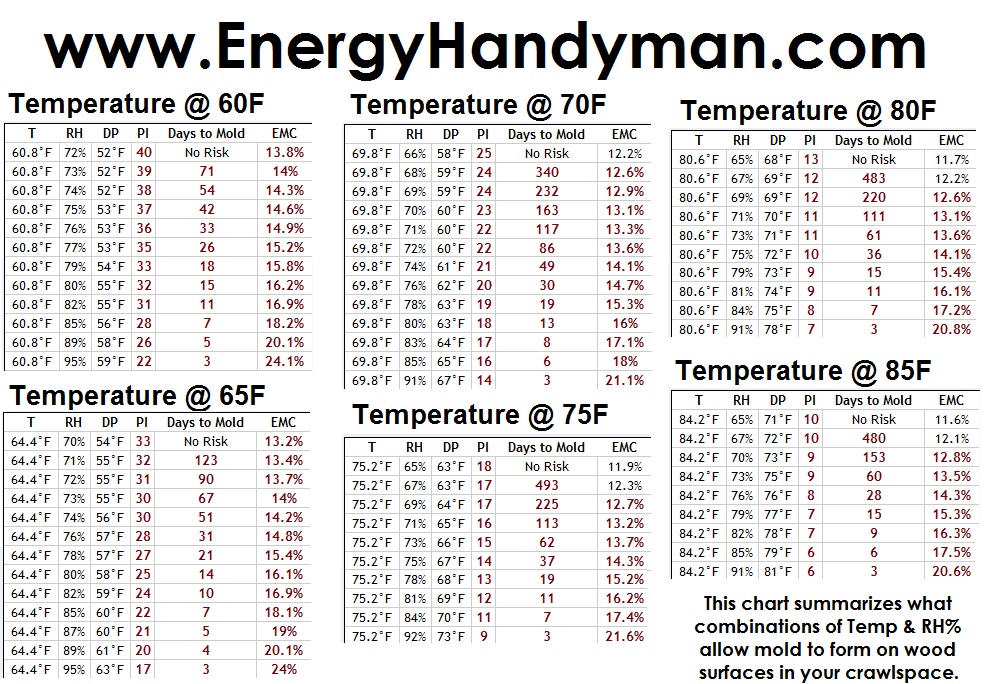
Machine learning algorithms are increasingly being employed to analyze the vast datasets generated by environmental sensors. By learning from historical data, including weather patterns, building occupancy, and past mold incidents, AI can develop sophisticated models to predict areas and times of high mold risk.
Predictive Analytics for Building Maintenance
For facility managers, AI-powered predictive analytics can forecast when and where mold is most likely to become an issue. This allows for targeted inspections and proactive remediation efforts, saving significant costs and preventing widespread contamination. For instance, an AI might identify that a specific room consistently experiences elevated humidity after rainy periods, prompting an early inspection for leaks or condensation issues. This proactive approach is far more efficient and effective than dealing with established mold problems.
Personalized Environmental Recommendations
In the consumer space, smart home platforms are beginning to offer personalized recommendations based on collected environmental data. If a smart home system detects persistent high humidity in a particular area, it might suggest running a dehumidifier, increasing ventilation, or even recommend checking for potential plumbing leaks. This intelligent guidance empowers individuals to take informed actions to safeguard their homes.
Technological Solutions for Remediation and Prevention
While monitoring and prediction are vital, technology also plays a direct role in both preventing mold from establishing a foothold and in effectively remediating existing issues.
Advanced Building Materials and Coatings
The development of mold-resistant building materials has been significantly influenced by technological advancements.
Antimicrobial Additives and Coatings
Newer paints, sealants, and building materials often incorporate antimicrobial additives that inhibit mold growth. These additives, developed through chemical engineering and material science, can actively suppress fungal proliferation on surfaces. Furthermore, specialized coatings designed for high-moisture areas like bathrooms and kitchens can create a barrier that prevents moisture from penetrating the substrate, thus denying mold its essential food source.
Smart Humidity-Controlling Materials
Emerging technologies are exploring smart materials that can actively manage humidity levels within building structures. These materials could, for example, absorb excess moisture from the air during humid periods and release it during drier times, creating a more stable and less mold-conducive microclimate.
Detection and Remediation Technologies
When mold does appear, or is suspected, technology offers advanced tools for detection and remediation.
Infrared (IR) Cameras for Moisture Detection
Infrared cameras can detect temperature differences on surfaces, which often indicate hidden moisture. This non-destructive technology allows professionals to identify water leaks or areas of condensation behind walls or under flooring, which are common breeding grounds for mold, before they become visible problems.
Advanced Air Purification Systems
For existing mold issues, HEPA air purifiers are essential. These devices utilize high-efficiency particulate air filters to capture mold spores and other airborne allergens. More advanced systems may incorporate UV-C light sterilization or activated carbon filters to further neutralize airborne contaminants and odors associated with mold. While not directly preventing growth, they are crucial in managing airborne spores during remediation and in preventing re-infestation.
In conclusion, while the question “what temperature does mold grow” is rooted in biological science, its practical implications are increasingly being addressed through technological innovation. From sophisticated environmental sensors and smart home ecosystems to AI-driven predictive analytics and advanced building materials, technology is empowering us to understand, monitor, and combat mold in unprecedented ways. By embracing these tools, we can transform our living and working spaces into healthier, more controlled environments, moving beyond mere awareness of mold’s growth parameters to a proactive and data-driven approach to its prevention and management.
aViewFromTheCave is a participant in the Amazon Services LLC Associates Program, an affiliate advertising program designed to provide a means for sites to earn advertising fees by advertising and linking to Amazon.com. Amazon, the Amazon logo, AmazonSupply, and the AmazonSupply logo are trademarks of Amazon.com, Inc. or its affiliates. As an Amazon Associate we earn affiliate commissions from qualifying purchases.