
The humble chicken leg, a perennial favorite in kitchens worldwide, offers a canvas for culinary creativity. From crispy, golden-brown skin to succulent, fall-off-the-bone meat, the promise of perfectly baked chicken legs is universally appealing. Yet, achieving this ideal often hinges on a seemingly simple question: what temperature should one bake them at? While the answer might appear straightforward, delving into the nuances of baking temperatures reveals a fascinating intersection of food science, sensory perception, and increasingly, the intelligent integration of technology into our kitchens. This article will explore the optimal baking temperatures for chicken legs, but critically, it will frame this discussion through the lens of Tech, specifically how advancements in kitchen appliances and smart devices empower home cooks to achieve consistently delicious results. We will move beyond anecdotal advice and explore how technology provides precision, consistency, and even personalized cooking experiences, transforming a basic culinary query into an opportunity to leverage intelligent tools for superior outcomes.
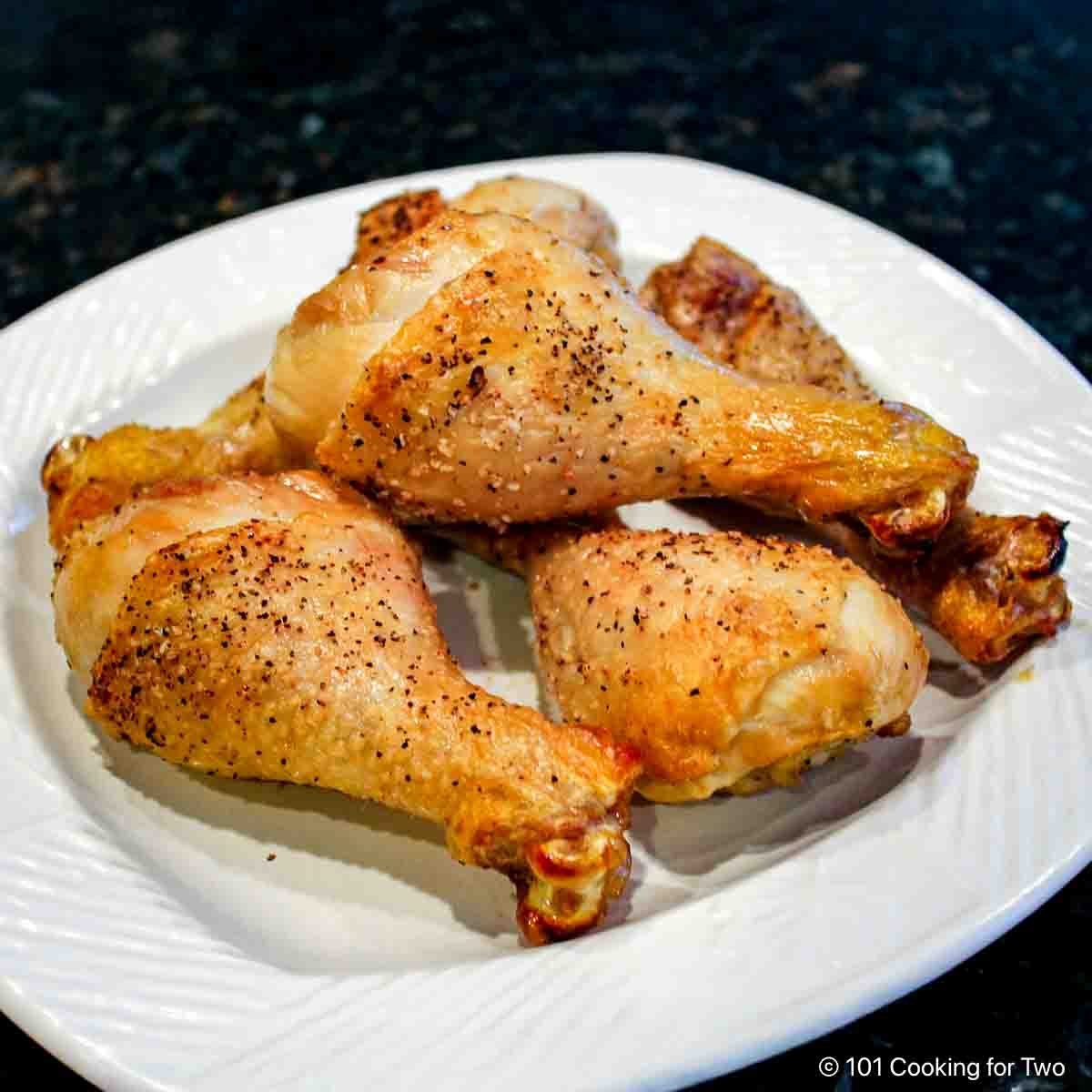
The Science of Searing and Juiciness: Understanding Temperature’s Role
At its core, achieving perfectly baked chicken legs is a balancing act. We aim for a high enough temperature to create that desirable crispy skin through the Maillard reaction – the complex chemical process that browns food and develops rich flavors. Simultaneously, we need a temperature that allows the internal meat to cook through to a safe and palatable level without drying out. Understanding these fundamental principles is the first step, and technology then becomes the enabler of this understanding.
The Maillard Reaction: More Than Just Browning
The Maillard reaction, named after French chemist Louis-Camille Maillard, is a non-enzymatic browning that occurs when amino acids and reducing sugars are heated. It’s responsible for the appealing color and savory notes in a vast array of cooked foods, from bread crusts to roasted meats. For chicken legs, achieving a rich, golden-brown hue is a significant part of the appeal. This reaction typically begins to accelerate significantly at temperatures above 300°F (150°C). However, to achieve a truly crisp skin, higher temperatures are often preferred, typically in the range of 375°F to 425°F (190°C to 220°C).
Internal Temperature and Food Safety: The Crucial Benchmark
Beyond aesthetics and flavor, the most critical aspect of cooking chicken legs is ensuring they reach a safe internal temperature. The USDA recommends an internal temperature of 165°F (74°C) for poultry. This temperature effectively eliminates harmful bacteria like Salmonella and Campylobacter. However, simply reaching this temperature isn’t always enough for optimal texture. Many chefs and home cooks prefer to cook chicken legs to an internal temperature slightly higher, around 170-175°F (77-79°C) for dark meat like legs and thighs. This higher temperature allows for more breakdown of connective tissues, resulting in exceptionally tender and juicy meat. The challenge lies in achieving this without overcooking the outer layers, which can lead to dryness.
The Role of Moisture: Preventing Dryness
The inherent fat content in chicken legs, particularly in the skin and dark meat, contributes significantly to their juiciness. However, prolonged exposure to excessive heat can evaporate this moisture, leaving the meat dry and tough. The interplay between oven temperature, cooking time, and the presence of moisture (from the chicken itself, or added in marinades or basting) is crucial. Higher temperatures can cook the chicken more quickly, potentially locking in juices if managed correctly, but they also increase the risk of drying if the cooking time is extended. Lower temperatures, while gentler, might require longer cooking times, which could also lead to moisture loss. This is where technological precision becomes invaluable.
Leveraging Smart Ovens and Thermometers for Precision Baking
The days of relying solely on guesswork and outdated oven dials are rapidly fading. The modern kitchen is increasingly infused with technology designed to simplify cooking and elevate results. For chicken legs, smart ovens and advanced thermometers offer unparalleled control and insight into the baking process.
Smart Ovens: The AI-Powered Sous Chef
Smart ovens represent a significant leap forward in home cooking technology. These appliances often feature integrated wireless connectivity, allowing users to control and monitor their oven remotely via smartphone apps. More importantly for our discussion, many smart ovens come equipped with sophisticated temperature sensors and pre-programmed cooking modes for specific dishes, including poultry.
These ovens can maintain a remarkably consistent internal temperature, compensating for fluctuations that plague older models. Some even utilize internal cameras and AI algorithms to monitor the food’s progress, automatically adjusting cooking time and temperature to achieve optimal browning and doneness. For chicken legs, a smart oven can be programmed with specific settings for “crispy skin” or “juicy dark meat,” taking the guesswork out of selecting the perfect temperature and time combination. This level of intelligent automation ensures that even novice cooks can achieve restaurant-quality results with minimal effort.
Precision Thermometers: The Unsung Heroes of Culinary Accuracy
While smart ovens offer comprehensive control, a high-quality digital or wireless meat thermometer remains an essential tool for any serious home cook. Gone are the days of unreliable dial thermometers; modern digital thermometers provide near-instantaneous and highly accurate readings.
Wireless meat thermometers are particularly transformative. These systems typically consist of a probe inserted into the thickest part of the chicken leg and a base unit or smartphone app that displays the real-time internal temperature. This allows cooks to monitor their chicken legs from anywhere in the kitchen, or even from another room, without constantly opening the oven door – a practice that can significantly disrupt baking temperatures and lead to uneven cooking.
Many advanced wireless thermometers also allow users to set custom temperature alerts. For instance, you can set an alert for when the chicken legs reach 160°F (71°C), prompting you to start basting or to prepare for their removal, ensuring they are pulled at the peak of perfection before overcooking. This level of granular control is instrumental in achieving both food safety and superior texture.
The “Probe-Less” Revolution: Beyond Direct Insertion
The innovation doesn’t stop at probes. Emerging technologies are exploring “probe-less” temperature sensing, utilizing infrared or other non-contact methods to estimate internal temperatures. While still in their nascent stages for widespread home use, these advancements hint at a future where cooking without physical probes becomes the norm, further streamlining the cooking process and enhancing convenience. The underlying principle, however, remains the same: leveraging technology to achieve precise temperature control for optimal outcomes.
Optimizing Temperature Settings for Various Chicken Leg Preparations

While a general range exists, the ideal baking temperature for chicken legs can be fine-tuned based on the desired outcome and the specific cooking method or recipe being employed. Technology helps us achieve these nuanced results consistently.
High-Heat Roasting for Ultimate Crispiness
For those who crave shatteringly crisp skin, a higher oven temperature is the key. Roasting chicken legs at 400°F to 425°F (200°C to 220°C) for approximately 35-45 minutes (depending on size) will deliver exceptional results. The intense heat quickly renders the fat in the skin, leading to rapid crisping.
- Tech Integration: When using a smart oven at these high temperatures, activate convection modes if available. Convection ovens circulate hot air more effectively, promoting even browning and crisping. Utilizing a wireless meat thermometer is crucial here to ensure the internal temperature reaches 165°F (74°C) within the desired timeframe without the exterior burning. Set an alert for around 160°F (71°C) to monitor closely and remove the chicken leg just as it hits the target, allowing residual heat to finish the cooking to a safe 165°F (74°C).
Moderate Roasting for Balanced Texture and Flavor
A more moderate temperature, such as 375°F (190°C), offers a good balance between achieving crispy skin and ensuring the meat cooks through without drying. This temperature range is often ideal for recipes that involve marinades or sauces, as it provides enough time for flavors to meld without scorching the surface too quickly. Cooking time at this temperature typically ranges from 40-50 minutes.
- Tech Integration: Smart ovens can be programmed to maintain this precise 375°F (190°C) for the entire duration. If using a conventional oven, a quality oven thermometer can verify the accuracy of your oven’s thermostat. When using a wireless thermometer, set your target internal temperature to 170-175°F (77-79°C) for dark meat, allowing the probe to continuously inform you of the chicken’s progress and prevent overshooting.
The Role of Preheating and Oven Accuracy
Regardless of the chosen temperature, preheating your oven is non-negotiable for consistent results. Modern ovens often have indicator lights or audible signals to indicate when they have reached the set temperature. However, the accuracy of these indicators can vary.
- Tech Integration: Smart ovens often offer more precise preheating cycles and can notify you when the oven is truly at the target temperature, not just when the light turns off. For conventional ovens, an independent oven thermometer placed on the middle rack is an invaluable tool. It allows you to verify if your oven is actually running hotter or cooler than its dial suggests. This is particularly important when relying on precise temperature settings for optimal chicken leg baking. Understanding your oven’s quirks through the aid of technology can save countless dishes from being over or undercooked.
Beyond Temperature: Smart Technology Enhancing the Entire Chicken Leg Baking Process
The influence of technology extends beyond just setting the oven temperature. From preparation to post-bake analysis, smart kitchen gadgets are revolutionizing how we approach cooking.
Smart Grilling and Air Frying Integration
While the title specifically mentions baking, it’s worth noting how similar temperature optimization principles apply to other cooking methods. Many smart appliances now integrate grilling or air-frying functionalities. For chicken legs, air fryers and smart grills offer rapid cooking times and excellent crisping capabilities, often at temperatures comparable to or exceeding conventional ovens.
- Tech Integration: Smart air fryers and grills typically come with pre-programmed settings for chicken and other meats. They allow for precise temperature and time control, often with built-in thermometers that monitor the food’s internal temperature. This means you can set your air fryer to a specific temperature and time, and it will alert you when the chicken legs are perfectly cooked, much like a smart oven. This integration streamlines the cooking process and makes achieving consistent, delicious results effortless.
Recipe Integration and Personalized Cooking
The growing ecosystem of connected kitchen appliances is also enabling seamless recipe integration. Many smart ovens and apps can download recipes and automatically set the appropriate cooking temperatures and times, along with other settings like fan speed or cooking modes.
- Tech Integration: Imagine selecting a “Crispy Baked Chicken Legs” recipe on your smartphone. The app then communicates with your smart oven, preheating it to the exact temperature required (e.g., 400°F/200°C) and setting a timer. Some advanced systems even suggest when to flip or baste the chicken based on the recipe’s instructions and real-time sensor data. This creates a personalized cooking experience, removing the mental load of remembering specific temperatures and timings, and empowering even novice cooks to execute complex dishes with confidence. The focus remains on the fundamental culinary question – “what temp to bake chicken legs” – but the solution is delivered through intelligent, interconnected technology.

Post-Cook Analysis and Learning
The data generated by smart kitchen appliances can also be a powerful learning tool. Many apps track your cooking sessions, providing insights into cooking times, temperatures achieved, and even successful outcomes. This data can help you refine your cooking techniques and further optimize your approach to baking chicken legs in the future.
- Tech Integration: By reviewing your cooking logs, you might notice a pattern of slightly drier chicken legs when cooking at a specific temperature for too long. This information, powered by the technology within your smart appliances, allows for continuous improvement, transforming cooking from a rote task into an iterative, data-driven process. The goal of “what temp to bake chicken legs” becomes a starting point for a more sophisticated understanding of how technology can elevate every aspect of your culinary endeavors.
In conclusion, the question of what temperature to bake chicken legs, while seemingly simple, opens the door to a world of technological innovation in the kitchen. From the fundamental science of browning and moisture retention to the advanced capabilities of smart ovens, precision thermometers, and connected apps, technology empowers home cooks to achieve consistently delicious results. By embracing these tools, we can move beyond guesswork and unlock the full potential of this beloved dish, ensuring every bite is a testament to both culinary skill and intelligent design.
aViewFromTheCave is a participant in the Amazon Services LLC Associates Program, an affiliate advertising program designed to provide a means for sites to earn advertising fees by advertising and linking to Amazon.com. Amazon, the Amazon logo, AmazonSupply, and the AmazonSupply logo are trademarks of Amazon.com, Inc. or its affiliates. As an Amazon Associate we earn affiliate commissions from qualifying purchases.