
The management of chronic conditions like lymphedema has undergone a radical transformation over the last decade. As we move away from purely analog treatment methods—such as manual lymphatic drainage and static compression—toward integrated health ecosystems, the role of technology has become paramount. However, with the rise of health-tracking software, wearable sensors, and AI-driven diagnostic tools, there is a new set of risks. Patients and practitioners often find themselves navigating a complex digital landscape where a single technical misstep can hinder treatment progress.
In the realm of HealthTech, “what you should not do” is just as important as the treatments you embrace. This article explores the critical boundaries of technology in lymphedema management, focusing on software reliability, the limitations of consumer-grade hardware, and the cybersecurity risks associated with personal health data.

1. Avoiding the Pitfalls of Unverified Health Data and AI-Driven Self-Diagnosis
The democratization of information through Artificial Intelligence (AI) and search algorithms has empowered patients, but it has also introduced significant hazards. When managing a condition as sensitive as lymphedema, the digital tools you choose—and how you interpret their output—can dictate the success of your clinical outcomes.
The Danger of Relying on Unfiltered Generative AI
One of the most dangerous things you can do with lymphedema is rely solely on generative AI models (like generic LLMs) for treatment protocols. While these tools are excellent at summarizing general information, they are prone to “hallucinations”—generating confident but medically inaccurate advice. For instance, an AI might suggest a specific type of high-pressure pneumatic compression that is contraindicated for a patient with certain cardiovascular complications.
You should not treat an AI prompt as a replacement for a clinical decision support system (CDSS). Professional-grade medical AI is trained on peer-reviewed clinical datasets and adheres to regulatory standards; consumer-grade AI does not. Relying on the latter for exercise routines or compression levels can lead to tissue damage or systemic complications.
Why You Should Not Trust Non-Validated Symptom Checkers
There is an abundance of “wellness” apps on both the iOS and Android platforms that claim to monitor swelling or “detox” the lymphatic system. Many of these apps use smartphone camera sensors or basic gyroscopes to track limb volume. However, unless these apps are FDA-cleared or CE-marked as a medical device, their algorithms may lack the precision required for medical-grade monitoring.
Using unvalidated software to track limb circumference changes can provide a false sense of security. If the software fails to detect a 5% increase in volume—a critical threshold for early intervention—the window for effective treatment might close. Always ensure your digital tracking tools are clinically validated and integrated with your healthcare provider’s portal.
2. Hardware Mistakes: What Not to Do with Lymphedema Monitoring Devices
As the Internet of Medical Things (IoMT) expands, patients are increasingly using wearables to monitor their condition. From smart compression sleeves to bioimpedance spectroscopy (BIS) devices, the hardware is more advanced than ever. Yet, improper use of this hardware can lead to data skew and physical harm.
Avoiding Improper Calibration of Bioimpedance Sensors
Bioimpedance spectroscopy is a cornerstone of modern lymphedema tech, measuring the resistance of extracellular fluid to electrical currents. One thing you should never do is use these devices without following strict calibration and environmental protocols.
Factors such as skin temperature, hydration levels, and even the proximity of other electronic gadgets can interfere with sensor accuracy. If you ignore the “baseline” calibration steps required by the device’s software, you may receive readings that suggest your lymphedema is stable when, in fact, it is progressing. Hardware is only as good as the conditions under which it operates; treating it like a “set it and forget it” consumer fitness tracker is a recipe for clinical error.
Why You Shouldn’t Ignore Software Update Notifications for Medical Apps
In the tech world, software updates are often viewed as a nuisance. However, for lymphedema management hardware, these updates often contain critical patches for sensor accuracy and battery management. Some smart compression pumps rely on firmware updates to refine the pressure gradients they apply to the limb.
Failing to update the software associated with your medical gadgets can lead to “feature drift,” where the hardware no longer communicates effectively with the cloud-based analytics platform. This can result in the delivery of sub-optimal pressure or the failure of the device to log an inflammatory event. In the context of med-tech, an outdated app is a malfunctioning app.

3. Data Privacy and Security: Risks You Should Not Take with Your Medical History
In the digital age, lymphedema management involves the generation of vast amounts of sensitive data—photos of affected areas, limb measurements, and personal health identifiers (PHI). Managing this data requires a high level of digital hygiene to prevent identity theft and privacy breaches.
The Risks of Sharing Condition Data on Unsecured Third-Party Apps
It is common for patients to join support groups or use “free” calorie and activity trackers to manage the weight-related aspects of lymphedema. However, you should not input specific medical diagnoses or upload photos of limb swelling into apps that do not offer end-to-end encryption or HIPAA-compliant storage.
Many “free” apps monetize user data by selling anonymized (or poorly de-identified) information to data brokers or insurance marketers. If your condition data is leaked or sold, it could theoretically impact your future insurability or lead to predatory marketing of unproven “cures.” Always check the “Privacy and Security” settings of any app and look for the “Data Privacy Framework” certification.
Protecting Your Health Identity in the Era of Interconnected Cloud Storage
With the rise of integrated health platforms, your lymphedema data likely lives in the cloud. One critical mistake is using weak, recycled passwords for your patient portals or using public Wi-Fi to access your medical records.
A breach of your medical portal doesn’t just expose your name; it exposes your entire clinical history. For patients using interconnected devices—such as a smart pump that syncs with a hospital’s Electronic Health Record (EHR)—a security lapse could allow a malicious actor to alter treatment settings remotely. To protect yourself, you should not bypass Multi-Factor Authentication (MFA) and should always use a Virtual Private Network (VPN) when accessing health data on the go.
4. The Integration Gap: Why You Shouldn’t Rely Solely on Automated Care
The final “don’t” in the world of lymphedema technology involves the balance between automation and human expertise. While tech is a powerful ally, it is not a replacement for clinical judgment.
The Importance of Human-in-the-Loop Tech Protocols
Automation is the goal of many modern health apps, from automated reminders to take measurements to AI-driven pressure adjustments in compression pumps. However, you should not allow technology to become a “black box” where you no longer understand the why behind the treatment.
“Human-in-the-loop” is a tech principle where human oversight is integrated into the AI decision-making process. If your app tells you to increase your compression levels, but your limb feels painful or discolored, you must prioritize your physical sensations over the software’s recommendation. Technology can suffer from “sensor lag” or “edge case errors” where it fails to account for a sudden infection (cellulitis). Relying blindly on an automated dashboard without periodic manual check-ins with a lymphedema therapist is a significant risk.
Steering Clear of Non-Compliant “Health & Wellness” Gadgets
In the tech marketplace, there is a blurry line between “Medical Devices” and “Wellness Gadgets.” You should not use generic massagers or “vibration plates” marketed for “lymphatic drainage” unless they have been vetted for medical use.
Many of these gadgets are designed for muscle recovery in athletes, not for the delicate lymphatic systems of those with secondary lymphedema. The tech specifications—such as the frequency of vibration or the depth of percussive force—might be too aggressive, potentially damaging the remaining functional lymph vessels. Always check for a 510(k) clearance from the FDA, which indicates the technology has been reviewed for safety and effectiveness for a specific medical purpose.
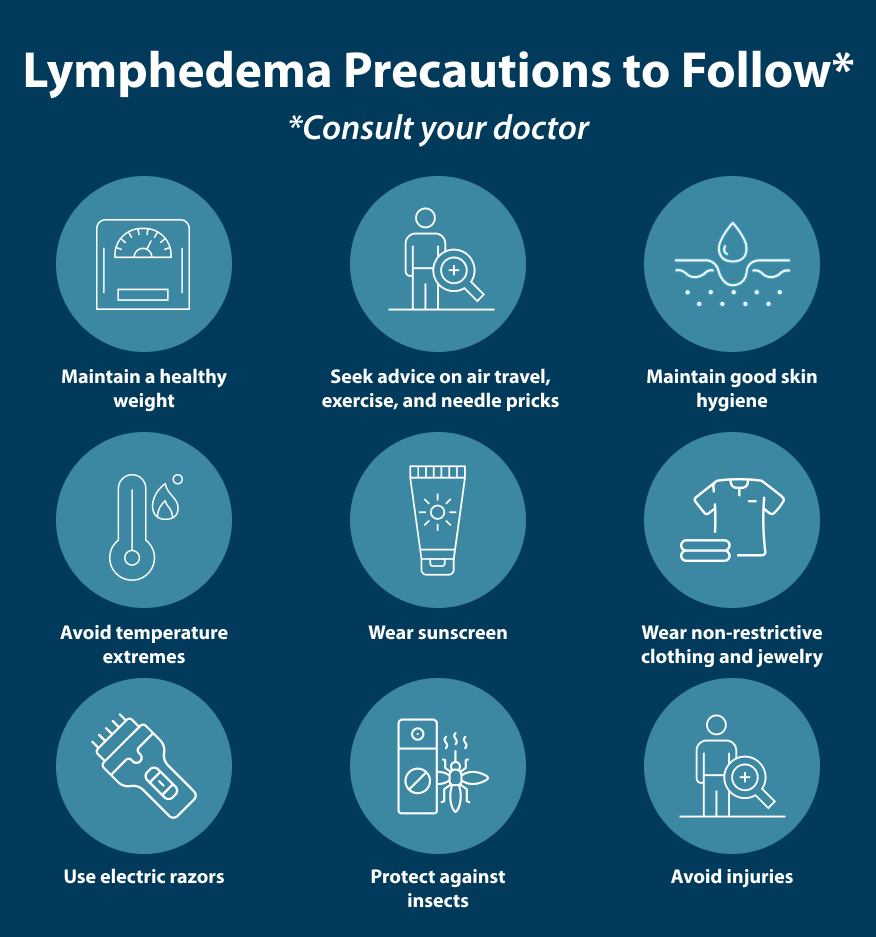
Summary: Building a Tech-Resilient Management Plan
Technology offers unprecedented opportunities to move lymphedema management from a reactive model to a proactive, data-driven one. By knowing what not to do—avoiding unverified AI, maintaining hardware integrity, securing digital data, and ensuring human oversight—patients can leverage these tools safely.
The future of lymphedema care lies in the synergy between advanced software and clinical expertise. As long as you maintain a critical eye toward the “latest and greatest” gadgets and prioritize data security, technology will continue to be one of the most effective tools in your arsenal for maintaining a high quality of life. In the world of HealthTech, the smartest user is not the one with the most gadgets, but the one who uses the most reliable and secure systems available.
aViewFromTheCave is a participant in the Amazon Services LLC Associates Program, an affiliate advertising program designed to provide a means for sites to earn advertising fees by advertising and linking to Amazon.com. Amazon, the Amazon logo, AmazonSupply, and the AmazonSupply logo are trademarks of Amazon.com, Inc. or its affiliates. As an Amazon Associate we earn affiliate commissions from qualifying purchases.