
Achieving the perfect burger temperature is no longer a matter of guesswork or a perfectly timed sizzle on the grill. In today’s technologically advanced culinary landscape, precision is paramount. While the intuitive “feel” of a burger has guided home cooks for generations, the advent of sophisticated kitchen gadgets and an increasing understanding of food science have transformed burger preparation into a more exact discipline. This exploration delves into the optimal internal temperatures for burgers, the scientific principles behind them, and the cutting-edge tech that empowers home cooks and professionals alike to achieve consistently delicious results.
The Science of Doneness: Understanding Internal Temperatures
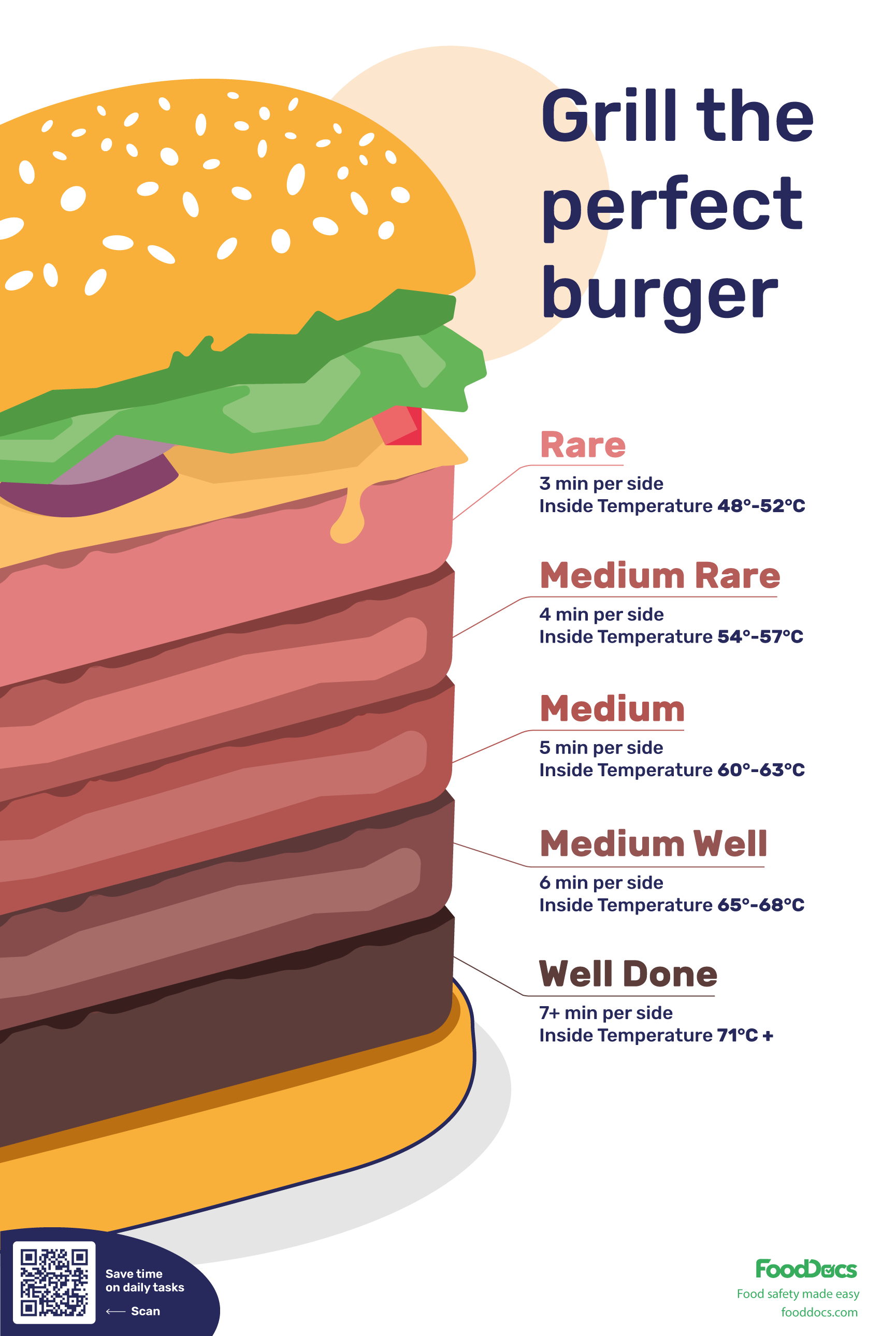
The temperature at which a burger is cooked directly dictates its internal characteristics – its juiciness, its tenderness, and, crucially, its safety. Different levels of doneness appeal to various palates, but understanding the temperature ranges associated with these levels is key to achieving desired outcomes. This isn’t just about personal preference; it’s about understanding how heat affects the proteins and fats within the meat.
Rare Burgers: A Delicate Balance of Flavor and Texture
For those who prefer their burgers on the rarer side, the target internal temperature typically hovers between 120°F (49°C) and 125°F (52°C). At this stage, the center of the patty will be a deep red, cool to the touch, and exceptionally moist due to the minimal denaturation of proteins and retention of fat. This level of doneness is often favored for its intensely beefy flavor and melt-in-your-mouth texture. However, it’s crucial to note that cooking ground beef to this temperature carries a higher risk if the meat was not handled with the utmost care and sourced from a reputable supplier. The U.S. Department of Agriculture (USDA) recommends higher temperatures for ground meat due to the increased surface area exposed to potential contaminants during grinding.
Medium-Rare: The Sweet Spot for Juiciness and Flavor
The sweet spot for many burger aficionados lies within the medium-rare range, typically between 130°F (54°C) and 135°F (57°C). At this temperature, the center will be warm and red, transitioning to pink towards the edges. The proteins have begun to denature, leading to a slightly firmer texture than rare, but the fats remain largely unrendered, contributing to exceptional juiciness and a rich, satisfying flavor. Medium-rare burgers offer a delightful balance of moisture, flavor, and a pleasing chew, making them a consistently popular choice.
Medium: A Well-Rounded Choice for Most Palates
Moving into the medium range, temperatures fall between 140°F (60°C) and 145°F (63°C). Here, the center of the burger will be pink, with a slightly firmer texture than medium-rare. A significant portion of the fat has rendered out, leading to a leaner bite, yet it still retains enough moisture to be enjoyable for many. This temperature is often considered a safe and widely accepted level of doneness for ground beef, offering a good balance between safety, juiciness, and a more universally palatable cooked experience.
Medium-Well: A Firmer Texture with Less Pink
For those who prefer their burgers with minimal to no pink, the medium-well stage is ideal, with internal temperatures ranging from 150°F (66°C) to 155°F (68°C). At this point, the burger will be mostly brown throughout, with perhaps a hint of pink remaining in the very center. The texture will be noticeably firmer, and more fat will have been rendered, resulting in a less juicy, but still flavorful, burger. This temperature offers a higher degree of safety for ground meats.
Well-Done: Maximizing Safety and Uniformity
Finally, the well-done burger reaches an internal temperature of 160°F (71°C) and above. At this stage, the burger will be cooked completely through, with no pink visible whatsoever. The texture will be firm, and the majority of the fat will have rendered away. While some may find this less appealing in terms of juiciness and flavor, it offers the highest level of safety assurance for ground beef and is preferred by those who prioritize it or have specific dietary considerations.
The Technological Toolkit for Precision Burger Cooking
Gone are the days of cutting into a burger to check its doneness, a practice that inevitably releases precious juices and compromises the overall texture. Modern culinary technology offers a sophisticated array of tools designed to provide accurate temperature readings quickly and efficiently, ensuring you hit your desired doneness with every patty.
The Rise of the Digital Meat Thermometer
At the forefront of precision burger cooking is the digital meat thermometer. These devices, ranging from instant-read probes to leave-in thermometers with wireless capabilities, have revolutionized how we monitor internal temperatures.

Instant-Read Thermometers: Speed and Accuracy in Your Hand
Instant-read thermometers are indispensable for the home cook. With probes that can take a reading in as little as three to five seconds, they provide immediate feedback without significantly disrupting the cooking process. Advanced models boast waterproof casings, backlit displays for low-light grilling, and durable stainless-steel probes. The key to using an instant-read thermometer effectively is to insert the probe into the thickest part of the patty, avoiding any bone or large pockets of fat. For burgers, this means aiming for the center, ensuring the probe penetrates to the core of the meat. The rapid response time allows for precise adjustments to cooking time, preventing overcooking and ensuring consistent results.
Leave-In and Wireless Thermometers: Monitoring Without the Fuss
For longer cooking sessions or when you want to step away from the grill, leave-in and wireless thermometers are invaluable. These devices consist of a probe that is inserted into the meat and a base unit or receiver that displays the temperature. Wireless models often connect to smartphone apps, allowing you to monitor your burgers from anywhere within range. These apps can provide real-time temperature graphs, set custom alerts for target temperatures, and even offer cooking timers. This level of remote monitoring is a game-changer for busy cooks, providing peace of mind and the ability to perfectly time the removal of burgers from the heat.
Smart Grills and Ovens: Integrated Temperature Control
The evolution of cooking appliances has brought us smart grills and ovens that integrate temperature control and monitoring directly into their design. Many high-end grills now feature built-in meat probes that connect to digital displays or smartphone apps, similar to wireless thermometers. Some even offer pre-programmed doneness settings for various meats, including burgers. Smart ovens utilize convection and precise temperature regulation to cook food evenly. While perhaps an investment, these appliances offer a level of automation and precision that takes the guesswork out of achieving ideal burger temperatures, ensuring a consistently superior culinary experience.
Beyond Temperature: Factors Influencing Burger Perfection
While internal temperature is the most critical metric for burger doneness, several other technological and scientific factors contribute to the ultimate outcome. Understanding these nuances can elevate your burger game from good to extraordinary.
The Role of Fat Content and Grind Size
The fat content of your ground beef plays a significant role in how it cooks and retains moisture. A grind with a higher fat ratio (e.g., 80/20) will generally remain juicier and more flavorful, even at higher internal temperatures, due to the fat’s ability to lubricate and carry flavor. Conversely, leaner grinds will dry out more quickly and may require more careful temperature monitoring. The grind size itself can also impact cooking. Coarser grinds allow for better heat penetration and a more varied texture, while finer grinds can lead to a denser burger. Technological advancements in meat processing and the availability of custom grinds from butcher shops allow cooks to select the ideal fat content and grind size for their desired burger.
The Impact of Cooking Surface and Heat Management
The type of cooking surface and the management of heat are intrinsically linked to achieving the correct internal temperature. Whether you’re grilling over charcoal, gas, or searing on a cast-iron skillet, understanding how your chosen method distributes heat is crucial.
Grilling Technologies: Direct vs. Indirect Heat
Grilling technologies have evolved to offer more precise control over heat. Understanding the difference between direct and indirect heat on a grill is fundamental. Direct heat, where the food is placed directly over the flame or heating element, provides intense searing and rapid cooking, ideal for thinner patties or achieving a good crust. Indirect heat, where the food is placed away from the direct heat source, allows for more gentle, even cooking, which can be beneficial for thicker burgers or for bringing them up to temperature without burning the exterior. Many modern grills offer dual-zone cooking, allowing you to manage both direct and indirect heat simultaneously, a technological advantage that gives you greater control over the cooking process and the ability to precisely manage internal temperatures.
Induction and Cast Iron: Precision on the Stovetop
On the stovetop, induction cooktops offer unparalleled precision in heat control. They heat cookware directly and instantly adjust temperature, providing a consistent and responsive cooking surface. When combined with a well-seasoned cast-iron skillet, known for its excellent heat retention and even distribution, you have a powerful combination for perfectly searing burgers. The ability to accurately set and maintain the desired heat on an induction cooktop, coupled with the thermal stability of cast iron, allows for controlled cooking that directly influences the internal temperature progression of your burger.
Carryover Cooking and Resting: The Final Frontier of Temperature Control
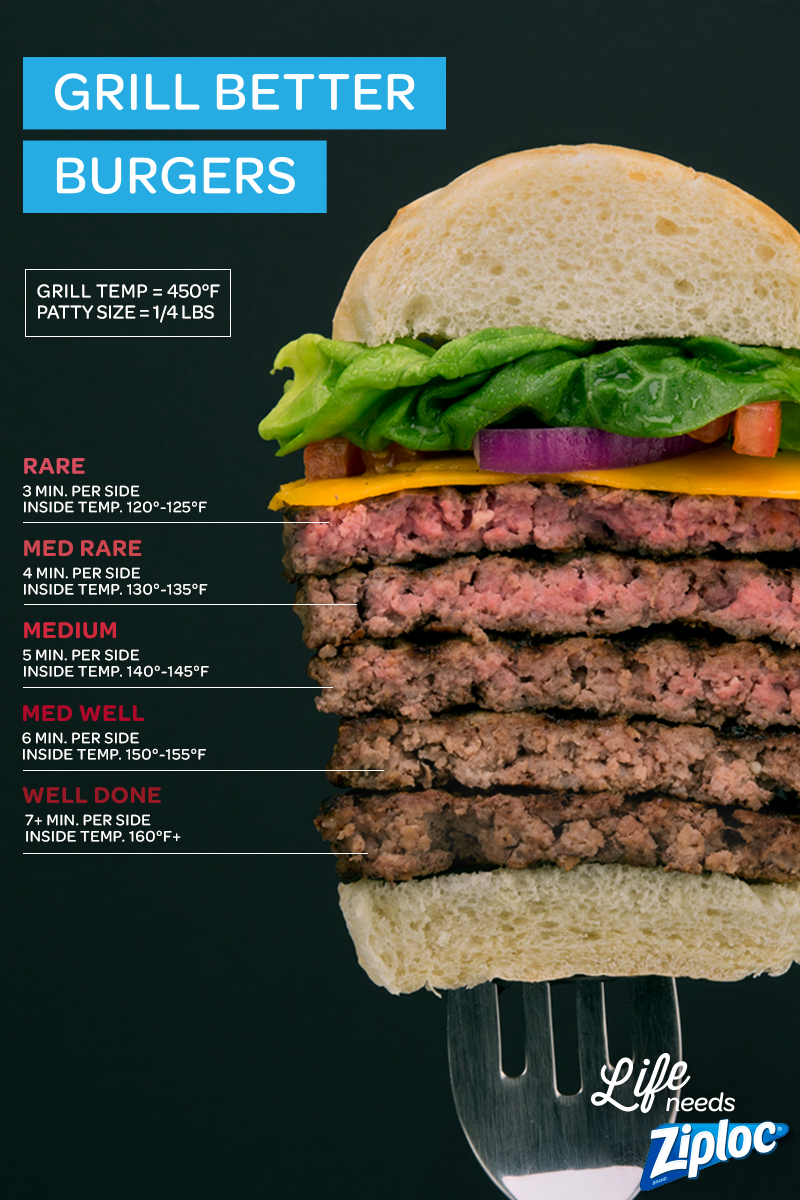
Even after removing a burger from the heat, its internal temperature will continue to rise due to a phenomenon known as carryover cooking. Heat continues to radiate from the hotter exterior to the cooler interior. This is why most chefs recommend removing burgers from the heat a few degrees before they reach their target temperature. For instance, if aiming for a medium-rare at 135°F (57°C), you might remove the burger from the heat when it registers around 130°F (54°C).
Following this, allowing the burger to rest for a few minutes before serving is crucial. During resting, the juices within the burger redistribute themselves evenly throughout the patty, resulting in a more tender and flavorful bite. This resting period also allows the internal temperature to stabilize, ensuring you’re serving the burger at its intended level of doneness. Modern temperature-monitoring tools allow you to factor in this carryover cooking and resting period with greater accuracy, ensuring that by the time you take that first bite, your burger has reached its ultimate peak of perfection. By embracing these technological advancements and understanding the science behind them, you can consistently achieve the ideal burger temperature, transforming your culinary creations from good to truly exceptional.
aViewFromTheCave is a participant in the Amazon Services LLC Associates Program, an affiliate advertising program designed to provide a means for sites to earn advertising fees by advertising and linking to Amazon.com. Amazon, the Amazon logo, AmazonSupply, and the AmazonSupply logo are trademarks of Amazon.com, Inc. or its affiliates. As an Amazon Associate we earn affiliate commissions from qualifying purchases.