
The quest for a smartphone that can reliably power through a demanding day, or even two, is a perennial pursuit for consumers. In an era where our phones are indispensable tools for communication, work, entertainment, and navigation, battery life has transitioned from a mere convenience to a critical feature. The question “what cell phone has the best battery life?” is not just about avoiding the dreaded low-battery notification; it’s about ensuring uninterrupted connectivity, productivity, and peace of mind. This article delves deep into the technological factors that dictate smartphone battery performance, explores the current leaders in battery longevity, and provides actionable advice for users to maximize their device’s endurance.
The Science Behind Smartphone Battery Longevity
Understanding what contributes to a cell phone’s battery life involves dissecting several interconnected technological components and software optimizations. It’s a complex interplay between hardware capabilities and how efficiently software utilizes those resources.
Battery Capacity: The Foundation of Endurance
The most direct determinant of battery life is the battery’s physical capacity, measured in milliampere-hours (mAh). A higher mAh rating generally translates to longer potential usage time. However, mAh is not the sole indicator, as other factors heavily influence how that capacity is consumed. Manufacturers have been steadily increasing battery sizes, with many flagship and mid-range devices now boasting batteries in the 4,500 mAh to 5,000 mAh range, and some specialized devices pushing even higher.
- Evolution of Battery Technology: While lithium-ion batteries remain the standard, research and development continue to explore enhancements. Improvements in energy density, charging speeds, and longevity (the number of charge cycles a battery can withstand before significant degradation) are ongoing. Manufacturers are also exploring different form factors and materials to optimize space and performance within the slim profiles of modern smartphones.
- Impact of Battery Size on Design: Larger batteries necessitate larger phone bodies or compromises in other design elements, such as screen size or thickness. This is a constant balancing act for manufacturers, who must weigh the demand for extended battery life against user preferences for sleek and portable devices.
Power Consumption of Core Components
Beyond the battery itself, the energy demands of the phone’s internal hardware are crucial. Each component draws power, and their efficiency dictates how quickly the battery depletes.
- The Display: A Major Power Drain: The screen is often the single largest consumer of battery power. This is due to its illumination technology (LED, OLED), brightness levels, refresh rate, and resolution.
- OLED vs. LCD: OLED displays are generally more power-efficient, especially when displaying dark content, as individual pixels can be turned off completely. LCDs, on the other hand, require a backlight that is always on.
- Refresh Rate: Higher refresh rates (90Hz, 120Hz, or even 144Hz) provide smoother scrolling and animations but consume significantly more power than standard 60Hz displays. Adaptive refresh rate technology, which dynamically adjusts the refresh rate based on content, is a key innovation for battery saving.
- Brightness: Maximum brightness levels can drain the battery rapidly. Auto-brightness, which adjusts screen illumination based on ambient light, is a crucial power-saving feature.
- The Processor (SoC): The Brain’s Energy Needs: The System-on-a-Chip (SoC), which houses the CPU, GPU, and other processing units, is another significant power draw. The efficiency of the SoC’s architecture, the manufacturing process node (e.g., 5nm, 4nm), and how it handles intensive tasks all impact battery consumption.
- Core Efficiency: Modern SoCs feature a mix of high-performance cores and energy-efficient cores. The efficient cores handle background tasks and less demanding operations, significantly reducing power usage when the phone isn’t under heavy load.
- Task Management: The operating system’s ability to intelligently manage which cores are active and for how long is vital.
- Connectivity Modules: The Silent Eaters: Radios for Wi-Fi, Bluetooth, cellular data (4G, 5G), and GPS all consume power. The strength of the signal, the frequency bands being used (especially with 5G), and the amount of data being transmitted or received contribute to battery drain.
- 5G Power Consumption: While offering faster speeds, 5G can be more power-hungry than 4G, especially in areas with weaker signal reception where the modem must work harder. Many phones offer options to limit 5G usage to save battery.
- Background Data Usage: Apps constantly checking for updates or syncing data in the background can also contribute to power depletion.
Software Optimization and Power Management
The operating system and its underlying software play a critical role in how efficiently a phone’s hardware is utilized. Advanced power management techniques can make a significant difference in extending battery life.
- Operating System Efficiency: Both Android and iOS have made strides in power management. Features like background app refresh limits, adaptive battery optimization (which learns user habits to prioritize battery for frequently used apps), and intelligent power-saving modes are key.
- App Behavior: Poorly optimized apps can be notorious battery drainers. This includes apps that run excessively in the background, use location services unnecessarily, or have inefficient code.
- Power Saving Modes: Virtually all smartphones offer dedicated power-saving modes that restrict background activity, limit CPU speed, reduce display brightness, and disable certain features to maximize battery life. Advanced versions might even switch to a monochrome display.
Current Leaders in Smartphone Battery Endurance
While every smartphone user has their own definition of “best,” certain devices consistently stand out for their exceptional battery performance. These are often a combination of large battery capacities, efficient processors, and optimized software.
Flagship Contenders and Their Battery Prowess
The premium segment of the smartphone market, while often prioritizing sleek design and cutting-edge features, has seen significant advancements in battery technology.
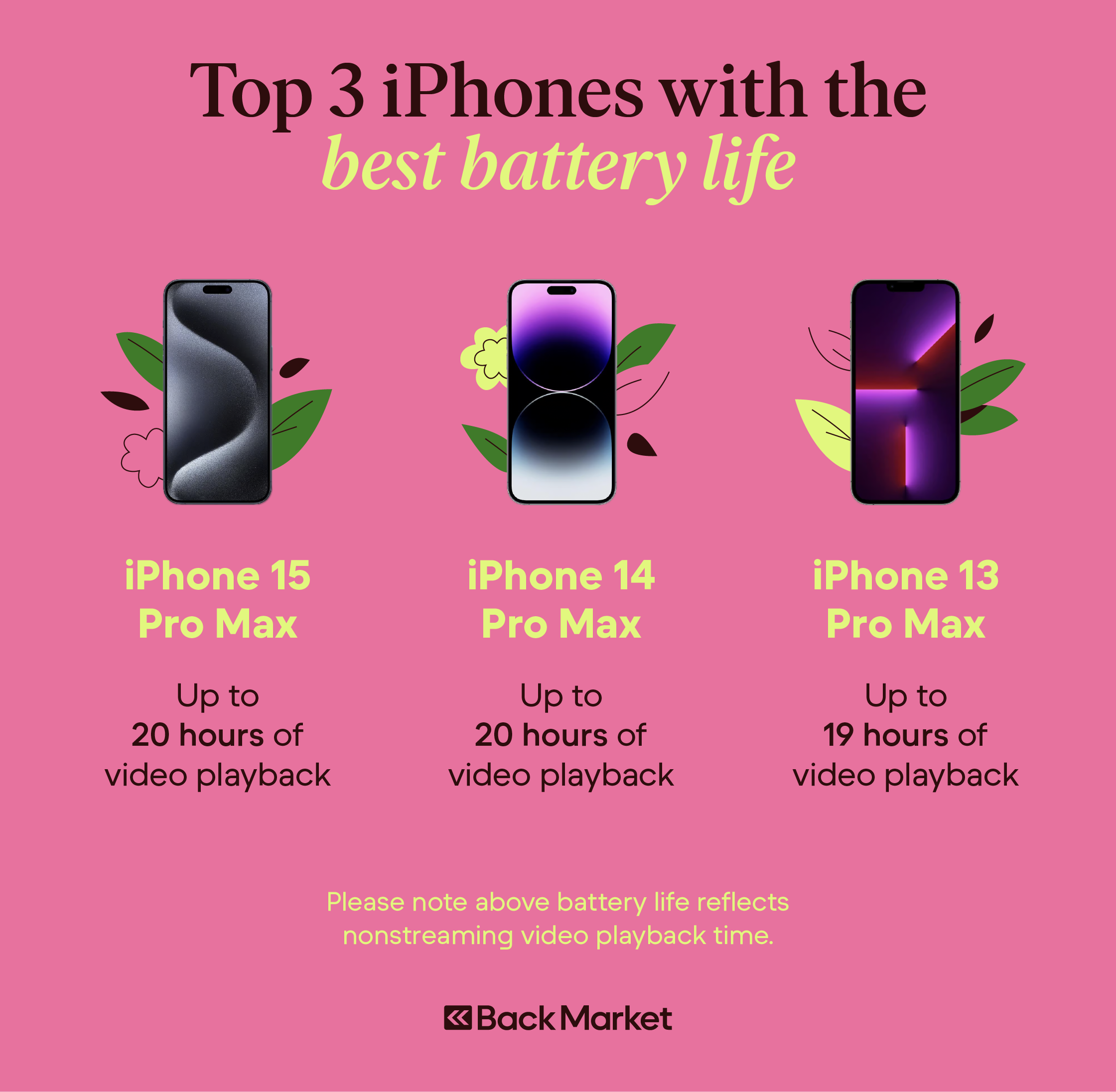
- Apple’s iPhone Pro Max Series: iPhones, particularly the larger Pro Max models, have consistently delivered strong battery life. Apple’s tight integration of hardware and software allows for remarkable optimization. The A-series chips are renowned for their power efficiency, and iOS’s background task management is highly effective. The larger chassis of the Pro Max models also allows for physically larger batteries compared to their smaller counterparts. Users often report that the iPhone 15 Pro Max, for example, can easily last a full day of heavy use and often extend into a second day with moderate usage.
- Samsung’s Galaxy S Ultra Series: Samsung’s flagship Galaxy S Ultra devices, known for their large displays and feature-rich capabilities, also pack substantial batteries. Their adaptive refresh rate displays and efficient Exynos or Snapdragon processors contribute to commendable battery longevity. The inclusion of features like wireless power share also highlights their focus on battery management. The Galaxy S23 Ultra, and its successor, have been lauded for their all-day power, even under demanding conditions.
- Google Pixel Devices: Google’s Pixel phones, particularly the Pro models, have also shown great improvement in battery life. Their focus on AI and machine learning extends to battery management, with features like Adaptive Battery working to learn usage patterns and optimize power consumption. While historically not always top-tier, recent Pixel generations have significantly closed the gap.
Mid-Range and Budget Heroes of Battery Life
The mid-range and budget segments often offer some of the most compelling battery life experiences, as manufacturers in these categories can prioritize longevity over some of the more power-hungry flagship features.
- Brands Focusing on Endurance: Companies like Motorola (with its G Power series), and certain models from manufacturers like Xiaomi, Realme, and OnePlus often pack batteries exceeding 5,000 mAh, sometimes even reaching 6,000 mAh or higher. These devices are frequently paired with more power-efficient processors suitable for daily tasks, making them ideal for users who prioritize unplugged time.
- Specialized Battery Phones: A niche within this segment is dedicated “battery phones” – devices designed with extremely large batteries, sometimes paired with less powerful, but highly efficient, hardware. These phones might sacrifice cutting-edge features for weeks of standby time or days of moderate use on a single charge.

Considerations Beyond Raw mAh
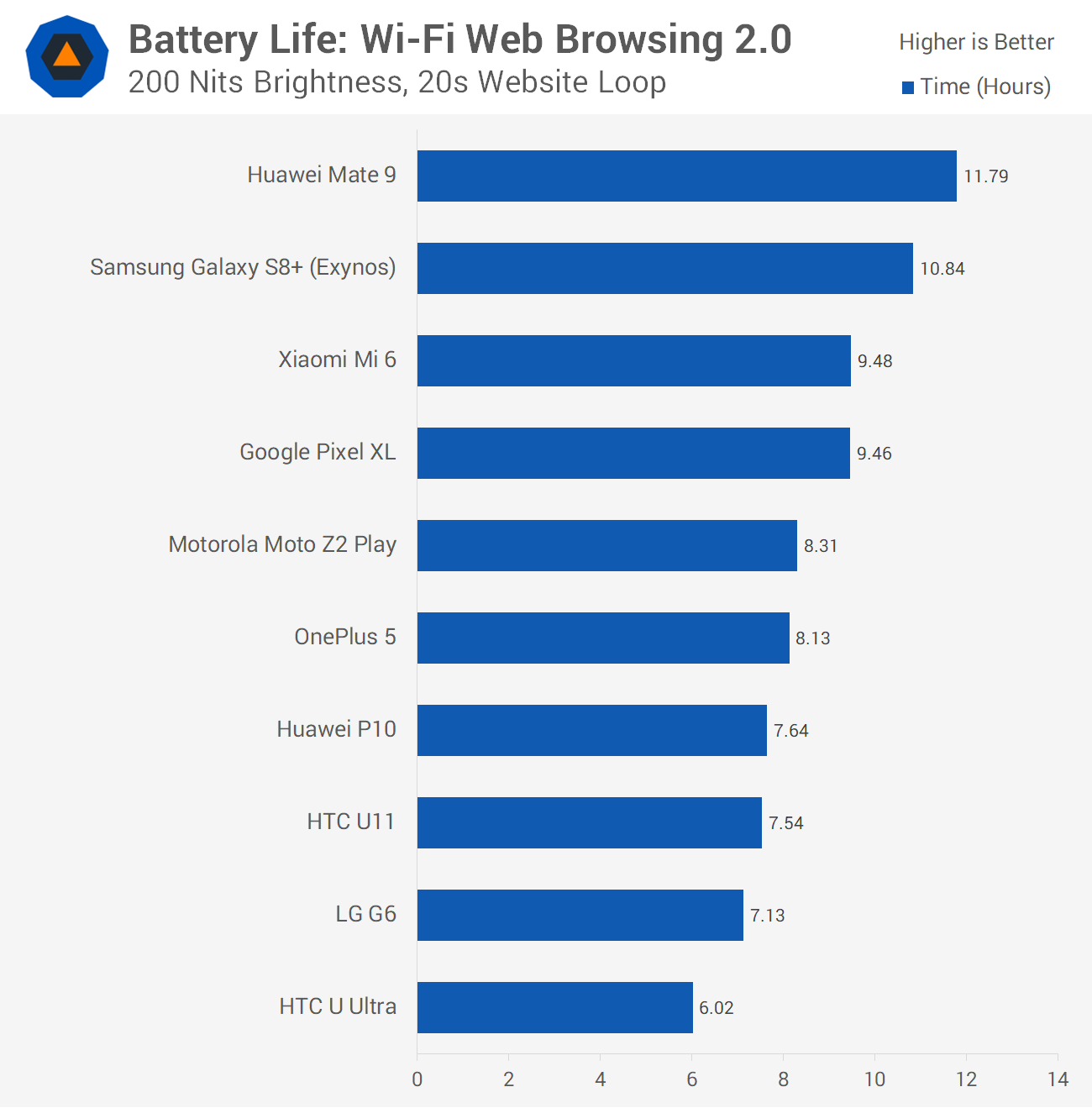
It’s important to remember that a high mAh number doesn’t automatically guarantee superior battery life. A device with a 4,500 mAh battery and highly optimized hardware and software can outperform a 5,000 mAh device with less efficient components or unoptimized software. Real-world reviews and battery drain tests are often more insightful than spec sheets alone. Factors like network signal strength, app usage patterns, and screen-on time significantly influence actual battery endurance.
Maximizing Your Smartphone’s Battery Life
Even with the most power-efficient phone, user habits and settings play a crucial role in how long the battery lasts. Implementing these strategies can significantly extend your device’s uptime between charges.
Software Settings for Power Savings
Your smartphone’s operating system offers a wealth of settings to fine-tune power consumption.
- Screen Brightness and Timeout: Lowering screen brightness to a comfortable level and reducing the screen timeout duration (the time before the screen turns off automatically) can yield substantial battery savings. Utilizing auto-brightness can also be beneficial, but manual adjustment often offers more precise control.
- Refresh Rate Adjustment: If your phone supports it, consider setting the display’s refresh rate to 60Hz or using an adaptive setting rather than a constant high refresh rate, especially for general usage.
- Background App Activity: Restrict background data usage and background app refresh for apps that don’t need to operate constantly. Most operating systems allow you to manage this on an app-by-app basis.
- Location Services: Be mindful of which apps have access to your location. Disabling location services for apps that don’t require it, or setting them to “while using the app,” can save considerable power.
- Push Notifications and Syncing: Reduce the frequency of push notifications and email fetching for non-critical accounts. Many apps allow you to set manual sync intervals or disable automatic syncing altogether.
- Connectivity Management: Turn off Wi-Fi, Bluetooth, and GPS when not actively in use. If you are in an area with poor cellular reception, consider enabling airplane mode or a low-power network mode if available, as the phone will consume more power trying to maintain a signal.
App Management and Usage Habits
The way you use your apps and manage your phone’s software ecosystem has a profound impact on battery life.
- Identify Battery-Draining Apps: Most smartphones have a battery usage section in their settings that shows which apps are consuming the most power. Regularly review this to identify rogue apps or those that are overly demanding. Uninstall or restrict apps that are consistently high on the list and not essential.
- Limit Resource-Intensive Apps: Apps that involve gaming, video streaming, or GPS navigation are naturally power-hungry. Consider using them in moderation or during times when you can charge your device.
- Dark Mode: For phones with OLED screens, enabling dark mode can significantly reduce battery consumption, as black pixels are turned off entirely.
- Avoid Extreme Temperatures: Exposing your phone to extreme heat or cold can degrade battery performance and shorten its lifespan. Avoid leaving your phone in a hot car or direct sunlight.
- Software Updates: Keep your operating system and apps updated. Manufacturers often release updates that include power management improvements and bug fixes that can affect battery efficiency.
Charging Strategies and Battery Health
How you charge your phone and maintain its battery health can influence its long-term performance.
- Avoid Deep Discharges: While modern lithium-ion batteries are less susceptible to the “memory effect” than older battery types, it’s generally beneficial to avoid letting your phone consistently drain to 0%. Charging it once it drops to around 20-30% is often recommended.
- Avoid Constant Full Charges: Similarly, keeping your phone plugged in at 100% for extended periods, especially overnight, can put stress on the battery. Many modern phones have “optimized charging” features that learn your charging habits and delay charging past 80% until just before you typically unplug.
- Use Appropriate Chargers: While fast charging is convenient, it can generate more heat, which is detrimental to battery health over time. If speed isn’t a priority, using a standard charger might be better for long-term battery preservation. Always use chargers from reputable brands that meet your device’s specifications.
- Battery Health Monitoring: Some operating systems and third-party apps allow you to monitor your battery’s health. If your battery’s maximum capacity has significantly degraded, it might be time to consider a battery replacement or a new device.
The Future of Smartphone Battery Technology
The pursuit of truly all-day, or even multi-day, battery life remains a significant area of innovation in the mobile technology sector. While current solutions involve larger batteries and software optimizations, future advancements promise more transformative changes.
Emerging Battery Technologies
Researchers are actively exploring alternatives and enhancements to current lithium-ion technology to overcome its limitations.
- Solid-State Batteries: These batteries replace the liquid electrolyte in traditional lithium-ion batteries with a solid material. This offers potential benefits such as increased energy density, faster charging times, improved safety (as they are less prone to thermal runaway), and longer lifespans. While promising, solid-state batteries are still in development and face manufacturing challenges before widespread adoption.
- Graphene-Enhanced Batteries: Graphene, a super-thin material made of carbon atoms, has exceptional conductivity. Incorporating graphene into battery electrodes could lead to faster charging, higher capacity, and improved durability. Some manufacturers are already experimenting with graphene in charging technologies.
- Silicon Anodes: Replacing graphite anodes with silicon in lithium-ion batteries can significantly increase energy density, allowing for smaller batteries with the same capacity or larger capacities in the same form factor. However, silicon expands and contracts significantly during charging and discharging, posing engineering challenges.
Advances in Power Management and Efficiency
Beyond battery chemistry, improvements in how devices consume power will continue to be a critical factor.
- More Efficient Processors: Future generations of mobile processors will undoubtedly become even more energy-efficient, leveraging smaller manufacturing nodes and advanced architectural designs.
- AI-Driven Power Optimization: Artificial intelligence will play an increasingly significant role in predicting user behavior and optimizing power consumption in real-time. This could involve dynamically adjusting network settings, managing background processes with unprecedented granularity, and even predicting when a user will need their device most.
- Display Technology Evolution: Further advancements in display efficiency, such as more power-conscious microLED or improved OLED technologies, will contribute to overall battery savings.
The quest for the cell phone with the best battery life is an ongoing journey, driven by both consumer demand and technological innovation. While current leaders offer impressive endurance, the future holds the potential for even greater leaps forward, promising a world where battery anxiety becomes a distant memory. By understanding the underlying technology and adopting smart usage habits, users can already make the most of their current devices, ensuring they stay powered up and connected throughout their day.
aViewFromTheCave is a participant in the Amazon Services LLC Associates Program, an affiliate advertising program designed to provide a means for sites to earn advertising fees by advertising and linking to Amazon.com. Amazon, the Amazon logo, AmazonSupply, and the AmazonSupply logo are trademarks of Amazon.com, Inc. or its affiliates. As an Amazon Associate we earn affiliate commissions from qualifying purchases.